Inside the Digital Engine: John Deere’s Self-Repair Software and the High-Stakes Battle for Farm Equipment Sovereignty

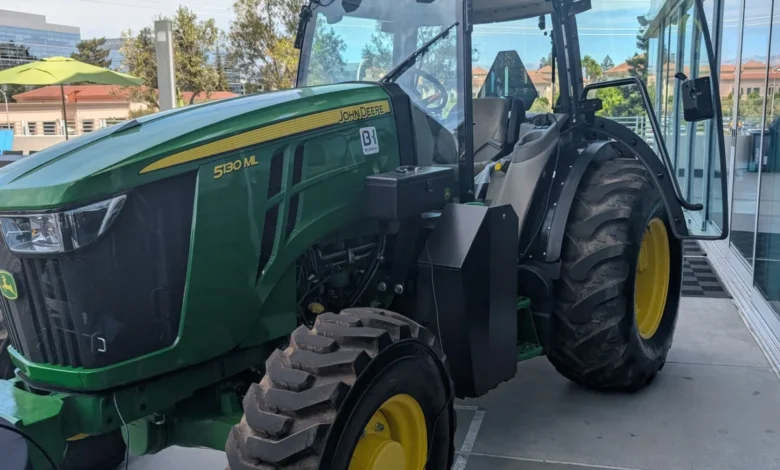
The modern agricultural landscape is defined by a paradoxical shift: while tractors are becoming increasingly autonomous, precise, and technologically sophisticated, the power to maintain these essential tools remains tightly tethered to corporate infrastructure. At the John Deere corporate office in Santa Clara, California, a demonstration of the company’s "Operations Center Pro Service" offers a glimpse into how the world’s largest agricultural manufacturer intends to address the growing "Right to Repair" movement. The system, designed to allow owners to perform their own diagnostics and minor repairs, stands at the center of a complex intersection between proprietary technology, legal mandates, and the autonomy of the American farmer.
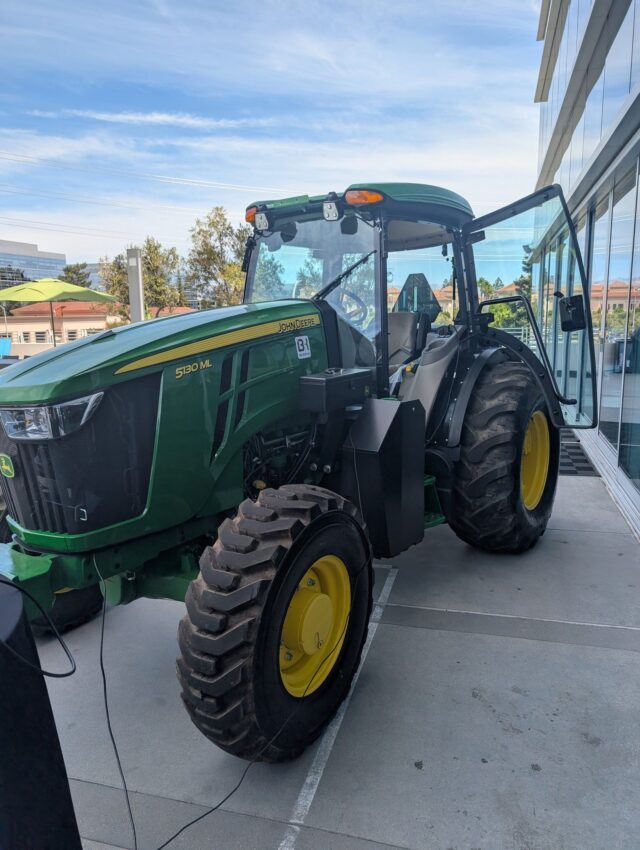
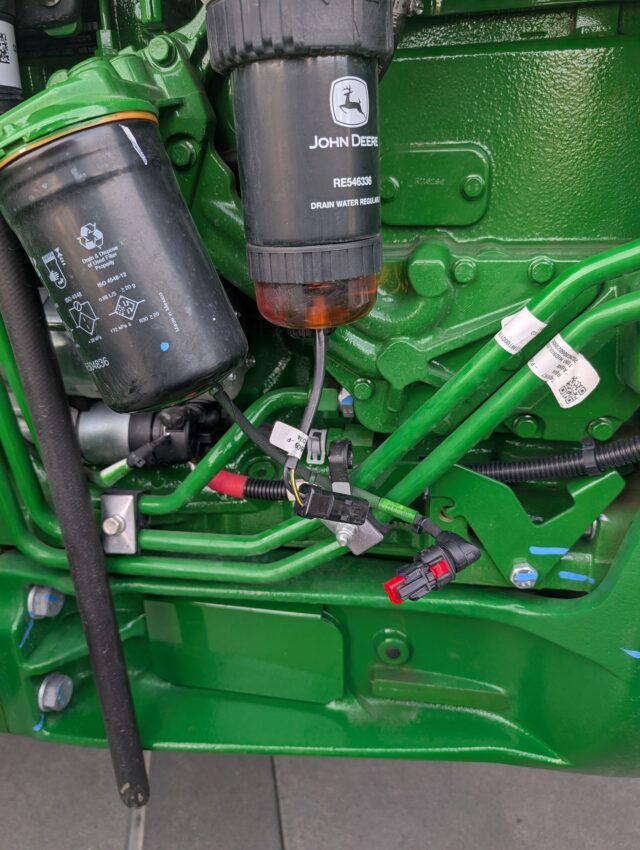
A simple repair—reconnecting a disconnected water-in-fuel sensor on a 5130ML tractor—can now be performed with the assistance of a laptop and the Pro Service software. By entering the machine’s serial number, the software pulls up digital manuals, schematic images, and step-by-step diagnostic instructions. Within minutes, the sensor is reconnected, the error notification on the dashboard clears, and the machine returns to operational status. While this efficiency showcases the potential of digitized maintenance, it also underscores the reality that for most farmers, such access has historically been locked behind a wall of proprietary software and dealer-exclusive diagnostic tools.
The Evolution of the Repair Conflict
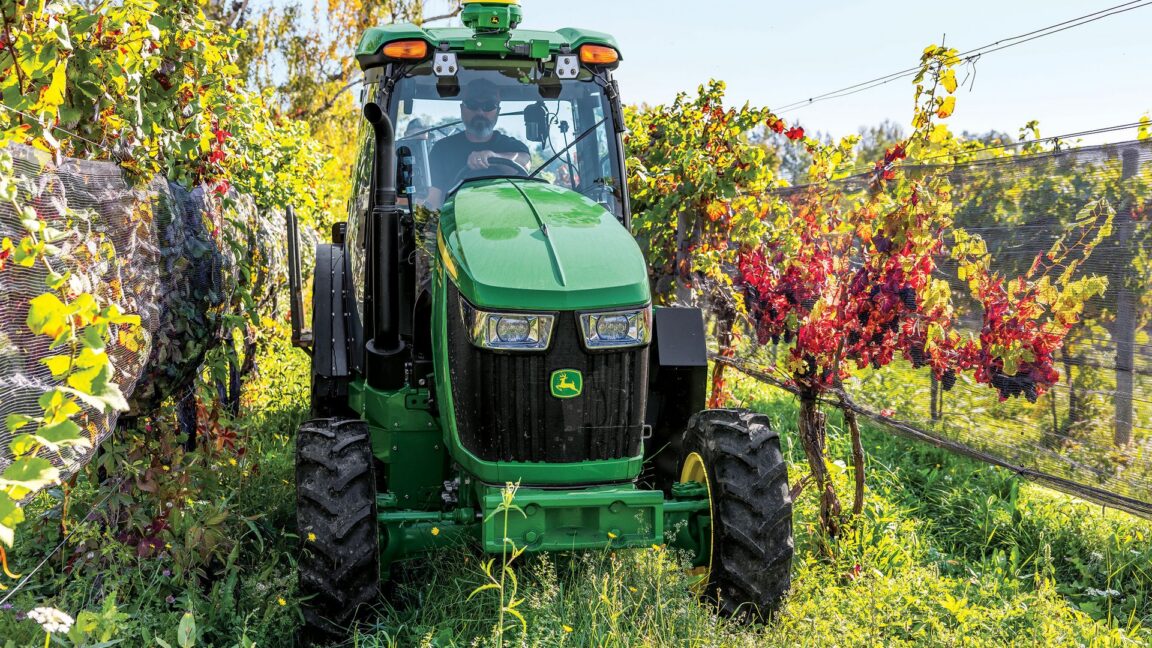
The conflict between John Deere and its customer base is not a recent development. Over the last two decades, agricultural machinery has evolved from purely mechanical systems into mobile, high-tech platforms. Modern John Deere equipment is laden with electronic control units (ECUs), GPS modules, 4G wireless connectivity, and autonomous guidance software. These advancements have allowed for unprecedented precision in planting and harvesting, but they have also introduced a layer of digital complexity that necessitates specialized software for even routine maintenance.
For years, farmers argued that this technological shift was being used to create a monopoly on repair services. The inability to access diagnostic codes or clear error messages without a certified dealer technician led to significant downtime and mounting costs, particularly during critical planting and harvest windows. The tension culminated in a series of legal challenges. In April 2026, John Deere reached a $99 million settlement to address claims that it had unfairly monopolized the repair market. This was followed in July by a settlement with the U.S. Federal Trade Commission (FTC), which mandated that the company provide owners with more robust repair tools. While John Deere did not admit to any wrongdoing in these settlements, they marked a turning point in the industry-wide debate over the ownership of software-enabled hardware.
Pro Service: A Digital Solution or a Controlled Environment?
John Deere’s response to these challenges is the "Operations Center Pro Service," launched in 2025. The platform represents an effort to centralize the repair process. For an annual fee starting at $195 per machine, or up to $5,995 for comprehensive agricultural and turf service packages, owners gain access to diagnostic software that bridges the gap between the machine and the manufacturer’s technical data.
According to Jahmy Hindman, Senior Vice President and Chief Technology Officer at John Deere, the intent behind Pro Service is to empower owners. "It is owner-friendly," Hindman states, noting that the software is designed to manage the increasing complexity of machines that may contain upwards of 50 controllers. The software provides offline capabilities and integration with the company’s "JD" AI assistant, which aims to help users navigate complex technical manuals more efficiently.
However, the adoption of this service remains modest. With approximately 1.8 million farms in the United States, John Deere reports only about 1,000 daily active users for its self-repair tools. This low adoption rate suggests that the company’s efforts to bridge the gap between manufacturer and consumer are still in their infancy, or that the barriers to entry—both in terms of cost and trust—remain high for the average operator.
Skepticism and the "Gray Market"
Despite the availability of Pro Service, many farmers remain unconvinced. Jared Wilson, a Missouri-based farmer and a plaintiff in the $99 million class-action lawsuit, characterizes the current landscape as "fundamentally flawed." Wilson notes that while the software may be capable of identifying simple failures, it fails to address the more intricate, compounding issues that often arise in field conditions.
"If you have three or four different diagnostic codes, where do you start in the tree to figure out what’s wrong?" Wilson asks. His experience reflects a common sentiment among agricultural operators: the belief that the dealer-version of the diagnostic software and the customer-facing version do not offer full parity. While John Deere officials maintain that the software versions are identical, the lack of transparency in how diagnostic updates—known as Product Improvement Plans (PIPs)—are disseminated creates a lag between the identification of a problem and the availability of a solution.
Because of this perceived opacity, many farmers have turned to the "gray market," utilizing cracked or modified versions of diagnostic software acquired from third-party sources. These unauthorized tools allow farmers to bypass software locks and perform repairs without waiting for official dealer authorization. For these users, the issue is not just about cost; it is about the fundamental principle of ownership.
The Broader Implications for the Right to Repair
The struggle over John Deere tractors is widely viewed by advocates as the vanguard of a much larger battle regarding the right to repair in the 21st century. As more consumer goods—from appliances to automobiles—become "smart" devices, the precedent set in the agricultural sector will likely dictate the regulatory landscape for other industries.
Willie Cade, a board member of Repair.org, argues that the core issue is the prioritization of corporate profit over consumer utility. "They’re just monopolists that want to make money and as much as they possibly can," Cade contends. "Their real customer is not the farmer. Their real customer is Wall Street." This perspective highlights the tension between the long-term durability expected of agricultural machinery and the short-term, software-as-a-service (SaaS) business models that modern manufacturers are increasingly adopting.
Moving the Needle
Looking ahead, John Deere faces the dual challenge of fulfilling the requirements of federal settlements while convincing a skeptical customer base that it is genuinely committed to open repair. Hindman acknowledges that the company has work to do, stating, "We have the best intentions of making sure that we have the ability to give customers the tools that they need to keep their equipment up and running. We share that goal in common."
The path forward will likely involve a continued tug-of-war between technological innovation and the demand for transparency. As the industry moves toward further automation and autonomous farming, the debate will evolve from simple sensor repairs to the management of complex algorithms and proprietary firmware.
For the American farmer, the stakes are existential. Agriculture is a profession where timing is everything; a tractor stalled in the field during a storm can mean the difference between a successful harvest and a devastating financial loss. Whether that delay is caused by a broken part or a locked software interface is, in the end, a distinction without a difference to the person operating the machine.

The ongoing dialogue between John Deere and its critics serves as a critical case study for the digital age. It raises fundamental questions about what it means to "own" a product that is inextricably linked to a manufacturer’s cloud-based ecosystem. As federal regulators monitor the progress of these settlements, the outcomes will ripple far beyond the cornfields of the Midwest, shaping the rights of owners across the spectrum of modern technology. Whether this transition to self-repair software will result in a truly open, collaborative ecosystem or merely a more efficient form of gatekeeping remains a point of intense contention, with the future of the American farm hanging in the balance.