Nvidia CEO Jensen Huang tells Trump ‘we’re not going to let [an AI slowdown] happen’

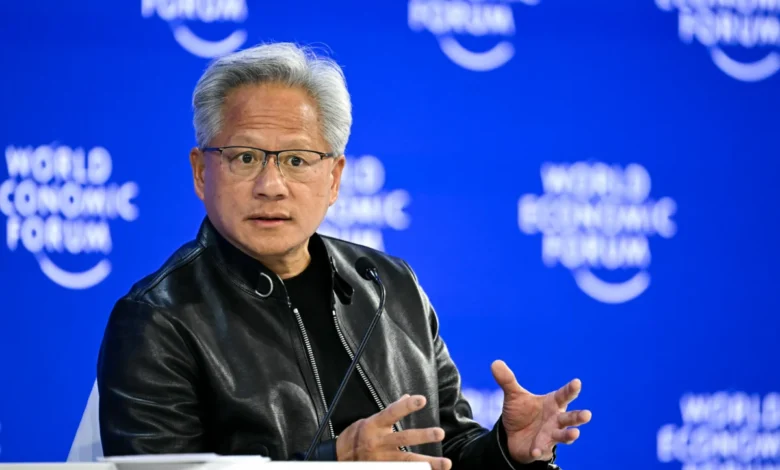
In a moment of unscripted theater that caught even the seasoned venture capitalists of the All-In podcast off guard, Nvidia CEO Jensen Huang received a high-level phone call on Monday morning while on stage at the All-In Summit in Los Angeles. The caller was none other than President Donald Trump, who dialed into the event to offer his perspective on the burgeoning debate surrounding the rapid pace of artificial intelligence development. The incident, which saw the Nvidia chief scrambling to facilitate a speakerphone connection for an audience of thousands, underscored the increasingly blurred lines between Silicon Valley’s technical leadership and the highest echelons of federal policymaking.
The All-In Summit, a high-profile annual gathering hosted by tech investors Chamath Palihapitiya, Jason Calacanis, and White House advisers David Friedberg and David Sacks, has become a nexus for influential discourse on the intersection of technology, finance, and governance. Monday’s session had been focused on the contentious industry debate regarding AI safety and regulation, specifically addressing recent calls by Anthropic CEO Dario Amodei to "pace the frontier" of AI development.
A High-Stakes Conversation on AI Strategy
The tension regarding AI development has split the tech industry. While prominent figures such as OpenAI CEO Sam Altman and SpaceX/Tesla leader Elon Musk have publicly echoed Amodei’s calls for a more cautious, measured approach to scaling AI capabilities, Jensen Huang has consistently advocated for continued, aggressive progress.
When the President joined the call, he framed the caution surrounding AI development as a strategic vulnerability. "The great thing about life is Jensen can develop the most complex computer chip in the world… but he can’t figure out how to put you on speaker," President Trump remarked, breaking the tension as Huang maneuvered to secure an external microphone.
Once the connection was stabilized, the President took a definitive stance on the ongoing calls for AI deceleration. "They’re just playing right in the hands of a lot of people that don’t want to see it happen," Trump said, characterizing the push for caution as a "hoax." He explicitly identified political actors and foreign competitors—specifically naming China—as the primary beneficiaries of a potential slowdown in American innovation. "We’re not going to let that happen. It’s a hoax," the President declared, prompting a supportive response from Huang, who affirmed, "You’re right. We’re not going to let that happen, sir."
The Infrastructure Conflict: Data Centers and Public Sentiment
The conversation touched upon a critical friction point in the AI era: the physical infrastructure required to power large language models. The construction of massive data centers has become a flashpoint for local resistance across the United States. While the President and his allies, including Y Combinator CEO Garry Tan, have publicly characterized the growing skepticism toward data center expansion as an "international psyop" aimed at hindering American economic growth, the roots of the opposition are multifaceted.
Data compiled by Gallup in late 2026 suggests that the public resistance is not necessarily rooted in a coordinated conspiracy, but rather in tangible concerns regarding resources and quality of life. According to the survey, seven in ten Americans now oppose the construction of large-scale data centers in their immediate vicinity. The reasons for this opposition are primarily resource-driven:
- Environmental Impact: Over 50% of respondents cited concerns regarding the strain data centers place on local power grids and water consumption, particularly in regions already facing climate-related resource scarcity.
- Quality of Life and Economics: Approximately 20% of respondents identified the potential for local cost-of-living increases, infrastructure strain, and general disruption to their communities as primary reasons for their opposition.
The President’s comments during the call, however, signaled a clear prioritization of industrial expansion over local regulatory hurdles. "We have to be a little bit careful… We have to do things and we have to do them prudently, but that doesn’t mean we’re going to stop an industry," Trump told the audience. "So I’m with you all the way. I didn’t even know how you felt about it. I just hoped you felt the same way as me. We’re going to lead."
Chronology of the AI Policy Shift
The debate surrounding AI development has accelerated significantly over the past 18 months, characterized by a transition from theoretical safety discussions to tangible regulatory and infrastructure challenges.
- Early 2026: AI safety concerns move to the forefront of the public consciousness as companies like Anthropic and OpenAI warn of the risks associated with the "frontier" of intelligence.
- Mid-2026: Significant pushback begins against the massive energy requirements of new data centers, with states like Massachusetts implementing stricter clean power rules for tech infrastructure.
- Late 2026: The administration appoints new members to the President’s Council of Advisors on Science and Technology, including voices closely aligned with the tech industry, such as David Friedberg and David Sacks.
- Monday Morning: During the All-In Summit, the President publicly aligns his administration with the "accelerationist" view of AI, dismissing calls for a slowdown as a political maneuver.
Broader Implications for Global Competitiveness
The alignment between the White House and leaders like Jensen Huang marks a significant pivot in American technology policy. By framing the "slow down" movement as a foreign-influenced hoax, the administration is signaling a shift toward a more nationalistic approach to AI development. For Nvidia, which remains the primary supplier of the high-end GPUs necessary to train modern AI models, this presidential endorsement provides a clear mandate to continue scaling production despite domestic environmental or regulatory opposition.
Analysts suggest that this dialogue reflects a broader "Great Power Competition" mindset. If the administration views AI as the definitive arena for 21st-century economic and military superiority, the regulatory environment may soon pivot toward prioritizing speed and capacity over the precautionary principles that have been the hallmark of AI safety research.
However, the divergence between the White House’s rhetoric and the reality of local public opinion presents a challenge for the tech industry. Even with full executive backing, data center developers must navigate a complex web of state and municipal laws. The tension between the need for massive computing power and the necessity of sustainable infrastructure will likely continue to define the landscape of American technology policy throughout the coming fiscal cycle.
Official Reactions and Industry Outlook
While neither OpenAI nor Anthropic issued an immediate official statement in response to the President’s comments, industry observers note that the divide between "safety-first" firms and "accelerationist" firms has reached a breaking point. The public nature of the call, facilitated by the hosts of the All-In podcast, effectively serves as a public policy directive.
For the participants at the summit, the takeaway was clear: the federal government intends to clear the path for the AI industry to expand without significant interference, viewing any opposition as a barrier to national security. Whether this high-level support will be sufficient to mitigate the grassroots concerns over water usage, energy prices, and land use remains the central question for the industry’s long-term sustainability. As the administration prepares its next phase of tech-sector support, the focus will likely shift to streamlining the federal permitting process for large-scale energy projects, ensuring that the chips being produced by companies like Nvidia have the power required to operate at scale.
Related posts: