How the Fedora Design Team Successfully Hosted the Inaugural Creative Freedom Summit Using Open Source Tools

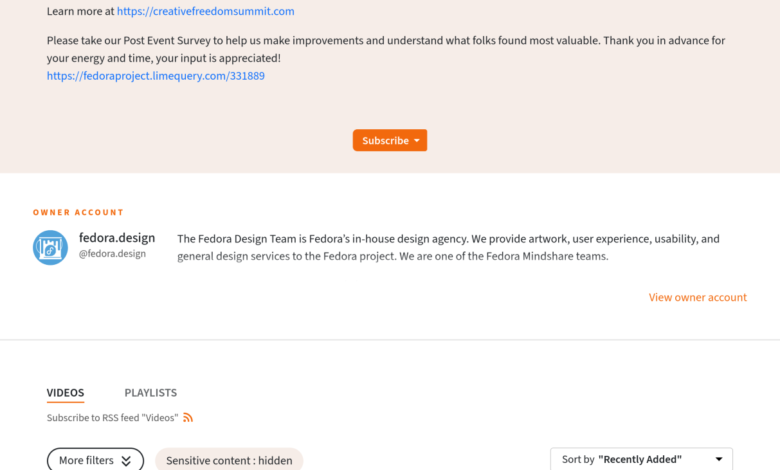
The Fedora Design Team has demonstrated that virtual conferences can be effectively managed using entirely open source software following the successful execution of the first-ever Creative Freedom Summit in January 2023. Historically, open source communities have often relied on proprietary platforms such as Hopin to deliver professional virtual event experiences complete with sponsor booths, multi-track streams, and moderated chats. However, the decision by the Fedora Design Team to construct a purely open-source infrastructure marks a significant milestone in aligning community values with technical execution. This initiative highlights both the viability and the administrative challenges of deploying a decentralized tech stack for global virtual events.
Background Context and Origins of the Summit
The conceptual framework for the Creative Freedom Summit originated in August 2022 during the review of talk submissions for Flock, the annual conference for Fedora users and contributors. Marie Nordin, a prominent organizer within the Fedora community, noted an unprecedented volume of presentation proposals centered on open source design, digital creativity, and multimedia production using free software. Because the traditional Flock agenda possessed strict capacity limits, many compelling submissions addressing creative workflows had to be declined.
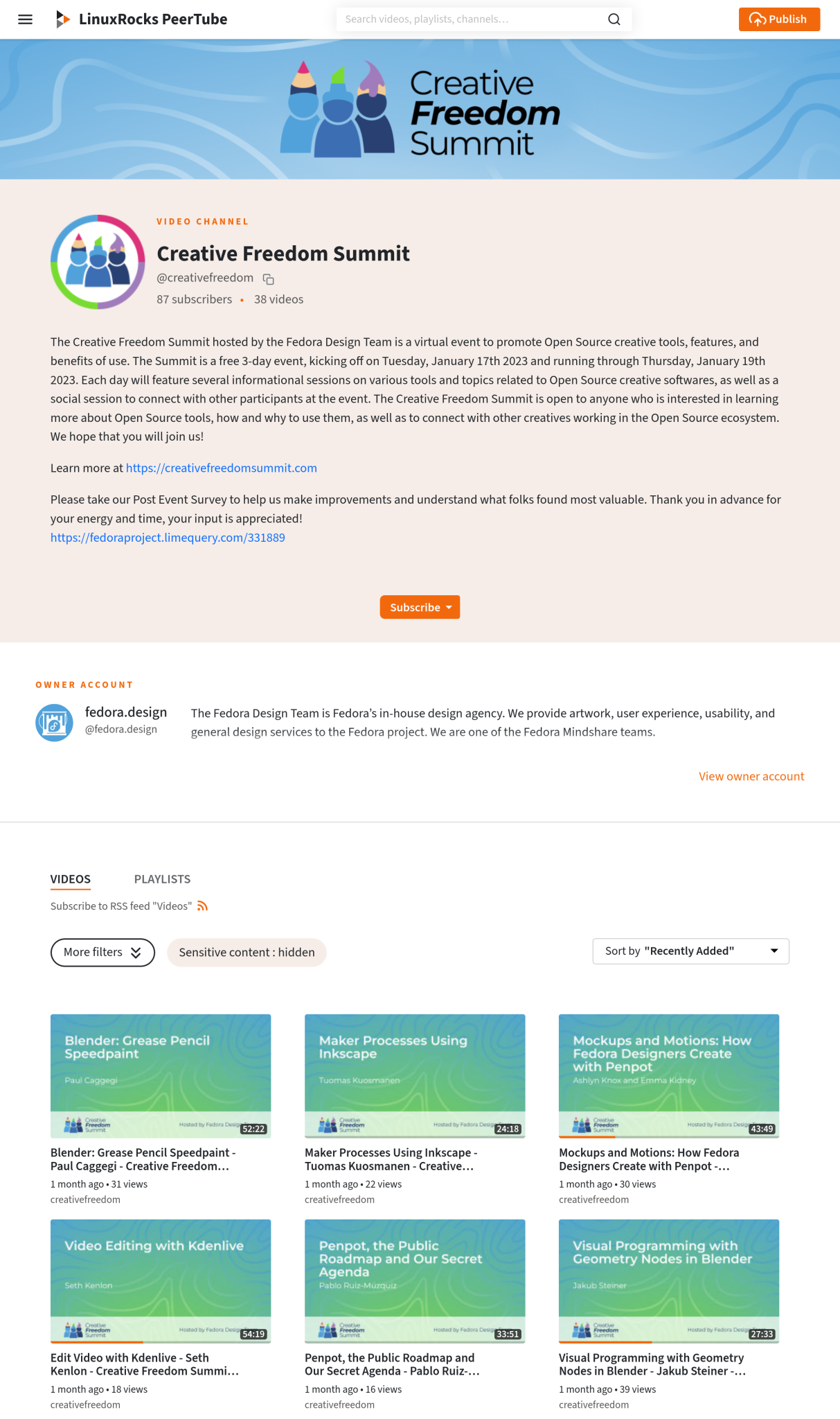
Recognizing an underserved niche within the broader open source ecosystem, Nordin brought forth the idea of establishing a dedicated, standalone event. The objective was to create a digital venue specifically tailored for artists, designers, and multimedia professionals who leverage open source tools such as Blender, Inkscape, Kdenlive, and GIMP in their daily practices. Following a brief planning phase initiated by the Fedora Design Team in the autumn of 2022, the inaugural Creative Freedom Summit was scheduled and executed between January 17 and 19, 2023. Due to the rapid deployment timeline, organizers opted to curate the speaker roster via direct invitations drawn from the previous Flock submissions and personal professional networks, achieving an exceptionally high acceptance rate among invited presenters.
Strategic Considerations: Open Source Principles Versus Proprietary Platforms

For nearly two decades, open source advocates have wrestled with a philosophical dilemma: utilizing proprietary software to host events that celebrate open source ideals. While platforms like Hopin offer robust, out-of-the-box infrastructure for ticketing, multi-track management, and attendee networking, they run counter to the core philosophy of software freedom. Conversely, attempting to orchestrate a virtual conference entirely through self-hosted or decentralized open source utilities introduces significant technical overhead, coordination complexity, and a higher risk of operational friction.
When organizing the Creative Freedom Summit, the planning committee operated under strict financial constraints, running the event with virtually zero budget. However, the project benefited from existing technical assets, including the Fedora Matrix server infrastructure, a hosted WordPress environment for the official web portal, and technical expertise gained from hosting weekly video conferences via PeerTube. The organizers intentionally designed the event to be a low-key, single-track conference, which afforded a measured tolerance for minor technical glitches or unrefined user interfaces in exchange for complete technological autonomy.
The Open Source Tech Stack: Architecture and Live Components
To bring the conference to life, the organizing committee assembled a decentralized, multi-layered technology stack comprising several distinct open-source applications. The live production environment relied on Jitsi Meet for the primary presentation stage, LinuxRocks PeerTube for public livestreaming and instantaneous video archiving, and Matrix (accessed via the Element client) for real-time attendee communication and community engagement.
For post-event archiving and community collaboration, the team integrated HackMD for live scheduling and Q&A aggregation, LimeSurvey for feedback collection, GitLab for task tracking during video post-production, and Kdenlive alongside OBS Studio for multimedia editing and automated subtitle generation. Website deployment was handled via WordPress on WPengine, utilizing an embedded schedule framework from sched.org.
Livestreaming and Instant Archiving with PeerTube
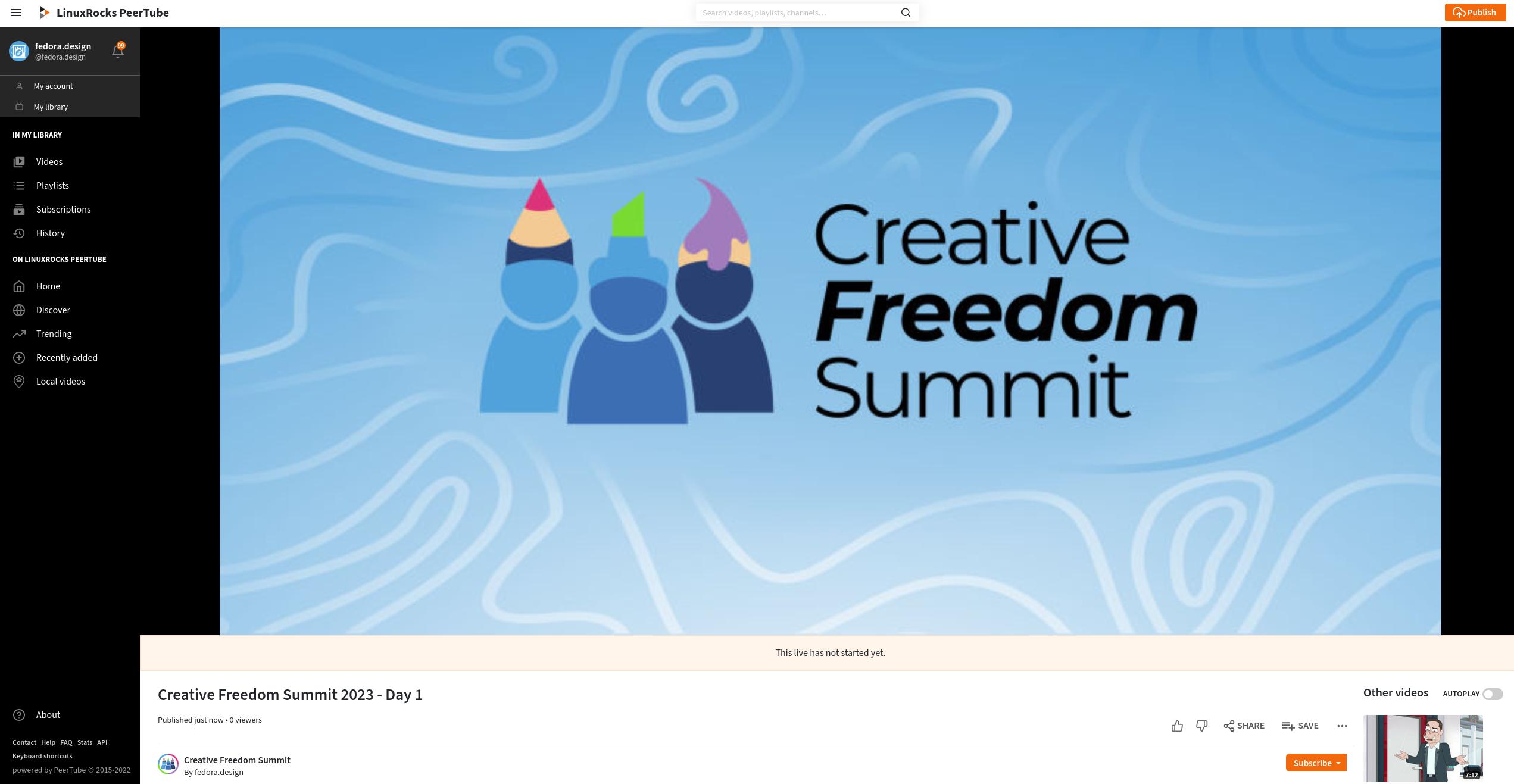
A cornerstone of the summit’s technical success was the utilization of the LinuxRocks PeerTube platform, generously hosted by the LinuxRocks.online community. PeerTube is a free, decentralized video hosting platform built on ActivityPub technology, integrating seamlessly into the broader Fediverse.
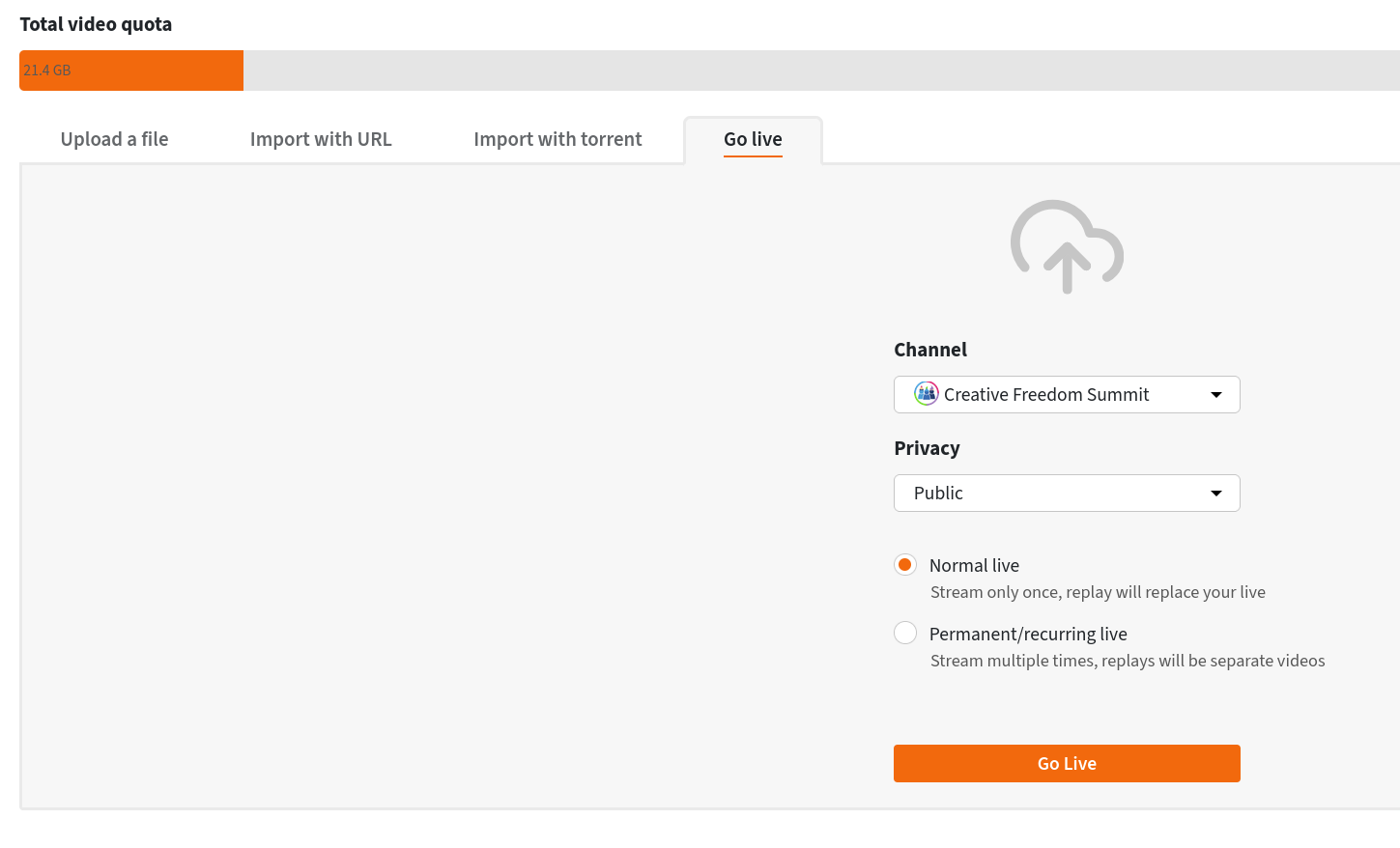
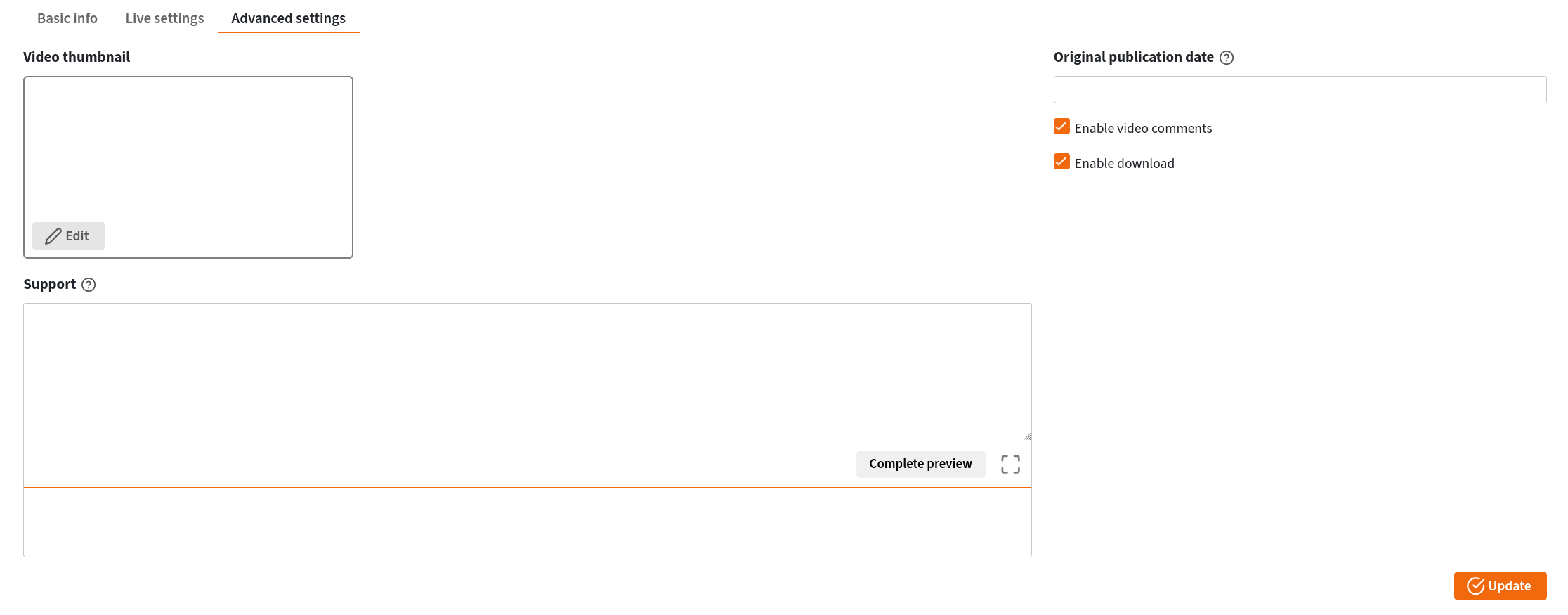
Unlike traditional centralized streaming services, PeerTube offers a distinct automation feature: upon the termination of a live broadcast, the platform immediately generates and publishes a replay recording directly to the designated channel without requiring manual intervention, file rendering, or delayed uploading. This capability proved exceptionally popular among conference attendees, who could review missed sessions within minutes of their conclusion.
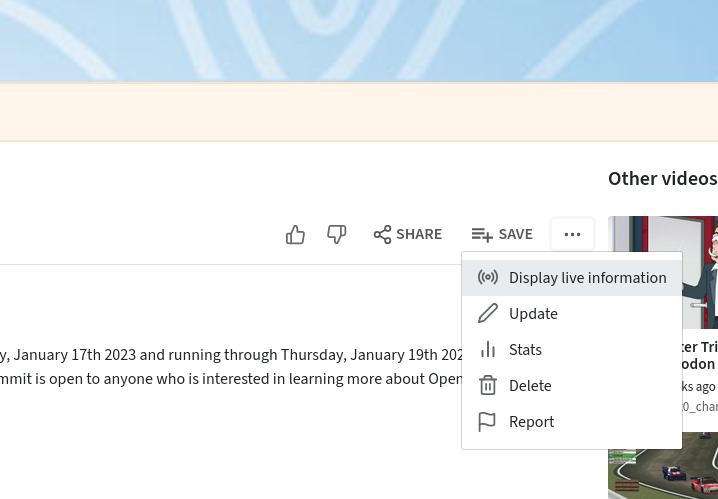
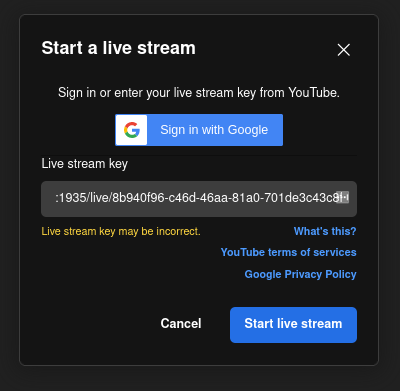
Operationally, the organizing committee simplified broadcast logistics by establishing a reusable RTMP livestream URL and authorization key within PeerTube. By sharing this single credential set across a secure administrative document, multiple rotating volunteer hosts could initiate broadcasts throughout the multi-day event without needing to generate new endpoints for individual presentations.
Virtual Stage Management via Jitsi Meet
The live presentation environment utilized Jitsi Meet, an open-source, web-based video conferencing platform. Organizers generated a custom meeting room at meet.jit.si, restricting access credentials exclusively to speakers and event moderators.
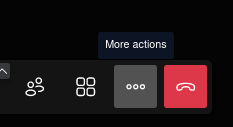
To maintain professional broadcast standards and prevent unauthorized interruptions, the meeting room was configured with a virtual lobby. This feature allowed incoming speakers to assemble minutes before their scheduled time while hosts admitted them seamlessly upon the conclusion of the preceding session. Furthermore, Jitsi’s native RTMP streaming capability enabled real-time broadcasting directly to the PeerTube channel. Presenters utilized screen-sharing functionalities to display slide decks and execute live software demonstrations directly from their local machines.
Backstage Coordination and Centralized Engagement via Element and Matrix
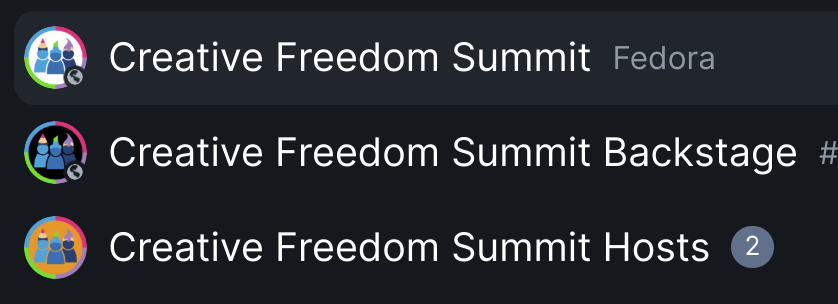
Behind-the-scenes communication among speakers, moderators, and technical staff was managed through a dedicated, invite-only chat room established on the Fedora Matrix server and accessed via the Element client. This backstage channel served as an operational nerve center, enabling organizers to manage schedule adjustments, coordinate speaker handoffs in real time, and swiftly accommodate emergency schedule changes when a presenter encountered unexpected conflicts.
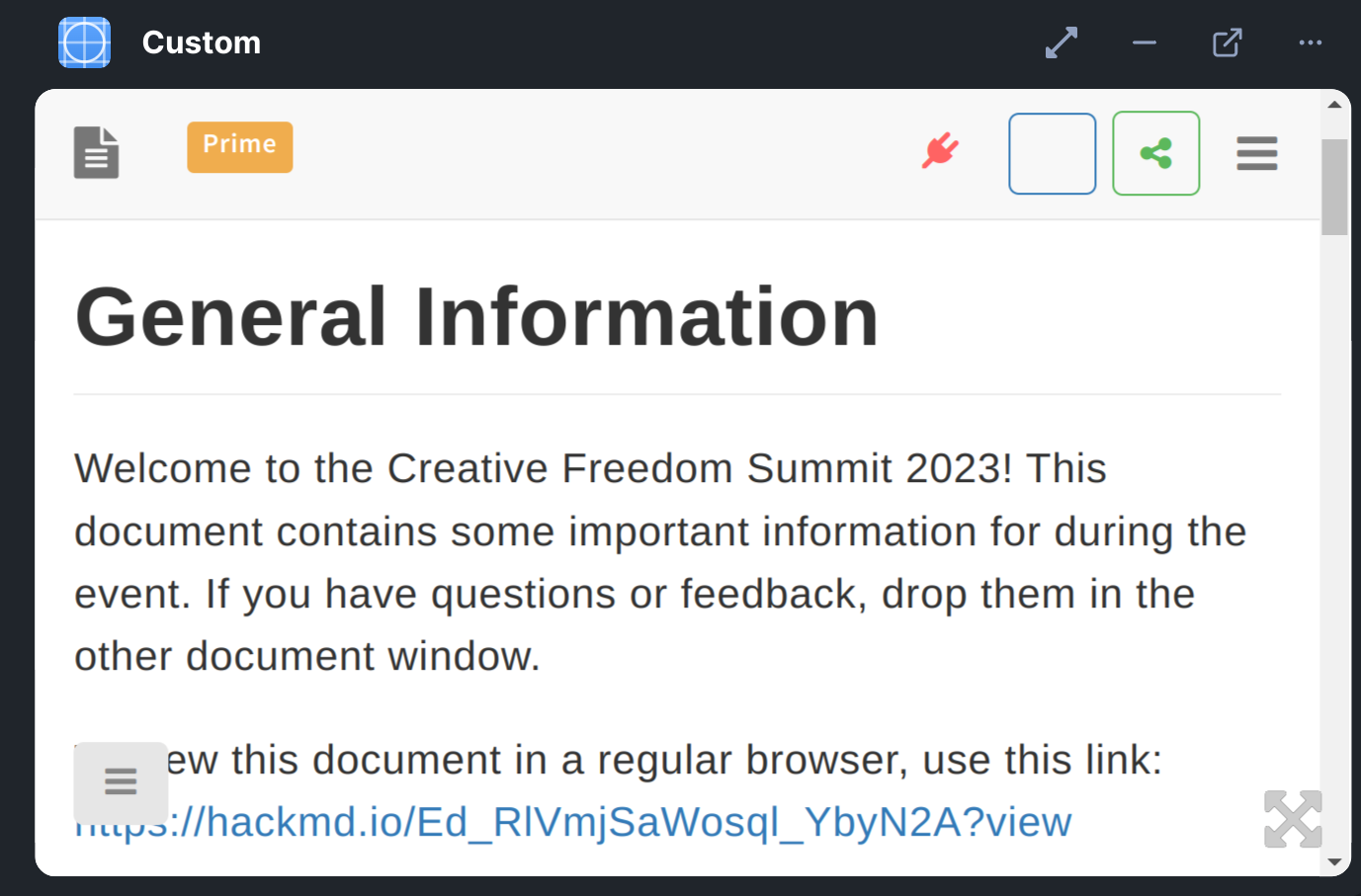
For general attendees, the Matrix chat room functioned as the primary, centralized venue for the entire conference experience. Utilizing Matrix’s advanced widget architecture, organizers embedded both the live PeerTube video stream and a collaborative HackMD document directly into the chat interface. This setup allowed participants to view presentations, read daily schedules, review codes of conduct, and submit questions for speaker Q&A sessions within a single, unified window.
Post-Event Workflows, Analysis, and Community Contributions
Following the conclusion of the summit, organizers initiated a comprehensive evaluation phase utilizing LimeSurvey to gather participant feedback and identify operational areas requiring refinement for subsequent iterations. Key insights from the post-event surveys underscored the critical need for integrated live captioning, improved audio feedback management, and streamlined video post-production workflows.
To address video archiving at scale, the Fedora Design Team mobilized a volunteer corps through GitLab epics to handle post-event editing. Raw recordings retrieved from PeerTube were processed using Kdenlive, an open-source video editor equipped with automated speech-to-text subtitle generation capabilities. Volunteers enhanced the visual presentation by adding standardized title cards, intro and outro music, and correcting auto-generated transcript errors before republishing the finalized talks to the official PeerTube repository.
Implications and Future Outlook
The inaugural Creative Freedom Summit demonstrated that volunteer-driven open-source communities can successfully orchestrate complex, professional-grade virtual conferences without relying on proprietary infrastructure. By strategically combining decentralized tools such as PeerTube, Jitsi, Matrix, and WordPress, the Fedora Design Team established a replicable architectural blueprint for future open source events.
As the organizing committee prepares for subsequent summits, lessons learned regarding audio feedback mitigation, automated live captioning, and structured volunteer coordination will further refine the open source event-hosting model. Communities interested in adopting similar decentralized frameworks can engage with the organizing team directly via the Fedora Matrix channel at matrix.to/#/#creativefreedom:fedora.im, paving the way for greater technological self-reliance across the open-source ecosystem.