Author And Educator Michael Driscoll Announces Kickstarter Campaign For The Highly Anticipated Third Edition Of Python 101

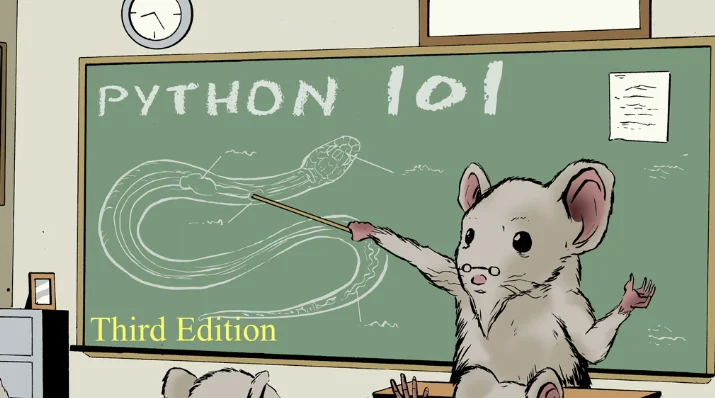
The landscape of computer programming education is experiencing a significant shift as veteran author and software developer Michael Driscoll formally announces the launch of a crowdfunding campaign for the third edition of his acclaimed instructional text, Python 101. Hosted on the Kickstarter platform, the initiative aims to secure the necessary capital to write, edit, produce, and publish a comprehensive update to a book that has served as an entry point for thousands of aspiring coders over the past decade. As Python continues to dominate global programming language indices, the release of an updated, beginner-centric resource arrives at a critical juncture for both self-taught developers and academic institutions seeking modern, accessible pedagogical materials.
Main Facts of the Campaign and Book Revision
The Kickstarter campaign for Python 101: 3rd Edition seeks to modernize a foundational programming text to reflect the contemporary realities of the Python ecosystem. Michael Driscoll, recognized globally for his contributions to the Python community through his extensive writing, blogging at Python Library, and previous publication credits—including Python 101, Python 201, and WxPython in Action—has structured the campaign to guarantee high editorial and production standards.
The primary objective of this new edition is to bridge the gap between legacy programming paradigms and modern Python standards. While the core philosophy of making coding approachable, practical, and enjoyable remains unchanged, the underlying technological landscape has shifted dramatically. The third edition will incorporate modern language syntax, updated standard libraries, and contemporary coding best practices that align with current industry standards.
The campaign utilizes Kickstarter not merely as a sales storefront, but as a community-driven funding model. Financial contributions will directly subsidize professional editing, layout design, technical peer review, and digital and physical production costs. Backers of the campaign are offered a tiered reward system, ranging from digital copies of the book and exclusive source code repositories to early-access chapters and special acknowledgments in the final publication.
Chronology and Historical Context of Python 101
To understand the significance of the third edition, it is necessary to examine the chronological evolution of the Python 101 franchise within the broader context of computer science education. When the first edition of the book was originally conceptualized and published, Python was rapidly ascending as a preferred language for web development, system administration, and nascent data science applications. However, beginner resources at the time were frequently divided into two unappealing categories: dense, academic textbooks designed for university computer science majors, or overly simplistic tutorials that failed to prepare students for real-world application development.
Driscoll identified a distinct market gap for a text that combined gentle, step-by-step instruction with practical utility. The subsequent success of the first and second editions established the book as a staple recommendation within Python user groups, online forums, and coding bootcamps. Over the years, as Python transitioned through major version milestones—specifically the stabilization and widespread adoption of Python 3.x—the gap between older instructional texts and the modern language environment widened.
The decision to develop a third edition began taking shape as Driscoll observed recurring pain points among newer students attempting to learn from outdated materials. Features introduced in recent Python releases, such as structural pattern matching, improved error messages, and advanced type hinting practices, rendered older instructional examples obsolete or overly complex for novices. The current Kickstarter campaign represents the culmination of months of preliminary outlining and structural reorganization, designed to bring the curriculum completely up to date.
Supporting Data and the Rise of Python in Global Technology
The demand for updated Python educational materials is underscored by an overwhelming volume of industry data highlighting the language’s unprecedented growth. According to the TIOBE Index, the PyPL (PopularitY of Programming Language) Index, and extensive annual developer surveys conducted by platforms such as Stack Overflow, Python has consistently ranked as either the top programming language or among the top three globally for several consecutive years.
This dominance is driven by several macroeconomic and technological factors. Python serves as the foundational language for the explosive growth of artificial intelligence (AI), machine learning (ML), data science, and automated data processing. Because organizations across finance, healthcare, biotechnology, and enterprise software engineering rely heavily on Python-based infrastructure, the pipeline for entry-level talent remains perpetually strained.
Data from labor market analytics firms indicate that entry-level job postings requiring Python proficiency have expanded by over 200 percent over the past decade. Despite this immense demand, educational bottlenecks persist. Many prospective developers face steep learning curves due to poorly structured documentation or rapid language updates that outpace traditional textbook publishing cycles. By crowd-funding the third edition of Python 101, Driscoll aims to bypass traditional publishing delays, ensuring that students receive curriculum updates that mirror current industry requirements in real time.
Target Audience and Accessibility in Modern Programming
A core tenet of the Python 101 project is its unwavering focus on absolute beginners. Modern technological literacy increasingly demands a basic understanding of computational logic, yet formal computer science education remains inaccessible or intimidating to many career switchers, non-traditional students, self-taught hobbyists, and younger learners.
The forthcoming third edition is intentionally engineered to accommodate individuals with zero prior programming experience. The pedagogical framework utilizes a scaffolded learning approach, breaking down abstract concepts—such as variables, control flow, loops, functions, and object-oriented programming—into digestible, modular lessons. Each chapter is paired with practical exercises designed to reinforce theoretical knowledge through hands-on application.
Furthermore, the book addresses the diverse motivations of its readership. Whether a student is learning Python to automate tedious administrative tasks in a non-technical profession, build personal automation scripts, or lay the groundwork for a professional software engineering career, the curriculum emphasizes transferable problem-solving skills. By stripping away academic jargon and prioritizing clear, conversational explanations, the text democratizes entry into the software development sector.
Official Statements and Community Reception
In statements accompanying the Kickstarter launch, Michael Driscoll emphasized the collaborative nature of technical authorship, describing the book as a joint venture between the writer and the reading community.
"Writing technical books is never a solitary endeavor; it is a continuous dialogue between the author and the learners who put the code into practice," Driscoll noted in project announcements. "Over the years, the feedback, bug reports, questions, and encouragement from readers of previous editions have been invaluable. The third edition is designed to honor that community investment by delivering the most polished, comprehensive, and up-to-date guide possible."
Early reception from the broader developer and education communities has been swift and overwhelmingly positive. Within hours of going live, the Kickstarter campaign attracted substantial backing from both individual learners and corporate sponsors seeking to support open educational resources. Prominent figures within the Python community have taken to social media and developer forums to endorse the campaign, citing Driscoll’s proven track record of producing reliable, clear, and pedagogically sound programming literature.
Broader Impact and Implications for Tech Education
The success of crowd-funded technical literature like Python 101: 3rd Edition highlights a broader structural evolution in how educational resources are funded, validated, and distributed. Traditional academic publishing houses often impose rigid formatting constraints, high retail pricing models, and extended production timelines that leave technical books outdated before they even hit bookstore shelves.
By leveraging platforms like Kickstarter, authors maintain editorial independence while establishing a direct feedback loop with their end-users. This direct-to-consumer model ensures that capital is allocated efficiently toward what matters most: rigorous technical review, comprehensive code testing, and clear instructional design.
For the broader technology sector, the proliferation of high-quality, accessible beginner texts has a direct stabilizing effect on talent pipelines. As industries race to integrate automation, data analytics, and machine learning into their daily operations, the bottleneck is rarely a lack of computational hardware, but rather a shortage of humans trained in foundational logic. Books that successfully lower the barrier to entry—without sacrificing technical accuracy—play a vital systemic role in expanding the digital workforce.
Conclusion and Future Outlook
As the Kickstarter campaign for Python 101: 3rd Edition progresses toward its funding milestones, the project stands as a testament to the enduring viability of community-supported publishing. For Michael Driscoll, the campaign marks the beginning of an intensive writing and production cycle aimed at delivering the finished volume to backers according to the projected project timeline.
For the thousands of prospective programmers waiting in the wings, the forthcoming book offers a reliable, modern, and carefully crafted gateway into the world of software development. As Python cements its status as the lingua franca of modern technology, resources that make the language approachable to all remain as vital as ever. Detailed information regarding pledge tiers, project milestones, and chapter outlines can be found directly on the official Kickstarter project page.