Googlebook Unveils Powerful New Linux Terminal to Supercharge Agentic AI Development and Workflow Automation

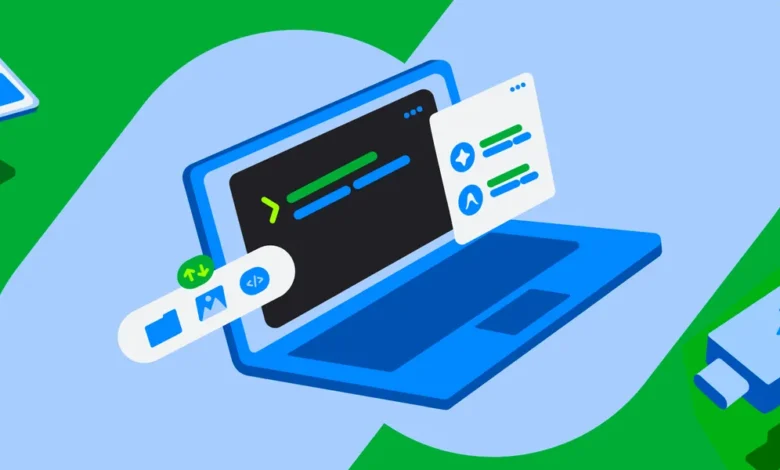
The integration of advanced artificial intelligence into daily productivity workflows has fundamentally shifted the requirements for modern computing devices, necessitating a bridge between user-friendly interfaces and the raw power of command-line operations. Recognizing this evolution, Googlebook has officially introduced a robust Linux terminal environment, now available in preview, designed to democratize access to sophisticated AI development tools for both casual users and professional software engineers. This initiative marks a significant milestone in the evolution of the platform, transforming it from a web-centric operating system into a high-performance workstation capable of supporting the next generation of agentic AI workflows.
The Strategic Shift Toward Agentic AI Integration
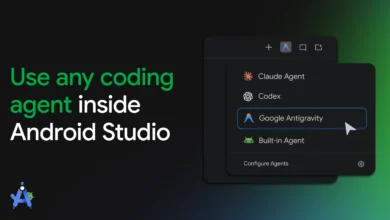
In the current landscape of artificial intelligence, "agentic" workflows—systems where AI models independently execute complex, multi-step tasks—are becoming the industry standard. These agents frequently require access to low-level system operations, including file manipulation, package installation, and real-time environment configuration. Previously, these tasks were largely restricted to high-end development environments. By bringing a native Linux terminal to the Googlebook ecosystem, the company is lowering the barrier to entry for users who wish to leverage AI agents like Antigravity to automate mundane tasks or build custom software solutions.
This terminal does not merely serve as a window into a remote server; it acts as a fully functional, Debian-based Linux environment running locally on the device. This allows users to execute standard command-line instructions (apt, git, ssh, and various compiler runtimes) directly within their primary computing device. For the average user, this means the ability to run Python scripts to batch-process photos from their Android phone or automate email workflows. For developers, it means the ability to prototype applications, compile code, and manage server-side environments without the need for secondary hardware.
Architecture and Security: A Defense-in-Depth Approach
One of the primary concerns regarding the introduction of deep-level system access on consumer devices is security. Googlebook has addressed this by implementing a rigorous "defense-in-depth" architecture. The Linux terminal operates entirely within an isolated virtual machine (VM) sandbox, ensuring that any actions taken—even those requiring sudo or administrative privileges—remain contained within the VM boundary.
This sandboxing serves a dual purpose: it empowers the user to experiment freely with AI agents that require high-level system permissions, while simultaneously protecting the host operating system from potential corruption or unauthorized file access. The VM environment is strictly gated; directories from the host file system are only mounted into the Linux environment upon the user’s explicit consent. Furthermore, the inclusion of a one-click VM reset feature provides a "safety valve" for users. Should a user inadvertently misconfigure their environment or encounter system instability during a coding session, they can revert the Linux state to a factory default without losing any personal data stored on the host file system.
Timeline and Developmental Roadmap
The introduction of this feature is the result of a multi-year effort to refine the interoperability between the Googlebook host OS and containerized Linux workloads.
- Early 2023: Initial engineering discussions focused on the demand for advanced developer tools on low-power, portable hardware.
- Late 2023: Internal testing began on VM isolation techniques and file-sharing protocols between the host OS and the Debian environment.
- Q1 2024: The "preview" phase was launched for a select group of beta testers, focusing on stability, port forwarding, and memory management optimization.
- Current Phase: The public preview is now rolling out, with a focus on gathering user feedback via community channels such as Reddit and official support forums.
Looking toward the future, the development roadmap indicates a clear intent to move beyond text-based command-line interactions. The company has explicitly stated that future iterations will include support for Linux Graphical User Interface (GUI) applications. This integration will be seamless, with Linux-based programs appearing directly within the Googlebook app launcher, further blurring the lines between native applications and virtualized Linux software.
Technical Performance and User Customization
The terminal environment is designed with performance optimization as a priority. By allowing users to adjust the memory allocation for the VM, the system ensures that resource-heavy tasks—such as compiling the Linux kernel or running complex Node.js or Rust runtimes—do not starve the host OS of necessary resources.
Key technical specifications of the current preview include:
- Automatic Port Forwarding: Localhost services launched within the Linux environment are automatically mapped to the host browser, allowing developers to view web-based prototypes instantly.
- Cross-Platform Compatibility: The system supports a wide range of modern runtimes, including Ruby, Go, Python, and Node.js, making it highly versatile for web and platform development.
- File System Integration: Files within the Linux environment are visible through the Googlebook Files app, facilitating a seamless workflow between cloud-synced Android data and local Linux processing scripts.
Broader Implications for the Tech Ecosystem
The implications of this move are significant. By providing a Linux environment, Googlebook is effectively competing with traditional laptop manufacturers that have long held a monopoly on developer-grade hardware. By catering to the "agentic" AI market, the company is positioning its hardware as the primary vessel for the future of human-computer interaction.
Industry analysts suggest that this strategy could drive significant adoption among non-traditional developers—students, data enthusiasts, and power users who were previously intimidated by the complexity of dual-booting Linux or managing remote servers. By "packaging" Linux in a safe, easy-to-reset sandbox, the company is effectively lowering the cost of experimentation.
Official Response and Community Engagement
The reception from the developer community has been largely positive, with early adopters praising the speed and the ease of integration with local files. The company has encouraged this collaborative approach, maintaining active communication channels on platforms like Reddit to iterate on the preview based on real-world usage.
"We’ve seen our own engineers using these terminals for platform engineering and building the Linux kernel," a spokesperson noted during the announcement. "The goal is to turn the Googlebook into a tool that scales with the user’s expertise. Whether you are writing a simple Python script to organize your photos or architecting a complex AI agent, the terminal provides the necessary foundation."
As the preview continues, the focus will remain on stability, security patches, and expanding the library of supported GUI applications. For those looking to participate, the current build provides a robust, if experimental, glimpse into a future where the distinction between a "consumer" device and a "developer" workstation is effectively eliminated. This evolution confirms that for the modern user, the terminal is no longer an optional accessory for the tech-savvy, but a fundamental requirement for anyone looking to harness the full potential of artificial intelligence in the modern digital age.