Google Play Unveils Next Generation of Discovery Tools and Developer Growth Programs to Shape the Future of App Ecosystems

Google has officially entered the next chapter of its "More than a store" vision for the Google Play platform, introducing a comprehensive suite of tools designed to refine how users interact with applications and how developers monetize their creations. This strategic pivot focuses on deep personalization, social integration, and performance-based incentives, aiming to bridge the gap between discovery and sustainable business growth for millions of developers worldwide. The updates, which began rolling out in October 2026, represent the most significant structural adjustment to the Play Store’s discovery engine in recent years.
The Evolution of the User Experience
The central component of this rollout is the refinement of the "You" tab, which has been reimagined as a centralized, personalized home base for users. By leveraging advanced machine learning algorithms, Google is attempting to move away from a static storefront model toward a dynamic, interest-based discovery environment. This shift is intended to help users navigate a catalog of millions of apps by presenting content that aligns with their specific usage patterns and preferences.
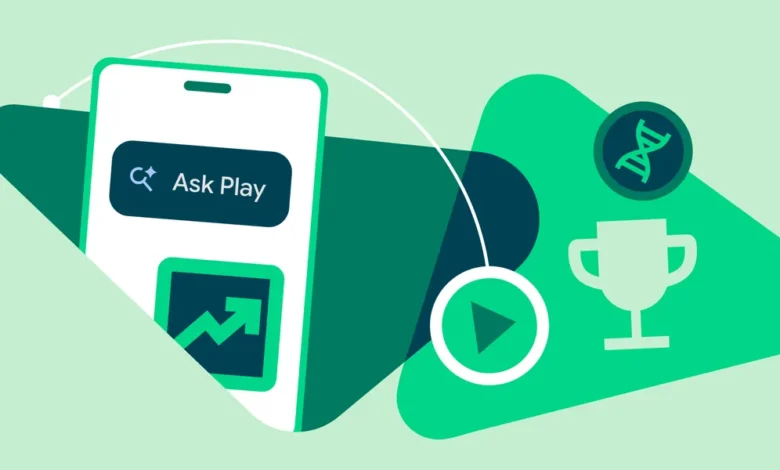
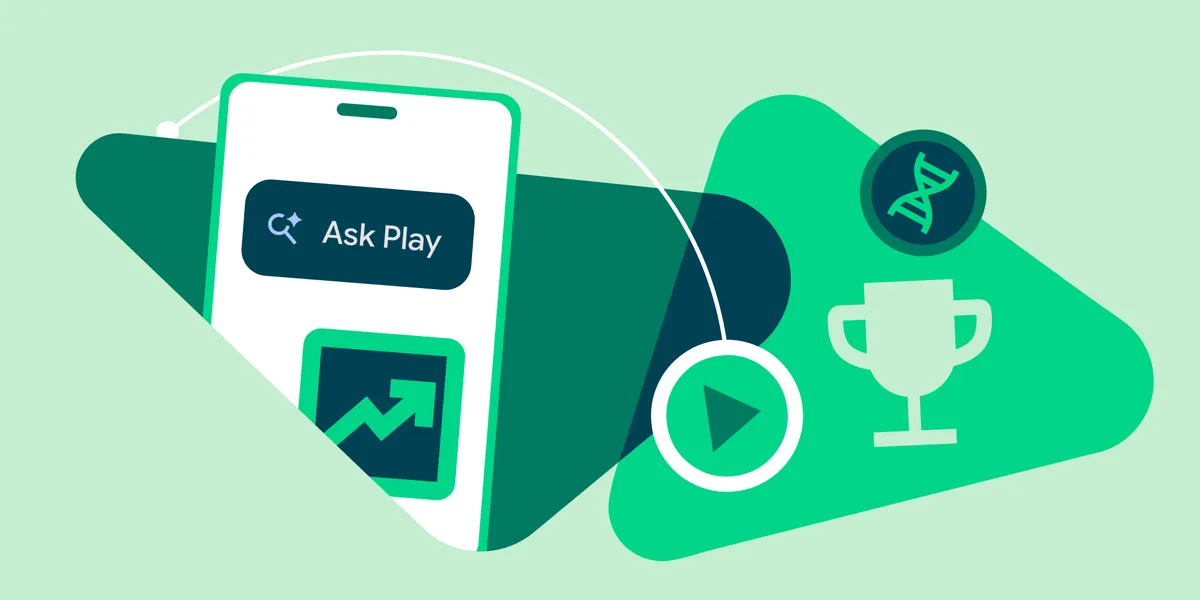
Beyond the interface updates, Google is integrating its Play ecosystem directly into the broader Gemini AI environment. This integration allows users to discover, evaluate, and potentially install applications through natural language interactions. By incorporating "Ask Play" and game-specific discovery tools into the Gemini app, Google is effectively decentralizing the Play Store, allowing its utility to exist wherever the user is currently engaged within the Android ecosystem.
Chronology of the 2026 Platform Pivot
The current suite of updates is the culmination of a roadmap initiated at the I/O 2026 developer conference held in May. The transition timeline is as follows:
- May 2026: During the I/O keynote, Google teased the integration of generative AI into the discovery process, signaling a move toward conversational search for apps.
- August 2026: Beta testing began for the Play Games Sidekick, a feature designed to foster community among the more than 2 billion active players on the platform.
- October 2026: The official launch of the "More than a store" updates, featuring the revamped "You" tab and the introduction of new social engagement APIs.
- Late 2026 (Scheduled): Expansion of the Apps Experience and Level Up programs into the Korean market, marking the completion of the current phase of international rollout.
Deepening Engagement Through Social Mechanics
One of the most significant challenges for mobile developers is user retention. To address this, Google has introduced a suite of tools centered on "Play Games Sidekick," which facilitates social competition and reward distribution. By integrating Game Stats and Play Games Rewards, developers can now provide players with a shared social context, allowing them to track progress, challenge friends, and earn extrinsic rewards that are recognized globally within the Play ecosystem.
The data suggests that these social features are not merely peripheral but are critical drivers of long-term value. According to internal metrics provided by developers who participated in the early access program, the implementation of these social hooks has led to a marked increase in daily active user (DAU) counts. For instance, titles that implemented these social mechanics saw improved retention rates as players became more invested in the community aspect of the games.
Economic Implications and Quality Programs
Google’s economic strategy remains anchored in its Apps Experience and Level Up programs. These initiatives are designed to incentivize high-quality development by offering lower service fees to studios that meet specific performance and engagement benchmarks.

The financial success of these programs is supported by case studies from major industry players. Titles such as PUBG MOBILE, Summoners War, and Fruit Ninja have served as early benchmarks for the Level Up program. Analysis of these implementations reveals that prioritizing technical performance—such as improved graphics rendering and latency reduction—combined with social features like Leagues and Quests, yields tangible financial returns. Specifically, PUBG MOBILE reported a 22% increase in new installs from high-value players and a 62% uplift in spending per buyer following the integration of these standardized quality features.
The programs are currently active in Australia, Japan, the European Economic Area, the United Kingdom, and the United States, with a planned expansion into South Korea by the end of 2026. By tying service fee structures to technical performance, Google is attempting to standardize the quality of the Android app ecosystem, effectively using economic levers to force a rise in the average standard of software development.
Analysis: A Shift Toward Ecosystem Retention
The implications of these changes for the broader tech industry are significant. Google is clearly positioning its platform to compete not just on the volume of apps available, but on the "stickiness" of the platform itself. By embedding Play features into the Gemini AI, Google is mitigating the risk of users relying on third-party discovery channels or alternative app stores.
Furthermore, the "visual refresh" of the Play Console, which streamlines the developer workflow, suggests that Google is attempting to lower the barrier to entry for managing complex, data-driven applications. For independent developers, the ability to access these advanced engagement tools without requiring massive internal infrastructure is a significant competitive advantage. However, it also creates a landscape where success is increasingly dependent on adherence to Google’s proprietary frameworks.
Industry analysts note that while these tools provide a roadmap for growth, they also deepen the reliance of developers on the Google Play infrastructure. As developers optimize for these specific discovery and engagement features, they are inherently building their business models around the evolving logic of the Play Store’s algorithms.
Looking Ahead
As the rollout continues, the focus for developers will be the successful integration of these new APIs and the refinement of their "Apps Experience" profiles. The visual refresh of the Play Console, while seemingly a minor UI update, is intended to facilitate this, allowing developers to monitor performance metrics in real-time and adjust their strategies accordingly.
The success of these initiatives will likely be measured by the adoption rate of the Level Up guidelines across the broader developer community. If the performance gains observed by the initial test group hold true at scale, the Android ecosystem may see a period of increased stability and higher-quality gaming experiences. Conversely, developers who struggle to meet these performance benchmarks may face increased pressure to differentiate their products in a market that is increasingly curated by algorithmic discovery.
As Google continues to integrate its AI and gaming ecosystems, the line between a "storefront" and a "gaming platform" continues to blur. Whether this transition will effectively create a more sustainable business environment for developers or simply tighten Google’s grip on the mobile software economy remains a subject of ongoing debate among industry observers. For now, the path forward is clear: the future of Google Play is defined by deeper personalization, social connectivity, and a strict adherence to performance-based quality standards. Developers who align with this trajectory are positioned to benefit from the platform’s expanded reach and improved monetization mechanics.