AWS Developer Experience Team Engages with AWS Korea User Group, Highlights Key Innovations and Addresses Billing Incident

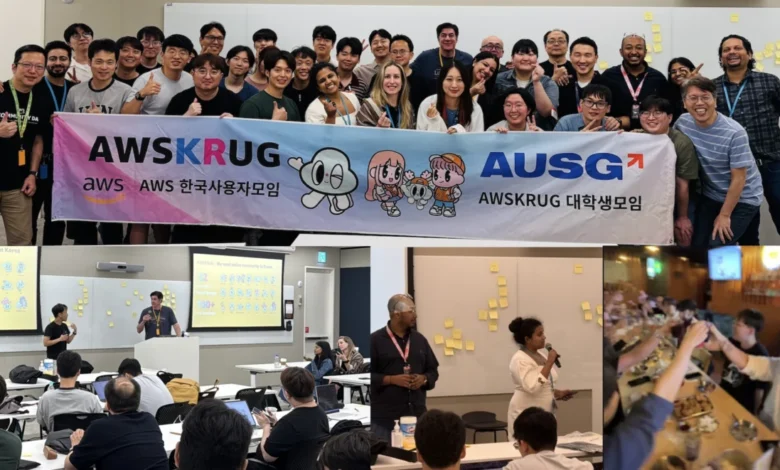
The AWS Developer Experience team recently concluded a productive visit to Seoul, strengthening ties with the AWS Korea User Group (AWSKRUG), the nation’s largest cloud developer community. This engagement underscored AWS’s commitment to fostering developer ecosystems and gathering direct feedback, while also coinciding with the announcement of significant new features and the resolution of a recent billing data incident that affected some customers.
Deepening Community Ties in Seoul
The visit, which took place last week, involved in-depth discussions with leaders representing AWSKRUG’s numerous meetup groups. AWSKRUG operates with remarkable breadth, encompassing over 20 specialized topic and geographically defined groups that collectively organize more than 100 events annually, predominantly in the bustling capital of Seoul. The AWS Developer Experience team’s regular outreach across the Asia-Pacific region is a strategic initiative aimed at understanding the evolving needs and challenges faced by cloud professionals.
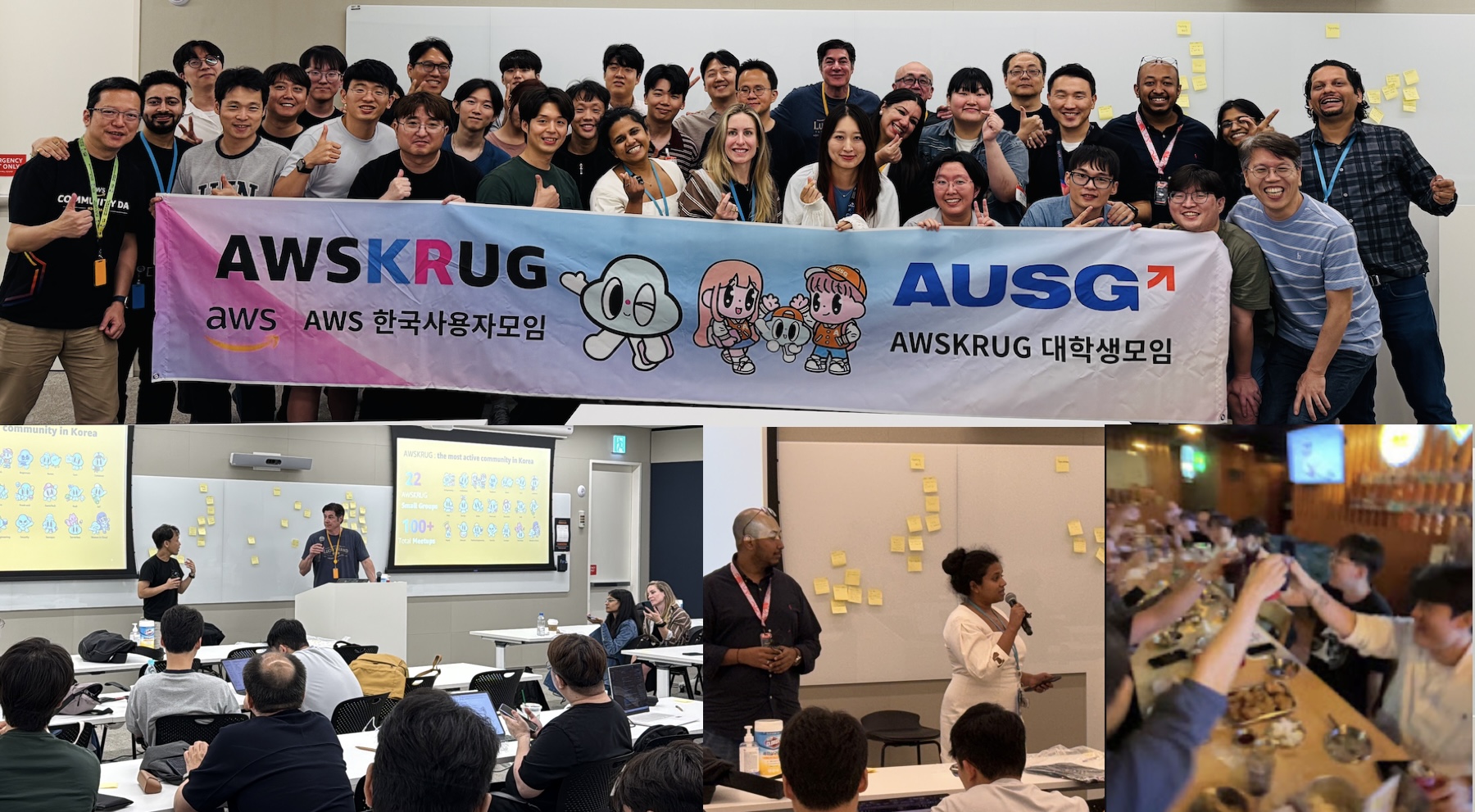
During the Seoul meeting, user group leaders provided candid assessments of their successes in the first half of the year, identified areas requiring improvement, and articulated their expectations from the AWS Developer Experience team. These dialogues are crucial for AWS to align its product development and support strategies with the realities on the ground. The interaction was not solely focused on technical discussions; the team also shared a cultural experience, enjoying a traditional Korean Chimaek (chicken and beer) gathering, a gesture that symbolizes camaraderie and informal knowledge exchange.
The image accompanying the original announcement depicts this collaborative spirit, showing team members and AWSKRUG leaders engaged in conversation, reinforcing the human element of cloud community building. Such direct engagement allows AWS to gain invaluable insights into how its services are being utilized, the pain points developers encounter, and the innovative ways they are pushing the boundaries of cloud technology.
Spotlight on Developer Productivity: Lambda’s One-Click Coding Agent Prompt
A significant highlight from the past week’s AWS announcements, and one that garnered particular attention, is the introduction of a one-click Lambda setup prompt for coding agents. This innovative feature is designed to streamline the integration of serverless development into AI-assisted workflows. By providing a pre-configured prompt, developers can instantly equip their coding agents with essential AWS Serverless skills and the Serverless Model Context Protocol (MCP) server. This embedding of serverless best practices from the outset aims to reduce the learning curve and accelerate the development of serverless applications.
The prompt specifically references the Lambda agent setup guide, a comprehensive resource that includes installation commands for a range of popular AI coding assistants. These include, but are not limited to, Claude Code, Kiro, Cursor, GitHub Copilot, Codex, Devin Desktop, and OpenCode. This broad compatibility ensures that a wide spectrum of developers can leverage this new feature regardless of their preferred development tools.
Getting started with this new functionality is designed to be straightforward. Users can initiate the process directly from the AWS Lambda console by clicking a "Copy agent prompt" button. Alternatively, they can manually copy the URL https://docs.aws.amazon.com/lambda/latest/dg/samples/aws-lambda-agent-setup.md and paste it into their AI agent interface. This approach prioritizes ease of use and accessibility, encouraging wider adoption among the developer community.

Further enhancing the capabilities of coding agents for AWS development is the Agent Toolkit for AWS. This toolkit provides agents with up-to-date AWS knowledge and enables secure access to AWS resources. Developers can install the AWS MCP Server by fetching instructions from https://raw.githubusercontent.com/aws/agent-toolkit-for-aws/refs/heads/main/setup-instructions/setup.md. This combination of the one-click prompt and the Agent Toolkit represents a significant step forward in empowering developers to build and deploy serverless applications more efficiently and securely.
The implications of this feature are substantial for developer productivity. By abstracting away some of the complexities of initial setup and configuration, AWS is enabling developers to focus more on the core logic of their applications. This can lead to faster development cycles, reduced errors, and a more seamless experience for those working with serverless architectures.
Addressing the Billing Data Incident
In parallel with community engagement and new feature rollouts, AWS has also communicated the resolution of a critical operational incident that impacted some customers over the past weekend. Specifically, an issue affected AWS Cost Explorer, leading to the display of inaccurate estimated billing data. Customers relying on Cost Explorer for financial planning and monitoring may have encountered erroneous budget alerts and cost anomaly detection notifications. Furthermore, they might have observed inflated estimated cost and usage figures during the affected period.
AWS has confirmed that the issue has been resolved and that all AWS services are now operating normally. The company has issued an apology for the concern and disruption this incident caused, emphasizing its commitment to conducting a thorough retrospective analysis. The objective of this post-incident review is to identify the root causes and implement measures to prevent similar occurrences in the future, as well as to refine response protocols for billing-related incidents. Customers seeking detailed information about the incident and its resolution can refer to the AWS Health Dashboard.
This incident, while resolved, highlights the critical importance of accurate data for financial management in cloud environments. For businesses operating at scale on AWS, reliable cost visibility is paramount for optimizing expenditure, forecasting budgets, and ensuring financial accountability. The swift resolution and transparent communication from AWS are crucial steps in rebuilding customer confidence following such an event.
Broader Ecosystem Engagement and Events
Beyond specific product launches and operational updates, AWS continues to foster developer engagement through a wide array of events and resources. The AWS ecosystem thrives on continuous learning and community interaction. Developers are encouraged to explore upcoming AWS-led in-person and virtual events, including dedicated startup events and developer-focused gatherings like AWS Summits. These events serve as vital platforms for knowledge sharing, networking, and staying abreast of the latest industry trends and AWS innovations.
The AWS Builder Center serves as a central hub for developers to connect with peers, share solutions, and access a wealth of content designed to support their development journeys. This commitment to providing comprehensive resources and fostering a vibrant community underscores AWS’s long-term strategy of empowering developers worldwide.
A Week of Progress and Commitment
The recent activities highlight a multi-faceted approach by AWS: actively nurturing its global developer communities through direct engagement, pushing the boundaries of developer productivity with innovative tools like the Lambda coding agent prompt, and maintaining a steadfast commitment to operational excellence and transparency by addressing and resolving critical incidents. This blend of community focus, technological advancement, and responsible incident management paints a picture of a cloud provider deeply invested in the success of its users. The engagement with AWSKRUG in Seoul exemplifies the company’s understanding that sustained growth in the cloud era is intrinsically linked to the strength and vitality of its developer ecosystems. As the cloud landscape continues to evolve at an unprecedented pace, these ongoing efforts are critical for ensuring that developers have the tools, support, and knowledge they need to innovate and thrive.