Autonomous Launches Intern 2 A Specialized Hardware Solution For Local AI Agent Deployment And Desk Automation

The landscape of consumer artificial intelligence underwent a significant transformation in early 2026, marked by the rapid ascent of the "OpenClaw" framework. During this period, a burgeoning community of tech enthusiasts and productivity hackers began repurposing general-purpose hardware, such as the Mac Mini, to serve as dedicated hosts for persistent AI agents. These agents, designed to operate around the clock, served as intermediaries for commercial large language models (LLMs) including Claude and ChatGPT. However, the reliance on high-powered, general-purpose computers for what are essentially background inference tasks created a market gap for specialized, energy-efficient hardware. Autonomous, a company that previously pivoted from personal robotics to ergonomic office furniture, has addressed this demand with the release of the Intern 2, a dedicated desk companion designed to host and execute autonomous AI agents.
The Intern 2 represents a refined iteration of the company’s "AI hardware" initiative, following the release of the original Intern device six months prior. While Autonomous gained mainstream recognition for its SmartDesks and ergonomic seating, its origins as "Robotbase" provided the foundational expertise necessary to return to the robotics and AI sector. The Intern 2 is positioned not merely as a novelty gadget but as a functional office assistant or "digital intern" capable of managing workflows, triaging communications, and executing multi-step tasks through voice and chat interfaces.
Technical Architecture and Hardware Specifications
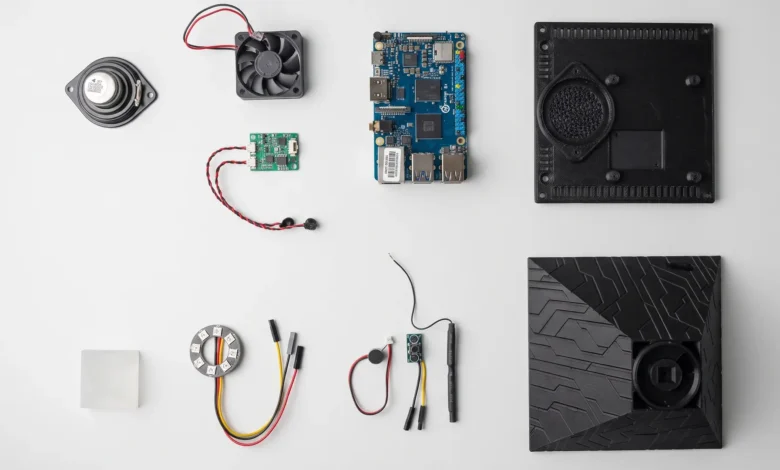
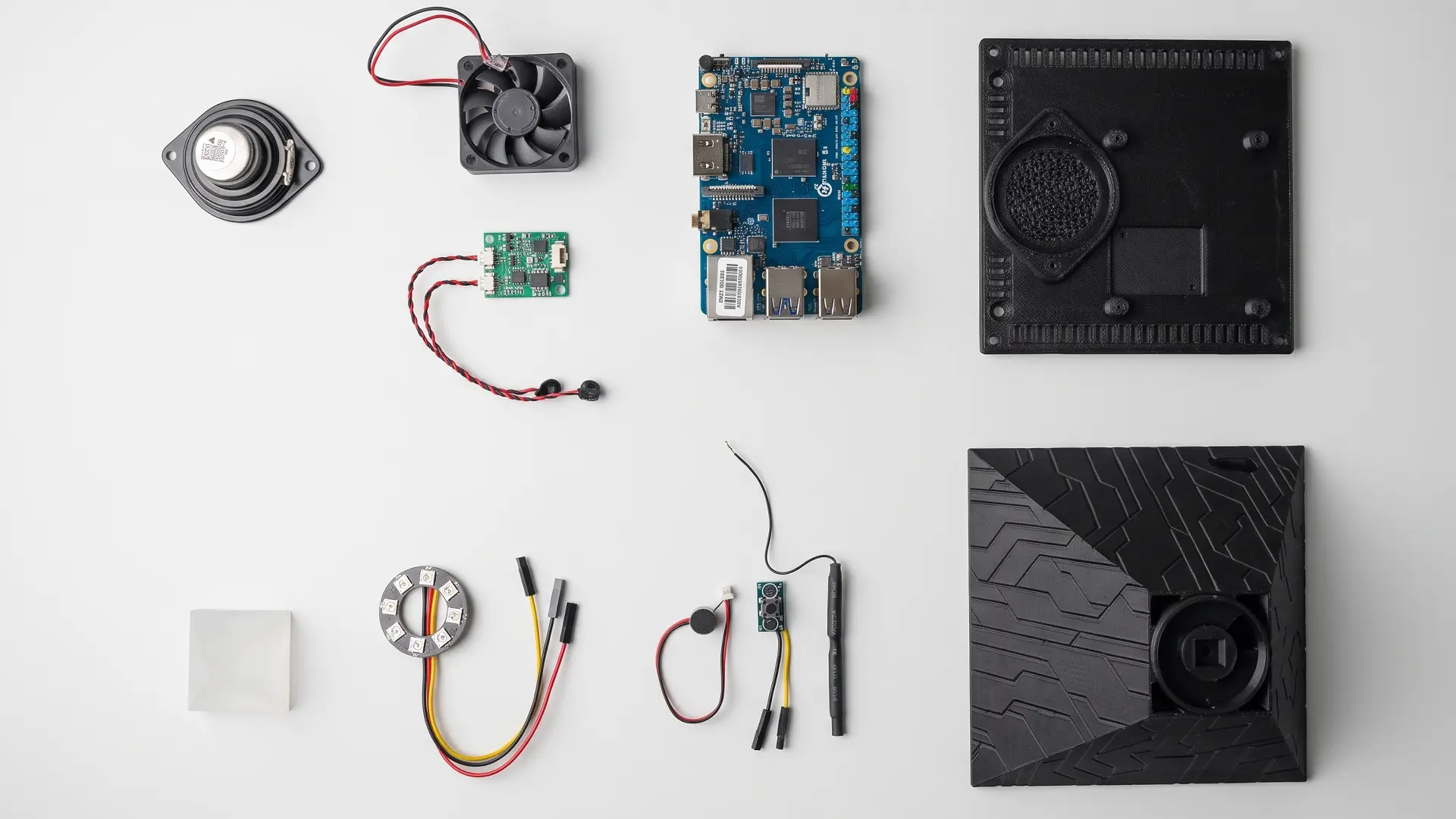
At the core of the Intern 2 is the Orange Pi 4 Pro, a robust single-board computer (SBC) that balances performance with the power efficiency required for 24/7 operation. The device is powered by an 8-core Allwinner A733 chipset, utilizing a Big.LITTLE architecture. This configuration includes two high-performance Cortex-A76 cores for intensive processing tasks and six energy-efficient Cortex-A55 cores for background monitoring and idle states.
Crucially for AI applications, the hardware features an integrated Neural Processing Unit (NPU) capable of 3 Tera Operations Per Second (TOPS). While this NPU is modest compared to high-end desktop GPUs, it is specifically optimized for edge computing tasks such as local voice activity detection, keyword spotting, and basic intent recognition. This allows the device to process initial interactions locally before communicating with more powerful cloud-based LLMs for complex reasoning.
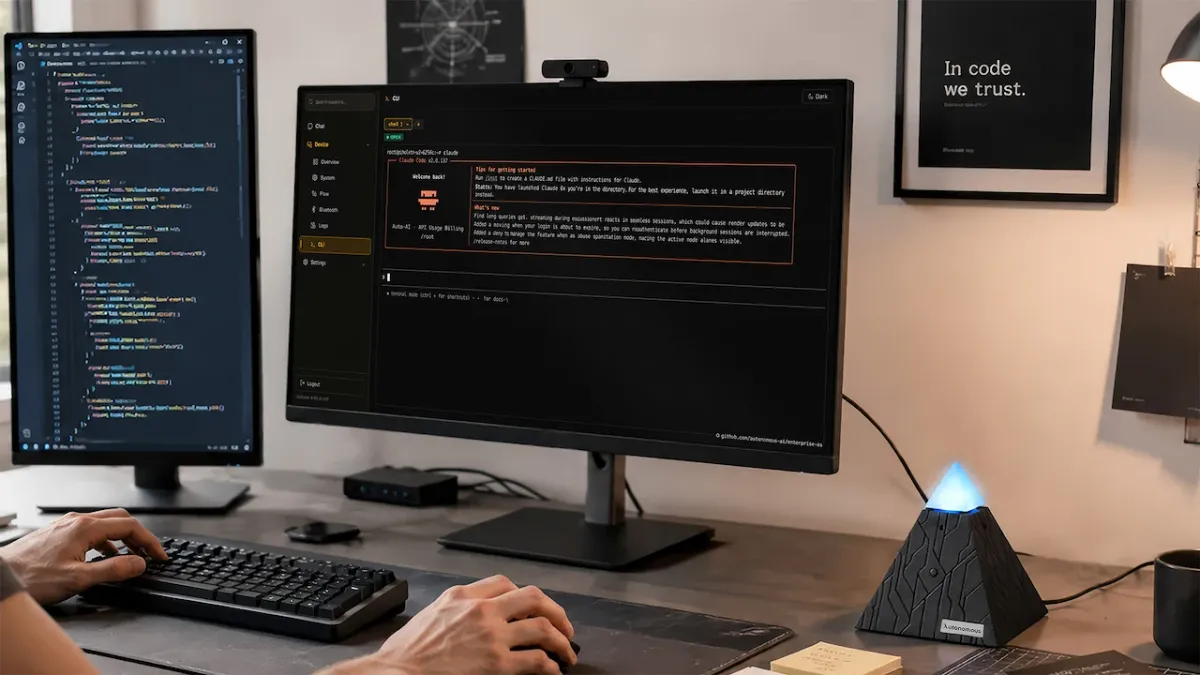
The physical design of the Intern 2 departs from the traditional "industrial box" aesthetic of most SBC enclosures. It features a distinctive pyramidal silhouette with a translucent, glowing apex that serves as a visual status indicator. Beyond aesthetics, the hardware is equipped for high-fidelity interaction, featuring dual far-field microphones capable of capturing clear voice commands from a distance of up to three meters. Audio output is delivered via a 5W internal speaker, facilitating two-way verbal communication.
Chronology of Development and Market Entry
The development of the Intern 2 follows a strategic timeline that reflects the broader evolution of the AI agent market:
- Late 2024 – Mid 2025: Autonomous identifies a trend in the "agentic workflow" community where users were struggling to maintain persistent "always-on" environments for experimental frameworks like OpenClaw and AutoGPT.
- January 2026: The "OpenClaw" hype reaches its peak. Enthusiasts begin purchasing entry-level Mac Minis specifically to act as dedicated agent servers, highlighting a lack of affordable, purpose-built hardware.
- February 2026: Autonomous releases the first-generation "Intern." It serves as a proof-of-concept, demonstrating that an SBC-based desk companion could gain traction among early adopters.
- June 2026: Based on user feedback regarding microphone sensitivity and software compatibility, Autonomous begins development of the Intern 2.
- July 2026: The Intern 2 is officially launched, featuring the upgraded Orange Pi 4 Pro board and the formalized Autonomous OS.
Software Ecosystem and Open-Source Integration
One of the most significant aspects of the Intern 2 is its operating system. The device runs on Autonomous OS, an open-source platform specifically engineered for physical AI agents. By open-sourcing the OS, Autonomous has invited the developer community to audit the code, enhance security, and create custom "skills" or integrations.
The Autonomous OS acts as a middleware layer that manages hardware sensing, long-term memory, and system updates. The actual "intelligence" or "brain" of the device is modular. Users can select their preferred agent framework during setup or switch between them as needed. Supported frameworks include:
- OpenClaw: Optimized for task orchestration and multi-step reasoning.
- Hermes: A framework focused on rapid response and conversational fluidity.
- Claude Code and OpenAI Codex: Specialized for developers who require the agent to assist with programming tasks and GitHub management.
The device is designed for "out-of-the-box" utility. Upon connecting the Intern 2 to a Wi-Fi network, users can integrate the hardware with popular communication platforms such as Slack, Discord, and Telegram. A future update is slated to include WhatsApp integration via a QR-code pairing process. Once connected, the agent can monitor these channels, triage incoming messages, and summarize lengthy discussions without the user needing to interact with a traditional terminal or command-line interface.

Pricing Models and Tiers
Autonomous has structured the pricing of the Intern 2 to appeal to both casual enthusiasts and professional developers. The pricing reflects the pre-configured nature of the software:
- OpenClaw/Hermes Editions ($249): These units ship pre-loaded with the respective agent frameworks, aimed at users who want a "plug-and-play" experience for office automation.
- Developer Edition ($299): This version provides unrestricted access to the underlying hardware and OS, along with expanded documentation for users looking to build proprietary agents or integrate the device into complex enterprise environments.
All units include free shipping, a one-year warranty, and a 30-day return policy. Autonomous emphasizes that each unit is hand-assembled and tested to ensure hardware reliability, a move intended to differentiate the product from mass-produced consumer electronics that often lack individual quality control.
Implications for Productivity and Local AI
The introduction of the Intern 2 signals a shift in how AI is consumed in the workplace. For several years, AI interaction was confined to browser tabs and mobile apps. The Intern 2 moves the interface to a dedicated physical presence. This "embodied AI" approach offers several theoretical advantages:
1. Reduced Friction: By utilizing far-field microphones, the device allows for ambient computing. A user can assign a task—such as "Summarize the last three issues on the project repository"—verbally while continuing to work on another screen.
2. Dedicated Resource Allocation: By offloading agent management to a dedicated SBC, users free up their primary workstation’s CPU and RAM. This is particularly relevant for developers and creatives whose primary machines are often under heavy load.
3. Browser Control and Automation: Unlike standard chatbots, the agents running on Intern 2 can be granted "browser control" permissions. This allows the agent to navigate websites, fill out forms, and interact with web-based tools on the user’s behalf, effectively acting as a robotic process automation (RPA) tool powered by an LLM.
Analysis of the "Digital Intern" Concept
The naming of the device as "Intern" is a deliberate attempt to frame AI agents as supportive, entry-level staff members rather than replacements for high-level human expertise. This positioning helps manage user expectations regarding the current limitations of LLMs, such as hallucinations or the need for occasional supervision.
From a market perspective, Autonomous is capitalizing on the "hardware-as-a-service" trend but without the recurring subscription fees often associated with modern AI gadgets. By selling the hardware at a one-time cost and utilizing open-source software, the company appeals to a demographic that is increasingly wary of "black box" AI systems and mandatory monthly "pro" plans.
However, the success of the Intern 2 will largely depend on the continued evolution of the underlying agent frameworks. While the hardware provides a stable and attractive home for an agent, the utility of the device is tethered to the capabilities of models like Claude and GPT-4. If these models struggle with complex, multi-step tasks, the Intern 2 risks becoming a sophisticated voice-activated notification center rather than a true productivity multiplier.
Conclusion and Future Outlook
The Intern 2 represents a significant milestone in the commoditization of AI hardware. By packaging familiar single-board computer components with a specialized, open-source operating system, Autonomous has created a bridge between the highly technical world of AI development and the mainstream office environment.
As Autonomous continues to expand its "AI hardware" portfolio—which already includes a "thinking desk" and an AI-integrated desk lamp—the company is building a cohesive ecosystem where the physical workspace is inextricably linked to digital intelligence. For tech enthusiasts and professionals who have already integrated agents into their daily workflows, the Intern 2 offers a more elegant and efficient solution than the "DIY" hardware stacks that characterized the early months of 2026. Whether this leads to a widespread adoption of "desk assistants" remains to be seen, but the Intern 2 stands as a clear indicator of the direction in which personal computing is headed.
Related posts: