AWS Transform Enhances Continuous Modernization Capabilities Ahead of re:Invent 2026

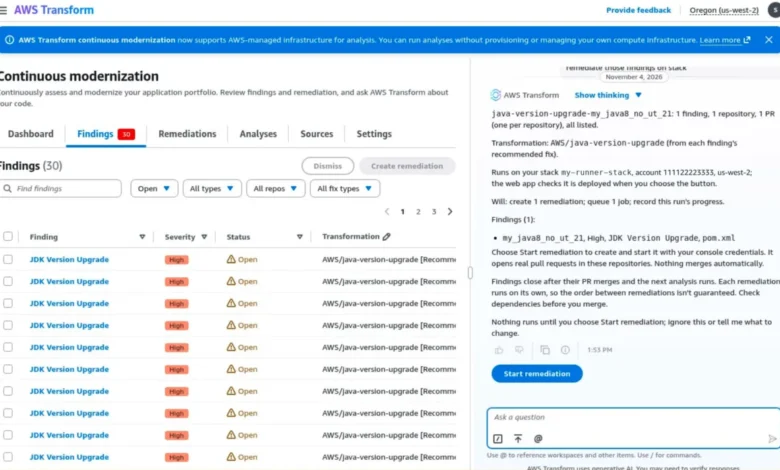
Since its general availability in August 2026, the AWS Transform service has emerged as a cornerstone for platform engineering teams struggling to balance feature velocity with the creeping burden of technical debt. As the industry prepares for the annual re:Invent conference, Amazon Web Services has unveiled a significant suite of upgrades designed to streamline the continuous modernization lifecycle. These updates prioritize reducing friction in onboarding, automating the remediation of security and compliance findings, and integrating predictive lifecycle intelligence directly from AWS Health. By shifting from a repository-centric view to an issue-centric orchestration model, AWS is attempting to transform how large-scale enterprises manage their software estates.
A Chronology of Modernization Evolution
The genesis of continuous modernization within the AWS ecosystem dates back to the persistent challenge of "zombie" infrastructure—aging runtimes, deprecated libraries, and security vulnerabilities that accumulate in massive codebases. Prior to the August 2026 launch, teams were often forced to rely on fragmented, manual scanning tools that required significant configuration overhead.
In the months following the initial launch, user feedback highlighted a critical pain point: the administrative burden of managing personal access tokens and IAM configurations across disparate source control platforms like GitHub, GitLab, and Bitbucket. Furthermore, the sheer volume of "noise" generated by security scanners—where a single library vulnerability could appear as thousands of individual findings—often led to alert fatigue. The November 2026 updates represent a strategic response to these operational bottlenecks, moving toward a more autonomous and intelligent remediation framework.
Frictionless Onboarding and Automated Governance
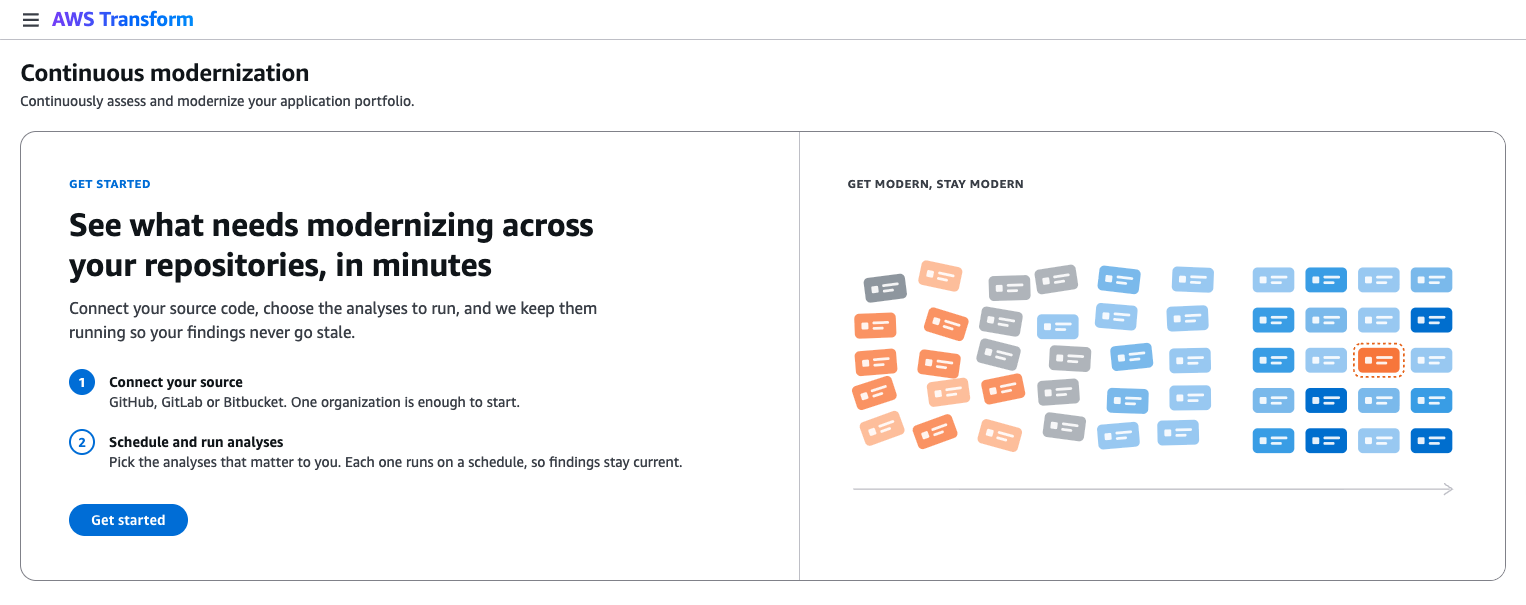
The most immediate change for platform engineers is the simplified onboarding process. By pivoting to OAuth-based authentication, AWS has eliminated the need for manual token management, which was historically the first barrier to adoption. Once a repository is linked, the system now automatically generates the necessary execution roles, allowing for near-instant visibility into the technical state of a software estate.
This transition from manual setup to "plug-and-play" visibility allows teams to immediately identify outdated dependencies and runtimes that are nearing end-of-support. Once connected, these analyses are scheduled by default, ensuring that the findings remain current as codebases evolve. This automation shifts the burden from the engineer—who previously had to trigger manual scans—to a persistent background service that maintains a real-time ledger of technical health.
Predictive Intelligence via AWS Health Integration
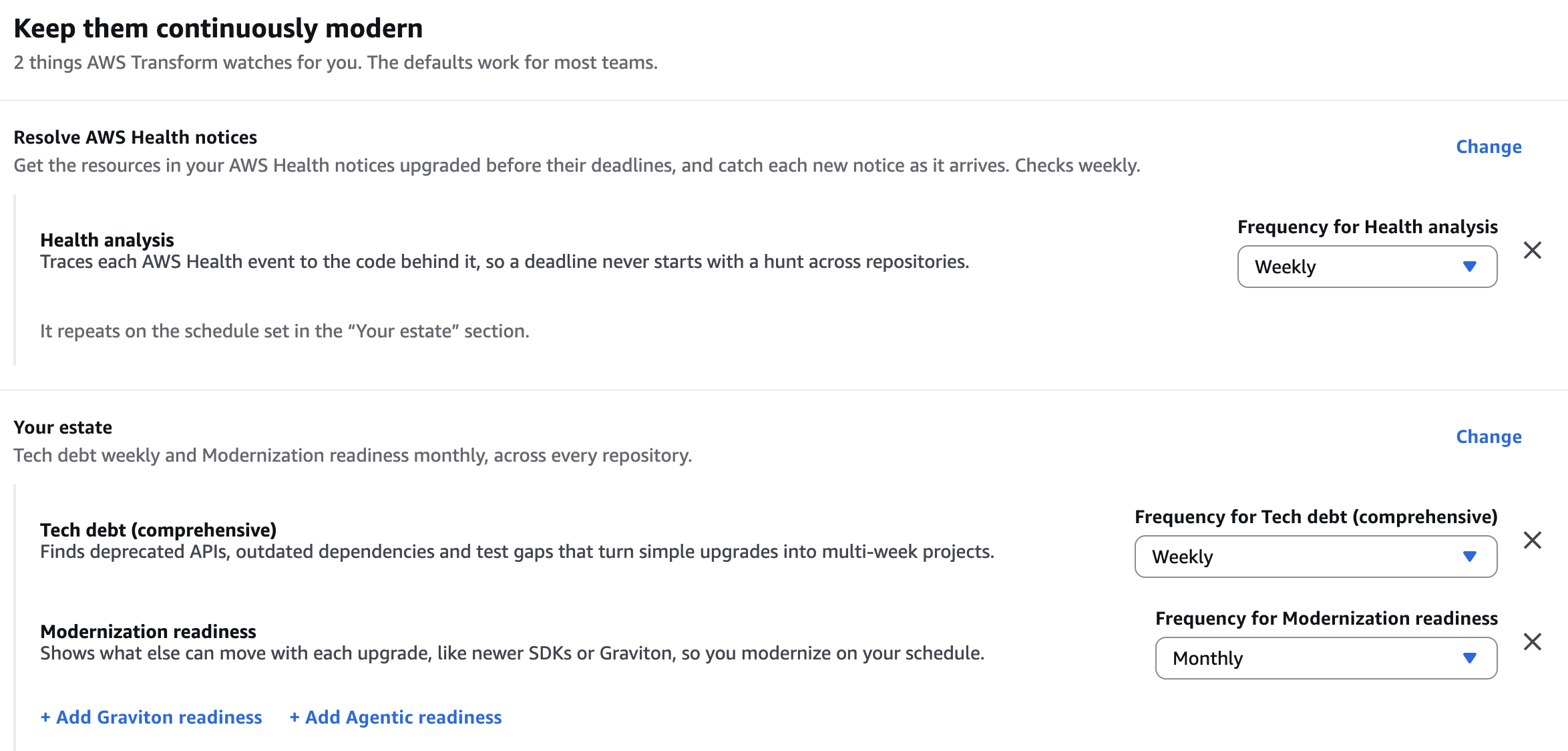
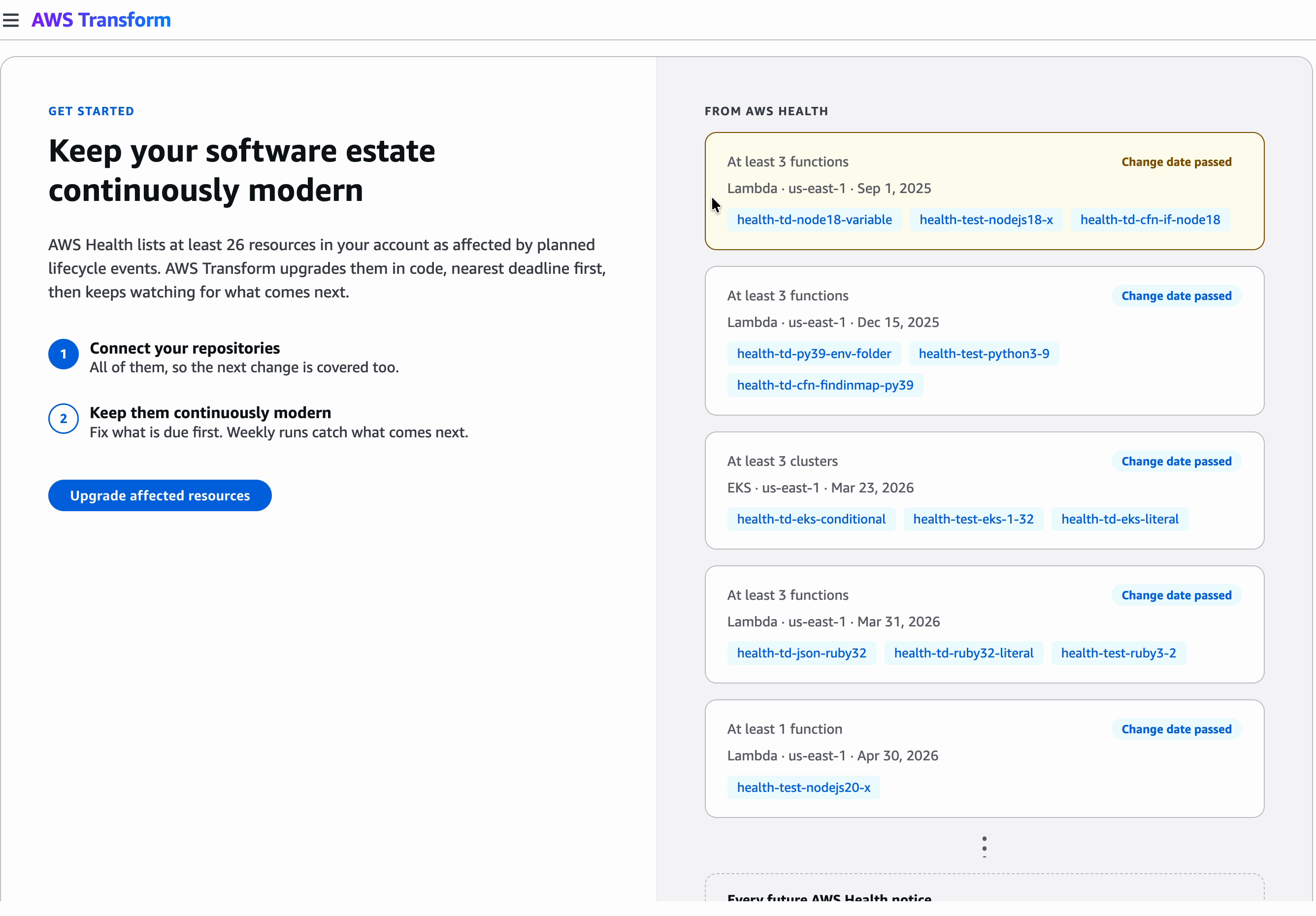
Perhaps the most notable technical advancement is the direct integration with AWS Health. By mapping Planned Lifecycle Events (PLEs)—such as the deprecation of a specific Lambda runtime or a required Amazon EKS version upgrade—directly to the underlying source code, AWS is bridging the gap between infrastructure alerts and developer action.
Previously, an infrastructure team might receive an email notification about an upcoming runtime sunset, which would then be manually communicated to various product teams. This often resulted in missed deadlines or last-minute fire drills. With the new integration, the service identifies the exact repositories affected by a specific PLE. It then applies a managed transformation skill to update the code, and initiates a single pull request for each affected repository. This capability transforms a potential operational crisis into a structured, manageable workflow, significantly reducing the "mean time to remediation" (MTTR) for critical infrastructure changes.
Redefining the Findings Workflow
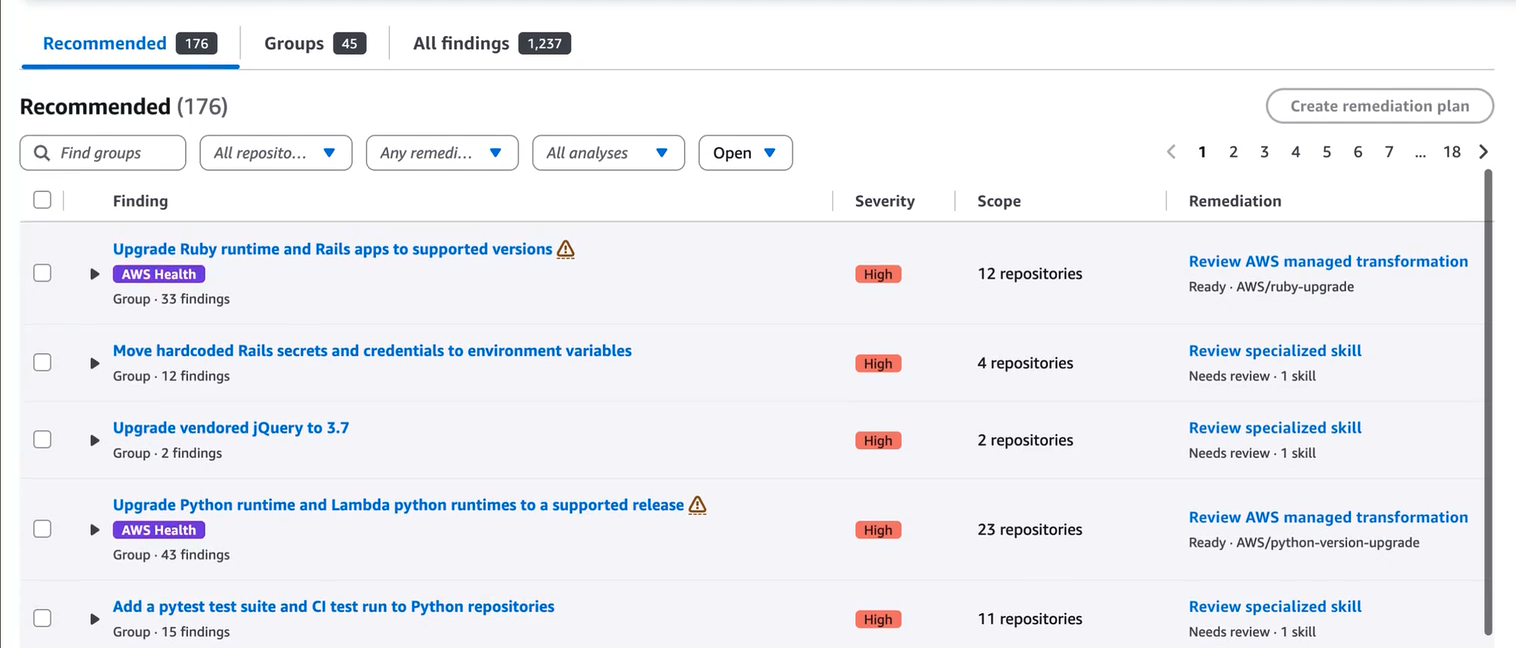
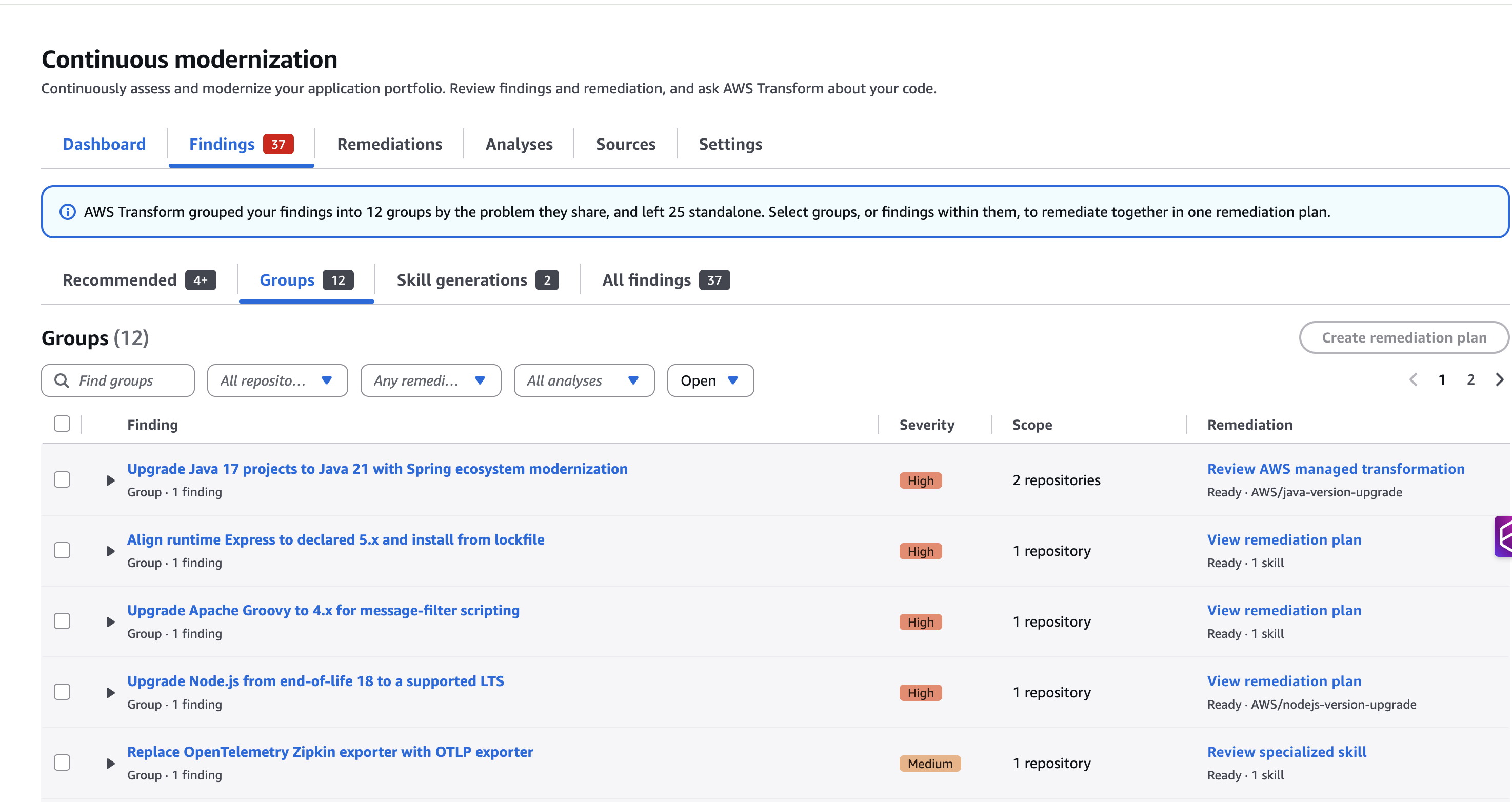
The organizational structure of findings has been fundamentally overhauled to support enterprise-scale management. By grouping identical issues across multiple repositories, AWS has effectively condensed thousands of disparate alerts into single, manageable items. A developer or platform lead no longer needs to triage the same deprecated library fifty times; they now see a unified view that lists every impacted repository beneath a single finding.
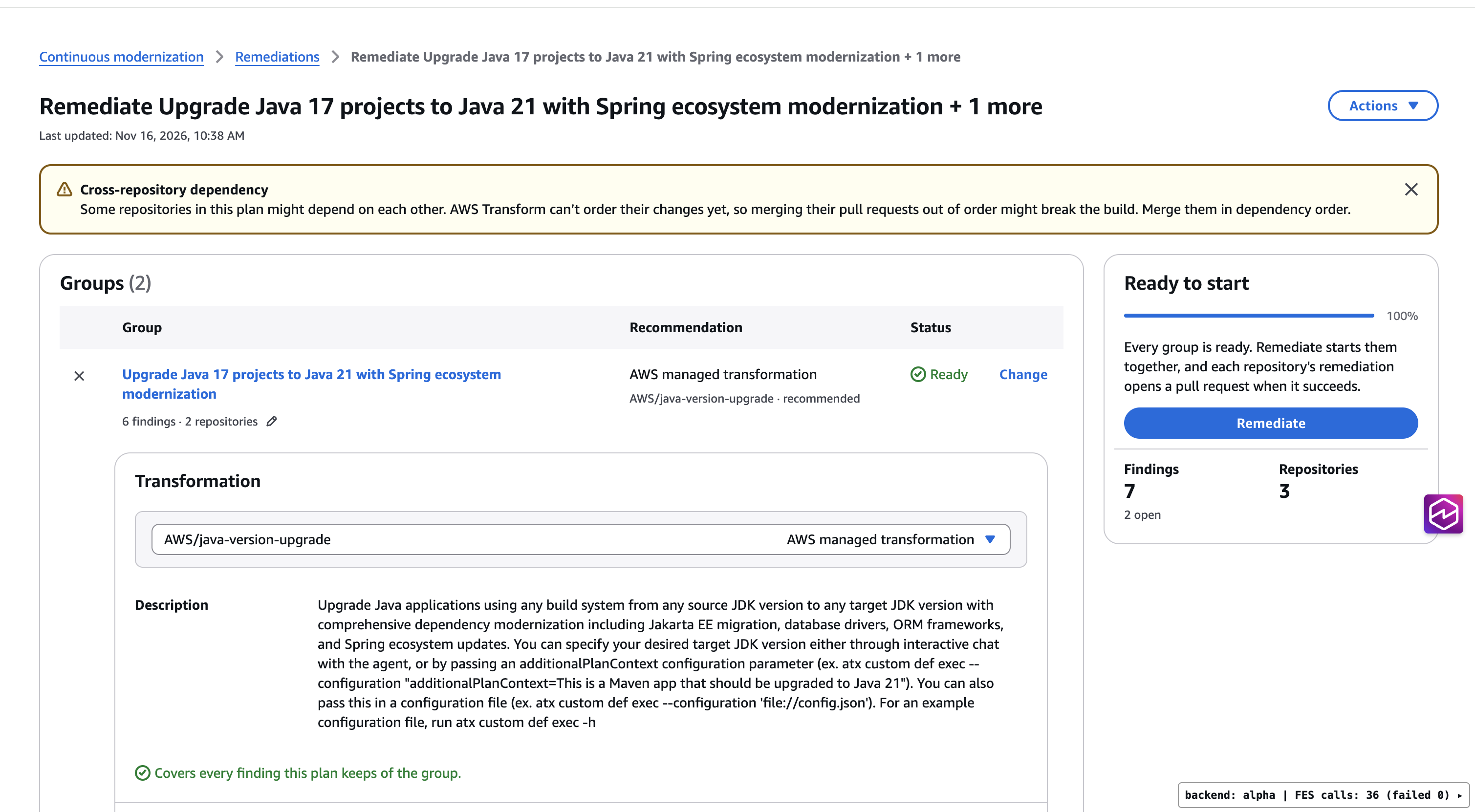
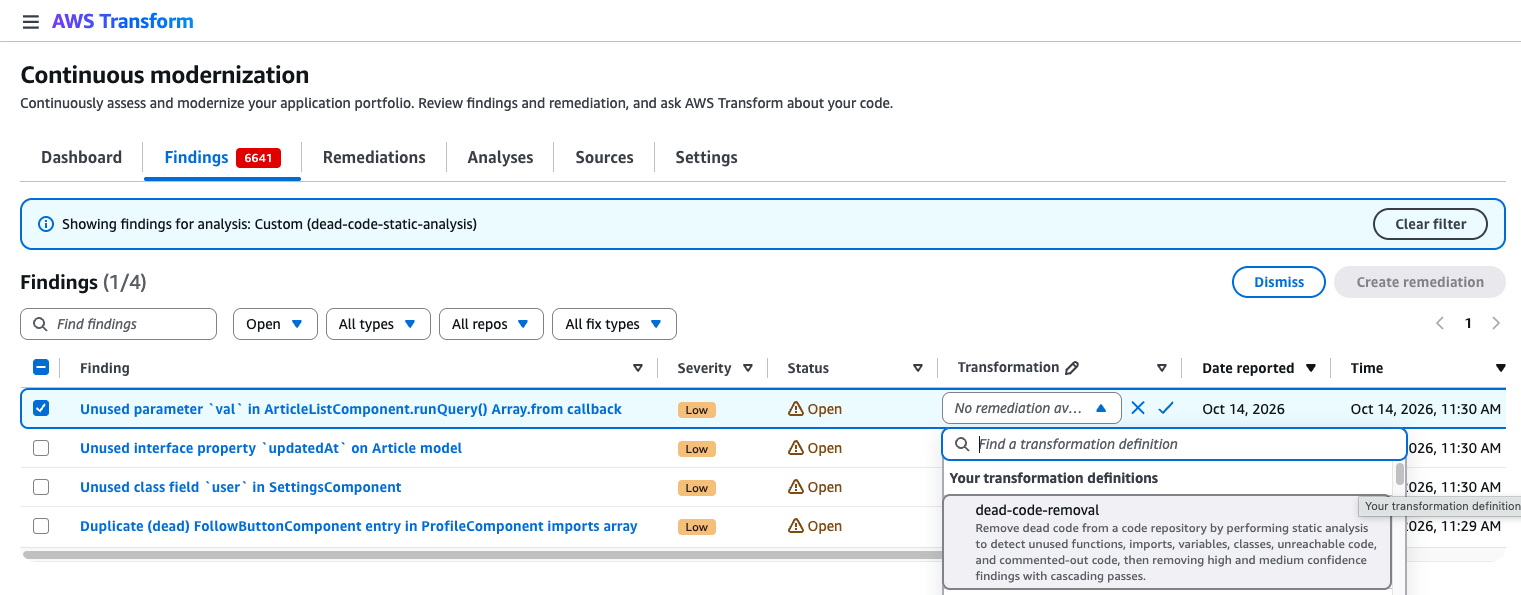
This "one-to-many" relationship extends to the remediation process. In previous versions, fixing a widespread issue meant opening individual pull requests for every single instance of the problem. Under the new framework, the system aggregates these findings and generates a single, consolidated pull request per repository. This reduction in overhead is expected to significantly increase the throughput of modernization efforts, as developers can review and merge a single change set rather than managing dozens of fragmented commits.
Customization and AI-Driven Remediation
While AWS provides a comprehensive library of managed transformation skills, the reality of modern software development is that every large enterprise maintains proprietary frameworks, custom logging standards, or unique internal APIs. Recognizing this, the updated service allows teams to inject their own "transformation definitions" into the workflow. These custom skills run alongside AWS-managed ones, ensuring that internal standards are enforced with the same rigor as public security patches.
When a specific issue falls outside the scope of both managed and custom skills, the platform now utilizes generative capabilities to propose a potential fix. This generated skill is presented to the user with a clear outline of the proposed changes, the target, and the validation steps. This "human-in-the-loop" approach ensures that while the system can draft code, it remains under the governance of the engineering team.
Furthermore, the introduction of a natural language chat interface allows users to query the state of their entire estate. Instead of building complex filters, an engineer can now ask, "Which repositories are currently using an outdated Java runtime?" or "What is the status of the remediation plan for the EKS upgrade?" This conversational interface can even take action, such as scheduling a scan or dismissing bulk findings, provided it is governed by the user’s existing permissions.
Strategic Implications for Enterprise DevOps
The shift toward automated, continuous modernization represents a broader trend in the industry: the move away from "project-based" modernization toward "lifecycle-based" management. By integrating these tools into the developer workflow, AWS is attempting to make modernization a background task rather than a quarterly project.
Industry analysts suggest that the economic impact of these tools could be substantial. Technical debt is often cited as one of the primary inhibitors of developer velocity, accounting for up to 30% of engineering time in some organizations. By automating the "plumbing" of dependency updates and runtime upgrades, these tools free up high-value engineering resources to focus on product-specific innovation rather than maintenance.
However, the adoption of such highly automated tools also brings new responsibilities. As remediation moves toward an automated state, the importance of robust CI/CD testing becomes paramount. The ability to push code changes across an entire organization in a single pass requires a high degree of confidence in the underlying test suite. Consequently, the success of these new AWS features will likely be contingent on the quality of the automated tests maintained by the customer’s internal teams.
Looking Ahead to re:Invent 2026
As the community gathers for re:Invent 2026, these enhancements to the AWS Transform service will be a central focus for organizations looking to optimize their operational overhead. The sessions planned for the event, ranging from deep dives into custom transformation skills to strategies for managing massive-scale lifecycle events, suggest that AWS is positioning this service as a fundamental component of its modern DevOps stack.
For those currently managing infrastructure, the message from the recent updates is clear: the era of manual, ad-hoc maintenance is being replaced by intelligent, policy-driven automation. By leveraging the data already present in AWS Health and the reach of modern source control integrations, platform teams are finally gaining the leverage needed to stay ahead of the technical debt curve. As these tools continue to mature, the focus will likely shift toward even deeper levels of AI-assisted code refactoring and predictive lifecycle management, further distancing the industry from the reactive practices of the past decade.