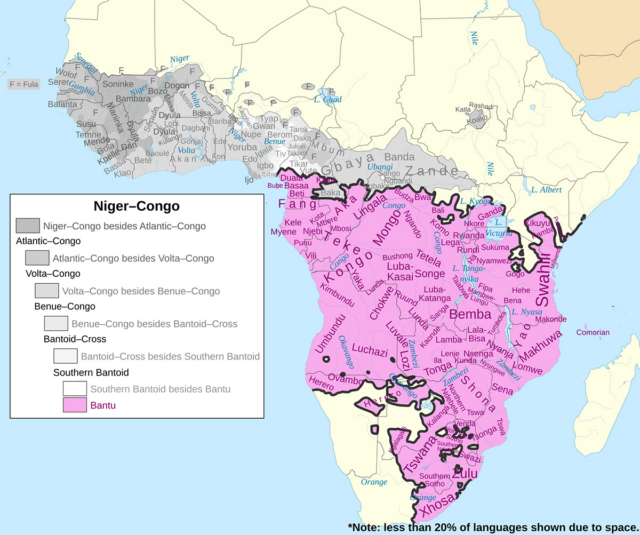
The story of the Bantu-speaking peoples is one of the most profound human migrations in history, a multi-millennial expansion that fundamentally reshaped the demography, linguistic landscape, and technological trajectory of sub-Saharan Africa. Beginning roughly 6,000 to 4,000 years ago, a group originating in the borderlands of modern-day Nigeria and Cameroon embarked on a series of waves that would eventually see their descendants occupy the vast majority of the continent’s southern half. Today, this legacy is reflected in the lives of approximately 350 million people who speak one of over 500 distinct Bantu languages, ranging from Swahili in the east to Zulu in the south, and in the genetic heritage of countless individuals across the African diaspora.
The mechanism of this expansion was not merely a displacement of people, but a revolutionary introduction of a sedentary lifestyle. Before the arrival of Bantu-speaking communities, much of eastern and southern Africa was inhabited by hunter-gatherer societies. The Bantu migrants brought with them a specialized "package" of innovations: sedentary farming, the cultivation of crops like yams and oil palms, the raising of livestock, sophisticated pottery production, and, crucially, the mastery of iron smelting. This transition from foraging to sedentary agricultural life allowed for significant population growth, providing the demographic momentum necessary to inhabit diverse ecological zones, from the dense Congo rainforests to the savannahs of the south.
A Chronology of Expansion
The expansion did not occur as a single, rapid event but rather as a gradual, centuries-long process. Archaeological evidence, combined with linguistic reconstruction, allows researchers to map the movement of these ancestral populations.
- 6,000–4,000 Years Ago (The Origin): The Bantu expansion likely began in the Grassfields of modern-day Cameroon. Archaeological finds, such as early pottery fragments at the Shum Laka rock shelter, suggest the initial development of the cultural traits that would later define the migration.
- 4,000–2,500 Years Ago (The Forest Barrier): As the groups moved south and east, they encountered the immense obstacle of the Congo rainforest. Linguistic studies and genetic data suggest that the populations spent a prolonged period within or near the rainforest, allowing for internal language diversification.
- 2,500–1,500 Years Ago (The Great Split): Upon reaching the southern fringes of the rainforest, the migration appears to have bifurcated. One stream moved eastward toward the Great Lakes region, while another continued southward, eventually reaching the southern tip of the continent.
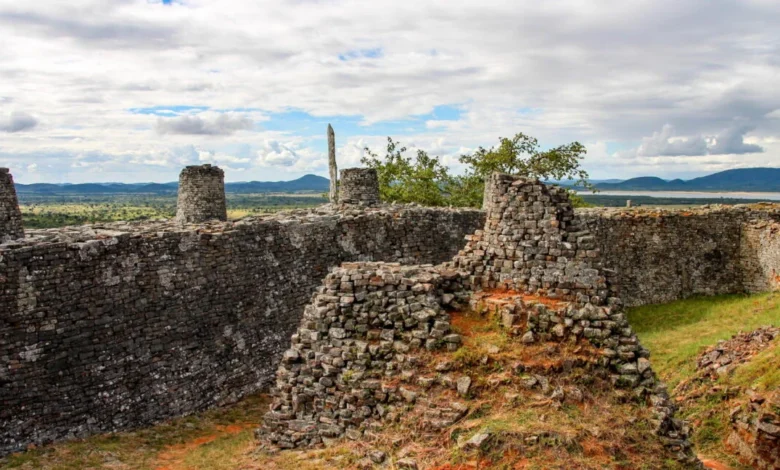
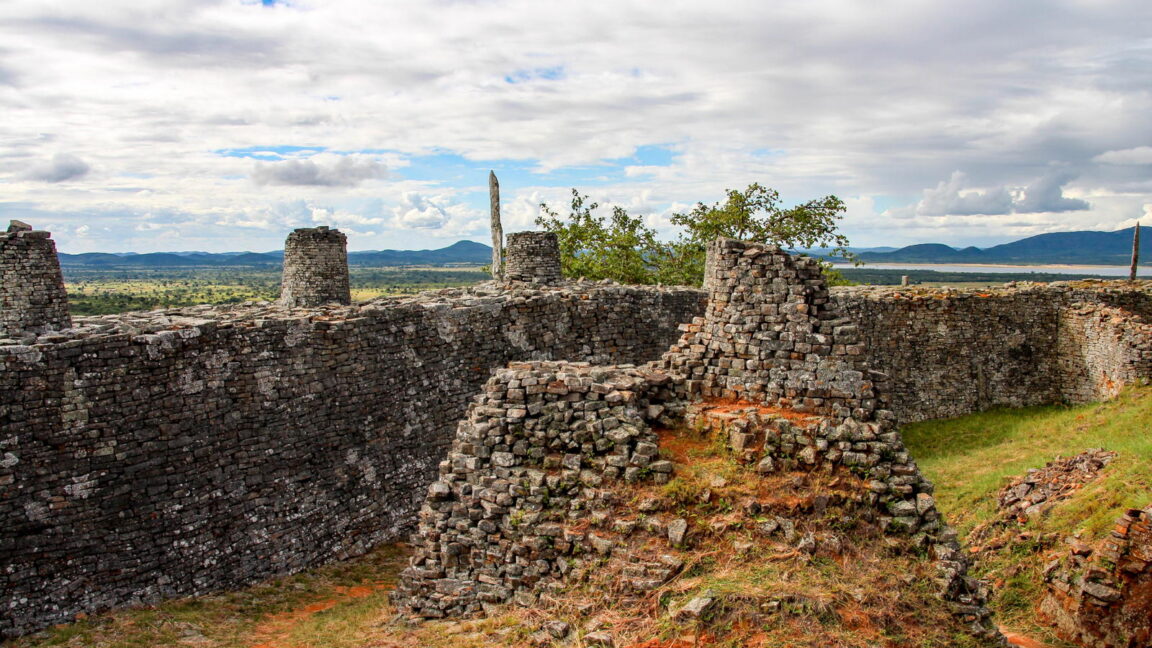
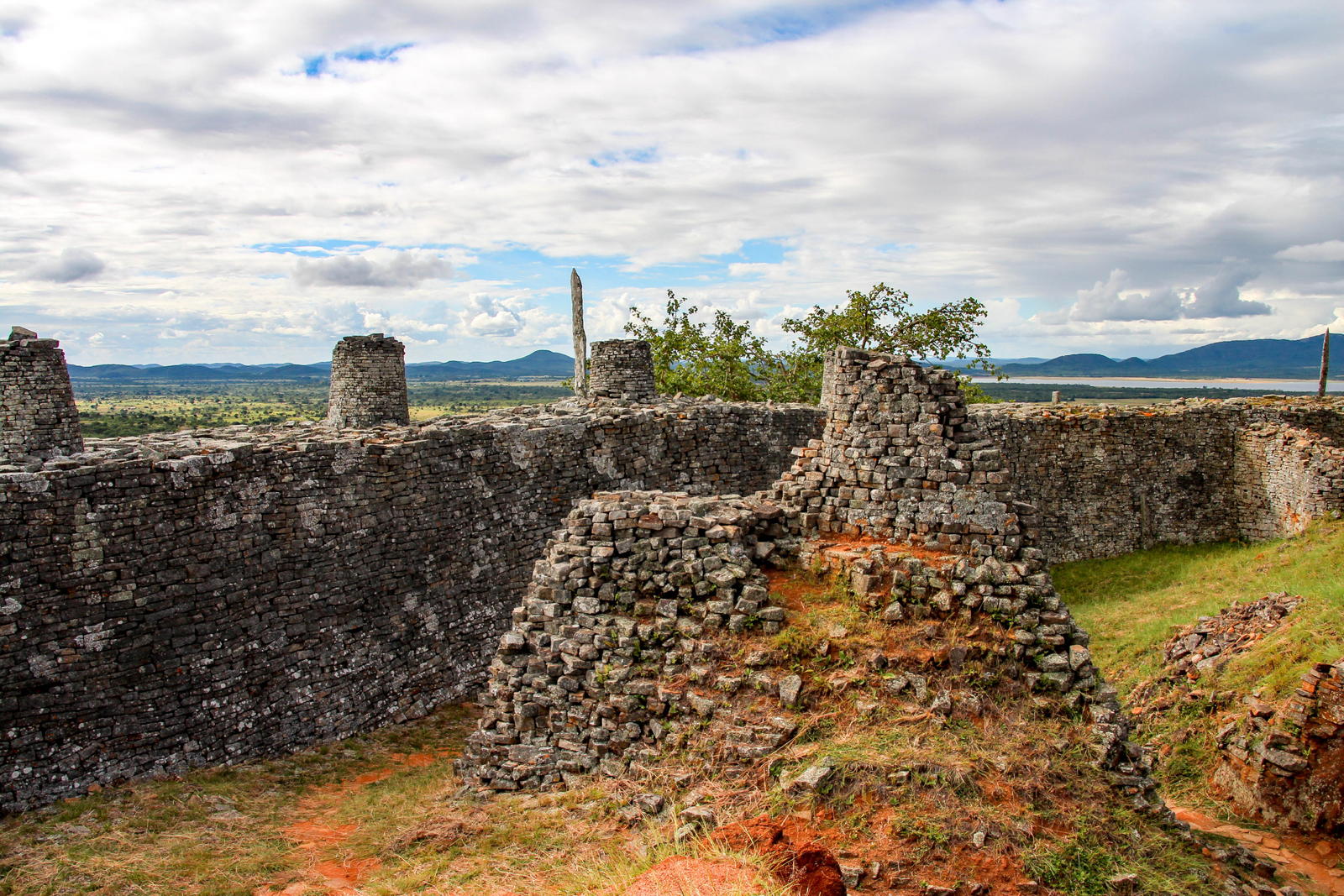
- 1,000–1,700 AD (The Zenith of Complex Societies): By the second millennium, the Bantu-speaking populations had established sophisticated state-level societies. The ruins of Great Zimbabwe stand as the most iconic monument to this era, representing a civilization that dominated trade networks across the Indian Ocean, exporting gold, ivory, and high-quality iron in exchange for luxury goods like Chinese porcelain and Persian glass beads.
Technological Mastery: The Iron Revolution
Central to the success of these societies was their unparalleled mastery of metallurgy. At sites like Great Zimbabwe and the surrounding workshops at Mashava, archaeologists have uncovered the remains of massive, technologically advanced iron-smelting furnaces. These structures, capable of reaching temperatures exceeding 2,100 degrees Fahrenheit, were engineered with natural-draft technology—a sophisticated design that utilized chimneys to suck in air, negating the need for labor-intensive manual bellows.
Archaeometallurgist Ezekiel Mtetwa of the Field Museum of Natural History notes that the sheer scale of these furnaces, coupled with the precision of their construction, points to an intensive, specialized industry. The iron produced was fashioned into vital agricultural tools like hoes and axes, as well as weaponry, which provided a distinct advantage in both food production and territorial expansion. Evidence suggests that these smelters even employed advanced chemical practices; for instance, the addition of bone fragments to the furnace—likely part of a ritual process—provided calcium, which acted as a flux to help separate iron from ore more efficiently.
Genetic Evidence and Population Dynamics
For decades, the "Bantu expansion" was a subject of academic debate. Some scholars posited that the spread of languages and technologies occurred through cultural diffusion—whereby hunter-gatherer groups adopted new ways of life from neighbors without significant population movement. However, modern genetic analysis has largely settled the question in favor of large-scale migration.
In 2024, a landmark study of 1,763 African genomes revealed a clear signature of expansion: genetic diversity among Bantu speakers is highest in western Africa and decreases steadily as one moves farther from the ancestral homeland. This pattern is the hallmark of a "serial founder effect," where smaller groups break away from a larger population to colonize new areas, carrying only a subset of the original group’s genetic diversity.
Furthermore, genetic studies have provided startling insights into the interaction between Bantu farmers and the indigenous populations they encountered. In many regions, the Bantu migrants did not simply replace existing groups but intermingled with them. Notably, researchers have found that southern African Bantu groups share significant portions of their DNA with the indigenous Khoisan people. Interestingly, this mixing shows a gendered pattern: Bantu Y-chromosomes are highly prevalent in these populations, while mitochondrial DNA (inherited from mothers) shows a stronger Khoisan influence. This suggests a history of complex social dynamics, where power imbalances or specific marriage customs influenced the demographic makeup of the resulting communities.
Linguistic Resilience and Contact
The linguistic legacy of the Bantu is equally complex. The characteristic "click" sounds found in languages like Zulu and Xhosa, which are otherwise Bantu, are a direct result of the interaction between Bantu-speaking men and Khoisan women. Linguist Koen Bostoen suggests that the children of these early unions were likely bilingual, eventually adopting the Bantu language as their primary tongue while retaining the phonetic substrates—such as clicks—of their maternal ancestors.
However, the field of Bantu linguistics faces significant challenges. Many early models assumed that Bantu languages evolved in isolation after splitting from a common ancestor. More recent research, such as a 2026 study by Igor Yanovich, suggests that these languages were in constant, fluid contact with one another and with local non-Bantu languages. This "cross-pollination" makes the construction of a neat "linguistic tree" nearly impossible. Experts now emphasize the urgent need for more thorough documentation of these 500-plus languages before many of the older, less-documented dialects disappear forever.
Implications and Future Research
The story of the Bantu migration is not just a tale of the past; it is the foundation of modern sub-Saharan Africa. It explains the cultural, linguistic, and genetic tapestry of the region. Yet, despite the importance of this history, research remains underfunded. As archaeologist Shadreck Chirikure points out, much of the groundbreaking work in this field still relies on European grants rather than sustained investment from within the continent.

The path forward involves an interdisciplinary approach. Geneticists like Carina Schlebusch are now turning their attention to ancient DNA, seeking to identify the specific individuals who inhabited these landscapes thousands of years ago to trace their movements with greater precision. Archaeologists are re-examining existing collections with modern technology to uncover evidence of "spread over spread" events, where multiple waves of migration may have overlapped in the same territory.
Ultimately, the Bantu expansion represents a triumph of human adaptability. By integrating agriculture, metallurgy, and complex social organization, these groups created a legacy that persists in the cultural diversity of modern Africa. As Décio Muianga observes, the cultural richness of Africa today—the unique blend of philosophy, music, and tradition found from West to East—is the direct outcome of this ancient, ongoing migration. The task for future scholars is to ensure that the tools and funding are available to fully illuminate this vast, complex, and transformative chapter of human history.