Fedora 45 Launches With Significant Kernel and Desktop Upgrades Amid Broader Industry Shifts in Open Source Development


The release of Fedora 45, while arriving roughly two weeks behind its original target schedule, marks a substantial technical milestone for the Linux ecosystem. This iteration introduces several foundational updates, most notably the integration of the Linux 7.2 kernel, alongside updated desktop environments featuring GNOME 51 and KDE Plasma 6.7. Beyond these headline version bumps, Fedora 45 introduces a architectural shift in system console management, with kmscon replacing the legacy text console, and a user-facing diagnostic update that provides QR codes on kernel panic screens to expedite troubleshooting.

The Evolution of the Linux Desktop and Kernel Integration
The move to the Linux 7.2 kernel signals a continued push toward improved hardware support and performance efficiency. Fedora has historically served as an upstream testing ground for technologies that eventually permeate the broader Linux distribution ecosystem. By adopting such recent kernel versions, the distribution remains at the cutting edge of driver availability and security patching.

Simultaneously, the transition to kmscon reflects a modernization of the early boot and emergency console experience. Unlike the traditional kernel-based console, kmscon utilizes Kernel Mode Setting to provide a more robust, Unicode-compliant, and flexible terminal emulator environment. This is expected to improve accessibility and readability for system administrators during critical recovery scenarios.

Ubuntu’s Immutable Ambitions and Distribution Strategy
While Fedora continues its traditional development path, Canonical is intensifying its efforts toward a more locked-down, immutable architecture with the revival of the Ubuntu Core Desktop project. This initiative, now supported by a dedicated internal team, aims to provide a snap-based, tamper-resistant OS environment. The strategy mirrors broader industry trends—seen in projects like Fedora Silverblue or openSUSE MicroOS—which prioritize system stability and transactional updates over the traditional, mutable package management model.

Concurrent with this development is the exploration of LTS (Long Term Support) firmware packages, which would allow hardware vendors to provide more consistent update cycles for firmware independent of the core operating system updates. While both the Core Desktop and firmware projects remain in their early implementation phases, they signify a strategic pivot for Ubuntu, potentially signaling a move toward a more standardized, containerized user experience that could redefine enterprise and consumer deployments.

Performance Enhancements in Gaming and Legacy Features
The open-source community is also focusing on granular performance optimizations, particularly for gaming. The KDE Linux project has confirmed the inclusion of the ntsync kernel module by default. This module is designed to bridge the gap between Linux-based system calls and Windows-based synchronization primitives, which are critical for the functionality of software layers like Wine and Proton. By improving the efficiency of these synchronization primitives, users can expect substantial performance gains in Windows-native titles running on Linux.
In a move that addresses user demand for power management, Linux Mint is spearheading the reintroduction of hibernation functionality. While many distributions effectively deprecated hibernation years ago—citing slow performance and compatibility issues with modern NVMe storage—Mint’s implementation introduces refined tweaks to improve reliability and speed, suggesting that the feature remains a high-priority requirement for power users and laptop enthusiasts.

Global Trends in Open Source Governance and Public Policy
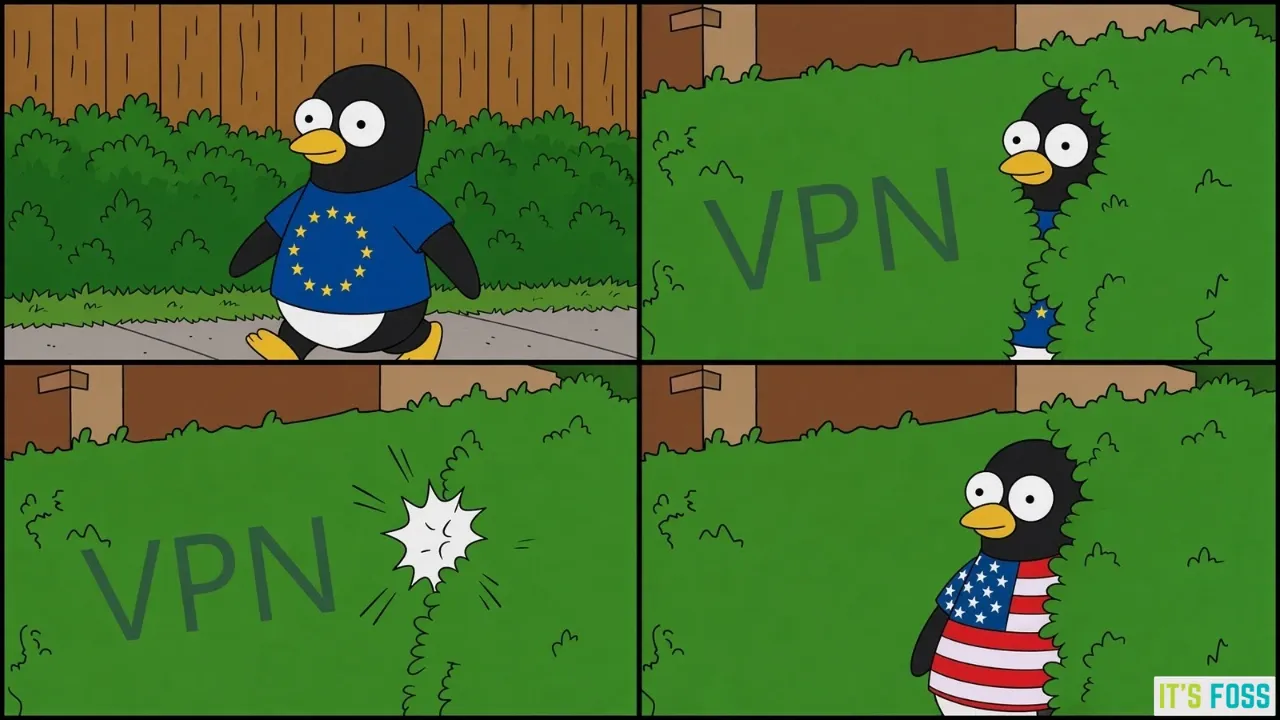
The geopolitical landscape for open source software is undergoing a significant shift, with European institutions increasingly favoring sovereign, self-hosted alternatives to proprietary SaaS products. A primary example is the recent agreement involving six German federal states, which have secured a four-year contract to deploy a Nextcloud-based cloud infrastructure hosted by IONOS within German data centers. This move underscores a growing preference for digital sovereignty, where public institutions seek to minimize reliance on external, often non-European, technology conglomerates.
However, the path to open source adoption is not without friction. The recent conclusion of a pilot program between the Danish government and the software company Collabora highlights the complexities of public sector procurement. While Collabora maintains that the initial phases of the pilot were successful and that the sudden termination—resulting from a broader ministry merger—should not be viewed as a failure of the software suite itself, the incident illustrates the volatility of large-scale governmental software transitions.

Meanwhile, the economic impact of internet taxation is drawing sharp criticism from the non-profit sector. The French National Assembly’s recent endorsement of a levy amounting to 5.5 euro cents per gigabyte of data transferred to French subscribers has sparked outrage from organizations like VideoLAN. The developers behind the ubiquitous VLC media player have warned that such a tax could impose a financial burden exceeding €1 million annually on their operations, raising questions about how open-source, non-profit entities can remain sustainable in the face of escalating regulatory costs.
Security and Integrity in the Open Source Ecosystem
As the ecosystem grows, so too does the risk of impersonation. The Nitrux distribution recently issued a formal warning regarding the website "nitrux.org," which has been identified as an unaffiliated, AI-generated site masquerading as an official project portal. This incident serves as a stark reminder of the security risks associated with AI-generated misinformation. It highlights the necessity for developers to maintain stringent control over their branding and digital presence to ensure that users are not misled by malicious or deceptive entities aiming to distribute modified or insecure software packages.

Hardware Infrastructure and the Homelab Movement
The hardware landscape remains equally dynamic, albeit marked by rising costs. Raspberry Pi has announced another round of price increases, specifically affecting the 16GB variant of the Raspberry Pi 5 and the 16GB Compute Module 5, which saw a $40 price hike. These adjustments reflect the ongoing complexities of global semiconductor supply chains and the costs associated with producing high-density memory configurations.
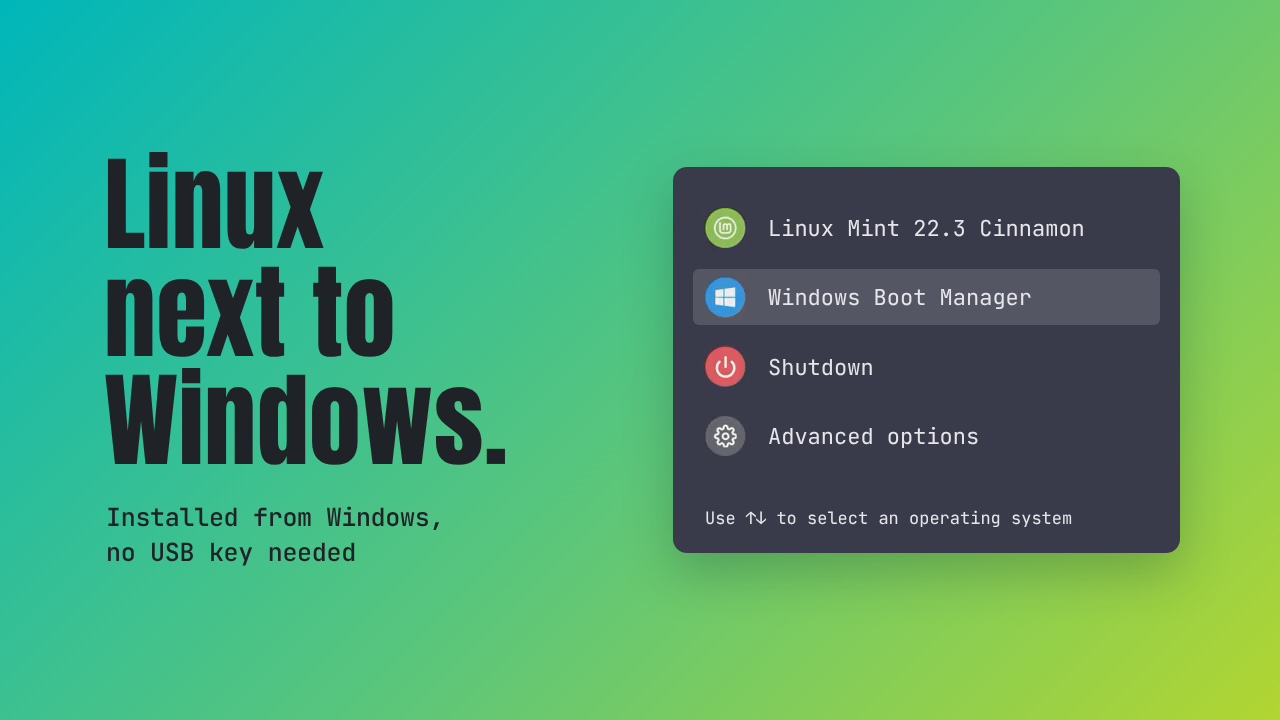
Despite rising hardware costs, software-defined networking continues to lower the barrier for home lab enthusiasts. The adoption of Tailscale Services, for instance, has simplified the management of Docker containers by allowing users to assign HTTPS-friendly names to individual containers across a private tailnet. This effectively eliminates the need for complex port mapping and reverse proxy configurations, making enterprise-grade service management accessible to home users.
Educational Resources and Future Directions
For professionals, the release of updated educational material, such as the newly revised Mastering Ubuntu Server (updated for the 26.04 LTS cycle), remains a cornerstone for system administration training. Authored by industry experts, these resources are essential for keeping pace with the rapid evolution of technologies like Ansible, MicroK8s, and the integration of local AI processing capabilities.

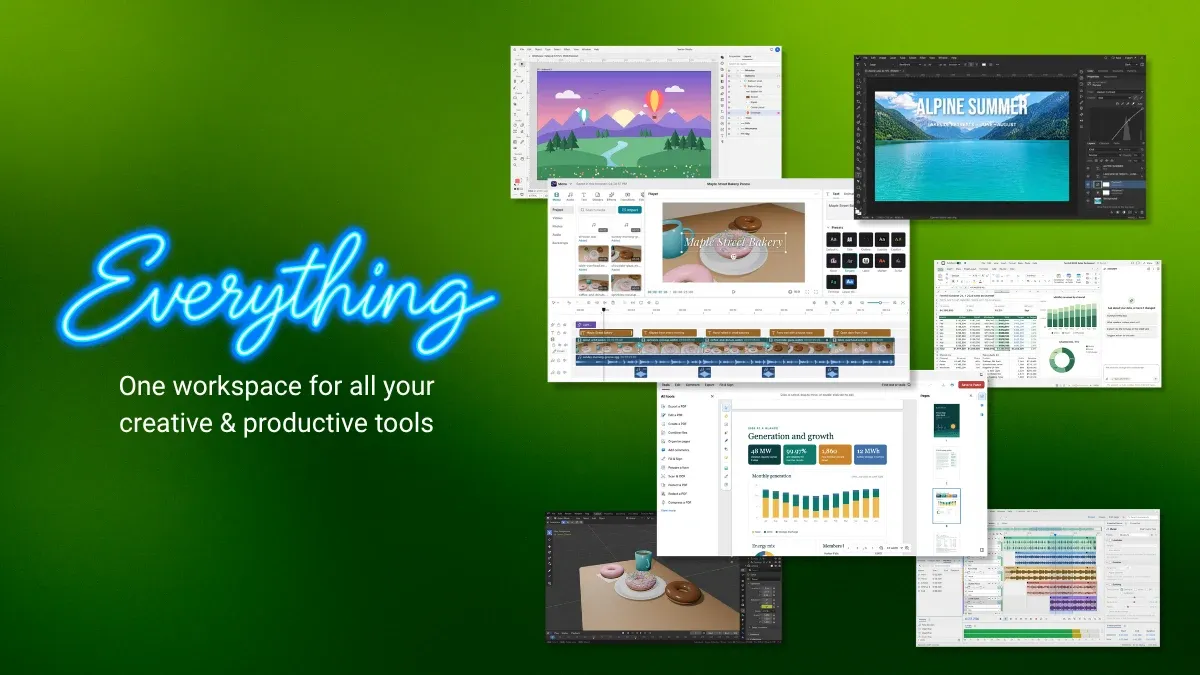
The broader trajectory of the FOSS (Free and Open Source Software) community is clearly moving toward a "everything-as-a-service" paradigm, but with an open-source twist. The emergence of repositories like Puter—which aims to provide over 50 open-source web applications as replacements for industry giants like Adobe and Salesforce—indicates that the community is no longer content to merely copy existing models. Instead, the focus has shifted toward building comprehensive, browser-native suites that offer a viable, self-hostable alternative to the dominant proprietary SaaS landscape.

As Fedora 45 makes its way into the hands of users and administrators, these concurrent developments in security, cloud sovereignty, and hardware accessibility collectively point toward a more robust and self-reliant open-source future. While challenges regarding taxation and corporate impersonation remain, the pace of technical innovation continues to accelerate, ensuring that the Linux ecosystem remains a pivotal force in global computing.
Related posts: