Breaking Free From The Walled Garden Six Linux Distributions Bringing Open Source To Apple Silicon Hardware

The transition of Apple’s Mac lineup to its proprietary ARM-based silicon, beginning with the M1 chip in 2020, marked a significant paradigm shift in personal computing architecture. While these machines delivered unprecedented performance-per-watt efficiency, they also introduced a notoriously closed hardware ecosystem. For the Linux community, this transition presented a formidable challenge: the hardware lacked the standard UEFI interfaces and open documentation typical of x86-based PCs. Despite these obstacles, a robust ecosystem of open-source projects has emerged, allowing enthusiasts and professionals to run native Linux distributions directly on Apple Silicon, effectively bypassing the limitations of macOS.
The Chronology of Apple Silicon Linux Support
The push for Linux on Apple Silicon did not begin with a corporate mandate but rather through the collective efforts of the reverse-engineering community. The timeline of this progression is defined by several key milestones that transformed the platform from a "brick" into a viable development environment.
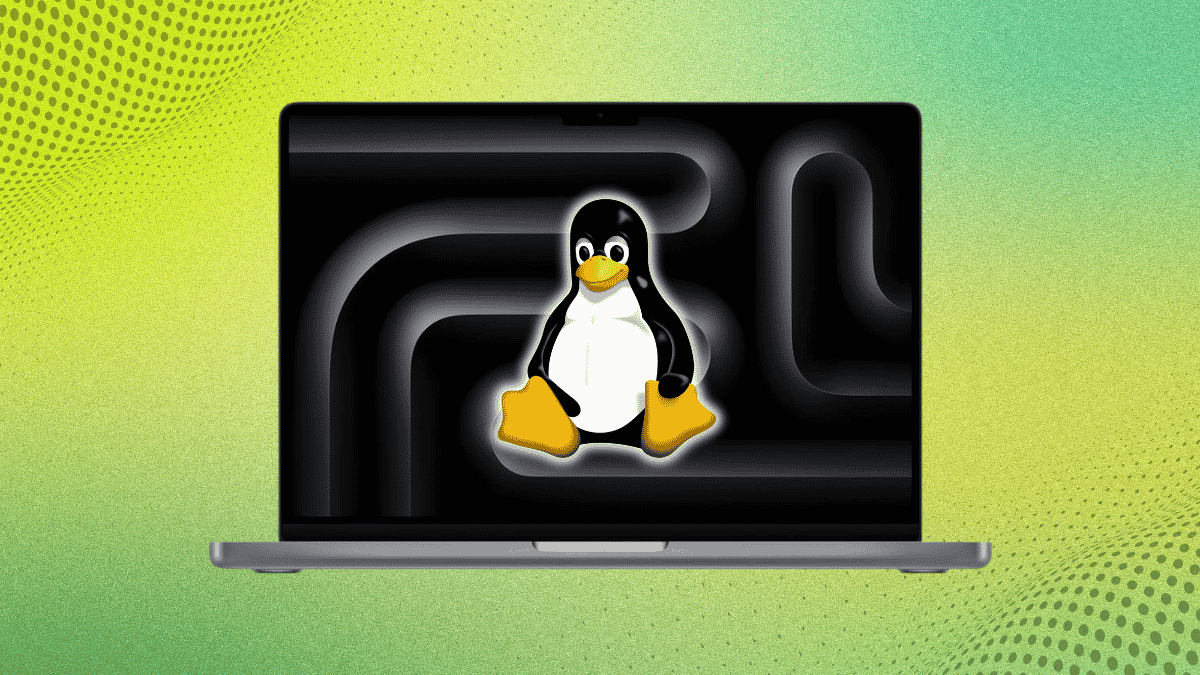
In late 2020, following the release of the M1 MacBook Air and Pro, the Asahi Linux project was founded by Hector Martin. The project’s primary objective was not merely to port a kernel, but to reverse-engineer the complex, undocumented GPU, display, and power management controllers that Apple kept strictly under wraps.
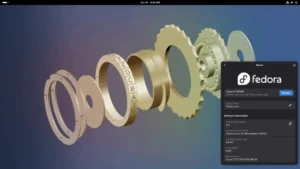
By 2022, the project achieved a "proof of concept" boot, and by 2023, the development of the AGX (Apple Graphics) drivers reached a state where desktop environments were finally usable. The release of the Fedora Asahi Remix in late 2023 served as the first major milestone for mass adoption, moving Linux on Apple Silicon from a niche hacking experiment to a polished, installer-driven experience. Throughout 2024 and 2025, additional distributions joined the fold, adapting the Asahi kernel patches to their respective ecosystems, including Debian, Ubuntu, and NixOS.
Technical Foundations and Architecture
Running Linux on Apple Silicon differs fundamentally from traditional PC installation. Because Apple hardware does not adhere to the standard Advanced Configuration and Power Interface (ACPI) used by virtually every other computer manufacturer, the Linux kernel must interface with Apple’s unique "Device Tree" architecture.

The Asahi Linux project pioneered the use of the m1n1 bootloader, a small, highly specialized piece of software that acts as a bridge between the Apple boot process and the Linux kernel. This bootloader handles the initialization of the M-series cores, providing the necessary firmware blobs that allow the operating system to interact with the hardware.
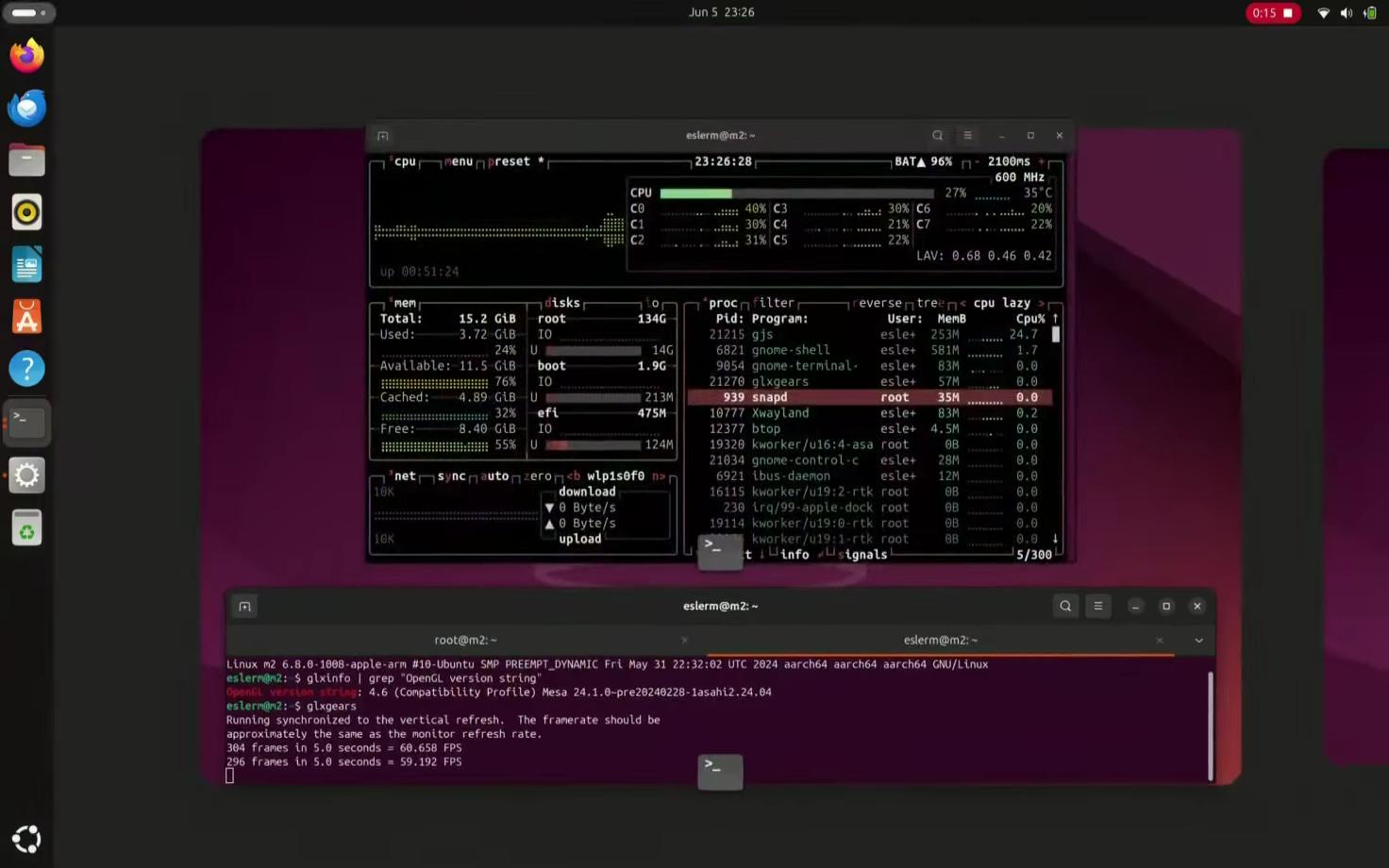
One of the most critical breakthroughs in this timeline was the implementation of the GPU drivers. Apple’s proprietary GPU hardware in the M-series chips uses a unique instruction set. Through reverse engineering, the Asahi team succeeded in implementing full OpenGL 4.6 and Vulkan 1.4 support, allowing for hardware-accelerated desktop rendering and professional-grade performance. This development is what differentiates a modern, usable Linux experience on these machines from the lagging, software-rendered attempts of the past.
Primary Distributions and Their Unique Approaches
The landscape of Linux on Apple Silicon is currently dominated by six major initiatives, each catering to different philosophies of system management and user preference.
1. Fedora Asahi Remix: The Flagship Standard
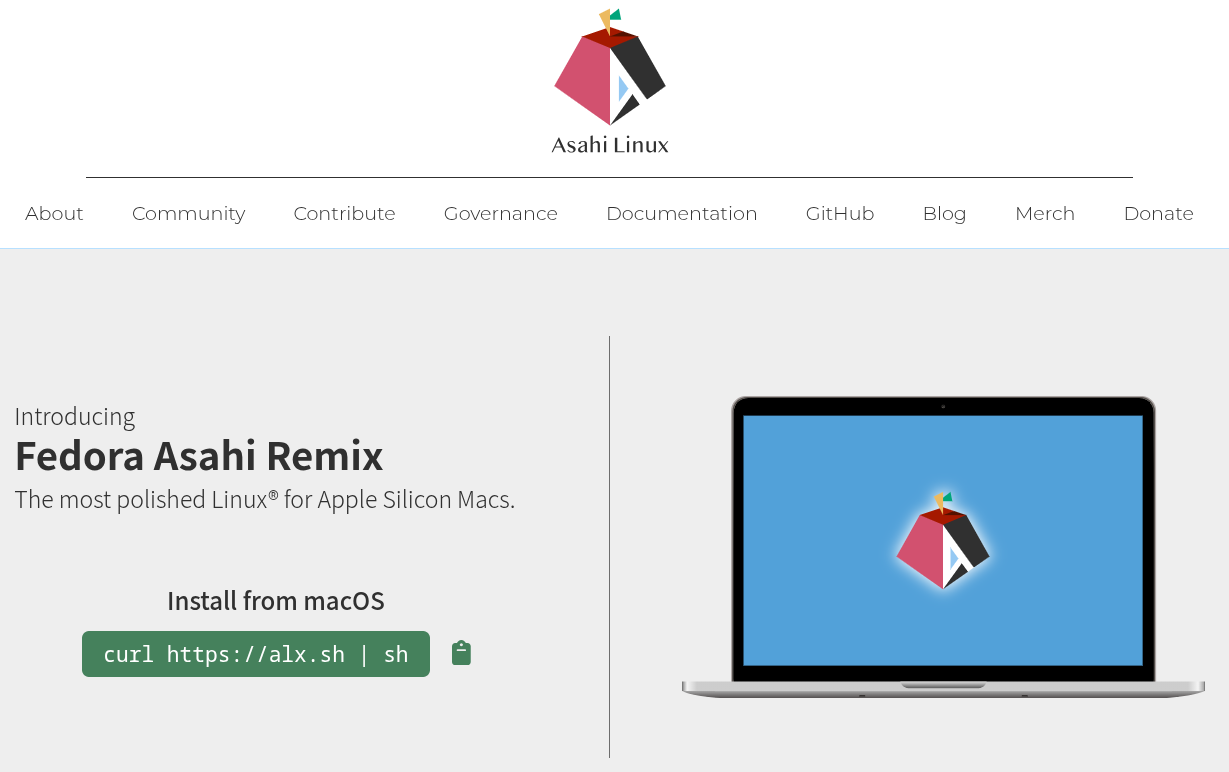
Fedora Asahi Remix remains the primary recipient of the core Asahi Linux kernel development. Because it is the closest to the "upstream" development, it offers the most reliable hardware support, including advanced power management and display features. It utilizes the KDE Plasma desktop environment by default, though it maintains support for GNOME and minimal server configurations. It serves as the baseline against which all other distributions are measured.
2. Ubuntu Asahi: The Familiar Alternative
Ubuntu Asahi represents a community-driven port that bridges the gap between the bleeding-edge Asahi kernel and the stability of the Ubuntu ecosystem. By leveraging the base work of the Asahi project, it provides users with the familiar Debian-based package management (APT) and the extensive software repositories characteristic of Canonical’s distribution. It is particularly popular for developers who require a stable environment for containerization and server-side deployment.
3. Debian Bananas: The Community-Driven Port
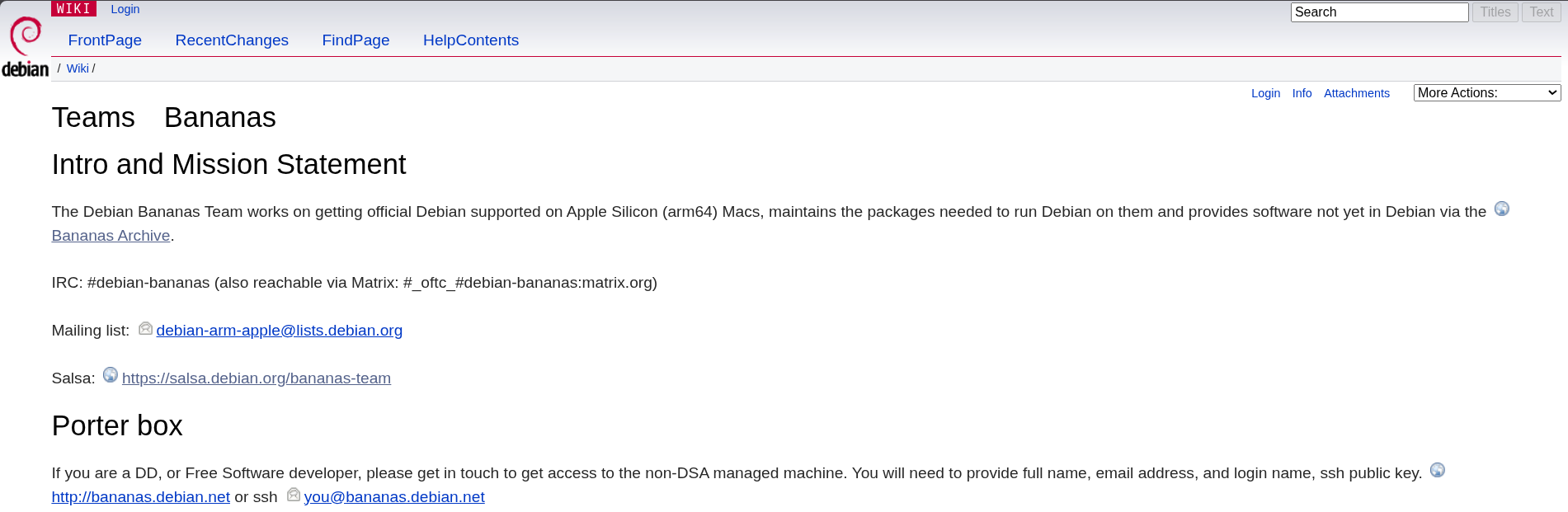
The "Bananas" team represents the effort to bring Debian to Apple Silicon. While Debian has not yet officially integrated the necessary patches into its primary branch, this unofficial port provides a pathway for long-term Debian users. By utilizing an independent repository for the necessary M-series firmware and kernel patches, the team ensures that users can enjoy the rigid stability and democratic governance of the Debian project on modern Apple hardware.
4. NixOS on Apple Silicon: The Declarative Paradigm
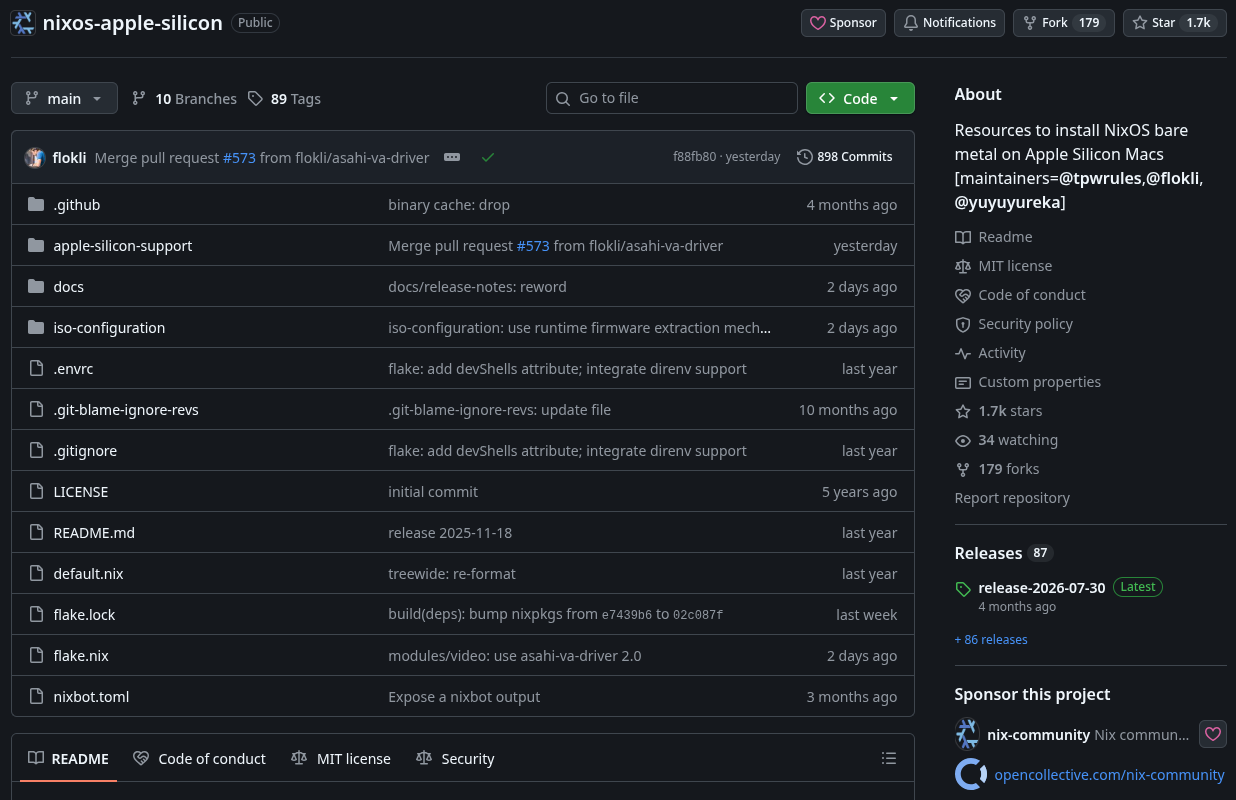
NixOS offers a fundamentally different approach to system administration. By allowing users to define their entire operating system configuration in a single file, NixOS on Apple Silicon provides an immutable and reproducible environment. This is highly beneficial for developers who need to swap between different environments or who want to ensure their system remains in a known, stable state regardless of updates.
5. Omarchy M: The Performance-Centric Approach
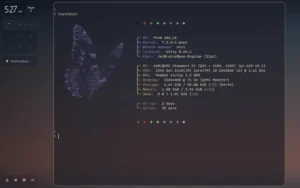
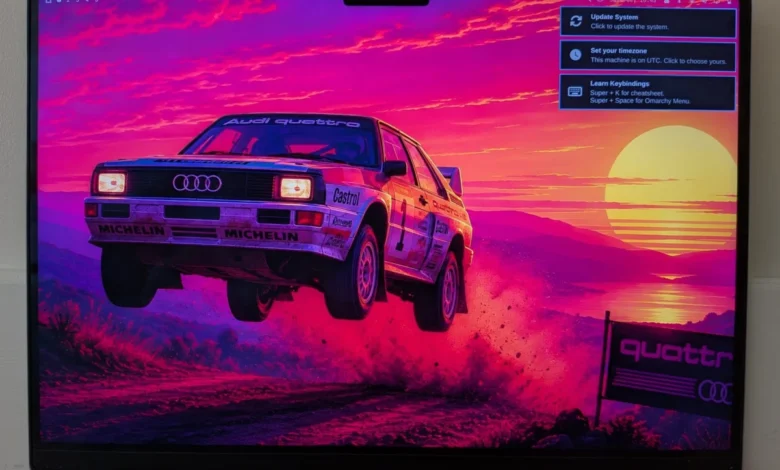
Omarchy M focuses on a streamlined, performance-oriented experience, heavily centered around the Hyprland tiling window manager. This distribution is designed for users who prioritize speed and efficiency, often stripping away redundant background services to maximize the capabilities of the M-series chips. It is a testament to the versatility of the Linux kernel that even specialized window managers can now run natively on Apple’s proprietary silicon.
6. Gravity Linux: The Developer-Focused Alpha
Gravity Linux represents the newest frontier. As an early-stage project, it is specifically targeting the M4-series chips. Unlike the established distributions, Gravity Linux is an experimental platform designed to iterate quickly as new hardware features are reverse-engineered. It is currently aimed at developers who are willing to accept the risks of pre-release software in exchange for being on the vanguard of hardware support.
Broader Impact and Industry Implications
The ability to run open-source operating systems on Apple Silicon has far-reaching implications for the technology industry. First, it challenges the "walled garden" narrative. By proving that open-source software can coexist with proprietary hardware, the Linux community has effectively forced a conversation about user agency and the right to control the hardware one owns.
From a development perspective, the M-series chips are among the most efficient processors on the market. Enabling native Linux support allows developers to utilize this power without being forced into a software ecosystem (macOS) that may not align with their server-side deployment needs. This has created a new class of "high-performance mobile development workstations," where the hardware is sourced from Apple but the environment is entirely dictated by the developer.
Furthermore, the reverse-engineering efforts performed by the Asahi project have contributed significantly to the global knowledge base regarding ARM-based architecture. Much of the documentation and driver work produced by this community is now being referenced by other kernel developers, ensuring that the legacy of this project will outlive the specific hardware it currently supports.
Conclusion and Future Outlook
The trajectory for Linux on Apple Silicon is one of rapid maturation. As of late 2026, the gap between macOS functionality and Linux functionality has narrowed to the point where, for many users, Linux is now a daily-driver-ready option. While features like Thunderbolt support, advanced power-saving states (suspend), and external display output still pose challenges on the newest chipsets, the rate of progress is undeniable.
As these projects continue to stabilize, the focus will likely shift from basic hardware enablement to long-term maintenance and integration. The ongoing success of these distributions is a clear signal that the demand for open, transparent, and user-controlled computing remains high, even within the most restrictive hardware ecosystems. For the tinkerer, the developer, and the privacy-conscious user, the dream of "Apple hardware, Linux software" has officially become a reality.