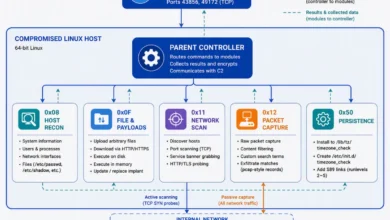
The Hidden Cost of Cheap Streaming: How Generic TV Boxes Are Fueling a Global Ad Fraud Empire

The marketplace for home entertainment has been revolutionized by low-cost, generic Android-based TV streaming boxes, which promise users unrestricted access to premium content for a nominal, one-time fee. However, a comprehensive investigation by security firm Bitsight has peeled back the curtain on a far more sinister reality. These devices are not merely passive hardware; they are active participants in a sophisticated, global cybercriminal operation. Researchers have discovered that these streaming sticks routinely impersonate legitimate mobile devices to simulate ad clicks on AI-generated websites, siphoning millions of dollars from advertising networks and unsuspecting merchants.
The Anatomy of the Fraud
The investigation, led by Bitsight threat researcher Pedro Falé, centered on the H96 brand of streaming devices, which are widely available through major global e-commerce platforms. By registering an expired domain previously used by the devices for telemetry, Falé gained unprecedented visibility into the backend of a sprawling botnet. The data revealed that tens of thousands of these devices, while physically located in living rooms worldwide, were broadcasting hardware identifiers belonging to high-end smartphones from manufacturers like Samsung, Huawei, Vivo, and Xiaomi.

This "spoofing" is a critical component of the fraud cycle. Advertising networks, which pay out based on human engagement, are programmed to prioritize mobile traffic. By masquerading as a mobile device, the H96 box ensures its fraudulent clicks are perceived as high-value, authentic user interactions. The operation is orchestrated by a mainland China-based entity, Zhejiang Fengwo IoT Technology Co., Ltd. (Fengwo Group), which utilizes proprietary software to convert these unsuspecting streaming boxes into a captive army of bots.
Chronology and Operational Methodology
The Fengwo Group’s infrastructure appears to have been in development for years, with the company’s roots tracing back to its founding in 2019. The operation functions with a high degree of automation, utilizing a proprietary implementation of Google’s Blockly—a visual programming language originally designed for educational purposes—to streamline its criminal output.
- Infiltration: Users purchase a "cheap" TV box, often marketed by influencers as a "jailbroken" or "unlocked" device.
- Backdoor Activation: Upon connection to the internet, the pre-installed firmware connects to the Fengwo Group’s servers.
- Task Assignment: The device receives instructions via the Blockly-based modules. If the user is watching television, the device acts as a "residential proxy," selling the user’s IP address to third parties for scraping or malicious activity.
- Ad Fraud Execution: When the HDMI signal indicates the TV is off, the box shifts to its primary monetization phase: silently launching web browsers in the background to visit AI-generated news and lifestyle websites.
- Human Simulation: To bypass fraud detection systems, the devices employ advanced vision and reasoning systems to mimic human behavior, such as scrolling, tab management, and clicking specific ads.
Economic Scale and Supporting Data
Bitsight’s analysis identified approximately 38,000 active H96 devices communicating with a single legacy domain. Based on this subset, researchers conservatively estimate the network generates approximately $50,000 in illicit revenue per day from ad fraud alone. This figure excludes the separate, highly lucrative revenue stream generated by renting out user bandwidth as a residential proxy.

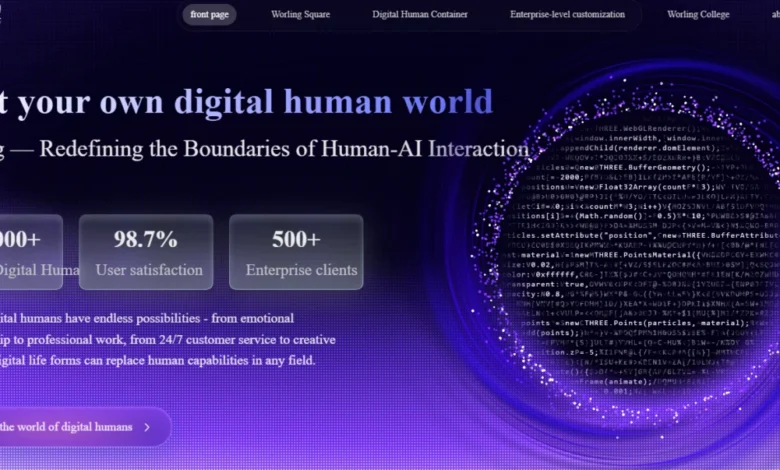
The Fengwo Group’s own marketing claims to possess over 120,000 "AI digital humans" for rent, a figure that analysts believe may be an attempt to mask the true scale of their botnet or to provide a facade of legitimacy to their web-scraping services. The lack of transparency and the use of shell identities in Hong Kong and Singapore serve as layers of obfuscation designed to prevent law enforcement from tracing the proceeds back to the parent company.
The Broader Security Landscape
This revelation arrives amidst a series of urgent warnings from global cybersecurity authorities. The FBI has repeatedly issued alerts regarding the risks posed by "grey-market" IoT devices. Because these devices often run unpatched, insecure versions of Android and lack robust authentication protocols, they represent a massive, persistent vulnerability in the modern home network.
In January 2026, the proxy-tracking service Synthient reported that millions of similar TV boxes had been enslaved by the "Kimwolf" botnet, which leveraged existing vulnerabilities in residential proxy software to commandeer home networks. This underscores a dual-threat environment: users are not only providing the processing power for ad fraud, but they are also inadvertently hosting criminal infrastructure that can be used for more severe cyberattacks against third parties.

Official Responses and Industry Accountability
Despite the recurring nature of these security reports, the devices remain readily available on major e-commerce platforms. When questioned about the presence of these products, many retailers point to their status as third-party marketplaces, shifting the burden of safety onto the consumer.
However, the industry is beginning to react. In July 2026, reports emerged that major manufacturers like LG were taking steps to restrict the use of residential proxy software within their Smart TV ecosystems. Yet, for the "generic" segment of the market—where brands appear and disappear overnight—regulation remains nearly impossible.
The Fengwo Group itself has proven unreachable. Attempts to contact the organization via the email address listed on their official website (fwgcloud.com) resulted in delivery failures, with mail servers indicating that their accounts were either full or blocked due to the volume of incoming traffic—a potential sign of the organization’s high-traffic operational status.

Implications for the Consumer
The implications of this discovery are profound for the average consumer. Beyond the moral and legal issues of hosting an ad-fraud botnet, the technical reality is that these devices can significantly degrade a home’s internet performance. By constantly running background tasks and relaying traffic for unknown third parties, these boxes consume bandwidth that the owner pays for, effectively forcing the consumer to subsidize the operations of an international criminal network.
Security experts emphasize that the primary defense against this threat is vigilance. "Certified" devices—those bearing the official Android TV or Google TV branding and passing Google’s Play Protect certification—are subject to rigorous security standards that preclude the pre-installation of such malicious software.
As digital threats become increasingly sophisticated, the "you get what you pay for" adage has never been more relevant. The convenience of a $30 streaming device that promises "everything for free" carries a hidden, compounding cost: the compromise of home privacy, the theft of internet bandwidth, and the inadvertent facilitation of a global digital fraud machine. For those seeking to secure their home networks, the advice from researchers is clear: avoid unbranded, "unlocked" streaming hardware, and prioritize devices from reputable manufacturers that provide consistent, verified security updates.

The Bitsight report concludes that until e-commerce giants implement stricter vetting processes for the electronics sold on their platforms, the responsibility for identifying and neutralizing these threats will continue to fall squarely on the shoulders of the consumer. In an era where every device is a potential node in a larger network, the security of the home is only as strong as the least secure device plugged into the router.