Overcoming Initial Hurdles: Resolving "This Video Format Is Not Supported" Errors on New MacBooks for YouTube TV Streaming

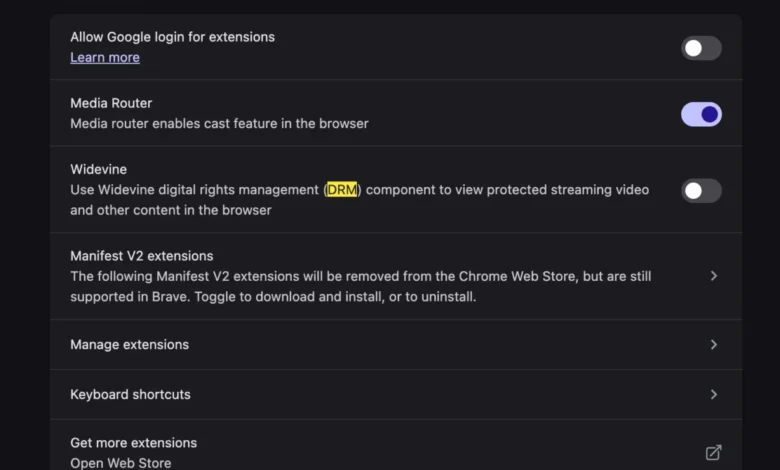
The acquisition of a new computer often brings with it the promise of enhanced performance, a pristine digital environment free from accumulated clutter, and a generally smoother user experience. However, this initial period of technological bliss can sometimes be interrupted by unforeseen compatibility issues or software configurations that emerge with new hardware. One such frequently reported challenge, particularly for users of Apple’s MacBook line attempting to access streaming services like YouTube TV, is the perplexing "This video format is not supported" error message. This issue, while seemingly pointing to a fundamental incompatibility, is often rooted in the absence or misconfiguration of a critical digital rights management (DRM) component known as Widevine.
The incident, representative of countless user experiences, typically unfolds shortly after a user has meticulously set up their new MacBook, ensuring all essential applications are installed and system updates are applied. With the expectation of seamless media consumption, a user might navigate to YouTube TV to watch live television, only to be met with a stark, frustrating error message. This immediate disruption of intended usage underscores a common pain point in modern computing: the delicate interplay between hardware, operating systems, web browsers, and proprietary content protection technologies. The inability to access desired content, especially live broadcasts, transforms a minor technical glitch into a significant impediment to entertainment or information access. Initial reactions often involve questioning the new hardware’s capabilities or the streaming service’s compatibility, leading to a period of troubleshooting that, without specific knowledge, can be both time-consuming and fruitless.
Understanding Widevine DRM: The Digital Gatekeeper
At the core of the "video format not supported" error for many streaming platforms lies Widevine, a robust digital rights management technology developed by Google. Widevine’s primary function is to protect copyrighted video content from unauthorized access, copying, and distribution. It achieves this by encrypting video streams and ensuring that only authorized devices and applications with the correct decryption keys can play the content. Major streaming services, including YouTube TV, Netflix, Amazon Prime Video, Hulu, and Disney+, extensively rely on Widevine to enforce their content licensing agreements and safeguard their intellectual property.
The technology operates through a client-server architecture. When a user initiates a video stream on a platform using Widevine, the client device (e.g., a web browser or a dedicated app) requests a license key from the Widevine license server. This key is then used to decrypt the encrypted video stream, allowing playback. This entire process occurs securely in the background, designed to be transparent to the end-user. However, if the Widevine component within the browser or application is disabled, corrupted, or not properly installed, the decryption process fails, resulting in errors like "This video format is not supported" because the system cannot process the encrypted stream.

Widevine is broadly categorized into three security levels: L1, L2, and L3. L1 provides the highest level of security, with content decryption and processing occurring entirely within a Trusted Execution Environment (TEE) of the device’s hardware. L2 involves hardware-based decryption but software-based processing, while L3 relies solely on software-based decryption. The specific security level required often depends on the content provider’s policies and the resolution of the content being streamed. For general web browser playback on platforms like YouTube TV, the browser’s integrated Widevine Content Decryption Module (CDM) is crucial.
Common Causes of Streaming Errors Beyond Widevine
While Widevine misconfiguration is a significant contributor to "video format not supported" errors, it is important to acknowledge a broader spectrum of potential causes that can lead to similar issues. Understanding these allows for a more comprehensive troubleshooting approach.
- Outdated Browser or Operating System: Web browsers and operating systems are continuously updated to improve security, performance, and compatibility with new web standards and media formats. An outdated browser might lack the necessary codecs or DRM module updates to play certain content. Similarly, an older macOS version might not fully support the latest browser iterations or streaming technologies.
- Browser Extensions and Add-ons: Certain browser extensions, particularly those related to privacy, ad-blocking, or network proxying, can interfere with how streaming services and DRM components operate. These extensions might inadvertently block necessary scripts or data flows required for content decryption.
- Corrupted Browser Cache and Cookies: Accumulated browsing data can sometimes become corrupted, leading to unexpected behavior on websites, including streaming platforms. Clearing the browser’s cache and cookies can resolve these underlying data conflicts.
- Network Connectivity Issues or VPN Usage: While less common for "format not supported" errors and more for buffering or loading issues, unstable internet connections can sometimes cause partial data loads that manifest as playback errors. Furthermore, using a Virtual Private Network (VPN) can, in some cases, confuse geo-restriction systems or interfere with DRM handshakes, though modern VPNs are generally adept at bypassing such issues.
- Hardware Acceleration Conflicts: Modern browsers often utilize hardware acceleration to offload graphics processing to the GPU, improving performance. In rare instances, conflicts with GPU drivers or specific hardware acceleration settings can lead to video playback problems.
- Specific Content Restrictions: Less frequently, a "format not supported" message might genuinely indicate that the content is not available in a particular region or on a specific device due to licensing agreements, though this is usually accompanied by a more explicit geo-restriction message.
A Step-by-Step Resolution: Enabling Widevine
For the specific "This video format is not supported" error on YouTube TV on a MacBook, particularly when using browsers like Google Chrome, Mozilla Firefox, or Microsoft Edge, the most direct and effective solution typically involves ensuring the Widevine Content Decryption Module (CDM) is enabled and up-to-date.
For Google Chrome:
Google Chrome, being a Chromium-based browser, integrates Widevine directly.
- Access Chrome Settings: Open Chrome and type
chrome://settings/content/protectedContentinto the address bar and press Enter. Alternatively, navigate to Settings > Privacy and Security > Site Settings > Protected content IDs. - Enable Widevine: Ensure the option labeled "Sites can play protected content" or "Allow sites to play protected content (recommended)" is toggled on. If it’s already on, toggle it off and then back on.
- Check Components: In some cases, the Widevine CDM might need an update. Type
chrome://componentsinto the address bar and press Enter. Locate "Widevine Content Decryption Module" and click "Check for update." - Restart Browser: Close and reopen Chrome for the changes to take effect.
For Mozilla Firefox:
Firefox also supports Widevine, though its implementation and management might differ slightly from Chrome.

- Access Firefox Settings: Open Firefox and click on the menu icon (three horizontal lines) in the top-right corner, then select "Settings" (or "Preferences" on macOS).
- Navigate to General: In the Settings tab, select "General" from the left-hand menu.
- Enable DRM Content: Scroll down to the "Digital Rights Management (DRM) Content" section. Ensure the checkbox labeled "Play DRM-controlled content" is checked. Firefox usually downloads and enables the Widevine CDM automatically when this option is selected.
- Restart Browser: Close and reopen Firefox.
For Microsoft Edge (Chromium-based):
Like Chrome, the new Chromium-based Microsoft Edge integrates Widevine.
- Access Edge Settings: Open Edge and type
edge://settings/content/protectedContentinto the address bar and press Enter. Alternatively, navigate to Settings > Cookies and site permissions > Protected content IDs. - Enable Widevine: Ensure the option labeled "Allow sites to play protected content (recommended)" is toggled on.
- Check Components: Similar to Chrome, you can sometimes check for component updates by typing
edge://componentsinto the address bar and looking for Widevine. - Restart Browser: Close and reopen Edge.
After ensuring Widevine is enabled and updated, clearing the browser’s cache and cookies is often a beneficial supplementary step to eliminate any lingering data conflicts. A full restart of the MacBook itself can also ensure all system processes and browser components are refreshed.
The Broader Landscape of Digital Rights Management
The reliance on Widevine for YouTube TV on a MacBook is a microcosm of the broader digital rights management landscape that underpins modern streaming. The history of DRM is long and complex, evolving from early attempts to protect software and music on physical media to sophisticated systems for digital content. Early DRM efforts were often criticized for being overly restrictive and user-unfriendly. However, with the explosion of online streaming, robust DRM became a non-negotiable requirement for content creators and distributors to license their vast libraries.
The streaming industry largely operates on a multi-DRM strategy, where different DRM systems coexist. Apple, for instance, has its proprietary FairPlay Streaming (FPS) system, which is deeply integrated into macOS, iOS, and Safari, and is used by services like Apple TV+. Microsoft developed PlayReady, which is prevalent in Windows environments and Xbox. This fragmentation necessitates that streaming services often encode their content to be compatible with multiple DRM schemes, or they rely on a single dominant one like Widevine for broad cross-platform browser support.
The existence of multiple DRM systems can sometimes lead to compatibility headaches for users, particularly when transitioning between different ecosystems or devices. However, the overarching goal remains consistent: to provide a secure channel for premium content delivery, thereby enabling the continued investment in high-quality productions that fuel the streaming economy.

Manufacturer and Platform Perspectives
From the perspective of Google (YouTube TV and Widevine developers), the implementation of Widevine is paramount for securing content and upholding licensing agreements with content providers. Their stance is unequivocally focused on ensuring content protection while striving for a seamless user experience. Troubleshooting guides from YouTube TV and Google often point users towards checking browser settings for Widevine, underscoring its foundational role. They would infer that such errors are typically client-side configuration issues rather than systemic flaws in the DRM technology itself.
Apple, as the manufacturer of MacBooks, designs its hardware and macOS with robust security features. While Safari primarily leverages FairPlay, Apple’s ecosystem generally supports third-party browsers that integrate Widevine. Their inferred perspective would emphasize the open nature of macOS in allowing users to install various browsers, but ultimately place the responsibility for specific browser plugin configurations on the user and the browser developer. Apple’s commitment is to provide a secure and stable platform, and third-party software compatibility is a shared responsibility.
Browser developers (Mozilla, Microsoft, Google for Chrome) infer that the integration of DRM technologies like Widevine is a necessary compromise to offer users access to a vast array of streaming content. They aim to make these integrations as transparent and user-friendly as possible, providing settings for users to manage their preferences while ensuring that the underlying technology is secure and up-to-date. Regular browser updates often include Widevine CDM updates to address vulnerabilities and improve performance.
Statistical Context and User Experience
The global streaming market is a colossal industry. As of 2023, the video streaming market size was valued at over $473 billion, with projections indicating significant growth. Platforms like YouTube TV, with millions of subscribers, represent a substantial portion of this market. Concurrently, Apple’s MacBook line continues to hold a significant share in the premium laptop market, with millions of units sold annually. This confluence of high-end hardware and pervasive streaming services means that even minor technical glitches, like a Widevine error, can impact a vast user base.
Data on specific "video format not supported" errors due to Widevine misconfiguration is not typically aggregated publicly, but general tech support forums and user communities frequently feature discussions around these types of streaming issues. This suggests that while the solution is relatively straightforward, the initial diagnostic process can be daunting for the average user who may not be familiar with DRM components or advanced browser settings. The frustration levels are often high, as users expect modern technology to "just work," especially on premium devices. The time spent troubleshooting detracts from the intended entertainment or informational consumption, highlighting the importance of clear, accessible solutions.

Preventative Measures and Best Practices
To minimize the chances of encountering "This video format is not supported" errors and other streaming impediments on new devices, users can adopt several best practices:
- Regular Software Updates: Keep macOS and all web browsers updated to their latest versions. These updates often include critical security patches and compatibility improvements for DRM components.
- Mindful Browser Extension Usage: Be judicious about installing browser extensions. If streaming issues arise, try disabling all extensions temporarily to diagnose if one is the culprit.
- Clear Browser Data Periodically: Routinely clear browser cache and cookies, especially if experiencing intermittent website issues.
- Verify Widevine Settings: Familiarize yourself with how to access and verify Widevine (or protected content) settings in your preferred browser. This knowledge empowers quick self-resolution.
- Test Multiple Browsers: If an issue persists in one browser, try another. Different browsers handle DRM and media playback slightly differently, and a problem might be isolated to a specific browser’s configuration.
- Avoid Unnecessary VPN Usage for Streaming: While VPNs offer privacy benefits, they can sometimes complicate streaming by triggering geo-restrictions or interfering with DRM handshakes. If you suspect a VPN is causing issues, temporarily disable it.
Conclusion: Navigating the Digital Entertainment Ecosystem
The initial euphoria of setting up a new MacBook, a device renowned for its performance and user experience, can be temporarily dampened by seemingly cryptic errors like "This video format is not supported" when accessing popular streaming platforms such as YouTube TV. However, as demonstrated, this particular issue is frequently not an indictment of the hardware’s capabilities but rather a consequence of the intricate digital rights management ecosystem. The solution, often as simple as enabling or updating the Widevine Content Decryption Module within the web browser, underscores the critical role of these unseen technologies in facilitating secure content delivery.
By understanding the function of Widevine, recognizing the common causes of streaming errors, and knowing the specific steps to enable DRM components, users can swiftly overcome these initial hurdles. This knowledge transforms a potentially frustrating technical encounter into a quick resolution, allowing users to fully leverage their new devices for seamless access to the vast and ever-growing world of digital entertainment. The ongoing interplay between content protection, user convenience, and technological evolution remains a defining characteristic of the modern digital landscape, requiring both robust engineering and informed user engagement.