Streamlining Incident Response: Integrating AWS DevOps Agent with Enterprise Ticketing Systems through Event-Driven Architecture

In the modern landscape of cloud-native operations, the fragmentation of tooling remains a persistent challenge for engineering organizations. As operational complexity increases, the ability to centralize incident investigation becomes critical to maintaining high availability and reducing mean time to resolution (MTTR). AWS DevOps Agent, a service designed to investigate operational anomalies and identify potential root causes, has recently seen a shift in how it interacts with the broader enterprise ecosystem. By leveraging the AWS Cloud Development Kit (AWS CDK) and Amazon EventBridge, engineering teams can now bridge the gap between automated AWS diagnostics and traditional IT Service Management (ITSM) platforms like Jira Cloud, ServiceNow, or PagerDuty.
The Problem of Context Switching
For many DevOps teams, the primary workspace is not the AWS Management Console, but rather a ticketing system or an incident management dashboard. When an AWS DevOps Agent identifies an operational issue, the investigation data is initially confined to the AWS ecosystem. This separation forces engineers to constantly pivot between the AWS console and their internal project management tools. This "context switching" is more than a mere inconvenience; it often leads to a fragmented audit trail. When the history of an investigation is scattered across multiple platforms, the institutional knowledge gained during the troubleshooting process is difficult to reconstruct, archive, or analyze for post-incident reviews.
Industry research consistently shows that developers and SREs spend a significant portion of their time gathering data rather than resolving issues. By integrating automated investigation agents directly into the workflow of a ticketing system, organizations can ensure that every relevant diagnostic log, status update, and final root cause analysis is automatically appended to the official record. This transformation of raw event data into structured, actionable tickets represents a significant leap forward in operational maturity.
Architectural Framework: An Event-Driven Approach
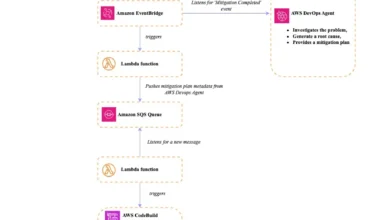
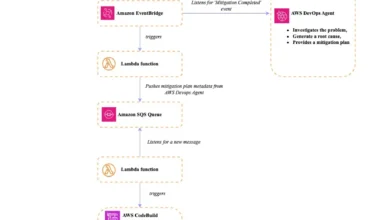
The solution to this fragmentation lies in an event-driven architecture that treats AWS DevOps Agent’s investigative progress as a stream of discrete events. When an investigation is initiated within an AWS DevOps Agent "Agent Space," the service emits events through Amazon EventBridge. By utilizing a specific event source—aws.aidevops—and filtering for detail-types that begin with the Investigation prefix, developers can create a robust pipeline that triggers custom logic without modifying the core agent behavior.
This architecture relies on several core AWS services to function:
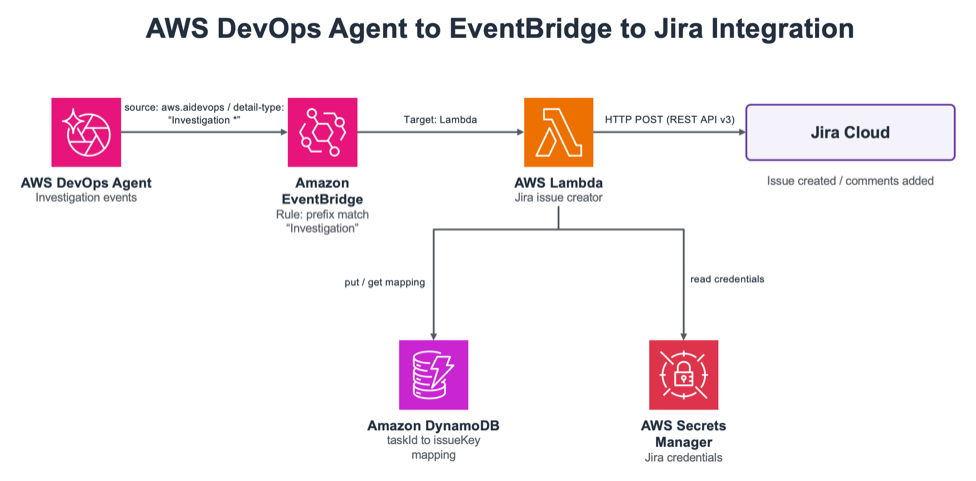
- Amazon EventBridge: Acts as the central nervous system, capturing investigation events and routing them to the appropriate targets.
- AWS Lambda: Serves as the compute layer, processing incoming events and interacting with external APIs.
- Amazon DynamoDB: Provides a persistent lookup table, storing the critical mapping between an investigation’s
task_idand the corresponding Jira issue key. - AWS Secrets Manager: Ensures enterprise-grade security by decoupling sensitive API tokens and credentials from the application code.
By offloading the integration logic to a serverless Lambda function, organizations avoid the need for complex, long-running middleware. If an organization decides to transition from Jira to another platform, such as ServiceNow, the integration logic remains localized within the function code, requiring minimal architectural overhead.
Implementation Chronology and Operational Flow
The deployment of this integration follows a structured path designed for repeatability. First, practitioners must establish the necessary infrastructure using the AWS CDK, which automates the provisioning of EventBridge rules, Lambda functions, and IAM roles.
The operational lifecycle of an investigation under this framework typically follows a five-stage chronology:
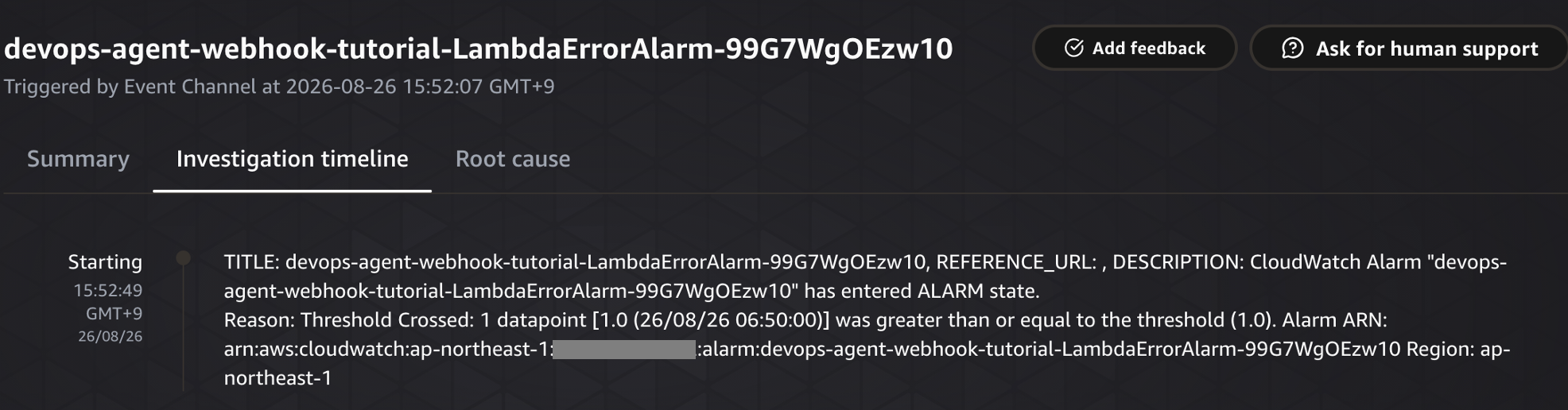
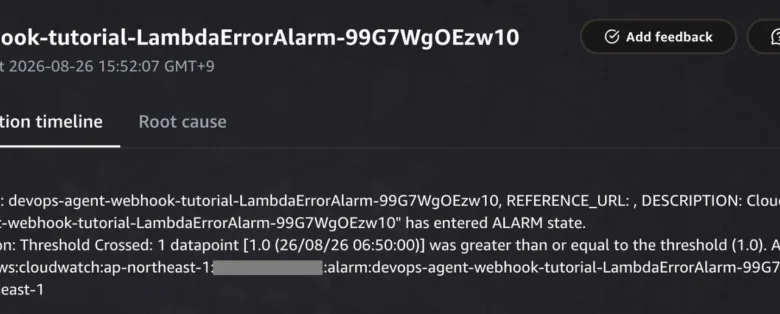
- Initiation: An operational anomaly triggers a CloudWatch alarm, prompting the AWS DevOps Agent to start an investigation. An
Investigation Createdevent is emitted. - Routing: EventBridge detects the
Investigation Createdsignal and invokes the Lambda function. - Synchronization: The Lambda function queries the AWS DevOps Agent
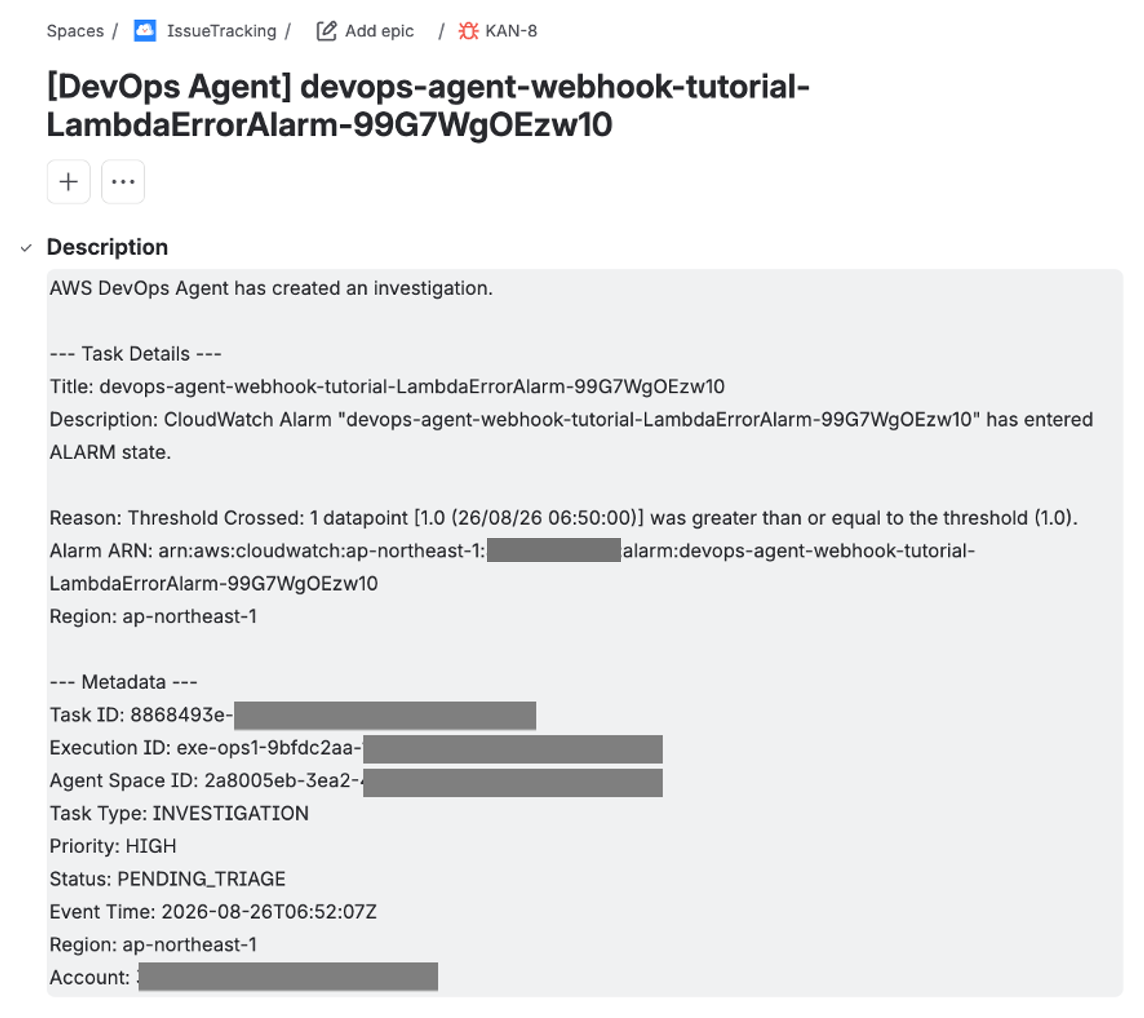
GetBacklogTaskAPI to pull descriptive data, creates a new issue in the target Jira project, and writes thetask_idtotask_idmapping into a DynamoDB table. - Iterative Updates: As the investigation evolves—moving through states like
IN_PROGRESSorCOMPLETED—the Lambda function utilizes the DynamoDB table to identify the correct issue and appends status updates as comments. - Resolution: Upon completion, the final root cause analysis is pushed to the ticket, effectively closing the feedback loop for the responder.
Supporting Data and Security Considerations
Security remains a top priority when building integrations between cloud infrastructure and third-party SaaS platforms. By utilizing AWS Secrets Manager, the solution mitigates the risk of credential leakage. Credentials, including Jira base URLs, user emails, and API tokens, are stored as encrypted secrets, which the Lambda function retrieves at runtime. This practice ensures that no sensitive information is ever committed to version control systems or stored in plain-text environment variables.
Furthermore, the use of DynamoDB for state management ensures high availability and low-latency access to mapping data. As an investigation progresses, the system’s ability to correctly map events to existing tickets is essential for maintaining a clean and accurate incident history. Data structures within the event payload—specifically the detail.metadata.task_id—serve as the primary index, ensuring that even if an investigation runs for hours, every update is correctly sequenced within the original ticket.
Broader Implications for Enterprise DevOps
The ability to automatically synchronize AWS-native diagnostic output with external ticketing systems has profound implications for team productivity. In large-scale enterprise environments, where cross-departmental collaboration is standard, the lack of transparency between cloud infrastructure and management layers often becomes a bottleneck.
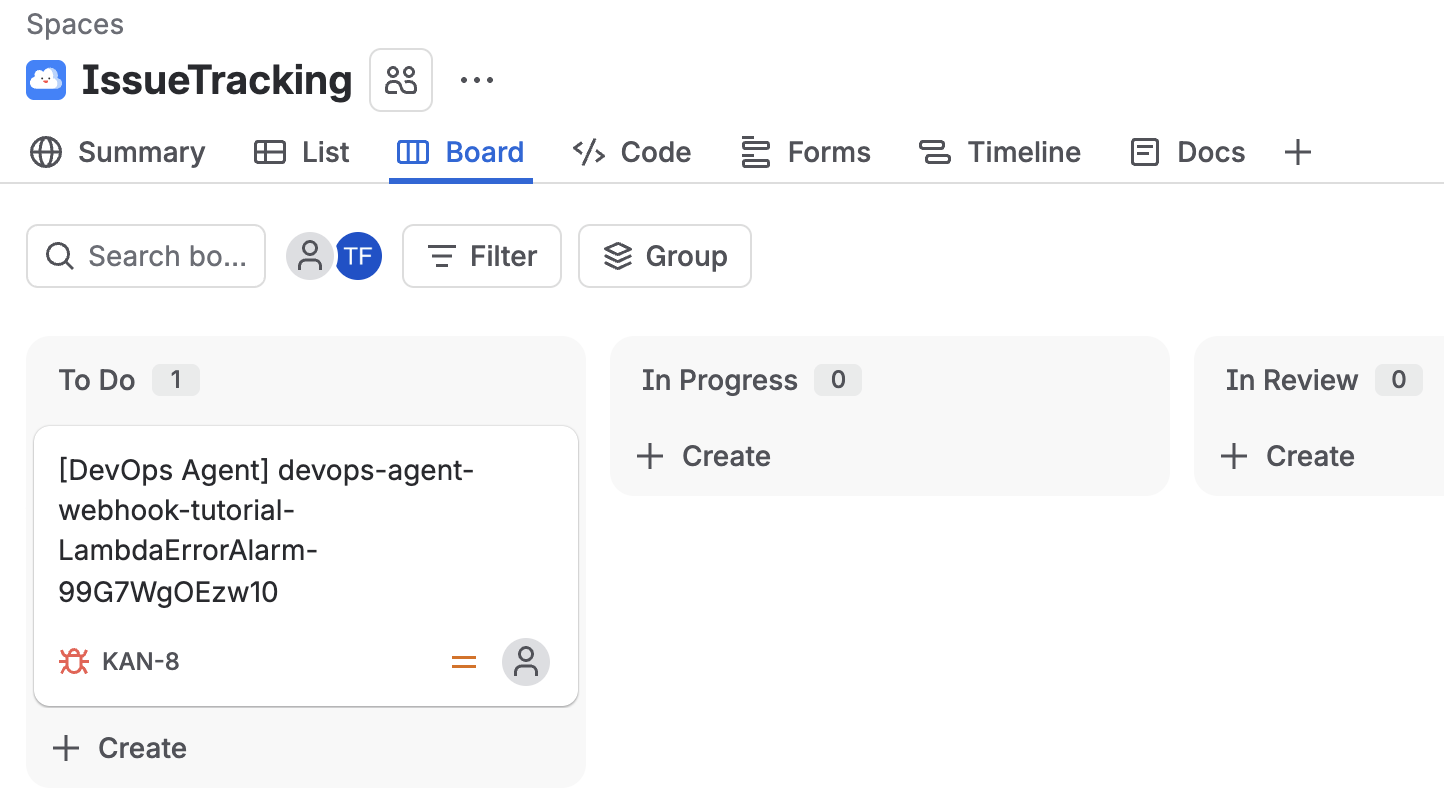
By standardizing this integration pattern, organizations can achieve several key operational objectives:
- Improved Auditability: Every investigation is automatically documented, satisfying compliance requirements for incident reporting.
- Reduced Latency: By pushing data to engineers where they already work, teams can respond to alerts faster without needing to navigate the AWS console during a high-pressure incident.
- Knowledge Retention: The "root cause" identified by the AI agent is stored permanently in the ticket, allowing for easier trend analysis and the identification of systemic technical debt over time.
Future Perspectives and Adaptability
While this model uses Jira Cloud as its primary example, the versatility of the event-driven approach cannot be overstated. The same pattern—EventBridge rule plus a Lambda function—can be repurposed for virtually any platform that exposes a REST API. For teams using PagerDuty, this integration could trigger automated alerts that include a summarized root cause, significantly reducing the amount of manual analysis required during on-call rotations.
As AWS continues to enhance the capabilities of the DevOps Agent, the richness of the metadata provided in these events will likely increase. Future iterations might allow for deeper integration, such as bi-directional synchronization where resolving a ticket in Jira automatically updates the status of an investigation in the AWS DevOps Agent console.
For organizations looking to deploy this solution, the path is clear: start by configuring the appropriate IAM permissions, define the EventBridge rules, and utilize the provided AWS CDK templates to establish a foundational bridge. The result is a more cohesive, efficient, and well-documented operational environment that allows engineers to focus on resolution rather than information gathering. As the industry moves toward more autonomous operations, the ability to weave disparate tools into a unified, event-driven fabric will be the hallmark of the most successful engineering organizations.