Lumen 1.4 Unleashes Conversational Data Analysis with Expanded Model Support and Enhanced Geospatial Capabilities

The release of Lumen 1.4 marks a significant milestone in the evolution of open-source data exploration frameworks. Developed within the HoloViz ecosystem and built upon the robust Panel foundation, Lumen has established itself as a primary tool for users seeking to bridge the gap between complex datasets and actionable insights through natural language interaction. By allowing users to converse with their data, Lumen translates questions into SQL queries, data transformations, and high-fidelity visualizations, maintaining full transparency at every stage of the analytical pipeline. The latest iteration, version 1.4, dramatically lowers the barrier to entry by removing mandatory API key requirements, introducing sophisticated geospatial rendering, and enabling automated narrative generation for reports.
Evolution and Background of the Lumen Framework
Lumen emerged from the necessity for a more intuitive interface in the data science lifecycle. Historically, creating interactive dashboards required significant boilerplate code and specialized knowledge of various visualization libraries. Lumen was designed to streamline this process by leveraging Large Language Models (LLMs) as the intelligent agent responsible for bridging the user’s intent with backend data processing. Since its initial 1.0 release, the project has focused on modularity, allowing developers to connect to diverse data sources while maintaining a consistent, editable, and re-runnable workflow.
The 1.4 update arrives at a time when the industry is pivoting toward "agentic" workflows—systems that do not merely execute commands but plan, iterate, and verify their own outputs. By integrating deeper observability and validation mechanisms, the development team behind Lumen has addressed one of the most persistent criticisms of AI-driven data analysis: the "black box" problem. In version 1.4, every step of the analytical process remains inspectable, ensuring that users can audit the SQL generated by the LLM and modify the underlying Vega-Lite specifications if the automated output requires refinement.
Accessibility: Removing the API Key Barrier
One of the most consequential changes in version 1.4 is the democratization of access to the framework. Previously, users were required to provide an API key from major providers like OpenAI or Anthropic to utilize the system’s core features. The new release introduces four distinct paths for users to operate Lumen without upfront costs or individual account configurations.
Lumen now supports direct integration with popular coding Command Line Interfaces (CLIs), including Claude Code, GitHub Copilot, and Codex. By leveraging these existing authenticated environments, users can run lumen-ai serve without managing separate keys for the framework. Furthermore, the introduction of the "Kilo" provider offers a free-tier service that requires no account registration, though it functions as a shared resource with rate limits. For developers prioritizing data privacy and offline performance, the framework now features improved support for local models via Ollama. By defaulting to high-efficiency models like the Qwen 3.5 9B, the system ensures that performance remains stable even on hardware that lacks significant computational overhead.
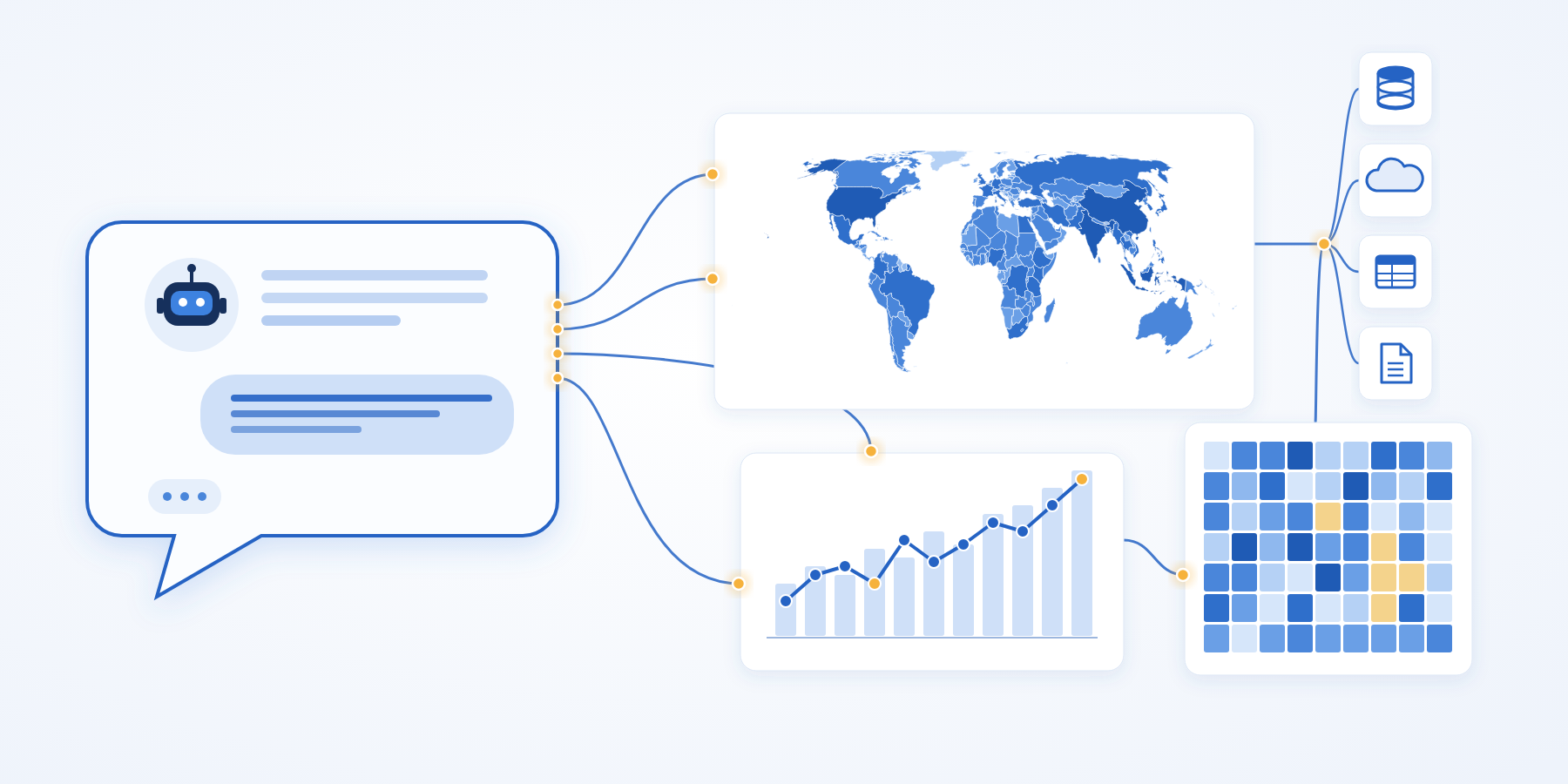
Advancements in Geospatial Data Visualization
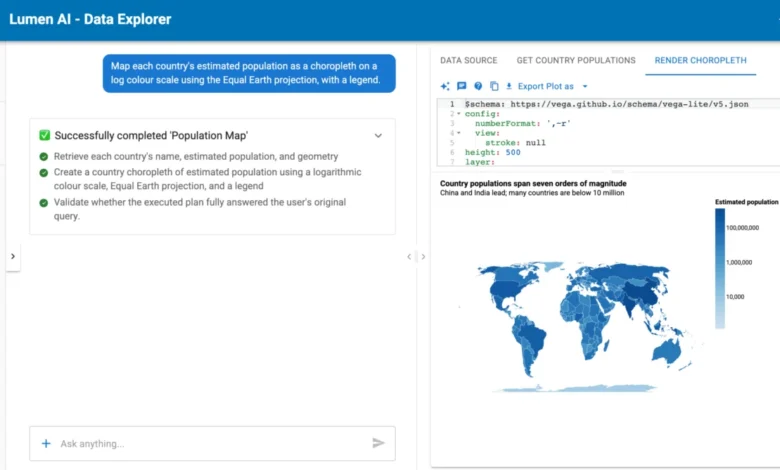
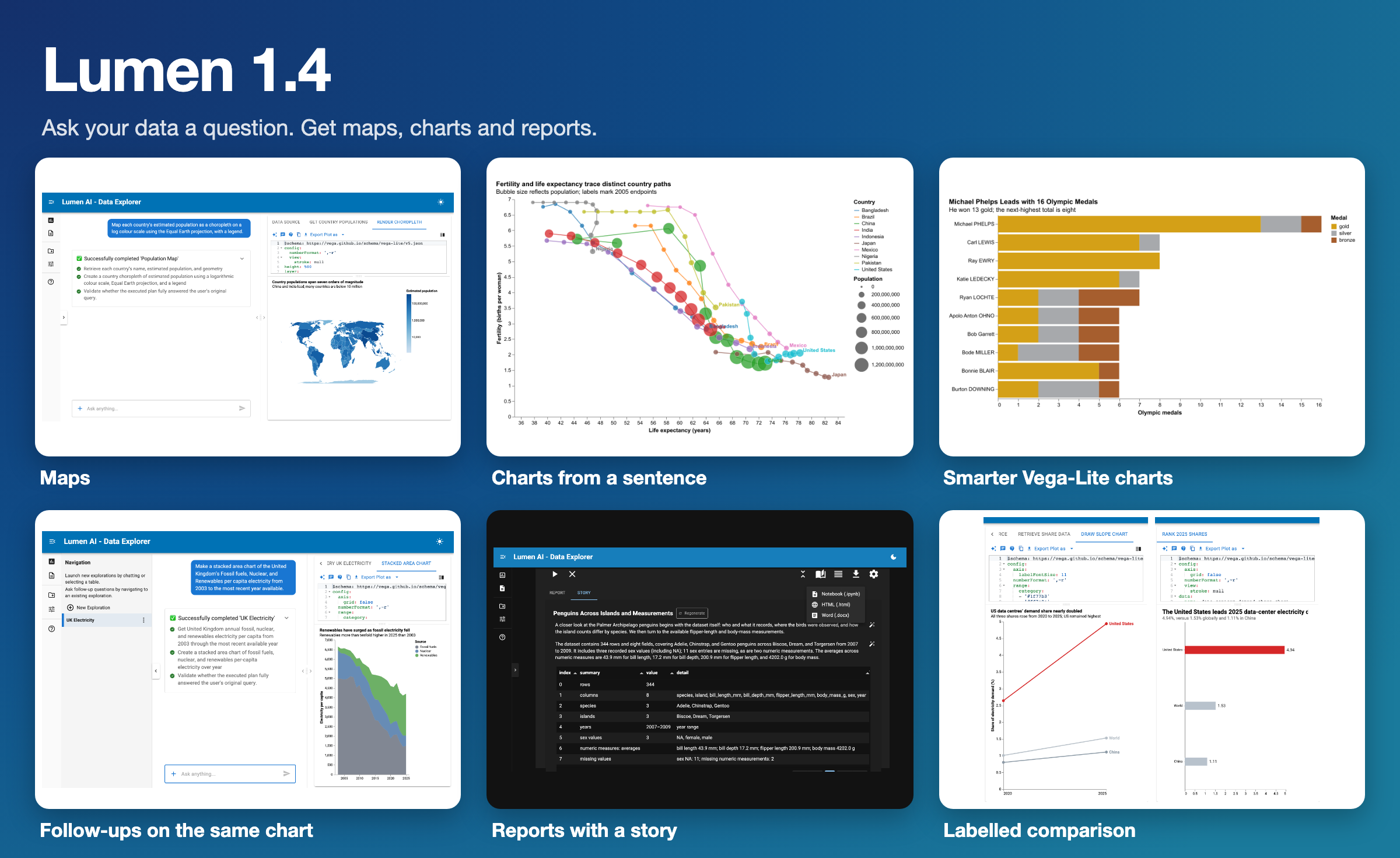
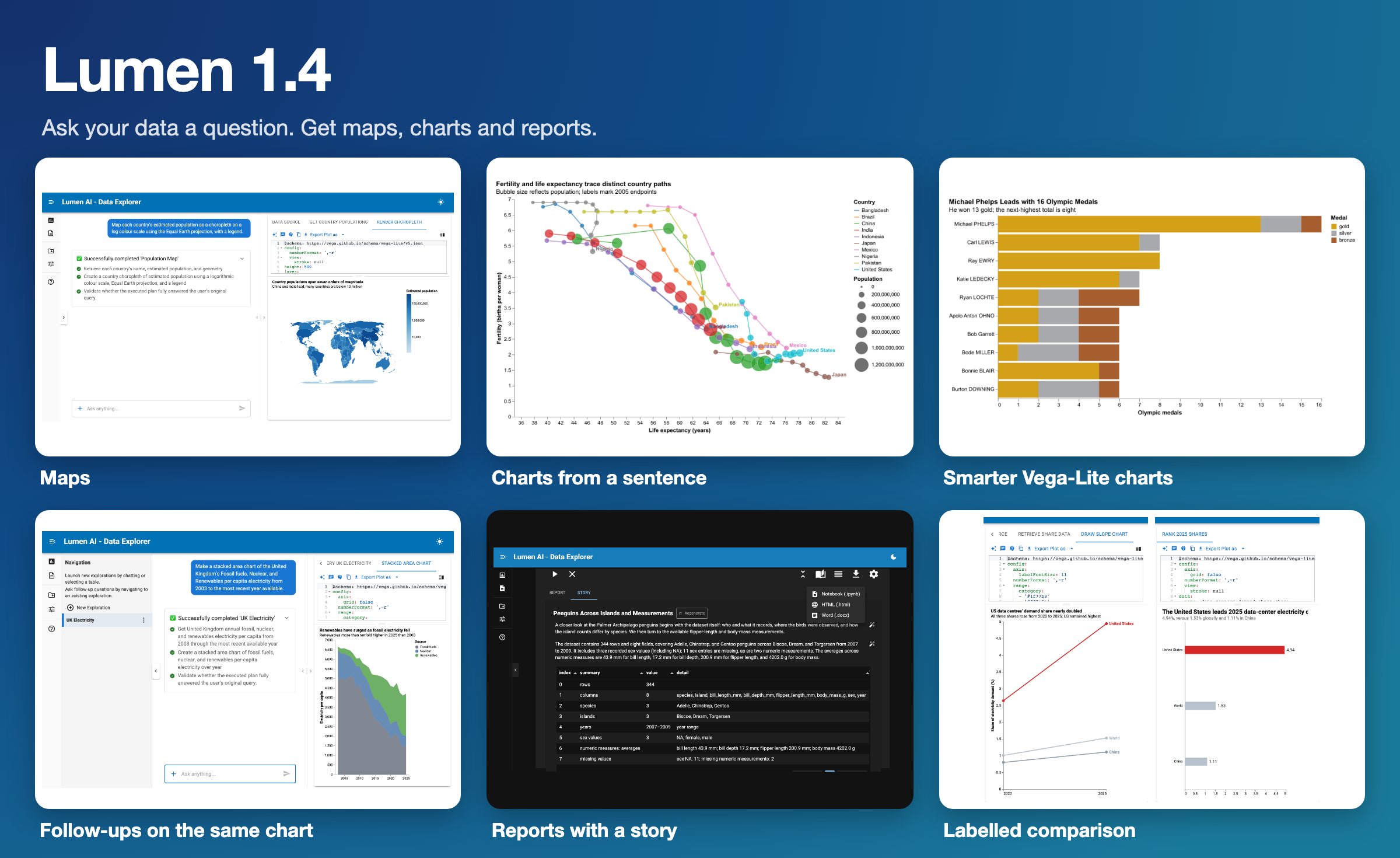
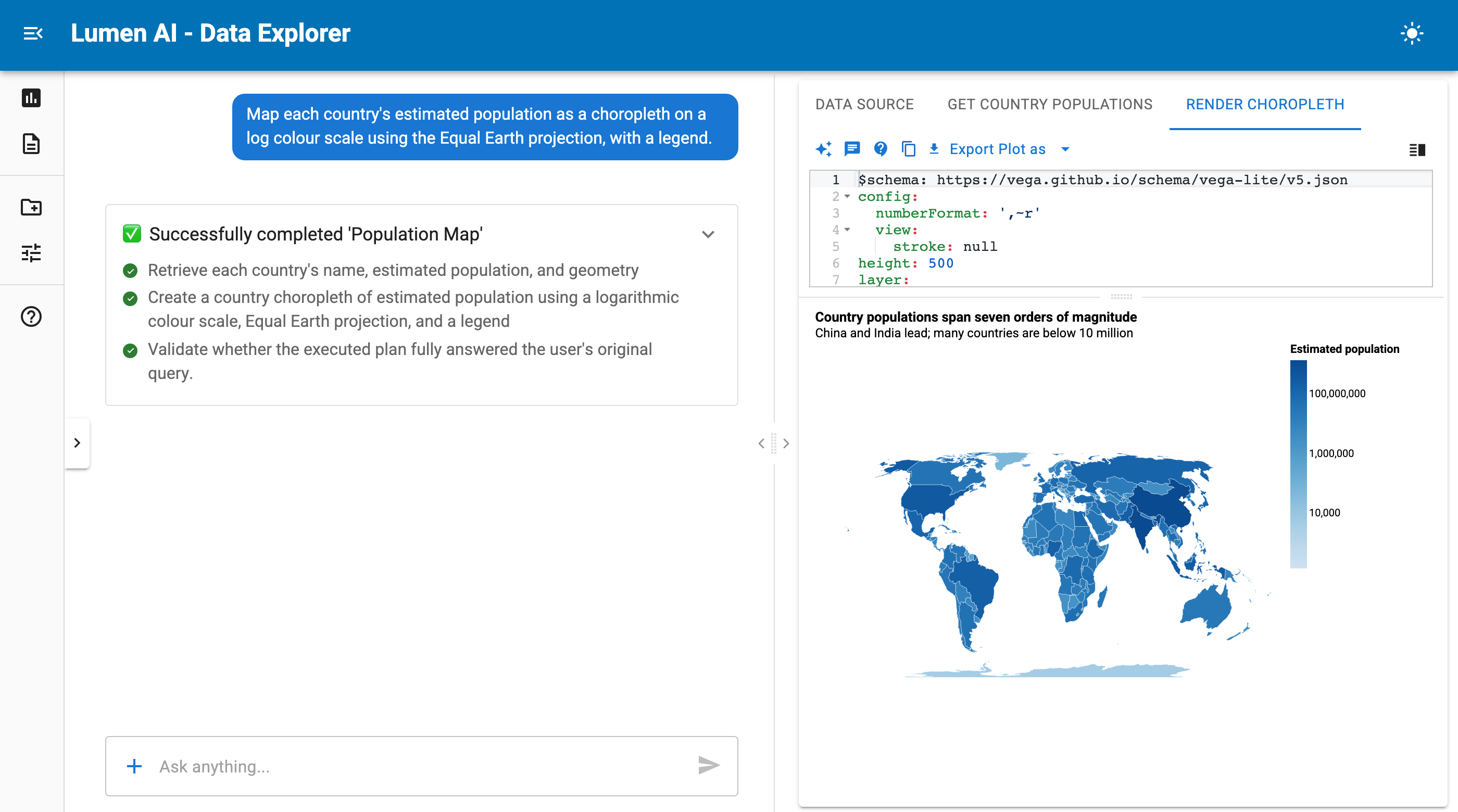
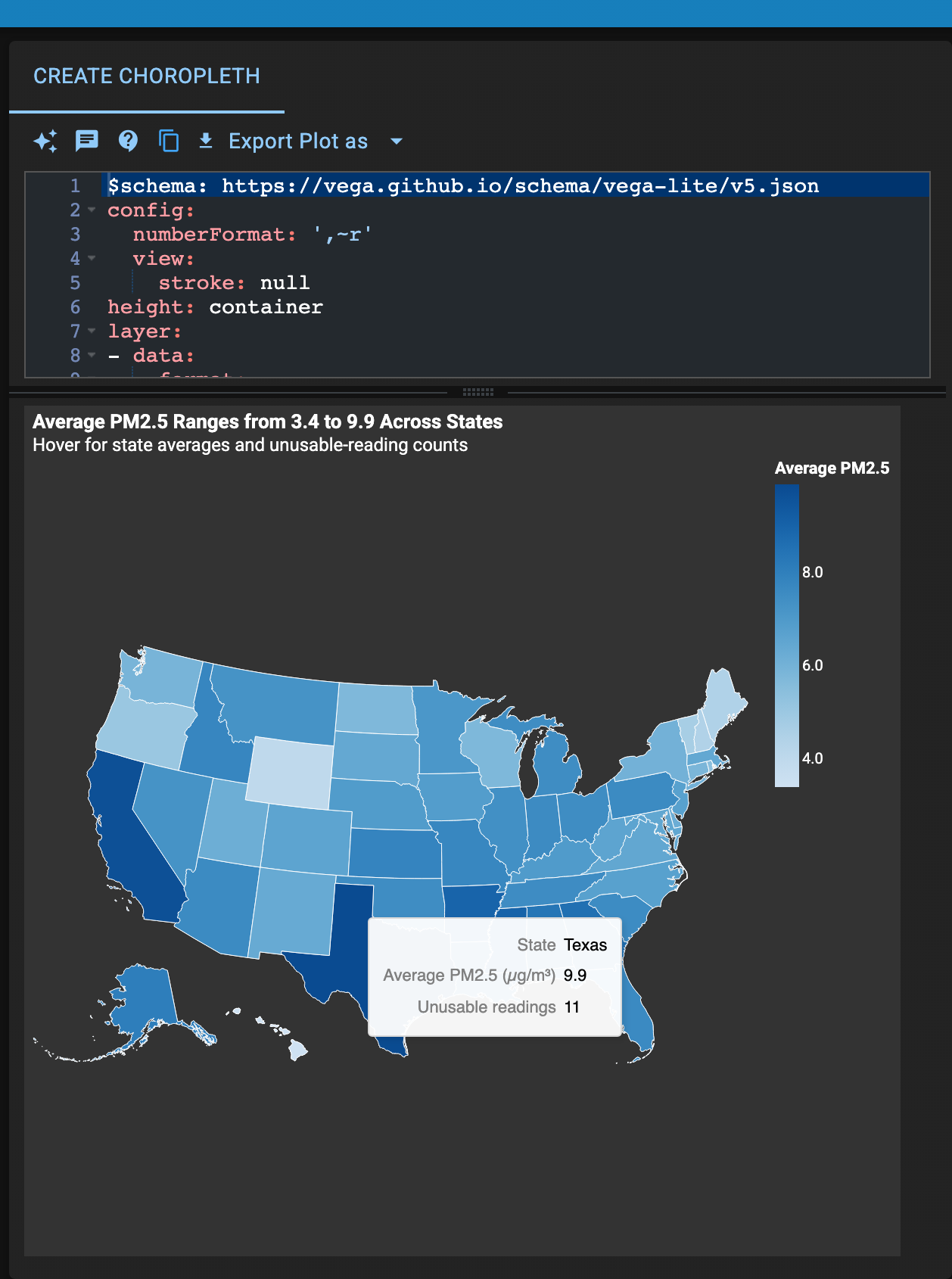
The 1.4 release introduces native support for geospatial data, a critical feature for sectors ranging from environmental science to logistics. By utilizing standard file formats such as GeoJSON, WKT, and zipped shapefiles, users can now generate complex choropleth maps through simple conversational prompts. The system automatically handles the mapping of geometry columns, allowing for sophisticated visualizations like population density maps or climate trend analysis with minimal configuration.
This functionality is augmented by the framework’s ability to handle interactive elements, including tooltips and theme-aware styling. By linking the LLM’s analytical output directly to Vega-Lite specifications, Lumen ensures that maps are not merely static images but interactive components of a broader data story. The technical implementation of this feature involved resolving long-standing issues in coordinate projection and layer rendering, ensuring that data-driven maps align accurately with standard geographic projections.
Automating the Narrative: Intelligent Reporting
Perhaps the most significant productivity improvement in version 1.4 is the new "Annotate" feature for reports. A recurring challenge in data journalism and business intelligence is the manual effort required to summarize findings after a complex exploration. Lumen now automates this process by using an LLM to interpret the generated tables and charts, producing a cohesive narrative summary at the top of the report.
This narrative is not static; it is editable via a built-in text editor, allowing human analysts to fine-tune the AI-generated prose before finalizing the output. To further enhance utility in professional environments, the framework now supports direct exports to Microsoft Word (.docx). This feature preserves the formatting of headings, narrative text, and charts, providing a streamlined path for presenting technical findings to non-technical stakeholders.
Enhancing Reliability Through Data Quality Checks
Under the hood, the 1.4 release implements a comprehensive suite of data-quality checks that operate independently of the LLM. Recognizing that models can sometimes hallucinate or misinterpret data structures, the developers introduced a validation layer that profiles SQL results for common errors. This includes detecting placeholder values (e.g., -9999), identifying untrimmed text, and spotting outliers that could skew statistical calculations.
By running these checks at the source level, Lumen prevents "garbage-in, garbage-out" scenarios before they reach the visualization layer. If the system detects a data anomaly, it proactively flags the issue or attempts to rewrite the query to resolve the discrepancy. This self-correcting loop, combined with the new schema-profiling strategy—which provides the model with a compact, accurate view of table structures—significantly reduces the token consumption and increases the overall accuracy of the generated queries.
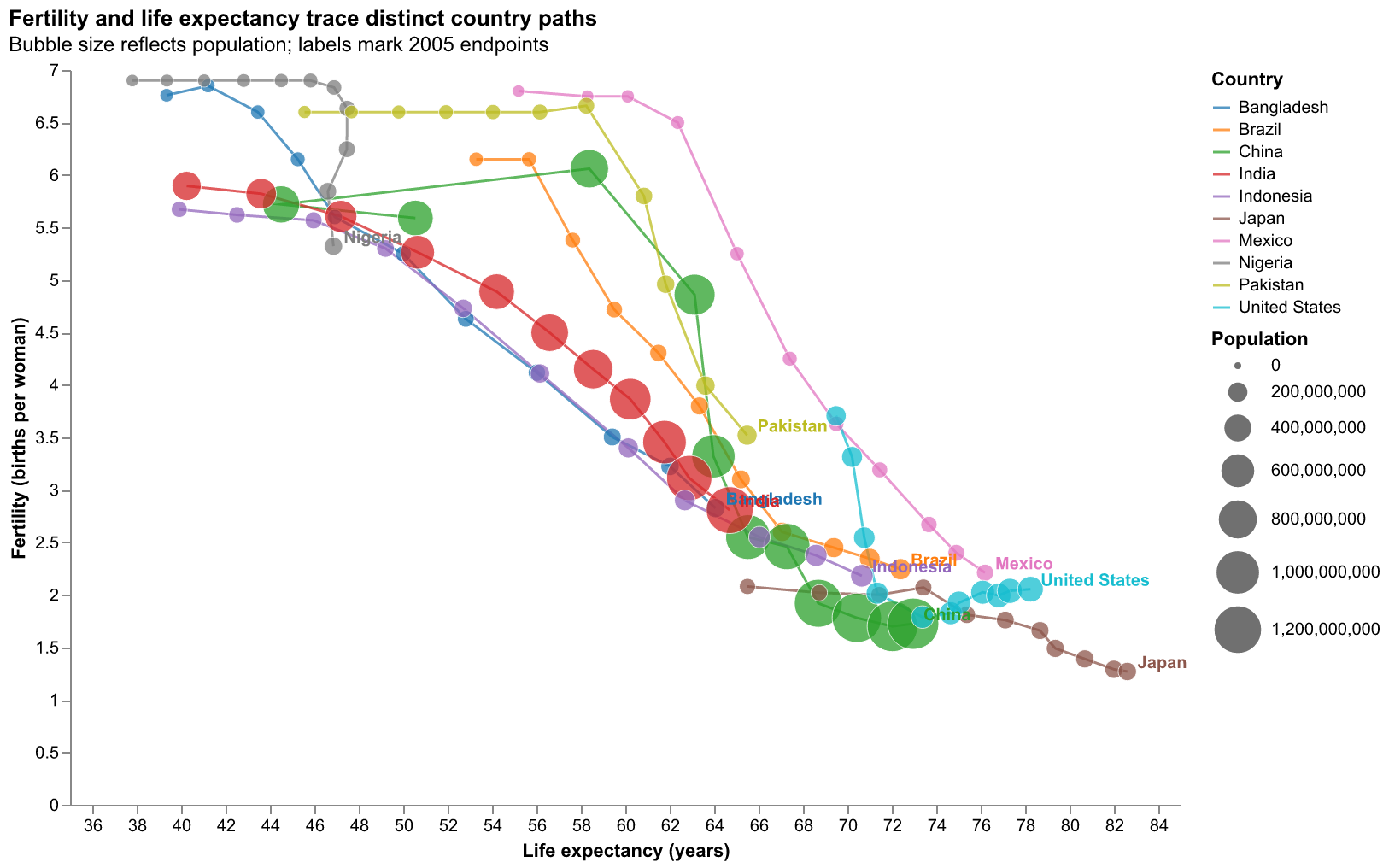
Broader Implications and Future Outlook
The 1.4 release represents a shift in how data teams interact with their assets. By reducing the complexity of the "prompt-to-dashboard" pipeline, Lumen is lowering the barrier to entry for non-programmers while offering enough transparency for power users to maintain control. The inclusion of usage and cost-tracking tools suggests a move toward enterprise readiness, as organizations can now quantify the cost of their conversational analytics in real-time.
Furthermore, the transition to supporting the broader "Narwhals" ecosystem—allowing the framework to work with Polars and PyArrow dataframes natively—indicates a commitment to performance. By minimizing data conversion between libraries, the framework can handle significantly larger datasets with lower memory overhead. As the framework continues to evolve, the focus on observability, data quality, and cost-efficiency positions it as a vital tool in the growing landscape of AI-augmented business intelligence. With a growing community of contributors and a clear roadmap for further integration, Lumen 1.4 is well-positioned to remain at the forefront of the conversational data exploration movement.