LimeWire Launches Developer API to Bring Dynamic AI Image Generation and Upscaling to Third-Party Applications

The landscape of digital media creation has undergone a profound transformation over the past several years, shifting from manual graphic design and tedious stock photo searches toward sophisticated artificial intelligence generation. In a significant move to bridge the gap between advanced neural networks and software developers, LimeWire has officially announced the rollout of its new Developer API. This powerful interface allows engineers, content creators, and platform architects to integrate dynamic AI art generation and image upscaling directly into their own applications, websites, and publishing workflows.
The introduction of the LimeWire Developer API marks the latest chapter in the brand’s ongoing reinvention. Once widely known globally in the early 2000s as a peer-to-peer file-sharing client, LimeWire has successfully restructured itself as a legitimate, forward-thinking AI content publishing and creation ecosystem. By offering programmatic access to its underlying generative models, the company is positioning itself not just as a consumer-facing platform, but as a robust infrastructure provider for the burgeoning generative AI economy.
Main Facts and Technical Capabilities
The newly released LimeWire Developer API is engineered for seamless integration, relying on standard RESTful architecture that developers can easily interact with using basic HTTP requests. According to the official documentation, the API currently supports two primary pillars of AI media processing: text-to-image generation and image upscaling.
For image generation, developers can send a standard POST request to the endpoint specifying a descriptive text prompt along with preferred parameters such as aspect ratio. For example, by structuring a standard JSON payload containing a prompt like "A beautiful princess in front of her kingdom" and an aspect ratio of "1:1," developers can programmatically produce custom, high-resolution artwork on the fly.
In addition to generation from scratch, the API provides robust upscaling capabilities. Users can submit an existing image asset identifier alongside a desired upscale factor—such as a 4x magnification—allowing platforms to automatically enhance lower-resolution graphics into crisp, detailed visuals suitable for professional digital publishing. Authentication is handled securely through Bearer tokens, ensuring that developers can monitor and manage their API keys effectively within the LimeWire developer portal.
Background Context and Chronology
To understand the significance of LimeWire’s current trajectory, it is essential to examine the chronology of the brand’s modern evolution. The original peer-to-peer software application was shut down following extensive copyright litigation in 2010, which effectively ended its era as a file-sharing giant. For over a decade, the brand remained dormant until a group of new owners acquired the intellectual property rights with a radically different vision.

In mid-2022, the new leadership relaunched LimeWire as an NFT marketplace specifically tailored for digital artists, musicians, and creators. However, as the generative artificial intelligence boom accelerated in late 2022 and throughout 2023, the platform executed a strategic pivot. LimeWire transitioned into an all-in-one AI studio, enabling everyday users to generate images, audio, and video content without needing deep technical expertise or specialized software like Adobe Photoshop.
By early 2024, the platform had amassed millions of registered users who utilized its web interface to create millions of AI-generated assets. The launch of the Developer API represents the natural next step in this evolution—moving from a walled-garden web application to an open ecosystem where developers can embed LimeWire’s generative capabilities directly into third-party software.
Supporting Data and Industry Context
The market for generative AI application programming interfaces is expanding at an exponential rate. According to recent technology sector analyses, the global generative AI market size was valued at tens of billions of dollars and is projected to scale significantly through the end of the decade. Enterprises across publishing, e-commerce, marketing, and software development are increasingly seeking reliable, scalable APIs to automate content production and reduce reliance on expensive third-party stock libraries.
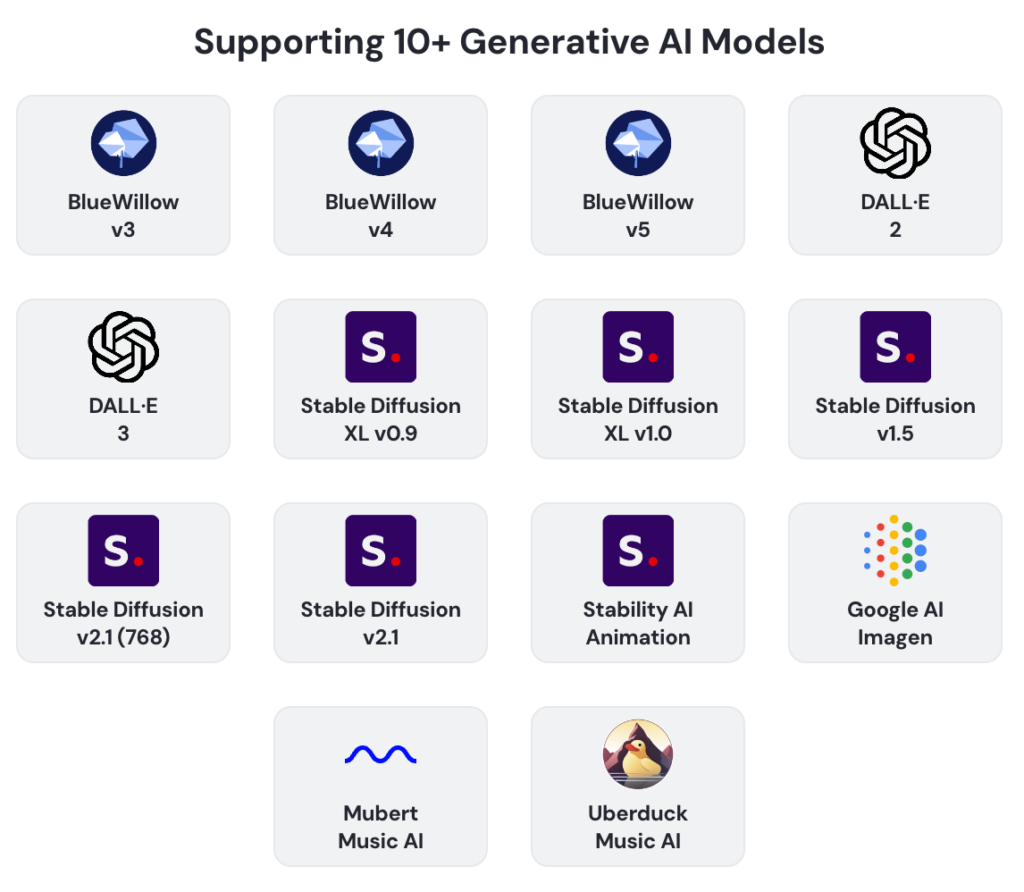
LimeWire enters a competitive field that includes established players like OpenAI (creators of DALL-E), Stability AI (Stable Diffusion), and Midjourney. While companies like OpenAI and Stability AI have long offered robust developer APIs for image synthesis, LimeWire aims to carve out a distinct market share by focusing heavily on user-friendly accessibility, streamlined content management features, and integrated upscaling tools tailored specifically for digital publishers, bloggers, and independent developers.
Industry observers note that providing an API with straightforward implementation pathways—such as standard cURL commands—significantly lowers the barrier to entry for independent developers and small development teams who may not have the engineering resources to train or host their own open-source models locally.
Operational Implications for Writers and Publishers
The practical applications of the LimeWire Developer API extend far beyond simple novelty generation, offering profound operational efficiencies for content creators, independent journalists, and digital publishers.
Conventionally, writing and publishing a digital article involves a tedious media-sourcing workflow: brainstorming a visual concept, navigating to a stock photography website, searching through thousands of generic images, licensing or purchasing rights, downloading the asset, resizing it, and uploading it to a Content Management System (CMS). This process can consume valuable time and introduce budgetary constraints for independent creators.
With a programmatic API integrated directly into a publishing platform or writing environment, this workflow can be entirely automated. Authors can write an article, and upon submission or publication, a script can extract key thematic elements or keywords from the text, formulate an optimized prompt, and send it directly to the LimeWire API. Within seconds, a unique, contextually relevant header image or inline illustration is generated, uploaded, and embedded into the post without the author ever leaving their drafting interface.
Similarly, independent authors and self-published novelists can leverage the technology to dynamically generate conceptual illustrations for their digital books, while e-commerce platforms can automatically produce varied product lifestyle backgrounds based on item descriptions.
Broader Impact and Industry Implications
The democratization of AI generation tools through developer-friendly APIs has broad implications for the software industry and digital media standards. As more platforms embed generative capabilities natively, the distinction between human-created and AI-assisted content will continue to blur, prompting ongoing discussions regarding copyright, transparency, and digital watermarking.
For LimeWire, the API launch represents a critical test of its long-term viability as an infrastructure provider rather than merely a consumer destination. By enabling third-party developers to build applications on top of its generative models, LimeWire diversifies its revenue streams and embeds its technology deeper into the broader web development ecosystem.
As the technology matures, industry analysts expect further updates to the LimeWire Developer API, potentially including support for advanced video creation, audio generation, and more granular control over style transfer and parameter tuning. For now, the release provides developers with a robust, accessible tool to experiment with dynamic media creation, signaling a new frontier for a brand that has continuously reinvented itself across multiple eras of internet history.
Related posts: