JetBrains Renews Commitment to Godot Engine Ecosystem Through Expanded Rider IDE Support and Long-Term Sponsorship

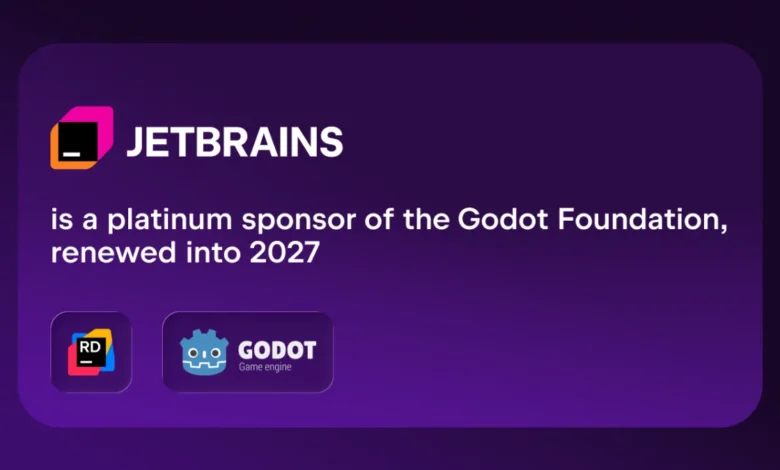
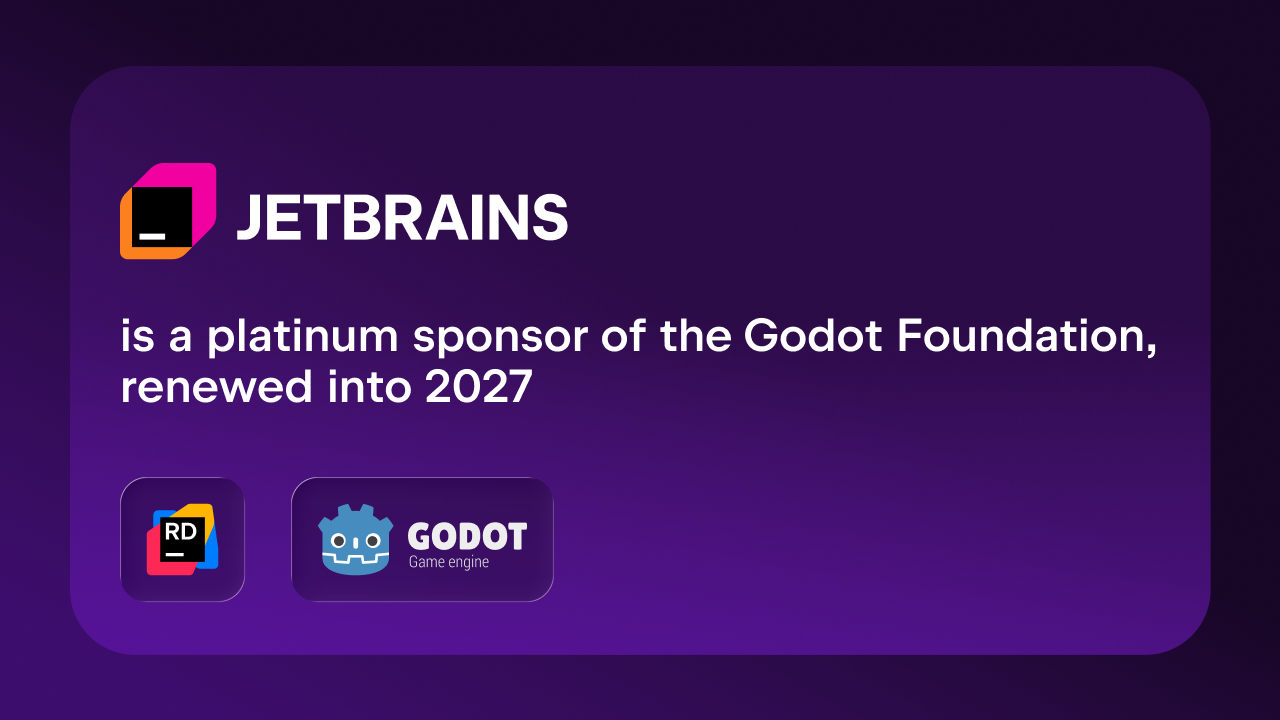
JetBrains, the multinational software development firm renowned for its suite of integrated development environments (IDEs), has officially announced the extension of its status as a Platinum sponsor of the Godot Foundation through 2027. This strategic commitment underscores a deepening synergy between professional-grade tooling and the open-source game development community. As Godot continues to gain market share among both independent studios and commercial enterprises, JetBrains is positioning its flagship C# and .NET IDE, Rider, as a comprehensive solution for Godot developers, spanning GDScript, C#, and native C++ GDExtensions.
The Evolution of the Partnership: A Chronological Overview
The relationship between JetBrains and the Godot Foundation has matured significantly since the initial formalization of their partnership in August 2025. This collaboration has moved beyond simple financial backing, evolving into a technical integration project designed to lower the barrier to entry for developers migrating from larger, proprietary engines.
In early 2026, the industry observed a notable shift in development trends as studios—such as Mega Crit, the developers of the critically acclaimed Slay the Spire franchise—publicly documented their transition from proprietary engines to the Godot platform. During this period, the demand for robust, professional-tier debugging and refactoring tools became apparent. JetBrains responded by accelerating the development of the official JetBrains Rider Integration addon, now available through the Godot Asset Store.
By the second quarter of 2026, the release of Rider 2026.2 marked a pivotal milestone, with the stabilization of CMake support and the introduction of advanced native debugging capabilities. This trajectory culminated in the April 2026 GodotCon in Amsterdam, where industry discourse highlighted a lingering misconception: that Rider was exclusively a C# tool for enterprise environments. The subsequent months of development have focused on debunking this narrative by integrating deep GDScript support directly into the IDE architecture.
Technical Integration: Bridging the Gap Between Code and Scene
The core value proposition of the current Rider integration lies in its ability to synchronize the IDE’s logic-heavy environment with Godot’s visual scene-graph architecture. In traditional workflows, developers often struggle with the disconnect between code-level logic and visual node structures. Rider addresses this through the "Scene Preview" tool window, which allows developers to navigate the scene tree directly within the IDE.
This integration facilitates several critical operations that were previously cumbersome or manual. For instance, developers can now drag-and-drop nodes from the scene preview directly into a GDScript file, automatically generating the necessary paths and @onready or @export declarations. This functionality is supported by a sophisticated internal language server that understands Godot’s specific API, providing accurate code completion, "Find Usages" functionality, and automated refactoring for GDScript.
Furthermore, the 2026.3 Early Access Program (EAP) has introduced refined capabilities for multi-project management. One of the primary technical hurdles for developers managing complex, modular projects is port conflict. By allowing Rider to allocate distinct language-server and debugger ports for different Godot instances, JetBrains has significantly increased the stability of high-complexity development environments, allowing for simultaneous work on core engine components and peripheral game assets.
Debugging, Testing, and Native Performance
Professional game development requires more than just syntax highlighting; it demands sophisticated debugging infrastructure. Rider’s debugging suite now supports conditional and logging breakpoints, allowing developers to inspect variable states at runtime without the need for manual print() statements.
For C# users, the integration is particularly potent. The inclusion of the Chickensoft GoDotTest runner within the IDE allows for continuous integration-style testing workflows directly inside the development environment. This capability is bolstered by automatic rebuilding features that trigger when the IDE loses focus, ensuring that changes made to exported properties are immediately reflected in the Godot Inspector without requiring manual intervention.
For developers working with native C++ via GDExtension, Rider provides advanced visualization tools. The integration of Natvis—a technology that allows for the visualization of C++ data structures—has been specifically tailored to interpret godot-cpp types. This ensures that when developers are debugging low-level engine extensions, they are presented with readable data rather than raw memory addresses.
Industry Impact and the Rise of Agentic Development
The integration of artificial intelligence into the development lifecycle represents the next frontier for the JetBrains-Godot partnership. With the release of the "Air" plugin, JetBrains is facilitating agentic development—a paradigm where AI agents assist in drafting code, executing refactoring tasks, and managing project infrastructure.

During the September 2026 JetBrains GameDev Day, technical demonstrations showcased how language models, such as those powering procedural generation pipelines, could be seamlessly integrated with Godot’s node-based inspector. By leveraging Rider’s Model Context Protocol (MCP) server, these agents can access the IDE’s internal refactoring and run-configuration tools, allowing for a hybrid workflow where AI-generated code is immediately subjected to the rigorous debugging and validation standards of a professional IDE.
Economic and Strategic Implications
The decision by JetBrains to keep Rider free for non-commercial use—including open-source contributors, students, and hobbyists—is a strategic move aimed at fostering a "sticky" ecosystem. By capturing the developer base during their formative projects, JetBrains ensures that when these developers transition to professional or commercial game production, their toolset of choice remains firmly within the JetBrains portfolio.
The broader implications for the Godot Foundation are equally significant. As an open-source engine, Godot relies on a healthy ecosystem of third-party tools to maintain parity with industry-standard proprietary engines like Unity or Unreal. The institutional support from a major player like JetBrains provides the professional validation necessary to attract large-scale studios. The fact that high-profile projects like Slay the Spire 2 are utilizing this toolchain is a testament to its reliability and maturity.
Looking Ahead: The 2026.3 Release and Beyond
As the community prepares for the stable release of Rider 2026.3 later this year, the focus remains on closing the loop between the engine and the editor. The introduction of the "Remote Scene" tree and node inspector during debugging sessions in the EAP builds is a critical step forward. This feature allows developers to see the live node tree of a running game, providing unprecedented visibility into how dynamic scene changes affect performance and logic in real-time.
Looking toward the future, the partnership is set to be a focal point of industry gatherings, including the upcoming GodotFest in Munich. JetBrains continues to solicit direct feedback from developers via its YouTrack portal, demonstrating a commitment to an iterative development cycle that is responsive to the specific needs of the Godot community.
Ultimately, the deepening integration of Rider into the Godot ecosystem represents a maturing of the open-source game development sector. By providing tools that handle the heavy lifting of complex refactoring, native debugging, and agentic workflows, JetBrains is enabling developers to focus on creative execution rather than technical friction. As the 2027 deadline for the current sponsorship cycle approaches, the sustained pace of innovation suggests that this collaboration will remain a cornerstone of the Godot developer experience for the foreseeable future.