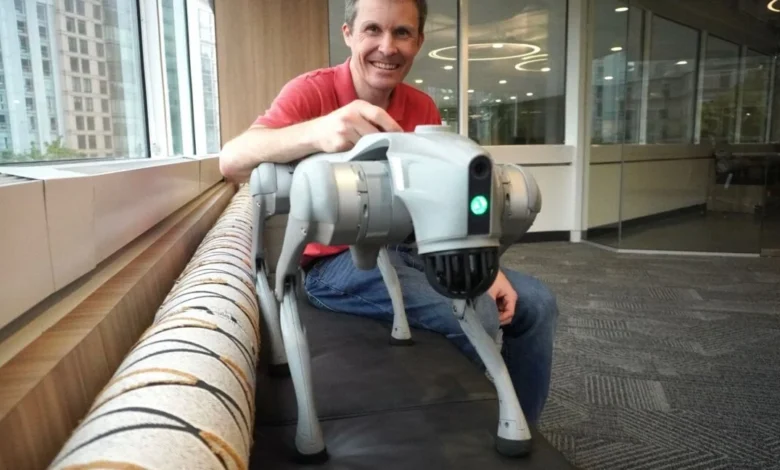
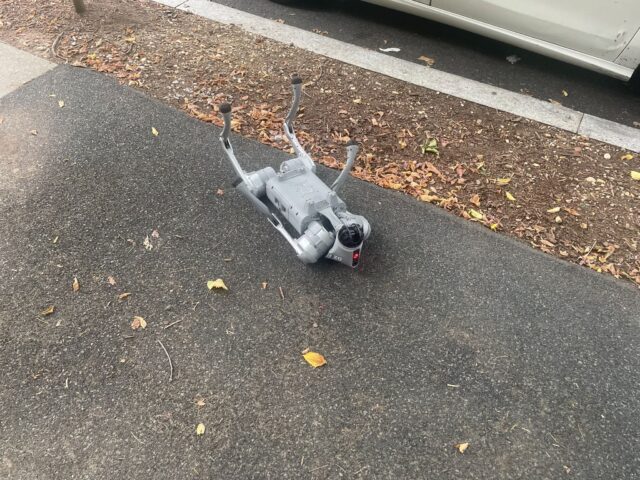
The commute, spanning approximately two miles to an office near the White House, served as an informal stress test for the hardware. While the robot performed efficiently on the downhill journey, the return trip revealed the current limitations of consumer-grade legged robotics. As temperatures climbed to 87°F (30°C) and the route transitioned to a sustained incline, the machine struggled. Internal telemetry reported a critical battery level of 5 percent and an alarming internal temperature of 84°C (183°F). Ultimately, the robot suffered a mechanical collapse just steps from its destination, effectively illustrating the gap between commercial availability and industrial-grade reliability.
The Rise of a Robotics Powerhouse
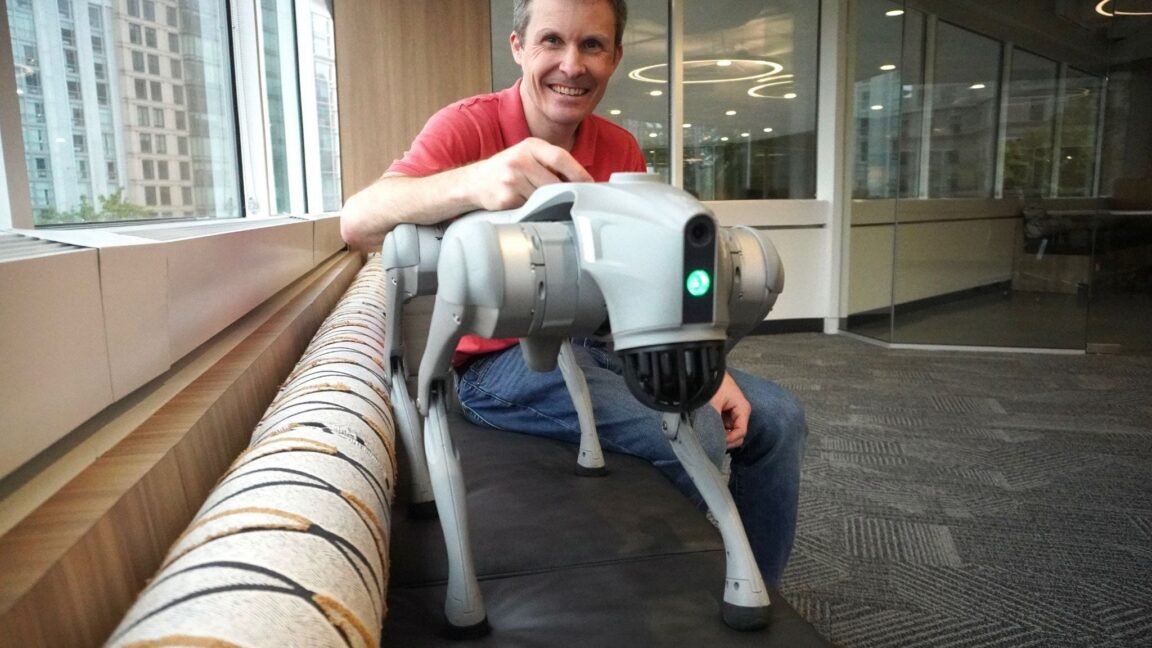
Unitree Robotics, founded in 2016 by Wang Xingxing, has rapidly ascended to a position of global prominence. Wang’s early work, characterized by the development of the XDog for his master’s thesis at Shanghai University, was heavily inspired by the pioneering efforts of Marc Raibert and Boston Dynamics. However, while Boston Dynamics focused on high-end, hydraulic-actuated systems like the iconic BigDog—which were characterized by high costs, noise, and complexity—Unitree pursued a different philosophy: simplification through mass-market scalability.
The company’s growth trajectory has been nothing short of exponential. Following its debut on the Shanghai stock market on August 19, the company saw its share price increase fivefold on the first day of trading. Despite market fluctuations, the company maintains a valuation in the tens of billions, underscoring investor confidence in its role as a leader in the next generation of automation.
Democratizing Legged Locomotion
The transformation of the quadruped market can be categorized into three distinct phases. In the early 2010s, quadruped locomotion was restricted to a handful of elite research institutions globally. The second phase, led by the commercialization of Boston Dynamics’ Spot in 2020, introduced these machines to enterprise and industrial clients, albeit at a price point starting near $75,000.
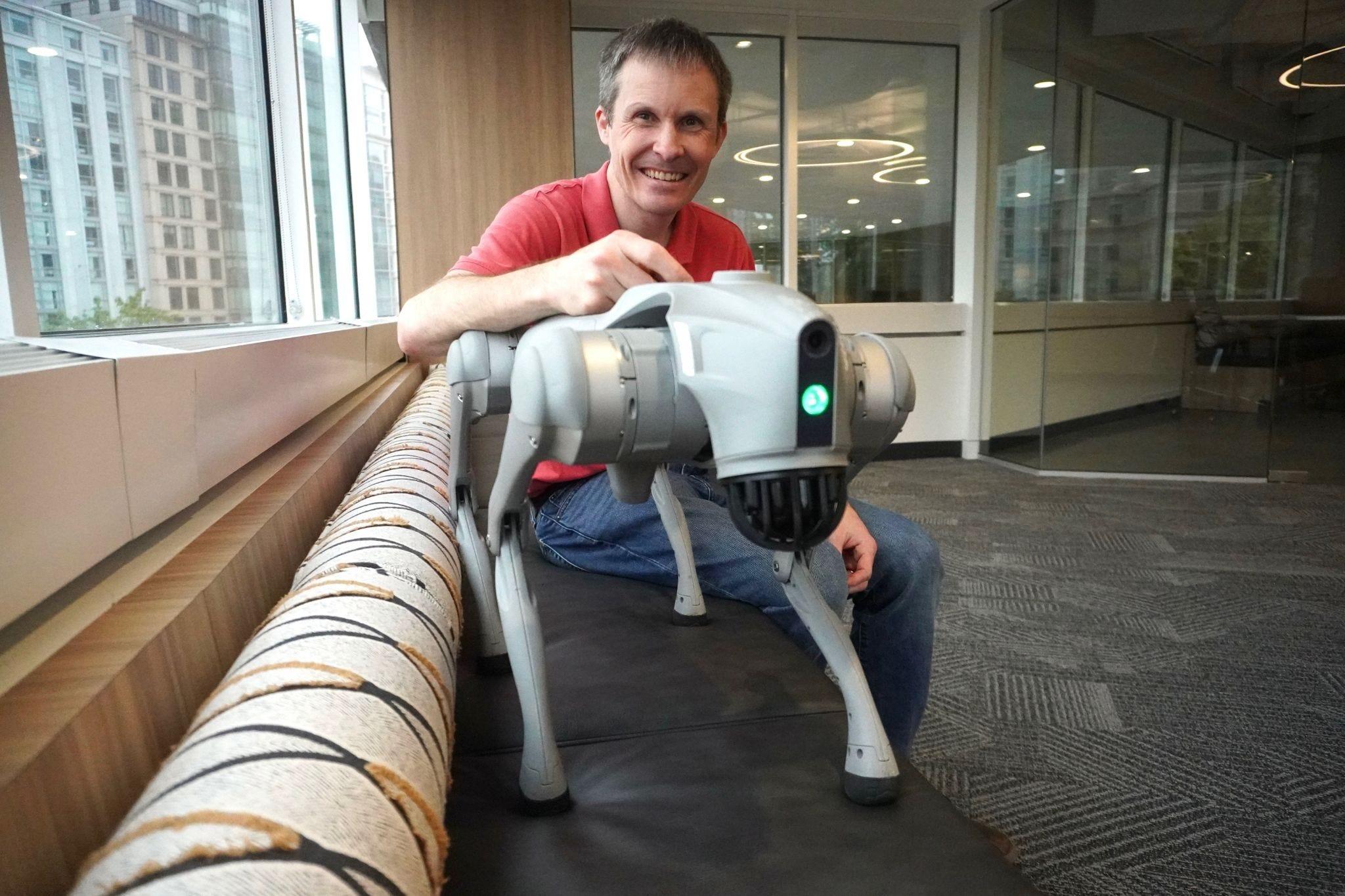
Unitree ushered in the third phase in 2021 with the release of the Go1, which brought the entry price down to $2,700. By 2023, the Go2 series further refined this, offering a highly capable Pro model for under $3,000. This price compression is not merely a result of reduced profit margins; it is the product of aggressive vertical integration and component standardization.
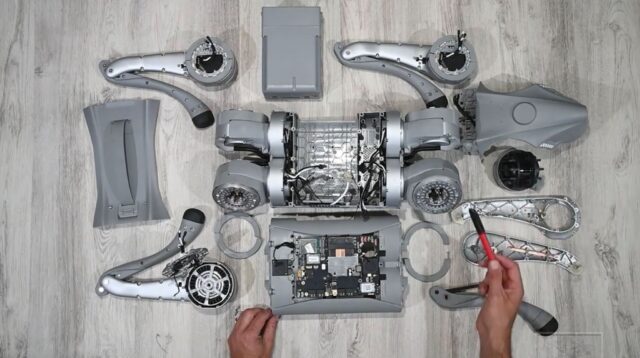
Engineering analysis by firms such as Simplexity has revealed that the Unitree Go2’s cost-effectiveness is driven by the use of 12 identical, high-power motors across all four legs. By standardizing these components, the company achieves massive economies of scale, simplifies the manufacturing process, and ensures that repairs are modular and field-serviceable. Furthermore, Unitree’s decision to utilize a 6.33-to-1 gearbox, rather than the complex, high-ratio reducers (51:1) found in traditional industrial robots, allows for more dynamic, backdriveable motion. While this approach sacrifices some mechanical precision, it is ideally suited for modern control software that can compensate for physical hardware variances in real-time.
From Quadrupeds to Humanoids
Unitree’s success in the quadruped market served as a strategic stepping stone for its entry into the humanoid sector. With the launch of the H1 in 2023 and the subsequent G1 in 2024, the company has effectively disrupted the humanoid market. While research-grade EDU versions command higher prices, consumer-facing models are now available for as little as $13,500.
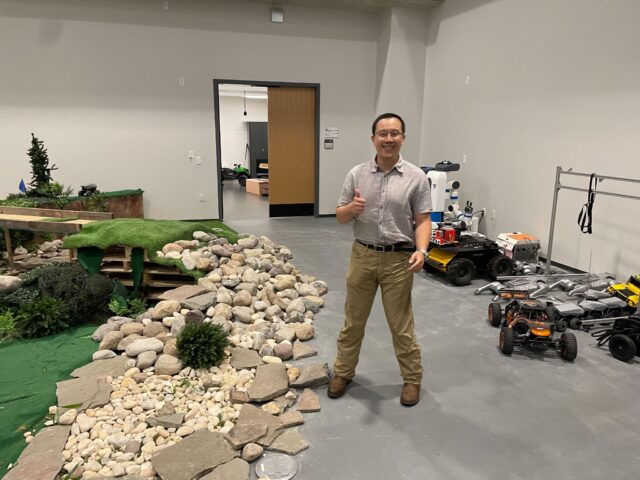
The transition to humanoid form factors represents a significant increase in complexity. A Go2 quadruped utilizes 12 motors, whereas the G1 humanoid requires 23, including complex articulations in the torso and arms. Despite this, Unitree’s existing supply chain and deep expertise in actuator design have allowed it to capture significant market share. Financial filings indicate that while quadruped revenue remains strong, humanoid revenue experienced an eightfold increase between 2024 and 2025, with humanoids accounting for over 50 percent of the company’s total revenue in the latter year.
Parallels to the Drone Revolution
Industry analysts, including those at SemiAnalysis, have drawn direct parallels between Unitree’s current trajectory and the rise of DJI in the drone market. Much like the early DJI Phantom, which lacked the polish of professional cinema drones but democratized aerial photography, Unitree’s current offerings are characterized by "rough edges." Software bugs, inconsistent following features, and thermal management issues remain prevalent.
However, historical precedent suggests that for transformative technology, price and accessibility are the primary drivers of market adoption. By bringing the production of motors, gearboxes, and sensors in-house, Unitree has effectively lowered the barriers to entry for robot ownership, fostering a "flywheel" effect: higher sales volumes lead to better supplier deals, which enable further R&D investment, leading to even lower costs and more sales.
Geopolitical Implications and Regulatory Challenges
The rapid advancement of Chinese robotics has triggered significant concern among Western policymakers. In June, a bipartisan group of U.S. legislators introduced a bill aimed at restricting the importation of Chinese-manufactured robots, specifically citing concerns over national security and data privacy. These legislative efforts were bolstered in July by the Federal Communications Commission (FCC), which implemented stringent regulations on foreign-made robotic hardware.

The geopolitical landscape for robotics is increasingly mirroring that of the electric vehicle (EV) industry. While companies like BYD face significant hurdles in the U.S. market, their dominance in global markets remains largely unaffected. Some experts warn that restrictive trade policies could inadvertently result in the United States falling behind in the global robotics race, effectively turning the country into a "robotics backwater" while the rest of the world advances with cheaper, more accessible automation.
Looking Toward the Future
As the technology matures, the practical utility of these machines will likely evolve. Currently, the "killer app" for consumer quadrupeds remains elusive, with most users utilizing them for research, entertainment, or education. However, as the cost of hardware continues to drop, it is probable that new use cases will emerge, ranging from home assistance to specialized delivery and surveillance.
The current market is defined by a fierce rivalry. While Unitree maintains a strong lead in the quadruped space, competitors such as AgiBot are making significant inroads into the humanoid market. In the United States, startups like Tesla, Figure, and 1X are working toward their own humanoid solutions, though they have yet to match the price-to-performance ratio currently offered by their Chinese counterparts.
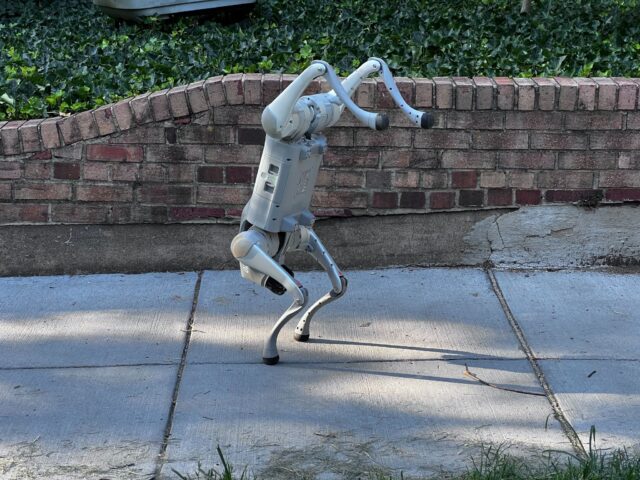
The path forward for Unitree will be defined by its ability to transition from a manufacturer of high-tech gadgets to a provider of reliable, utility-driven infrastructure. Whether or not these robots eventually become as ubiquitous as smartphones or laptops depends not only on the company’s internal R&D but also on the shifting sands of global trade policy and the ability of Western competitors to innovate at scale. For now, the sight of a robot dog navigating a neighborhood sidewalk is a preview of a future where autonomous, legged machines are no longer a rarity, but a fixture of daily life.
Related posts: