How the Fedora Design Team Successfully Hosted the First Virtual Creative Freedom Summit Using an Open-Source Tech Stack

When the Fedora Design Team set out to host the inaugural Creative Freedom Summit in January 2023, the organizing committee faced a philosophical and logistical dilemma familiar to many open-source advocates: how to execute a large-scale virtual event dedicated to open-source creativity while relying entirely on proprietary infrastructure. Traditionally, the Fedora community’s flagship event, Flock, utilized commercial platforms like Hopin. While reliable and feature-rich, such proprietary systems sit uncomfortably within communities built on the principles of software freedom, transparency, and decentralization.
Determined to align their tools with their ethos, the organizing team, spearheaded by Marie Nordin and Mairin Duffy, elected to construct a fully decentralized, open-source technology stack. Over three days, from January 17 to January 19, 2023, the event demonstrated that volunteer-driven, community-supported infrastructure could successfully power a professional-grade virtual conference with zero financial budget.
Background and Origins of the Summit
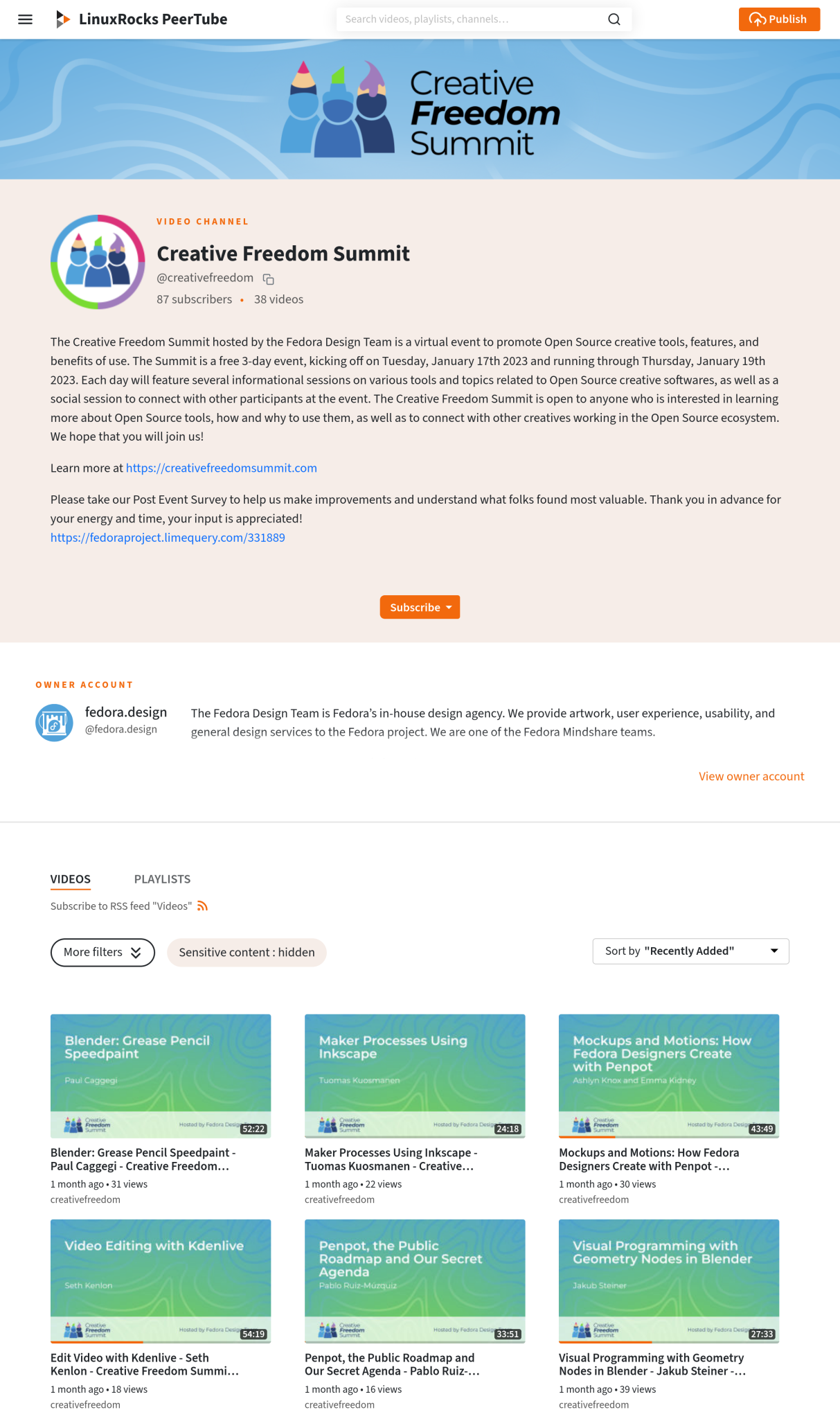
The genesis of the Creative Freedom Summit can be traced back to the review process for Flock, the annual conference for Fedora users and contributors held in August 2022. During the call for papers, organizers noted an unprecedented surge in talk submissions centered on open-source design, digital art, and creative workflows. Far exceeding the available capacity on the Flock agenda, the volume of high-quality proposals revealed a distinct, underserved niche within the broader open-source ecosystem: creative professionals who rely exclusively on open-source tools—such as GIMP, Inkscape, Blender, and Kdenlive—to produce their work.
Recognizing this demand, Marie Nordin proposed spinning off a dedicated event. By the fall of 2022, the Fedora Design Team formalized plans for the Creative Freedom Summit. Because it was a newly minted conference operating without external corporate sponsorship or financial backing, organizers opted for a curated speaker list drawn from existing Flock submissions and professional networks. Nearly every invited speaker accepted, establishing a robust single-track program.

Constructing an Open-Source Conference Stack
Operating without a financial budget required organizers to leverage existing, trusted open-source infrastructure supported by the community and volunteers. The resulting technical architecture decoupled live streaming, video conferencing, backchannel communication, and audience engagement into a cohesive, modular stack.
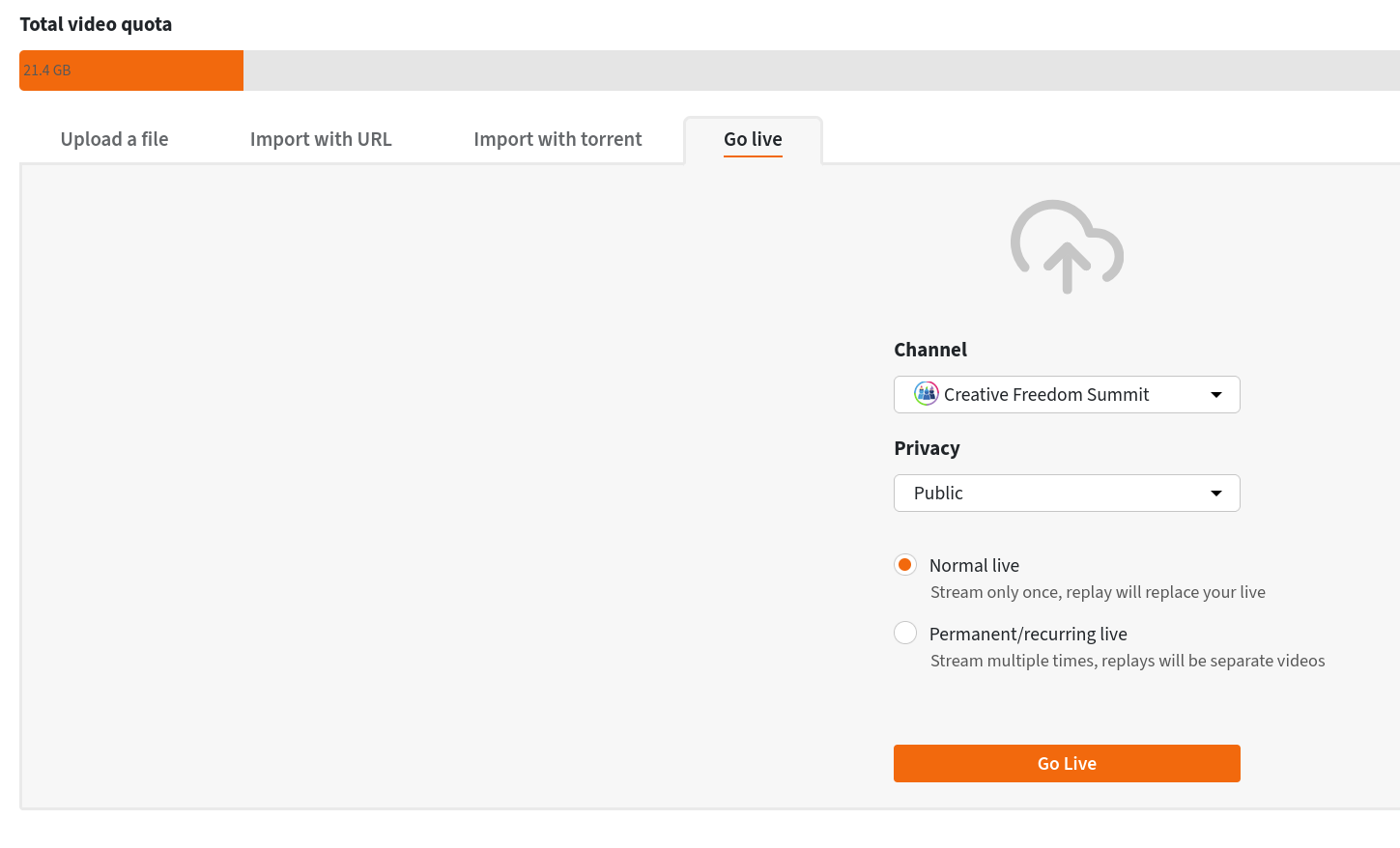
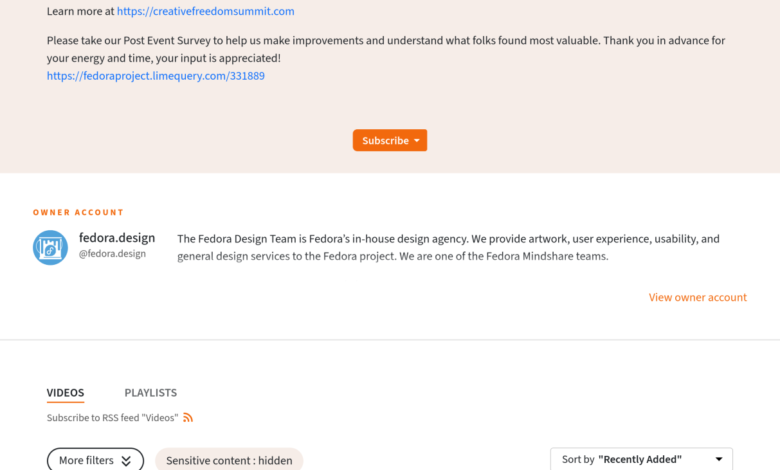
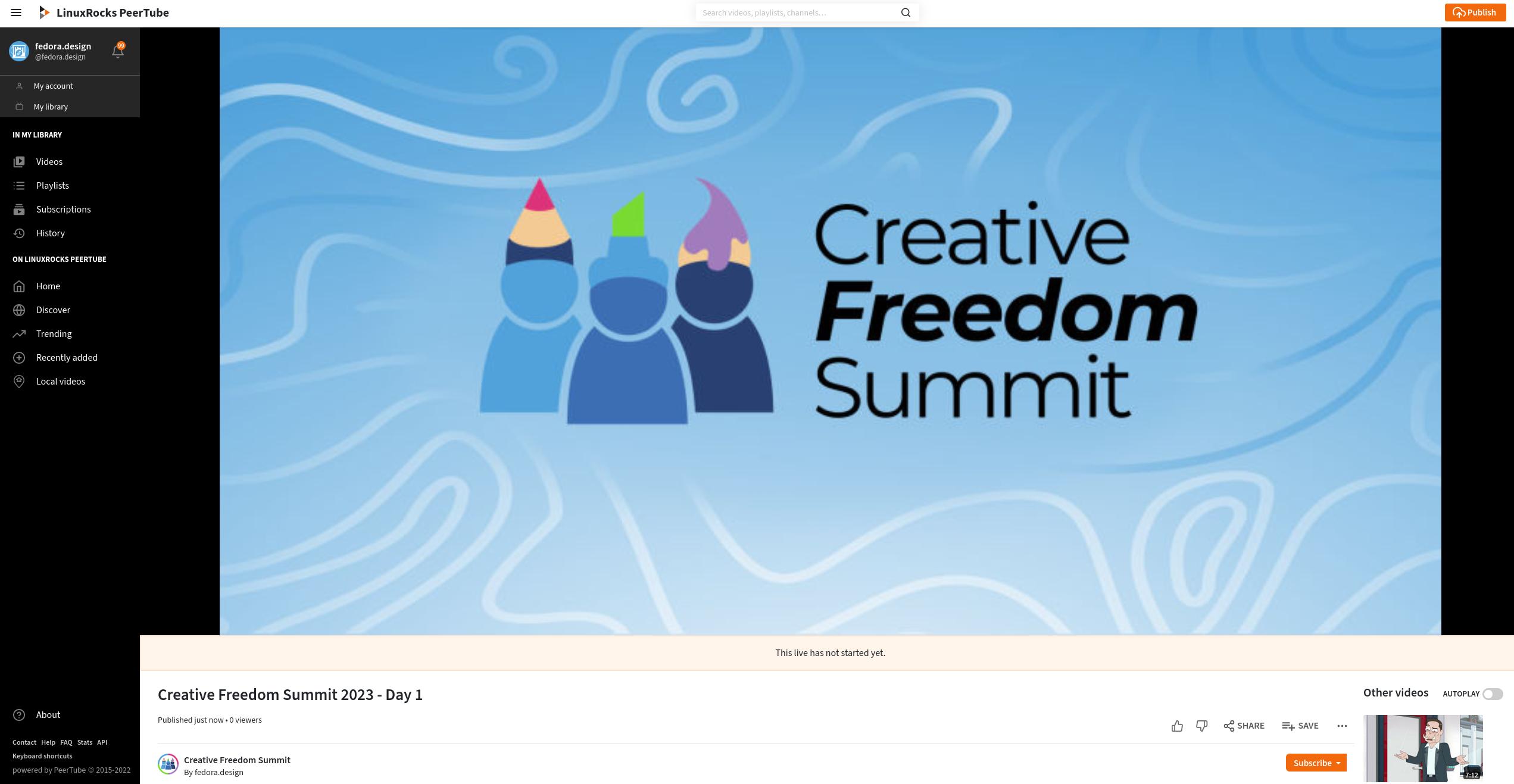
For the live video stream, the team utilized PeerTube, a decentralized, open-source video platform operating within the Fediverse. Hosted generously by LinuxRocks.online, the PeerTube instance provided a critical advantage: automated, near-instant replay generation. Once a livestream concluded, the platform instantly archived the recording to the channel without manual intervention or post-production uploading by volunteers.
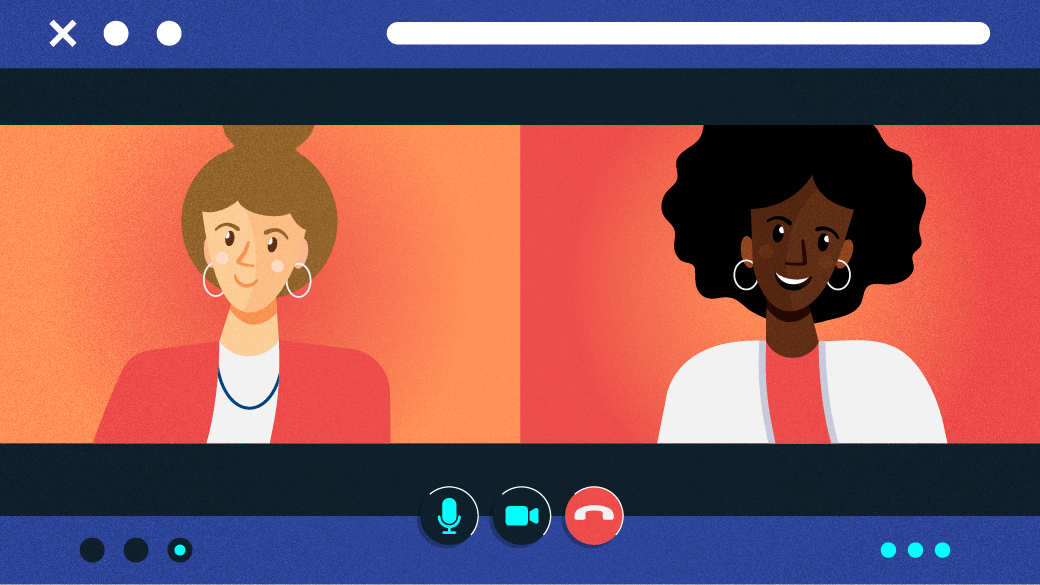
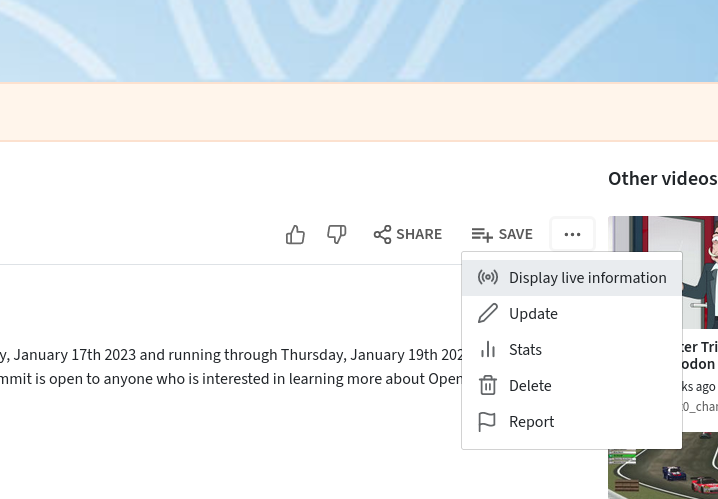
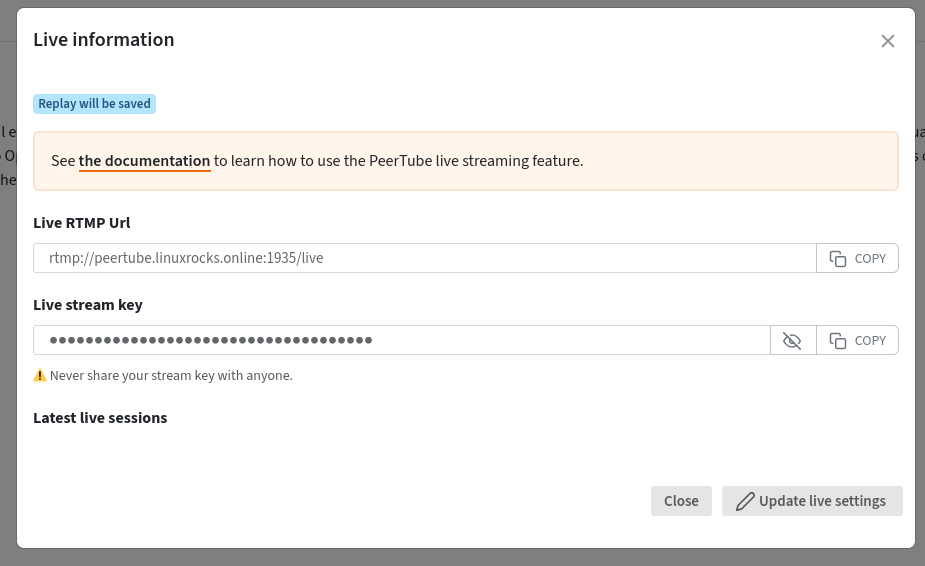
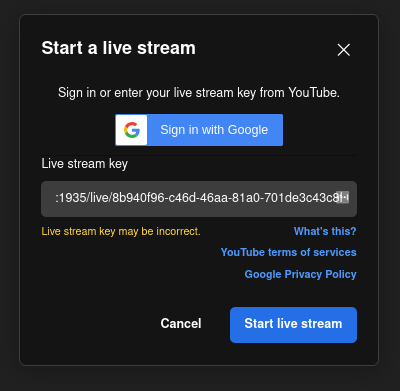
The live stage—where speakers presented their sessions and shared screens—was powered by Jitsi Meet, a free and open-source video conferencing solution. Organizers generated a custom Jitsi room, securing access via a virtual lobby system. This allowed speakers to enter minutes prior to their presentations without disrupting ongoing sessions. To broadcast the Jitsi room to the public, organizers leveraged Jitsi’s native RTMP streaming capability, combining the PeerTube livestream URL and authorization key into a single string to establish a seamless pipeline from the virtual stage to the viewing audience.
Centralizing the Attendee Experience via Matrix
To replicate the cohesive networking feel of commercial platforms, the organizing team relied on Matrix, utilizing Fedora’s supported Element server. Matrix’s robust widget system enabled attendees to experience a centralized virtual venue within a single chat room window.
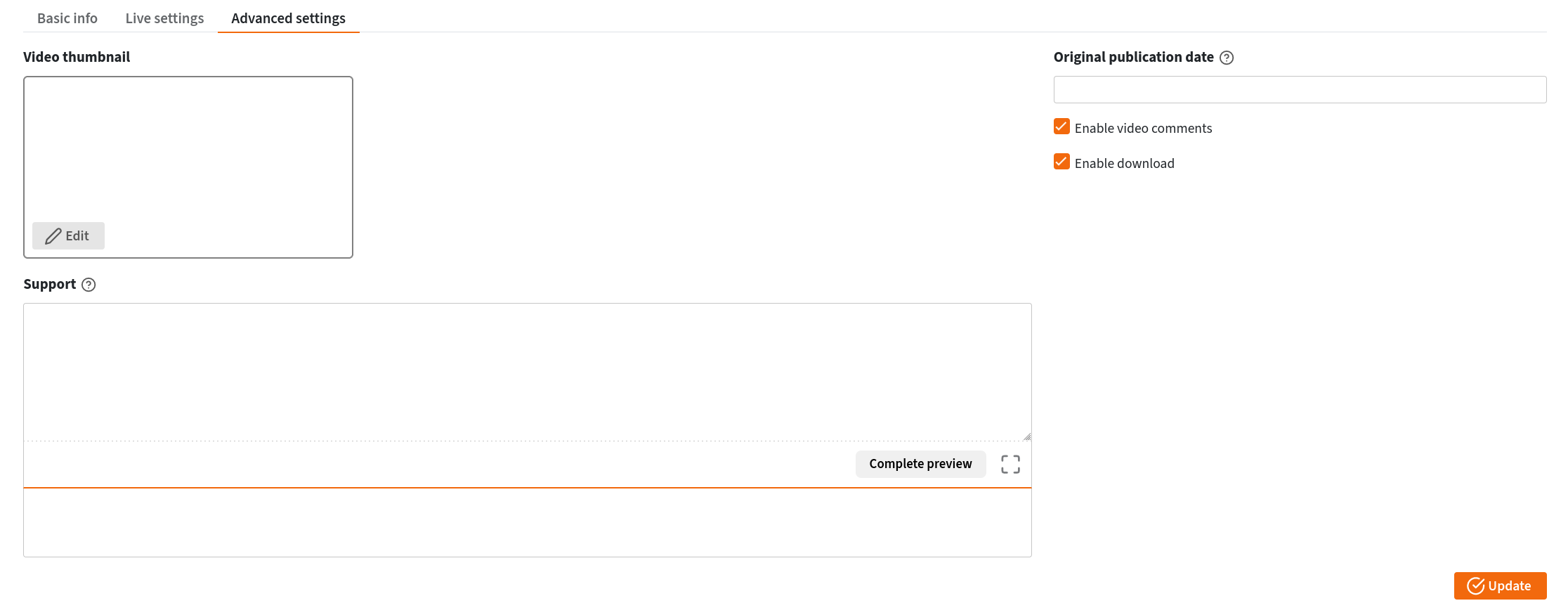
Within the Element interface, organizers embedded the PeerTube livestream in the upper-left quadrant, an interactive HackMD.io document in the upper-right quadrant for schedules and live Q&A moderation, and an active text chat channel below. This configuration allowed participants to watch presentations, submit questions, and converse in real time without navigating multiple browser tabs. Behind the scenes, a separate, invite-only Element channel served as the "backstage" green room for speakers and hosts to coordinate schedule shifts and manage transitions smoothly.
Event Execution and Operational Lessons
While the summit proceeded largely without critical failures, transitioning to a completely decentralized, volunteer-run stack exposed several operational challenges that organizers documented for future iteration.
Chief among these was audio feedback management. During the live broadcasts, multi-platform monitoring occasionally resulted in open browser tabs or background client audio looping back into the main stream, forcing hosts to deliver rushed introductions to beat impending feedback loops. Organizers noted that strict protocol regarding audio monitoring and hardware isolation will be essential for subsequent events.
Additionally, continuous streaming during the opening day resulted in prolonged video files containing multiple consecutive presentations, complicating the immediate utility of PeerTube’s instant-replay feature. For future summits, organizers resolved to terminate and restart the Jitsi-to-PeerTube stream between individual talks, ensuring a clean, single-video archive for every presentation.
Post-Event Workflows and Community Collaboration
The conclusion of the conference marked the beginning of an extensive, crowdsourced post-production phase. Utilizing a GitLab epic to coordinate tasks, the Fedora Design Team rallied volunteers from the conference chat channels to clean up, edit, and subtitle the raw recordings.
Volunteers downloaded raw files from the main PeerTube channel, performed audio-visual touch-ups using Kdenlive, and incorporated title cards and open-source music. To address accessibility, contributors utilized Kdenlive’s built-in speech-to-text functionality to generate automated subtitles, which were subsequently reviewed and refined. Edited assets were then uploaded through a shared staging account before being published to the permanent conference channel.
Implications and Broader Impact
The success of the Creative Freedom Summit offers a compelling blueprint for open-source communities seeking technological independence. By demonstrating that robust virtual conferences can be organized using decentralized, self-hosted, and free software tools, the Fedora Design Team has lowered the barrier to entry for community-led knowledge sharing.
As planning commences for subsequent iterations of the summit, the open-source community continues to refine its workflows—proving that software freedom and professional event production are not mutually exclusive, but rather mutually reinforcing.