Portainer Community Edition reaches a strategic crossroads as the platform pivots to a Kubernetes-centric future with version 3.0

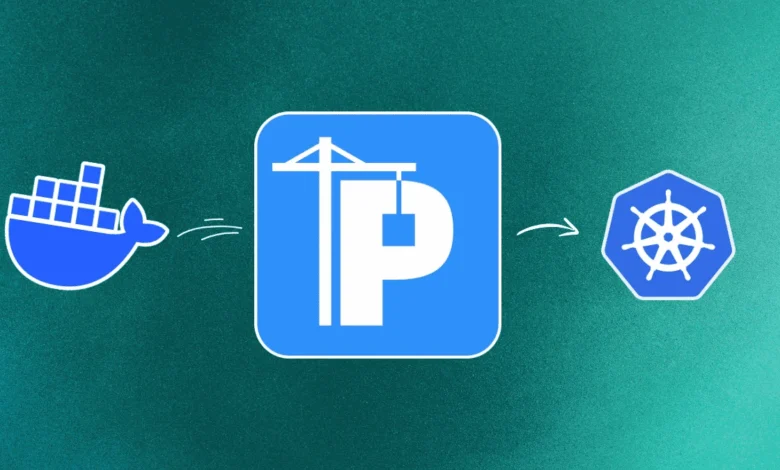
For a decade, Portainer has served as the de facto standard for developers and system administrators seeking a graphical user interface to manage containerized environments. By abstracting the complexity of Docker, Docker Swarm, and Kubernetes, the project earned a dedicated following within the open-source ecosystem. However, a significant paradigm shift is now underway. The announcement that Portainer 3.0 will fundamentally break from the Community Edition (CE) model marks the end of an era, forcing long-term users to reevaluate their infrastructure management strategies.
The Architectural Shift to Kubernetes
The core of this transition lies in a ground-up reconstruction of the platform. Portainer 3.0 is being designed as a Kubernetes-native application. This is not merely an incremental update; it is an architectural overhaul. CEO Neil Cresswell has confirmed that the upcoming 3.0 release will not serve as the foundation for the open-source Community Edition. Instead, the CE line will be frozen at version 2.45 LTS, the final iteration of the 2.x series.
This decision effectively bifurcates the product line. While CE will continue to receive critical security patches and essential bug fixes, it will not benefit from the modern console architecture, enhanced operations APIs, or the sophisticated policy models being integrated into the 3.0 release. According to leadership, these advanced features are deeply intertwined with Kubernetes primitives—such as advanced resource management and complex orchestration workflows—that simply do not exist within the standard Docker API. Consequently, Portainer is effectively ending the "one-size-fits-all" approach that characterized its first ten years.
Chronology of a Decade-Long Evolution
To understand the weight of this decision, one must look at the timeline of Portainer’s growth. Launched in 2014, the project initially gained traction as a lightweight tool for managing local Docker containers. Over the subsequent years, it evolved to support multi-node Docker Swarm clusters and eventually introduced support for Kubernetes as the container orchestration market consolidated.
By 2020, Portainer had become a multi-platform utility, managing everything from Raspberry Pi clusters to enterprise-grade cloud deployments. However, the maintenance burden grew exponentially. With each new feature, the engineering team was forced to implement the logic three times: once for Docker, once for Swarm, and once for Kubernetes. By 2024, the technical debt associated with maintaining this "triple-stack" architecture reached a breaking point, leading to the decision to standardize on a Kubernetes-first development cycle for version 3.0.
The Rationale: Managing Technical Debt
The decision to abandon the unified CE model is presented by Portainer management as a response to unsustainable development costs. Neil Cresswell has characterized the previous development model as a significant obstacle to innovation. By forcing the platform to support three different orchestration environments, the engineering team was unable to implement deep, specialized features without ballooning the codebase into a state of unmanageable complexity.
The 3.0 architecture solves this by replacing the monolithic interface with five specialized consoles, each tailored to specific operational roles. From a software engineering perspective, this modularity allows for faster release cycles and higher stability. However, the trade-off is the exclusion of the legacy CE user base. Management argues that forcing these enterprise-grade features into a Community Edition would be misleading, as the target audience for 3.0 is fundamentally different from the hobbyists and small-scale developers who currently power the CE community.

Implications for the Container Ecosystem
For the end user, the immediate impact is negligible, provided they are content with remaining on the 2.x branch. The 2.45 LTS release will remain a stable, supported platform for the foreseeable future. However, the long-term implications are profound.
- Stagnation of Features: Users relying on CE will no longer see new feature development. Innovations in observability, GitOps workflows, and automated security policies will be exclusive to the 3.0+ enterprise or business-tier offerings.
- The "Kubernetes-Only" Future: The shift forces a decision upon administrators: either adopt Kubernetes or accept that their management toolset will slowly fall behind the curve. For those who prefer the simplicity of Docker Compose but want to leverage Kubernetes-style management, the company has introduced "Portainer-D2K," a compatibility layer. While useful, it serves as a bridge rather than a long-term replacement for native functionality.
- The Rise of Alternatives: The vacuum created by the effective sunsetting of CE is likely to accelerate the adoption of alternative tools. Projects like Yacht, Dockge, or other lightweight, open-source dashboarding tools are already seeing renewed interest from the homelab community. While these alternatives currently lack the depth of Portainer’s historical Kubernetes support, they are increasingly viable for users focused solely on Docker or Podman environments.
Data-Driven Reality of the Transition
The container management market is currently valued in the billions, driven by the massive migration of enterprise workloads to cloud-native architectures. Portainer’s pivot is a calculated attempt to capture a larger share of this enterprise market. Data suggests that the majority of enterprise container deployments are now either exclusively on Kubernetes or moving rapidly toward it. By aligning its product roadmap with this trend, Portainer is positioning itself for financial sustainability.
However, the cost of this transition is the erosion of its grassroots base. In the open-source world, community adoption is a key metric for long-term survival. By limiting the "free" experience to the 3-node limit of their proprietary Business Edition, the company is signaling that the era of "full-featured free management" for larger deployments has ended.
Official Stance and Community Reaction
The official response from Portainer leadership remains consistent: the change is a matter of strategic focus. They contend that by focusing on enterprise-grade features, they are providing a superior experience for the organizations that pay for the platform, which in turn funds the ongoing maintenance of the project.
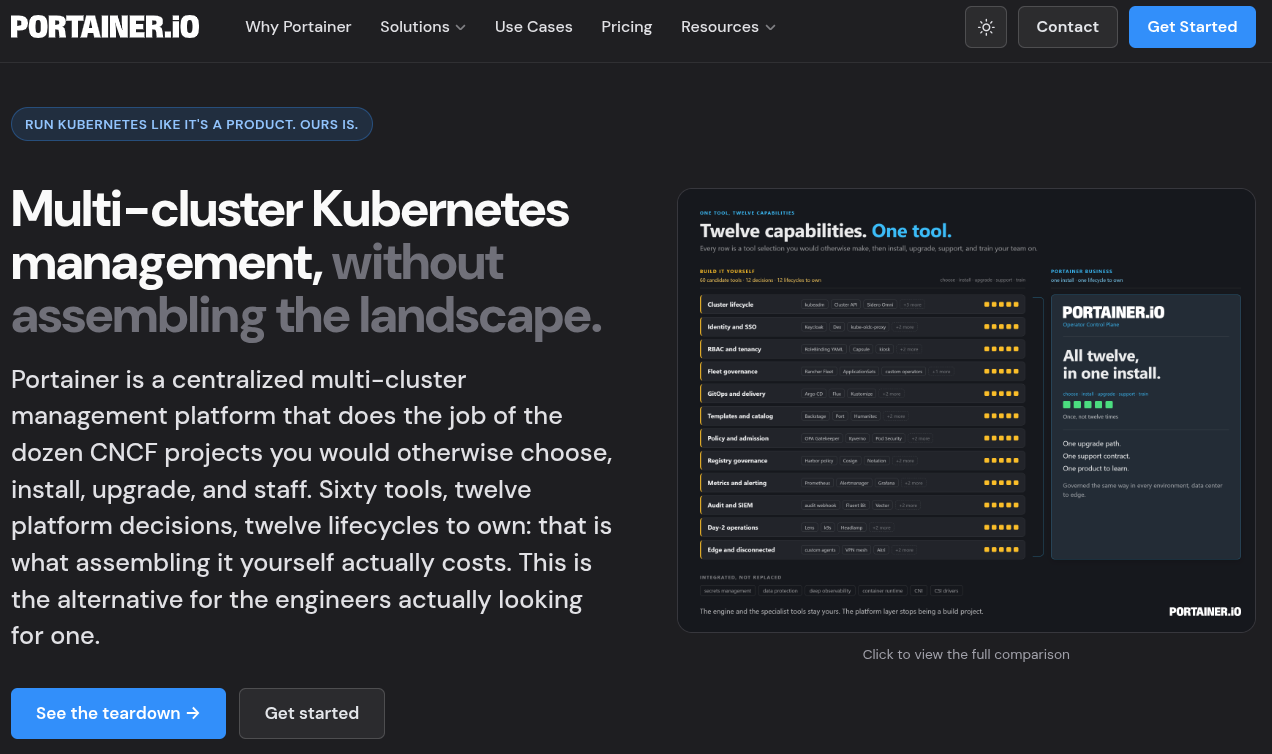
In the broader developer community, the sentiment is mixed. While experienced DevOps engineers recognize the necessity of shedding legacy support to improve performance, many homelab enthusiasts feel alienated. The "3 Nodes Free" license—while generous for small projects—does not replace the open-source freedom of the original CE, leading to concerns about future licensing restrictions or the eventual total closure of the platform’s source code.
Looking Ahead: Navigating the Post-CE Landscape
For organizations currently utilizing Portainer CE, the immediate recommendation is to perform an audit of their infrastructure. If the current features of the 2.x branch meet all operational requirements, there is no urgent need to migrate. The 2.45 LTS version provides a stable foundation for the next several years.
However, for teams anticipating a transition to Kubernetes or those requiring modern observability and GitOps capabilities, the path forward is clear: a migration to Portainer 3.0 via a paid license or a pivot to a different, more actively maintained open-source tool.
The transition also highlights a broader trend in the software industry: the move away from broad, "community-everything" models toward tiered structures where enterprise features and open-source accessibility are strictly segregated. As Portainer enters its next decade, its success will depend on whether it can successfully navigate the tension between its enterprise ambitions and the community that helped build its initial reputation. For now, the transition to 3.0 stands as a definitive marker of the professionalization—and potential closing—of the container management landscape.
Related posts: