From Hangar to Knowledge Graph The Evolution of Personal Aircraft Maintenance Through Digital Twin Technology

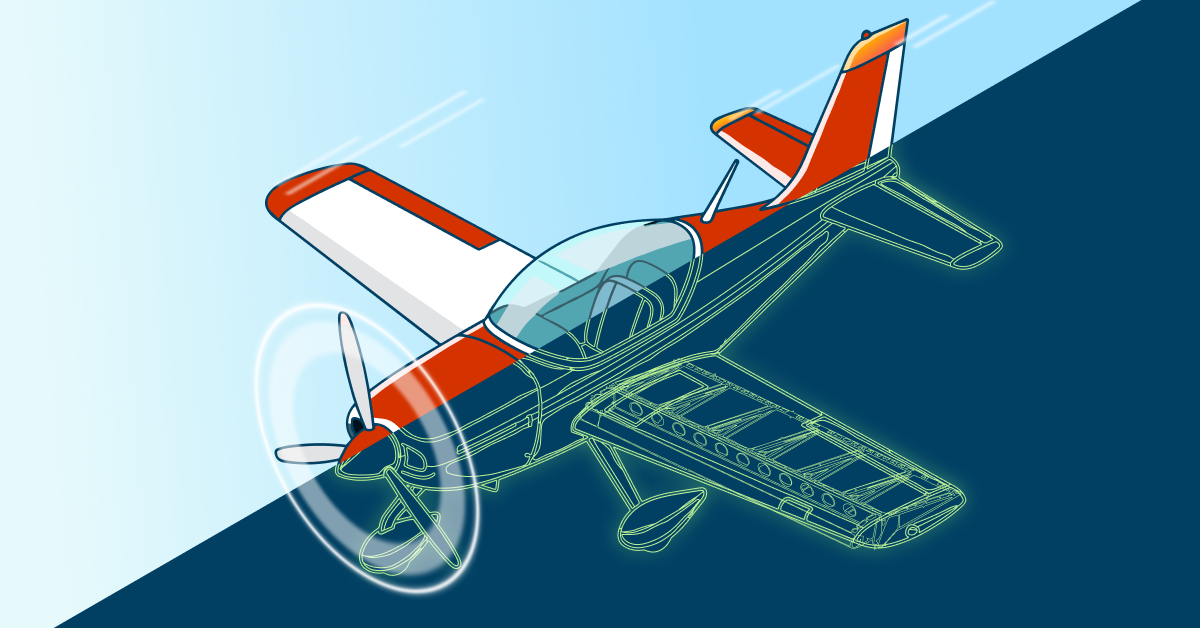
The landscape of general aviation maintenance is undergoing a quiet but profound transformation as individual aircraft owners begin to leverage enterprise-level data architectures to manage their personal assets. Historically, the concept of a "digital twin"—a dynamic, data-synchronized virtual model of a physical object—was the exclusive domain of multi-billion-dollar aerospace conglomerates and massive industrial manufacturing plants. However, the democratization of graph database technology and large language models (LLMs) has enabled hobbyist pilots and independent maintainers to build sophisticated digital twins for single aircraft, bridging the gap between paper logbooks and real-time predictive analytics.
The Genesis of the Personal Digital Twin
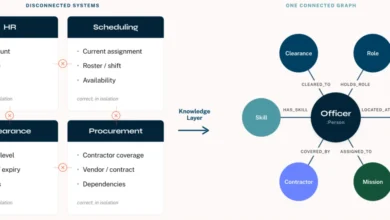
The transition from traditional maintenance to a digital twin approach often begins with a realization of the limitations inherent in fragmented data. For the modern experimental aircraft owner, information is typically siloed across disparate formats: engine monitors generate CSV files, oil analysis labs return PDF reports, and regulatory compliance data is scattered across Federal Aviation Administration (FAA) and vendor websites. Furthermore, the foundational history of most aircraft remains trapped in physical paper logbooks, some of which contain decades of handwritten entries.
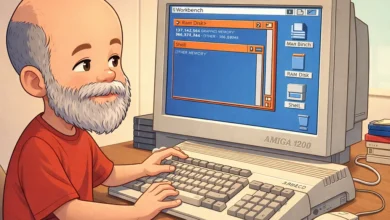
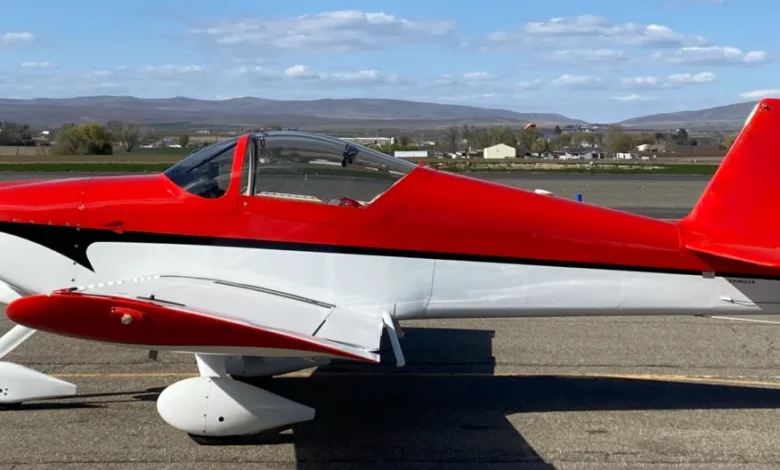
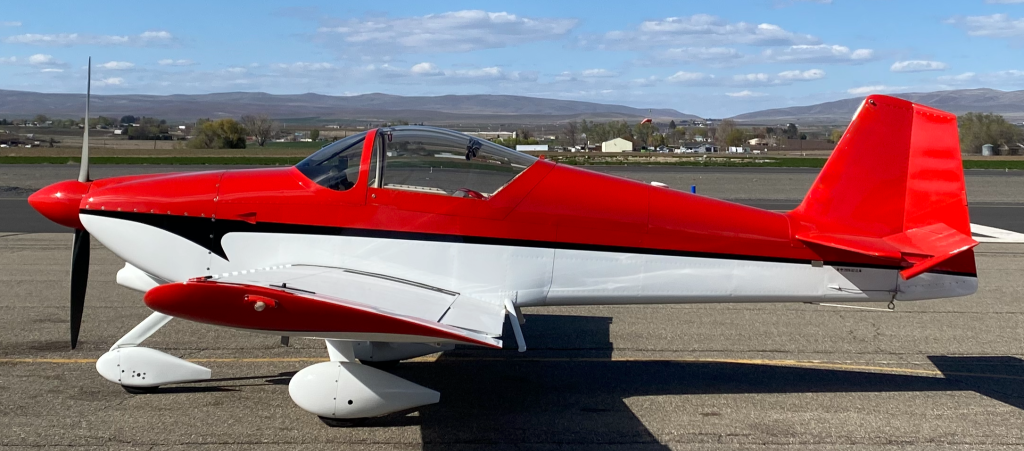
Bryan Nairn, a technology professional and pilot of a high-performance experimental aircraft, exemplifies this shift. Initially skeptical of the applicability of digital twins to the general aviation hangar, Nairn identified a recurring inefficiency: the constant need to cross-reference static manuals with dynamic flight data and historical maintenance records. The "seed" of the project was the desire to answer simple operational questions—such as fastener sizes or torque values—alongside complex longitudinal queries regarding engine performance trends and fuel efficiency.
Chronology of Development: From Conceptualization to Implementation
The construction of a personal digital twin follows a logical progression that mirrors industrial workflows but on a manageable, single-asset scale.
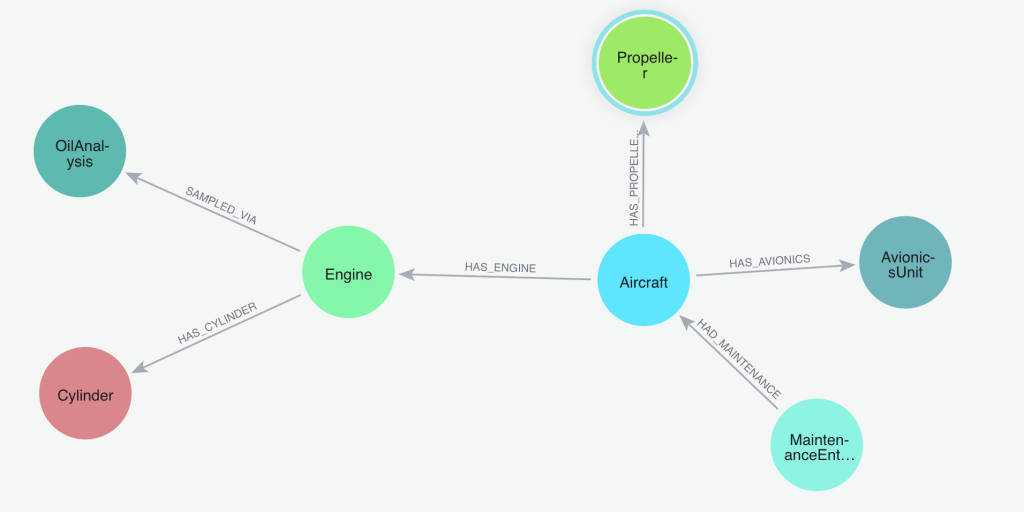
- The Conceptual Model: The first step involves defining the aircraft as a network of connected entities rather than a flat list. In this phase, the maintainer maps the relationships between the airframe, the engine, specific cylinders, avionics units, and historical flight paths.
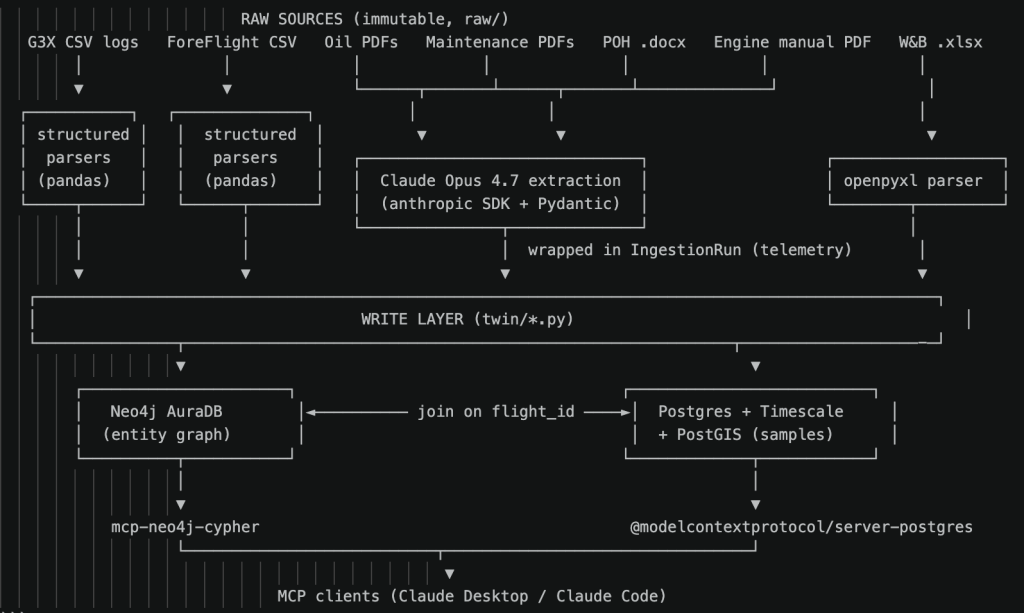
- Data Extraction and Structuring: This is often cited as the most labor-intensive phase, accounting for approximately 80% of the project’s total effort. It involves digitizing paper logs and using AI tools, such as Anthropic’s Claude, to extract structured data from unstructured sources like handwritten notes and technical PDFs.
- Database Selection and Architecture: The architect must choose between different storage philosophies. For structural relationships (which part is connected to which), a graph database like Neo4j is utilized. For high-frequency sensor data (telemetry recorded every second), a time-series database like PostgreSQL with the TimescaleDB extension is required.
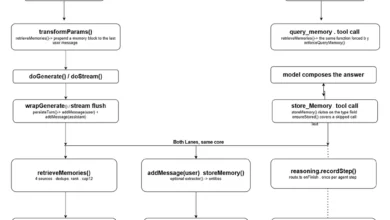
- The Integration Layer: Developers then connect these two databases using a common identifier—typically a unique flight ID—allowing the system to link a specific maintenance event in the graph to a specific sensor anomaly in the time-series data.
- The Natural Language Interface: The final stage is the implementation of a query layer. By using the Model Context Protocol (MCP), the maintainer can "talk" to their data in plain English, bypassing the need to write complex database queries (such as Cypher or SQL) while standing in a hangar.
Technical Architecture: The Hybrid Database Approach
A sophisticated digital twin cannot rely on a single data structure. The project’s success hinges on a "best-of-breed" architectural split that handles the two primary types of information generated by a machine.
The Knowledge Graph (Neo4j)
The graph database serves as the "brain" of the twin. It stores the identity and relationships of the aircraft. For a single experimental plane, this might consist of roughly 1,500 nodes and 3,800 relationships. Nodes represent physical objects (Propeller, Cylinder 1, Garmin G3X) or events (Maintenance Entry, Oil Analysis). Relationships define the context: a MAINTENANCE_ENTRY node is ROUTED_TO a CYLINDER node, which IS_PART_OF an ENGINE. This structure allows for "traversal" queries that are difficult in traditional spreadsheets, such as identifying every part affected by a specific service bulletin across a decade of history.
The Time-Series Firehose (PostgreSQL/TimescaleDB)
Modern avionics suites, such as the Garmin G3X Touch, record telemetry at high frequencies. Over 100 flights, a single aircraft can generate nearly 200,000 individual data points, including exhaust gas temperatures, oil pressure, altitude, and fuel flow. Storing this in a graph is inefficient. Instead, a time-series database handles the "firehose" of data, allowing the owner to visualize trends over time and identify "drift" in engine performance that might be invisible during a single flight.
Supporting Data: The Impact of Digitization on Safety and Efficiency
The benefits of this digital transition are quantifiable. In the traditional "paper and spreadsheet" model, a comprehensive condition inspection—the annual deep-dive required for experimental aircraft—can take a pilot a full day just to organize the necessary documentation. This includes cross-referencing the installed parts list against the FAA’s Airworthiness Directives (ADs) and manufacturer Safety Bulletins (SBs).
With a digital twin, this research phase is reduced from hours to seconds. Because the system knows exactly which serial numbers are installed and has a record of every previous AD compliance entry, it can automatically generate a "gap analysis" of what needs to be inspected.
Furthermore, the digital twin enables "Condition-Based Maintenance" (CBM) rather than "Time-Based Maintenance." In the time-based model, a part is replaced because it has reached a certain number of hours, regardless of its actual state. In the CBM model, the digital twin identifies subtle trends—such as a 5% increase in a specific wear metal in oil samples over six months—allowing the owner to intervene before a mechanical failure occurs.
Industry Implications and Official Responses
While this specific project was a solo endeavor, it mirrors a broader trend in the tech industry toward "Connected Asset Intelligence." Companies like Neo4j and Databricks have recently showcased commercial versions of this architecture for major airlines, demonstrating how fleet-wide telemetry can be joined with aircraft topology to save millions in operational costs.
Industry analysts suggest that the democratization of these tools will lead to a new standard in "logbook integrity." In the future, the value of a pre-owned aircraft may be tied directly to the quality of its digital twin. A "verified digital history" provides a level of transparency that paper logs cannot match, potentially increasing the resale value of well-maintained experimental aircraft.
Software experts also point to the "Model Context Protocol" (MCP) as a game-changer for DIY maintainers. By allowing LLMs to securely interface with private databases, MCP removes the technical barrier to entry. A pilot no longer needs to be a data scientist to benefit from a digital twin; they only need to be able to ask, "Is my oil consumption trending higher than last summer?"
Broader Impact: Beyond the Hangar
The implications of the personal digital twin extend far beyond aviation. The same architecture—a hybrid of graph and time-series data queried via an AI interface—is applicable to any complex system that requires maintenance and monitoring.
- Automotive: Owners of classic cars or high-performance racing vehicles can track component wear and historical modifications.
- Residential Infrastructure: Homeowners can model HVAC systems, solar arrays, and plumbing networks to predict failures and optimize energy usage.
- Small-Scale Manufacturing: Independent operators of CNC machines or 3D printer farms can use digital twins to manage maintenance schedules and part inventories.
The core takeaway is that the "complexity gap" is closing. The tools required to build a living model of a physical asset are now accessible to anyone with a computer and a willingness to structure their data.
Conclusion: The Future of Maintenance
The shift toward digital twins in personal hangars represents a move from reactive to proactive ownership. By centralizing scattered data into a cohesive, queryable model, maintainers gain a level of visibility that was previously impossible. The most significant benefit, however, may be the psychological shift in the relationship between the human and the machine.
When a pilot can ask their airplane a question and receive an answer based on a decade of telemetry and maintenance history, the aircraft ceases to be a "black box" of potential mechanical surprises. It becomes a transparent, understood system. As more owners adopt these technologies, the general aviation community may see a significant uptick in safety and reliability, driven not by new regulations, but by the power of personal data empowerment. For the hobbyist maintainer, the message is clear: the digital twin is no longer a corporate luxury; it is a tool for the modern workshop.