Elecrow CrowPanel Advanced 10.1 Inch ESP32-P4 HMI Touchscreen Review A Deep Dive into DIY Smart Home Integration

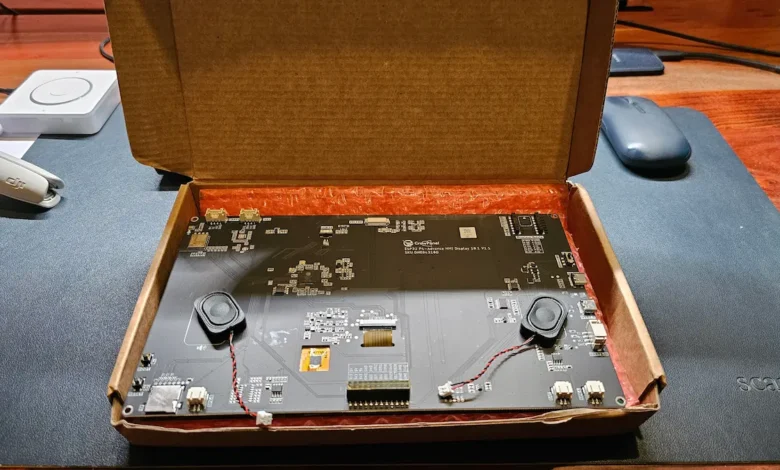
The evolution of the modern smart home has reached a critical juncture where centralized control is no longer a luxury but a necessity for seamless device management. As the number of connected Internet of Things (IoT) devices in residential environments continues to climb, the limitations of smartphone-based control become apparent. Often, relying on a personal mobile device to manage household lighting, climate control, or security systems creates friction, particularly for guests or family members who lack administrative access. The Elecrow CrowPanel Advanced 10.1-inch ESP32-P4 HMI display has emerged as a potential hardware solution for these challenges, offering a robust, touch-enabled interface for custom smart home dashboards.
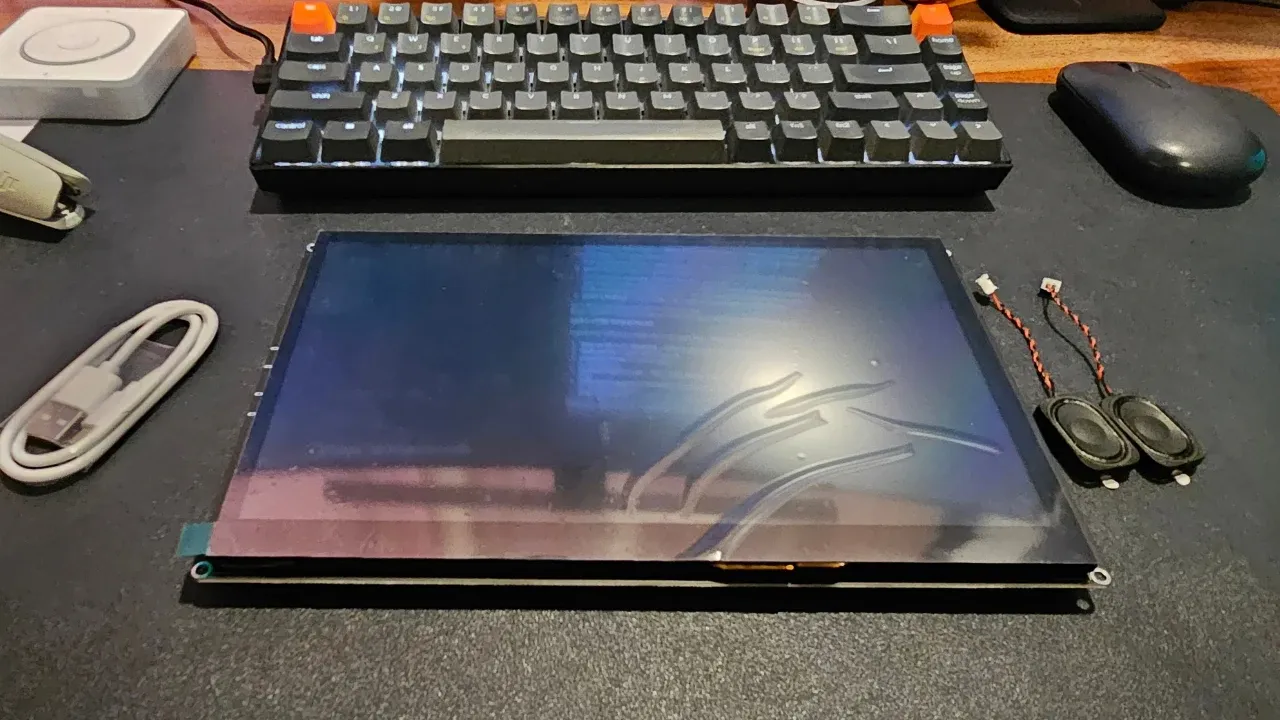
Hardware Architecture and Technical Specifications
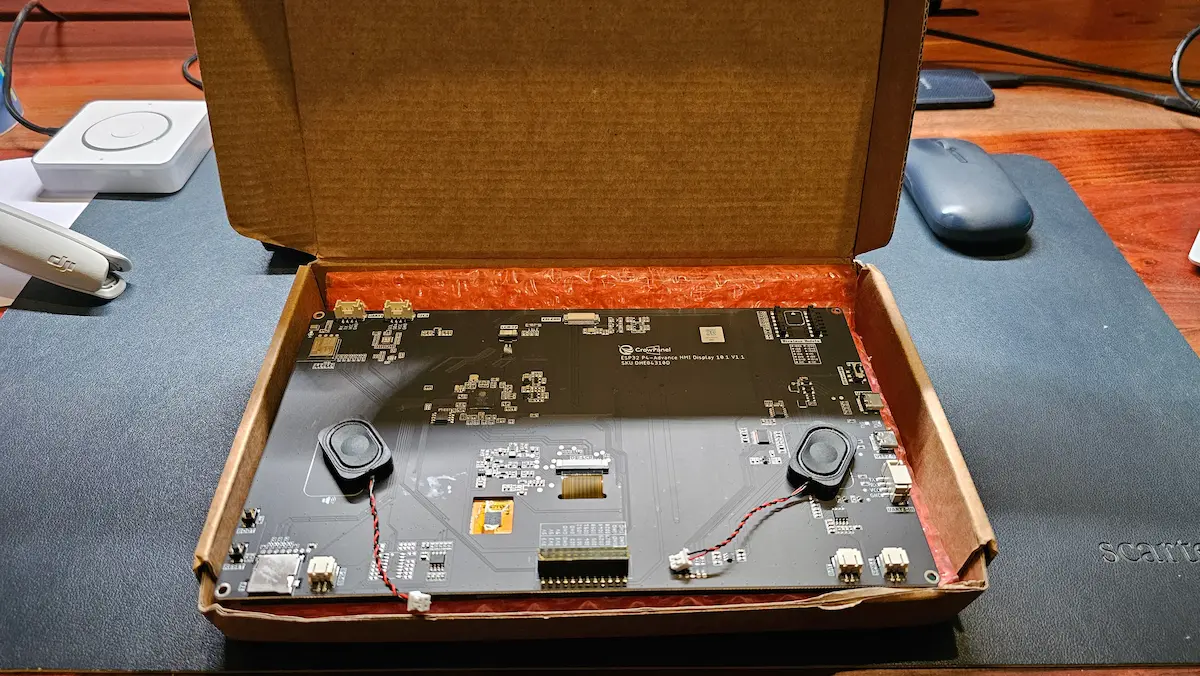
At the heart of the CrowPanel Advanced lies the ESP32-P4, a high-performance dual-core RISC-V processor that signals a departure from the traditional ESP32-S3 architectures commonly found in hobbyist projects. This shift toward the P4 SoC provides significantly higher computational headroom, necessary for driving a large 10.1-inch IPS display with a resolution of 1024×600 pixels. To manage wireless connectivity, the board utilizes an auxiliary ESP32-C6 co-processor, which offloads Wi-Fi 6 and Bluetooth 5 operations. This dual-chip configuration is a deliberate engineering choice to ensure the primary P4 processor remains focused on rendering the user interface and handling input logic.
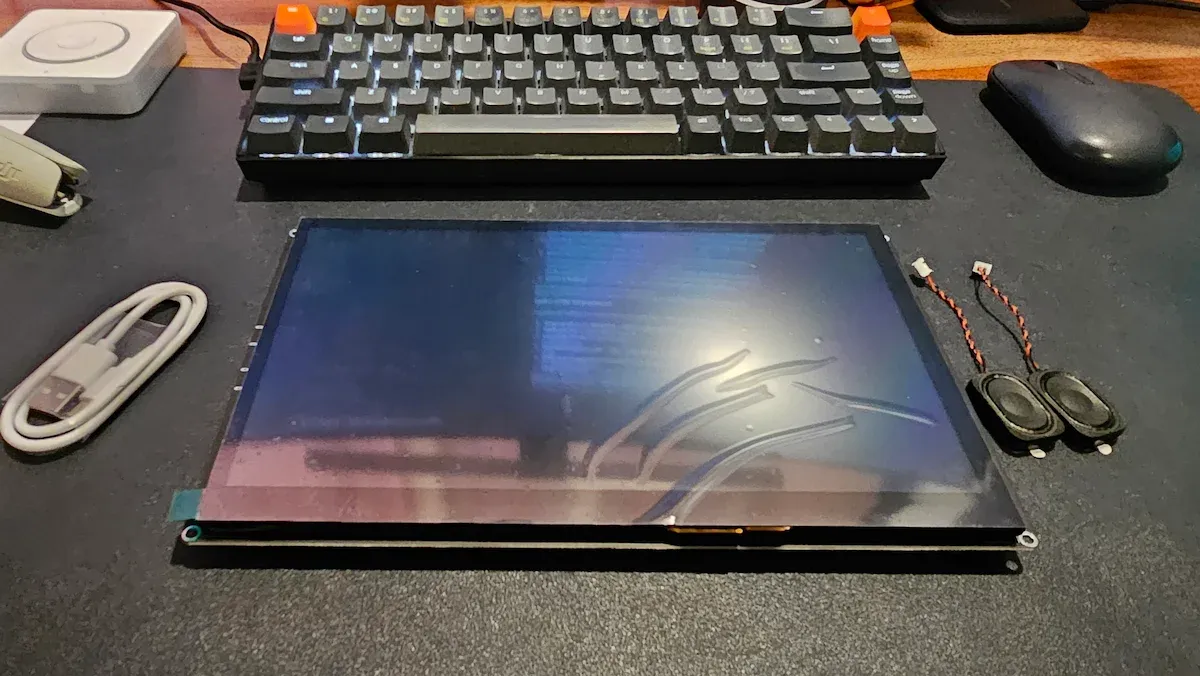
The device comes equipped with 16MB of Flash storage and 32MB of PSRAM, providing sufficient memory for complex graphical interfaces developed using the Light and Versatile Graphics Library (LVGL). Connectivity is bolstered by a suite of exposed interfaces, including I2C, UART, and GPIO headers, allowing users to integrate additional hardware such as environmental sensors, motion detectors, or external microcontrollers. Furthermore, the inclusion of a dedicated camera connector and an optional 2MP camera module expands the board’s utility into the realm of edge AI and computer vision. Power management is handled via a USB-C interface, with an onboard battery connector providing a contingency for power outages, a critical feature for wall-mounted control panels.

Chronology of Development and Implementation
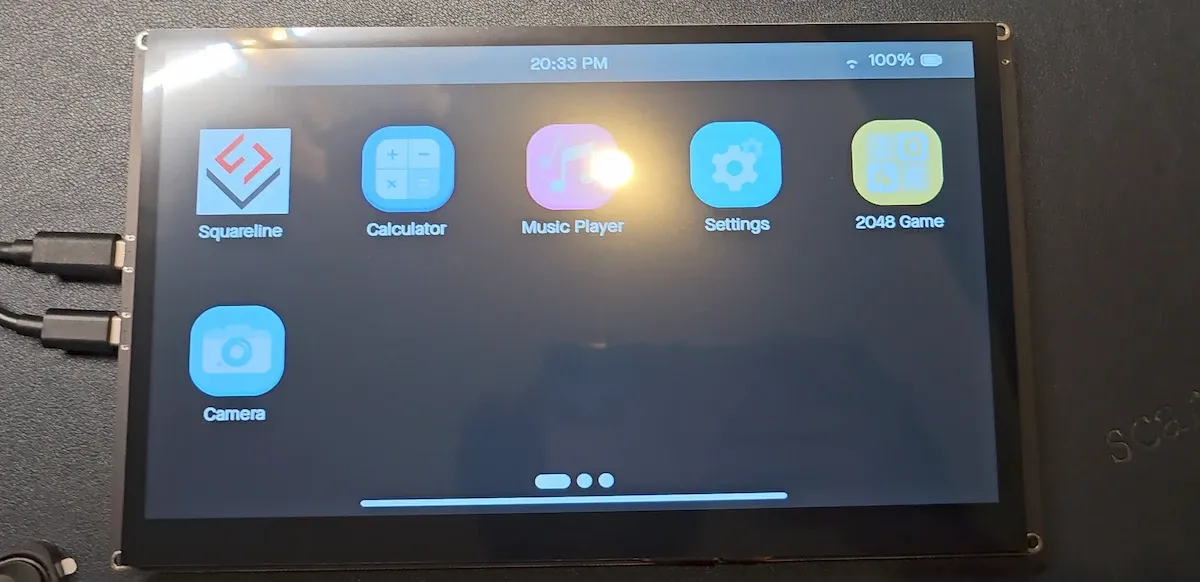
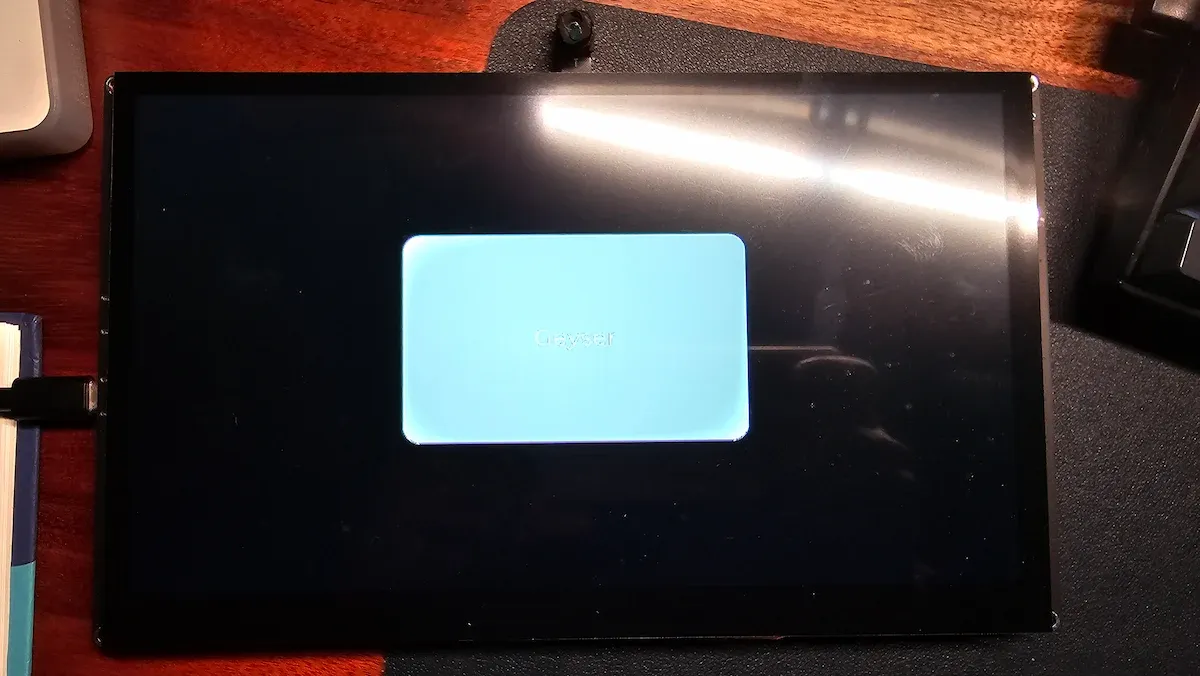
The deployment of the CrowPanel as a Home Assistant interface follows a structured technical workflow common in advanced homelab environments. Initially, the device arrives pre-loaded with a proprietary demo firmware. While this firmware serves as a functional proof-of-concept to verify the integrity of the touch digitizer and display panel, it lacks the persistent memory functionality required for long-term integration.
In early testing phases, developers noted that the device struggled with Wi-Fi credential persistence under the stock firmware. The transition to a customized ESPHome environment marked the transition from a passive display to an active, network-integrated node. During the integration process, users have reported specific hardware-level hurdles, particularly regarding the internal SDIO link between the P4 and C6 chips. On hardware revision V1.1, for instance, differences in data line routing necessitated manual adjustments to configuration files. Once these initialization parameters were corrected, the board demonstrated high stability, maintaining a persistent connection to the Home Assistant API without requiring the overhead of the standard Supervisor add-on architecture.
Comparative Analysis and Market Positioning
When compared to off-the-shelf smart home panels, such as those produced by Amazon, Google, or proprietary home automation vendors, the Elecrow CrowPanel occupies a distinct niche. While mainstream panels offer "plug-and-play" functionality, they are often locked into specific ecosystems, limiting user autonomy and data privacy. The CrowPanel is squarely aimed at the "prosumer" and maker demographic. It provides a blank slate, requiring the user to define the interface logic through platforms like SquareLine Studio or raw LVGL coding.
From a pricing perspective, the unit is positioned at approximately $60. This price point is highly competitive, especially when considering the cost of the display panel, the advanced SoC, and the integration of both audio and camera peripherals. However, the true cost of the device includes the "time investment" required for assembly, firmware flashing, and UI design. For users seeking a turnkey solution, this device may present an insurmountable barrier to entry. For the developer, however, it represents an affordable, highly customizable alternative to commercial panels that typically retail for two to three times the price.
Broader Implications for IoT and Edge AI
The integration of an ESP32-P4 with a high-resolution display represents a broader trend in the Internet of Things: the migration of computational power from the cloud to the edge. By utilizing the onboard camera and the processing capabilities of the ESP32-P4, developers are beginning to experiment with local-only AI features, such as basic facial recognition or occupancy detection, without the need for cloud-based processing.
This shift addresses two primary concerns in the smart home industry: latency and privacy. By processing vision data locally on the panel, the system reduces the bandwidth required for cloud communication and ensures that sensitive video feeds remain within the internal network. While the current state of local edge AI on this platform remains in its infancy, the hardware foundation exists to support sophisticated, localized logic. As Large Language Models (LLMs) and computer vision libraries continue to be optimized for RISC-V architectures, the potential for these panels to function as autonomous "smart assistants" grows significantly.
User Considerations and Technical Requirements
Prospective users should approach the CrowPanel with a clear understanding of the project scope. Successful implementation relies on a basic proficiency with:
- Firmware Flashing: Familiarity with the ESPHome command-line interface or similar flashing tools is essential.
- Network Configuration: Troubleshooting internal communication between the main SoC and the Wi-Fi co-processor.
- UI Design: Utilizing design software like SquareLine Studio to map touch inputs to Home Assistant entities.
- Hardware Assembly: Managing the physical mounting of the board, which may require custom 3D-printed enclosures or wall-mount kits.
The device is not intended for the casual user who expects a consumer-grade experience out of the box. Instead, it serves as a robust platform for those looking to build a bespoke, long-term solution for home management. The flexibility afforded by the exposed GPIO pins also suggests that this panel could serve as a "master controller" for an entire room, linking physical switches, temperature sensors, and the visual interface into a unified control scheme.
Future Outlook
The Elecrow CrowPanel Advanced 10.1 represents a significant milestone for the DIY community, bridging the gap between low-power microcontrollers and high-end industrial HMI displays. Its reliance on the ESP32-P4 architecture suggests that the future of home automation interfaces will be defined by increased performance and decreased reliance on cloud-dependent hardware.
As the community continues to develop open-source templates and dashboard layouts, the barrier to entry for these devices will likely lower. For now, the CrowPanel stands as an exemplary tool for those who prioritize control, privacy, and modularity in their smart home infrastructure. By choosing to build a custom interface, homeowners can move beyond the limitations of proprietary software and create a dashboard that is tailored to their specific lifestyle, reflecting the true potential of the decentralized smart home movement. Whether it is used for a simple geyser switch or a complex, AI-driven home security terminal, the CrowPanel provides the necessary hardware substrate to push the boundaries of what is possible in a modern, connected living space.