Developing for Today: 50+ New Developer Sessions on Building Apps Today | Android Developers’ Blog

The Evolution of the Android Dev Summit
The Android Dev Summit has historically served as the primary venue for Google to unveil major updates to the Android operating system, Jetpack libraries, and developer tooling. The four-year pause, necessitated initially by the global pandemic and followed by a strategic shift toward localized digital outreach, created a significant gap in the direct feedback loop between Google engineers and the external developer community.
The 2024 edition of the summit sought to bridge this gap by bringing together over 900 attendees across two continents. The programming was designed to be intensive, focusing on the future of mobile architecture, the integration of generative AI into app workflows, and the nascent field of Android Extended Reality (XR). By operating in both the United States and the United Kingdom, Google aimed to accommodate the distinct needs of North American and European developer markets, ensuring that the insights shared were geographically and contextually relevant.
A Data-Driven Approach to Technical Education
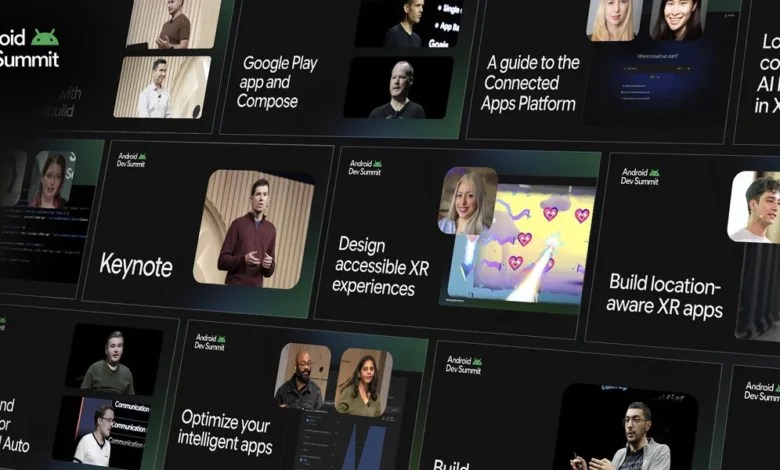
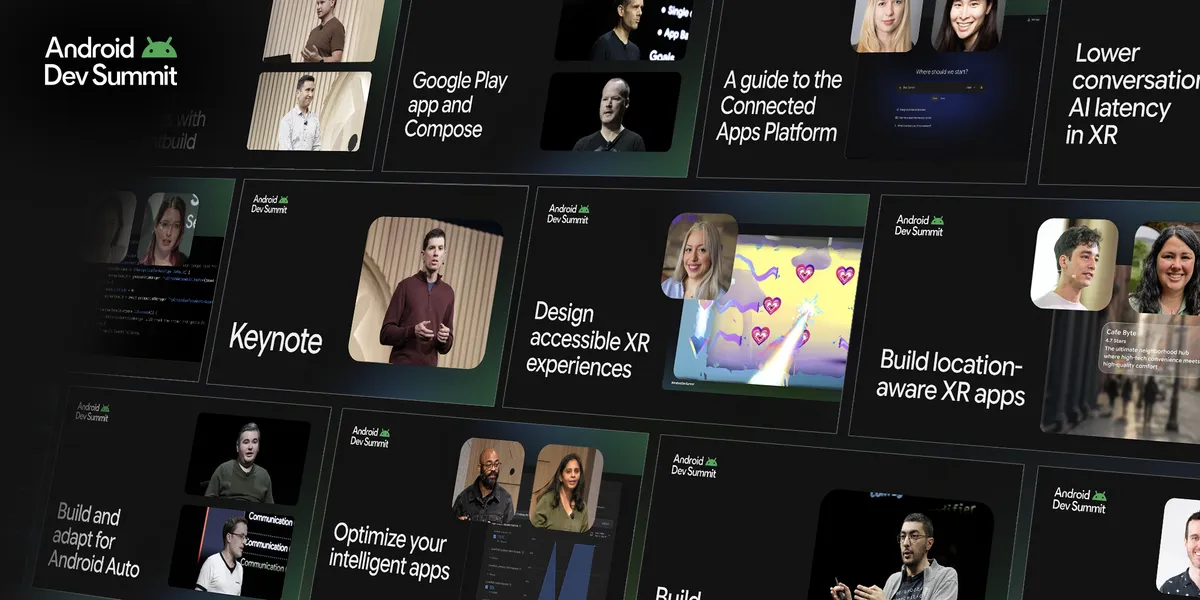
Recognizing that the vast majority of the global Android developer community could not attend in person, Google has pivoted toward a "digital-first" distribution model for the summit’s technical content. The core of this initiative involves the release of over 50 sessions categorized into four critical pillars: App Foundations, Intelligent Apps, Tools and Performance, and Android XR.
Unlike previous years, where content was limited to video playback, Google has introduced a significant technological enhancement: the inclusion of downloadable, context-aware transcripts for every session. These transcripts are synthesized with session slide decks, creating a unified document that provides full context. The move is designed to facilitate the use of Large Language Models (LLMs) and AI agents. By providing structured, clean data, Google is enabling developers to feed these transcripts into their own local AI agents, allowing them to extract code snippets, architectural recommendations, and best practices directly into their development environments.
Integrating Artificial Intelligence: The Gemini Notebooks
Perhaps the most notable announcement from the summit was the integration of Gemini Notebooks for each of the four tracks. This represents an evolution in developer documentation. Instead of forcing developers to manually parse long-form video or static PDFs, the Gemini-powered notebooks allow users to interact with the content through natural language queries.
This reflects a broader trend in the software industry: the move from passive documentation to active, conversational knowledge bases. By embedding the summit’s technical insights into AI-accessible formats, Google is attempting to standardize the way developers digest complex information. Analysts suggest that this is a strategic move to lower the barrier to entry for new Android features, such as those related to on-device AI and performance optimization, which are often characterized by steep learning curves.
Key Focus Areas and Industry Implications
The 2024 summit’s agenda was heavily weighted toward the maturation of the Android platform, moving away from foundational OS updates toward higher-level app development ecosystems.
- Intelligent Apps: The focus here was on how developers can leverage on-device models to provide personalized, private, and efficient user experiences. This includes discussions on minimizing latency and optimizing battery consumption while running heavy machine learning workloads.
- Tools and Performance: A perennial concern for Android developers is fragmentation and build times. The summit featured extensive workshops on the latest iteration of Android Studio, focusing on how improved build speeds and better debugging tools can directly impact developer productivity and, by extension, app quality.
- Android XR: This track acknowledged the growing importance of spatial computing. As manufacturers continue to explore hardware solutions for augmented and virtual reality, Google is positioning Android as the standard operating system for these platforms, providing developers with the APIs necessary to build spatial applications today.
Broader Impact on the Developer Ecosystem
The implications of this summit extend beyond the immediate release of technical content. By emphasizing "community discussions" and feedback loops, Google is attempting to rebuild the rapport that was lost during the pandemic-induced hiatus. The decision to host a hackathon and workshops suggests a desire to foster a more hands-on culture, moving away from the "broadcast" style of tech conferences toward a more collaborative, iterative environment.
For the Android developer community, these tools and resources provide a significant competitive advantage. As the complexity of mobile applications increases, the ability to rapidly integrate new APIs—often with the help of AI-assisted tools—becomes a critical factor in a product’s time-to-market. By providing structured data and AI-ready transcripts, Google is effectively subsidizing the research and development phase for its third-party app ecosystem.
Official Responses and Future Outlook
While specific comments from attendees are still being aggregated, the preliminary sentiment from the developer community suggests that the return of in-person interactions was highly valued. Google’s commitment to providing full, high-quality digital documentation for those who could not attend demonstrates a recognition that the "global developer" is not a monolith.
Looking forward, the success of the 2024 Android Dev Summit may determine the structure of future Google developer events. If the AI-integrated, dual-hub model proves effective at increasing developer engagement and adoption of new APIs, it is likely to become the standard. For now, the materials provided on the official Android developers website serve as a comprehensive roadmap for the coming year, outlining the technical challenges and opportunities that will define the mobile landscape.
Conclusion and Next Steps
For developers looking to integrate the insights from the summit into their current projects, the resources are available via the official event portal. The combination of video content, enhanced transcripts, and Gemini-powered notebooks provides a robust framework for professional development. As Google continues to refine its support for the Android ecosystem, the focus will undoubtedly remain on the intersection of AI, performance, and developer experience.
The release of these materials is not merely a summary of a conference; it is a strategic dissemination of technical knowledge intended to guide the next generation of mobile applications. As the industry continues to evolve, the tools provided at the 2024 Android Dev Summit will likely serve as the foundational benchmarks for performance, security, and innovation within the Android ecosystem throughout the next calendar year.