Android Studio Embraces Flexibility with the Launch of Bring Your Own Agent Support for Developer Workflows

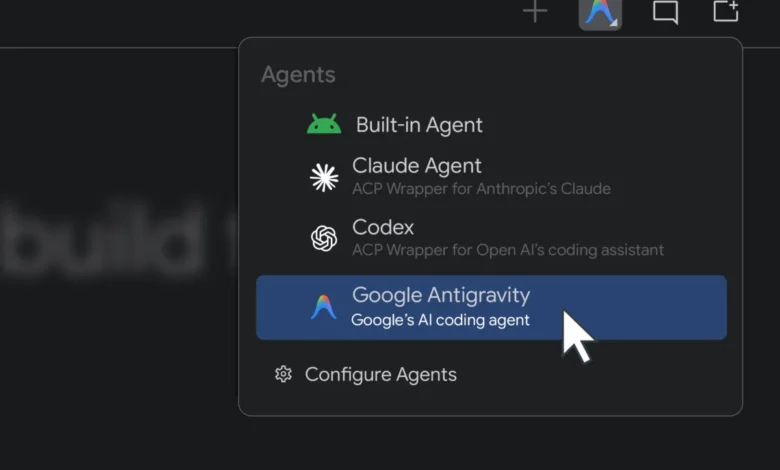
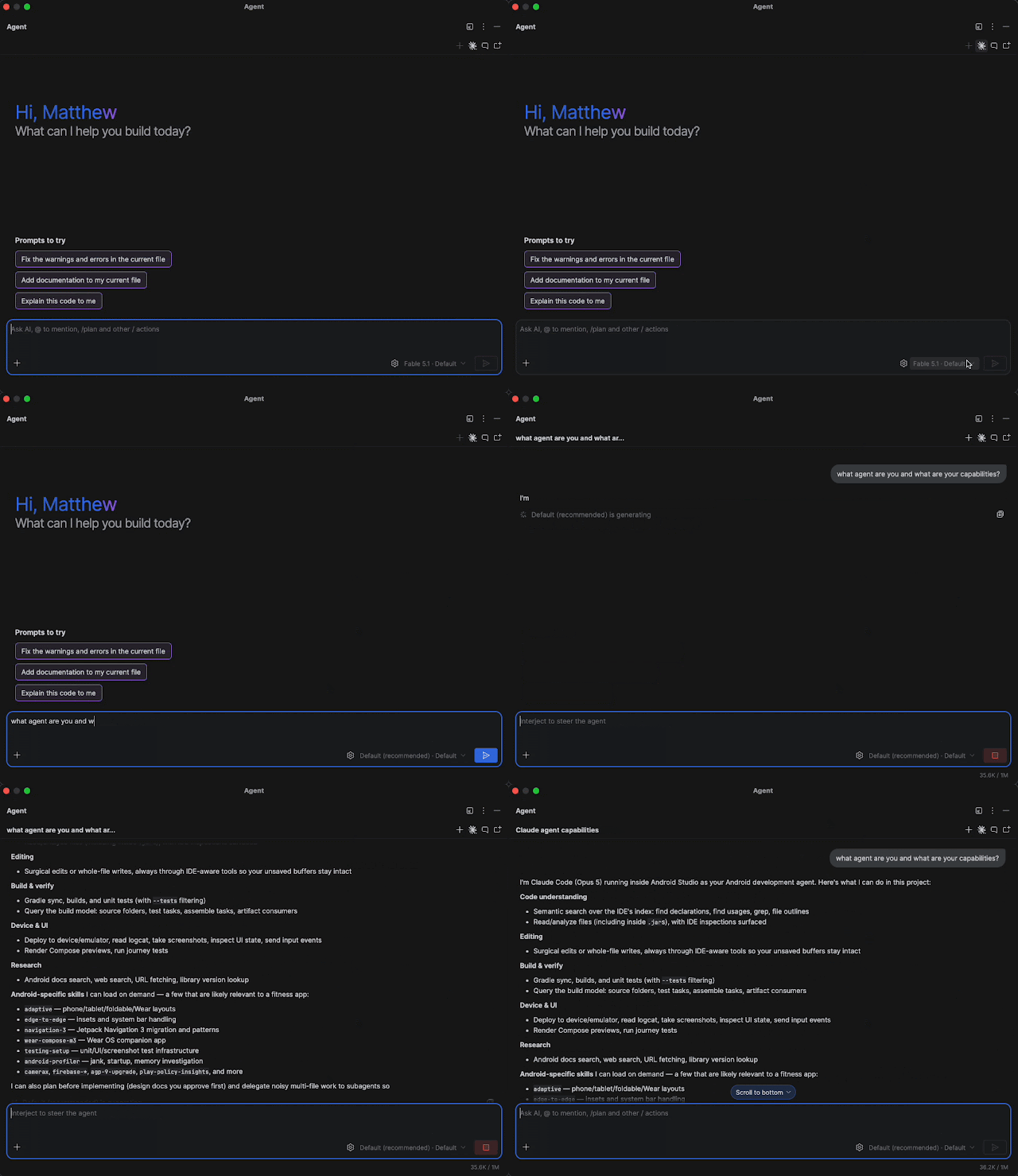
The landscape of professional software engineering is undergoing a fundamental transformation as artificial intelligence shifts from a peripheral novelty to an integrated, essential component of the Integrated Development Environment (IDE). In a significant move to empower engineering teams with greater autonomy, Google has announced the introduction of "Bring Your Own Agent" (BYOA) support within Android Studio. This new feature allows developers to bypass restrictive, single-provider ecosystems, enabling the direct integration of third-party coding agents such as Anthropic’s Claude Agent, OpenAI’s Codex, and Google’s own Antigravity suite. By providing a unified infrastructure, Android Studio aims to serve as a high-performance orchestration layer for the modern developer’s preferred AI toolkit.
The Evolution of AI-Assisted Development
For decades, the IDE has been the static cockpit of the developer, providing syntax highlighting, debugging tools, and version control management. The last three years, however, have seen an aggressive pivot toward "agentic" development, where AI does not merely suggest code snippets but autonomously plans, executes, and iterates on complex technical workflows.
The timeline of this transition began in earnest around 2023, as large language models (LLMs) demonstrated a proficiency for boilerplate generation. By late 2024, the focus shifted toward "long-horizon" tasks—coding operations that require multiple steps, file modifications, and architecture-wide testing. Last year, Android Studio made its first major move in this direction by allowing developers to connect to remote models. Today’s introduction of the BYOA feature represents the logical maturity of that strategy, acknowledging that engineering teams often maintain multi-model AI stacks tailored to specific project requirements.

Technical Architecture and Integration
The BYOA framework operates on the principle of "IDE-native intelligence." Rather than forcing developers to toggle between external chat interfaces and their codebase, the new integration embeds these agents directly into the Android Studio environment. This approach provides several technical advantages, most notably the ability to tap into the Android Knowledge Base and specialized Android skills.
By running these agents through the Android Studio infrastructure, developers gain a critical performance boost. The IDE optimizes the context window, ensuring that the AI has access to the most relevant portions of the project architecture without suffering from the latency or token-exhaustion issues common in browser-based AI environments. This integration is designed to handle complex debugging and refactoring tasks, providing a more cohesive experience than standalone AI tools that lack awareness of the local project structure.
Strategic Implementation of Google Antigravity
While the BYOA initiative supports a variety of third-party models, Google continues to promote its own ecosystem through the Antigravity agent. This tool is designed to serve as the primary bridge for developers who rely on the Gemini model family. By selecting the Antigravity agent, users gain access to the latest iterations of Gemini Flash 3.8, which have been specifically tuned for the high-concurrency requirements of Android application development.
For enterprise users, the distinction between standard and professional tiers remains critical. Organizations already utilizing Gemini Enterprise will find that the new integration maintains existing security and compliance protocols, ensuring that code remains protected within the Google Cloud environment. For individual developers, the Antigravity agent allows for the usage of existing Google AI Pro or Ultra plans, effectively consolidating their subscription benefits directly into their workspace. This move reflects a broader industry trend toward "bring-your-own-license" models, which allow organizations to manage their AI costs more predictably while leveraging their existing vendor agreements.

Industry Context and Productivity Benchmarking
The necessity for this level of interoperability is supported by recent industry data. According to recent surveys of software engineering leads, nearly 72% of development teams now report using at least two different AI coding assistants concurrently. The primary driver for this multi-agent approach is the varying performance profiles of models: some excel at unit testing, while others demonstrate superior capabilities in architecture design or documentation generation.
To address the need for objective performance measurement, Google has concurrently released updates to its "Android Bench" framework. This benchmarking suite focuses on "long-horizon tasks"—essentially, the ability of an AI to complete an entire feature branch without manual intervention. By correlating these benchmarks with the performance of agents running in Android Studio, developers can make data-driven decisions about which model to deploy for specific stages of their development lifecycle.
Broader Implications for the Development Lifecycle
The introduction of BYOA is likely to have a ripple effect across the broader tooling ecosystem. For smaller AI startups and specialized model providers, this provides a pathway to reach the vast, established base of Android developers. By allowing these agents to operate within the trusted, secure environment of Android Studio, Google is essentially lowering the barrier to entry for advanced, niche-specific AI tools.
Furthermore, this shift signals a transition away from the "all-in-one" AI model. Instead, the industry is moving toward a modular, "best-of-breed" architecture where the IDE functions as an interoperable platform. This benefits both the individual developer, who is no longer locked into a single AI provider, and the enterprise, which can enforce security policies across a diverse range of third-party models.

Challenges and Future Considerations
Despite the clear advantages, the move toward a fully agentic, multi-provider workflow presents new challenges. Chief among these is the complexity of maintaining consistent coding standards across different agents. As developers integrate various models, the risk of "style drift"—where different parts of a codebase exhibit slightly different coding patterns—increases. To mitigate this, developers will likely need to rely more heavily on standardized linting and static analysis tools to ensure that the code produced by these agents remains maintainable and compliant with team-wide conventions.
Moreover, the reliance on external APIs for agentic functionality introduces a dependency on third-party uptime and latency. While Android Studio provides the infrastructure for these connections, the end-user experience remains partially tied to the performance of the external provider’s server-side models. As such, the selection of an agent is no longer just a choice of model capability, but a strategic decision regarding operational reliability and service-level agreements.
Looking Ahead
The BYOA support is currently rolling out in the Canary release of Android Studio, specifically within the "Rabbit 2" preview builds. This rollout phase is critical for gathering feedback on agent compatibility, latency, and overall utility. As the feature graduates from preview to stable release, the focus will likely shift toward refining the API registry, which allows for the seamless management of multiple agents.
For the Android development community, the message is clear: the future of engineering is not merely about using AI, but about orchestrating a custom-tailored fleet of agents. By democratizing access to these tools and providing the underlying infrastructure to support them, Google is positioning Android Studio to remain the primary development environment in an era where the IDE is increasingly defined by the intelligence it hosts rather than just the code it compiles.

As teams begin to experiment with these new configurations, the industry will watch closely to see how these autonomous agents influence the speed of deployment and the quality of the final product. With the infrastructure now in place, the next phase of development will be defined by the ingenuity of the developers themselves in leveraging this new, more flexible, and more powerful toolset. Whether through the use of established models like Claude or specialized enterprise solutions, the ability to tailor one’s own AI environment is set to become the standard for professional development, marking a permanent shift in how software is architected, written, and maintained in the years to come.