Android Development Evolution Marks a Shift Toward Adaptive Multi-Device Ecosystems and Unified Architecture

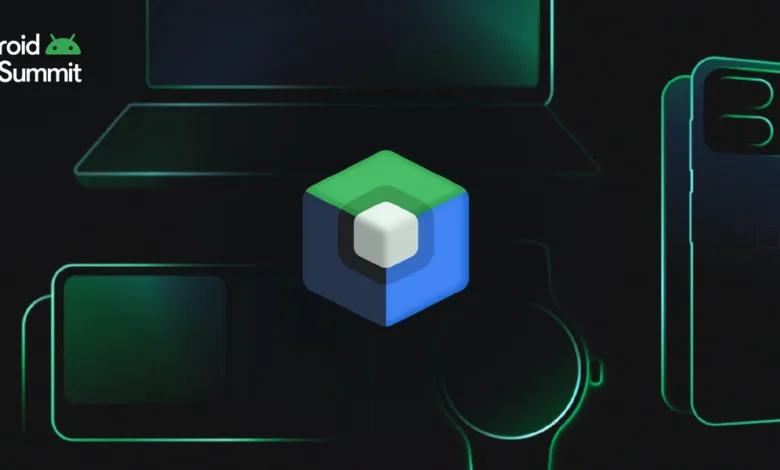
The modern Android ecosystem has transcended the traditional smartphone-centric model, evolving into a sophisticated, multi-device environment that encompasses foldables, tablets, wearables, automotive interfaces, extended reality (XR) platforms, and the emerging category of Googlebook desktop-class experiences. This paradigm shift requires a fundamental transition in how software engineers approach application development. At the heart of this evolution is Jetpack Compose, which has solidified its position as the industry-standard toolkit for building user interfaces across the entire Android landscape. By moving away from the legacy View system, developers are now able to target a single, unified codebase, effectively eliminating the long-standing friction associated with maintaining fragmented UI implementations across varying screen sizes and form factors.
The recent Android Developer Summit served as the primary stage for these announcements, highlighting a strategic push to modernize app foundations. Google’s engineering teams emphasized that while adaptive UI is essential, it represents only half of the development challenge. As applications transition between states—such as folding a device, resizing a window, or moving an app from a handheld display to a desktop environment—traditional layout assumptions often fail, leading to state loss and disjointed user experiences. To address these complexities, Google is introducing advanced architectural components, including Jetpack AppState, alongside robust building blocks like Flexbox and Grid, and new agent-ready tooling designed to automate the scaling process across diverse screen topologies.
Chronology and the Path to Unified Development
The trajectory toward a unified Android development environment has been characterized by several critical milestones over the past five years. Following the initial release of Jetpack Compose in 2019, the ecosystem experienced a gradual adoption phase, followed by a rapid acceleration as the industry began prioritizing foldable and large-screen hardware.
In 2021 and 2022, the focus was primarily on stabilizing the UI toolkit and ensuring basic compatibility with tablets. By 2023, the industry saw the integration of Material You design language and the refinement of adaptive layout libraries. The most recent announcements, made during the 2024–2025 development cycle, signify the transition into "deep integration," where architectural patterns now extend from the UI layer down to the data layer. This progression reflects a move from simply "making apps fit" to "making apps natively responsive" through advanced state management and type-safe navigation.
Advancing Core Foundations: Beyond the UI
The upcoming Compose 1.13 stable release is set to be a pivotal update for the developer community. By introducing native support for adaptive layouts—specifically Grid and Flexbox—Google is providing developers with the tools to build complex, responsive UIs without resorting to custom, error-prone measurement logic. Furthermore, the inclusion of Progressive Blur and Formatted Text capabilities allows for a level of visual fidelity that was previously difficult to achieve without significant performance overhead.
Technically, the shift is not limited to aesthetics. The complete rewrite of the BasicTextField component, which now utilizes a buffer-driven architecture and TextFieldState, addresses long-standing issues regarding Input Method Editor (IME) race conditions. By decoupling the text editing logic from the UI rendering, Google has enabled developers to implement rich text formatting and complex input handling with greater reliability. This is a critical development for productivity-focused applications that require high-performance, low-latency text entry.
Performance remains a central theme in these updates. With the increasing complexity of modern UIs, maintaining smooth frame rates and minimizing startup latency are paramount. The introduction of deeper profiling tools, such as Perfetto and recomposition tracing, allows developers to identify costly anti-patterns early in the development lifecycle. By focusing on these metrics, the Android team is aiming to ensure that even the most visually rich applications remain responsive across the diverse range of hardware performance tiers, from budget devices to high-end workstations.
Jetpack AppState: Architecture for a Multi-Surface Future
Perhaps the most significant architectural departure is the introduction of Jetpack AppState, currently in its alpha phase. Historically, state management in Android has been a fragmented endeavor, often requiring different approaches for Activities, Services, and Widgets. AppState seeks to bring the reactive power of Compose’s snapshot system into the broader application architecture.
Through the use of the Transform API, developers can now derive reactive state from existing flows and state objects using idiomatic Kotlin. This reduces the boilerplate code required to synchronize data across disparate parts of an application. Furthermore, the StateStore container provides a mechanism for sharing observable state across different app surfaces, including background services and App Functions. When paired with DataStore for persistence, this architecture creates a cohesive "source of truth" that ensures an app remains in a consistent state, regardless of which component is currently interacting with the user.
Designing for Robust Navigation and Multi-Modal Input
As applications grow in modularity, the navigation stack becomes increasingly complex. The launch of Jetpack Navigation 3 marks a major improvement in this domain. By utilizing Kotlin Serialization, the library now supports type-safe deep linking, allowing developers to map URIs and intents directly to strongly typed navigation keys. This approach minimizes the risk of runtime errors associated with string-based navigation and facilitates the creation of synthetic back stacks that feel intuitive to the user, even when navigating through complex, multi-pane layouts.
Input handling has similarly been broadened to account for the reality of modern multi-modal devices. With the rise of trackpads, mice, and physical keyboards in the Android ecosystem, the input system has been extended to manage pointer lifecycles and hover states more effectively. This ensures that an app designed for touch can be just as functional when used in a desktop environment, a requirement that is increasingly important as Android devices continue to blur the line between mobile and personal computing.
Implications for the Broader Android Ecosystem
The implications of these advancements are twofold. First, they provide a standardized path for developers to build "desktop-class" applications, a necessity for the success of platforms like Googlebook. Second, by providing "Android Skills"—a suite of tools designed for integration with coding agents and Gemini in Android Studio—Google is actively reducing the barrier to entry for building high-quality, adaptive apps.
Data from the recent summit suggests that developers utilizing these new adaptive patterns see a significant reduction in the time required to refactor mobile layouts into multi-pane experiences. By adhering to the Adaptive Quality Guidelines, developers can ensure their applications are optimized for the widest possible array of form factors, from small wearables to large-screen monitors.
This strategic direction reflects a broader trend in the software industry: the move toward "intent-based" development. Rather than hard-coding layouts for specific device dimensions, developers are being encouraged to define the behavior and purpose of their interfaces, leaving the adaptive engine to handle the translation to the specific screen surface.
Conclusion: A New Standard for Quality
The current suite of updates represents the most comprehensive effort by the Android team to harmonize the development experience. By aligning the UI toolkit with advanced architectural patterns like AppState and Navigation 3, Google is setting a new baseline for what constitutes a "well-built" Android application.
For the developer, the message is clear: the era of "mobile-only" thinking is over. The future of the platform lies in the ability to deliver seamless, state-consistent experiences that adapt to the user’s environment. As these tools continue to mature through the upcoming stable releases, the industry is likely to see a new wave of applications that are not only more resilient and performant but also capable of meeting the demands of a truly ubiquitous computing landscape. Developers are encouraged to leverage the extensive library of on-demand sessions and technical documentation provided through the Android Developer Summit portal to begin integrating these foundations into their current and future projects.