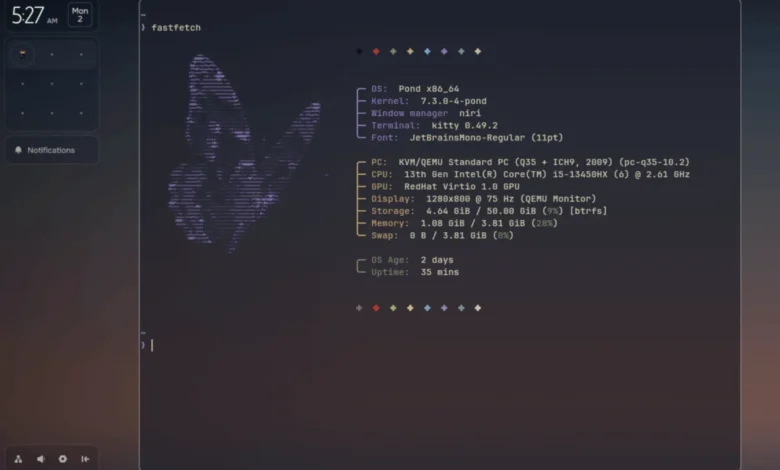
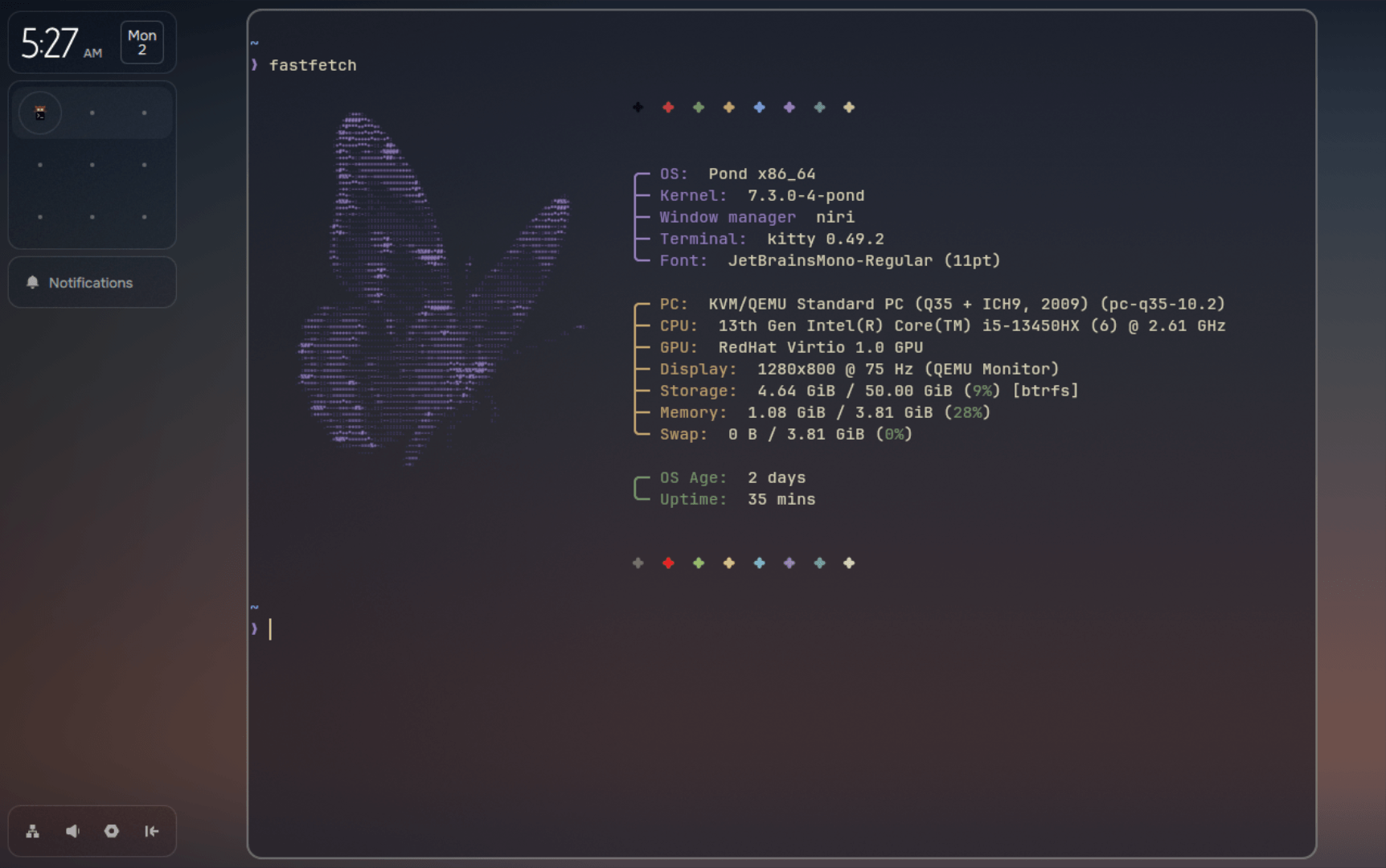
The landscape of Linux distributions has seen a surge of specialized operating systems designed to optimize specific user workflows, and the latest entrant, Pond, is no exception. Developed by Butterfly Interaction Inc., Pond arrives as an Arch Linux-based distribution that prioritizes spatial organization and a distinct visual design language. By leveraging the Niri window manager—a Wayland compositor celebrated for its scrollable tiling capabilities—Pond seeks to redefine how users interact with their desktop environments. Currently in an "Early Preview" phase, the distribution signals a departure from traditional desktop paradigms, focusing on a cohesive, component-based user interface that prioritizes relevance and efficiency.
The Genesis of the Pond Project
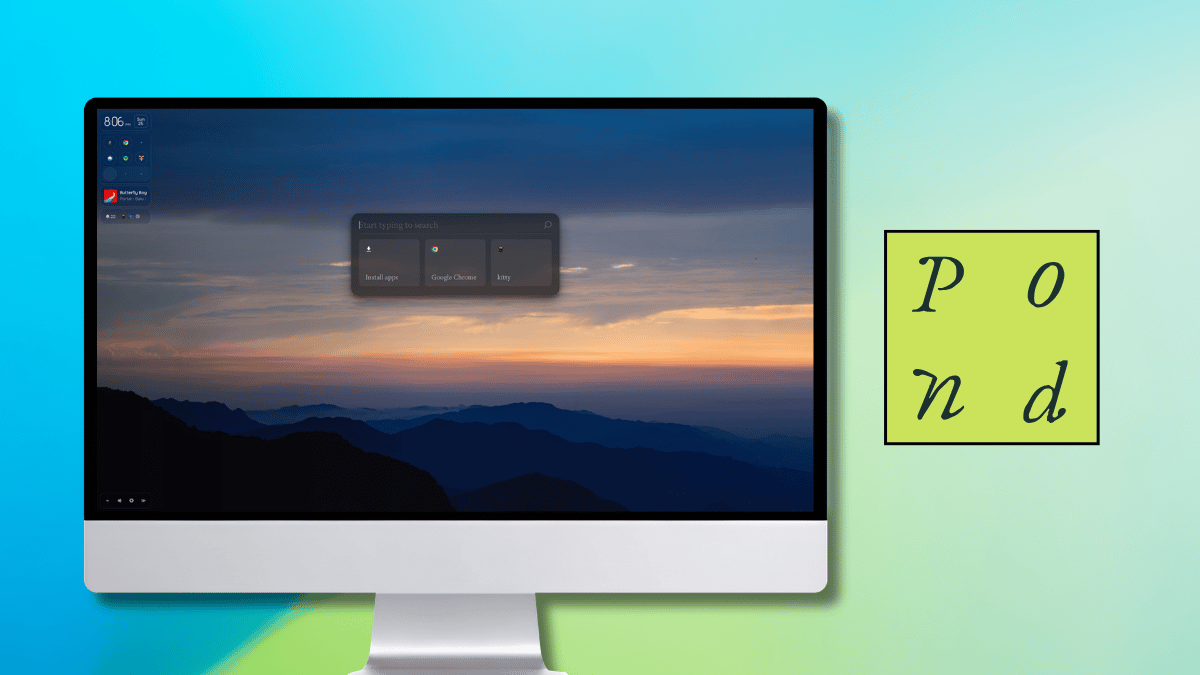
Butterfly Interaction Inc. launched the Pond project with the stated goal of making desktop computing feel more natural and intuitive. The development team has identified four primary pillars that govern the operating system’s design: spatial window arrangement, adaptive component sizing, centralized information delivery, and contextual content visibility. Unlike many desktop environments that treat applications as isolated entities, the Pond ecosystem is built with a holistic design philosophy, ensuring that every UI element—from the sidebar to the launcher—maintains consistent proportions and behavioral patterns.
Pond is built upon the robust foundation of Arch Linux, a distribution renowned for its rolling-release model and comprehensive software repositories. By selecting Arch as its base, the developers ensure that users have access to the latest kernel updates and software packages. However, Pond distinguishes itself through its package management strategy. The system utilizes a sophisticated manager that intelligently routes package requests to the most appropriate source—whether that be the standard Pacman repository, the Arch User Repository (AUR), Flatpak, or Nix. This hybrid approach aims to balance system stability with the vast availability of software required by modern users.

Architectural Innovations and User Experience
The most striking feature of Pond is its integration of the Niri compositor. Unlike traditional floating window managers or grid-based tiling managers, Niri arranges application windows in a scrollable, column-based strip. As the user opens more applications, the strip expands dynamically, allowing for an "endless" workspace that mimics the physical nature of a workspace. This spatial arrangement is further enhanced by a "minimap" feature, which provides a bird’s-eye view of all running applications and workspaces, enabling users to drag and drop windows across different environments with ease.
Navigation within Pond is intentionally keyboard-centric. The operating system includes a mandatory onboarding flow that guides users through essential keybindings, ensuring a smooth transition for those accustomed to mouse-driven interfaces. The system’s UI, including its custom launcher based on the Vicinae project, is designed to minimize friction. The launcher serves as a centralized hub for not just application execution, but also system maintenance and software installation, providing a unified command center that reduces the need to navigate through multiple sub-menus.
Deployment and Installation Mechanics
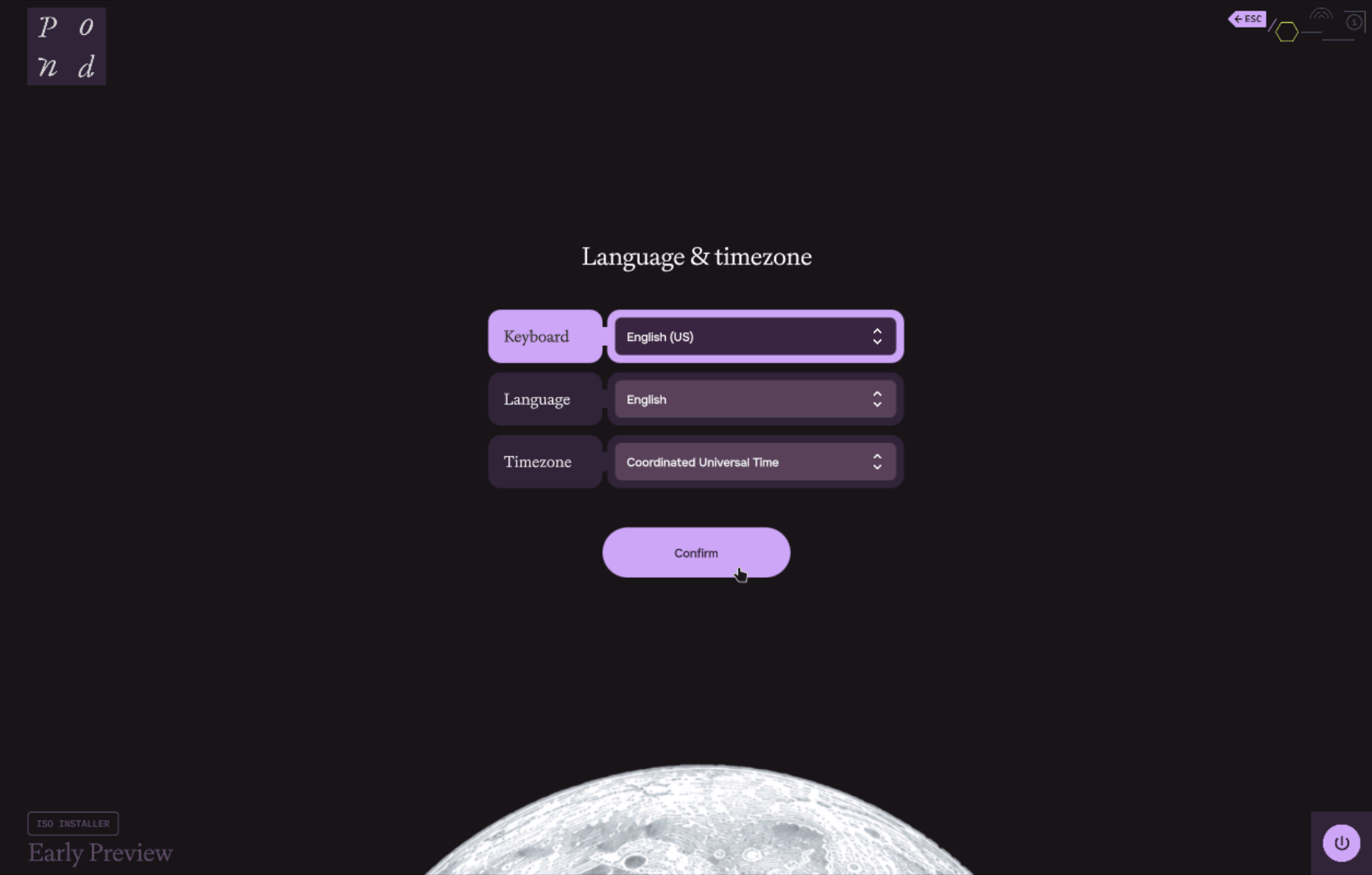
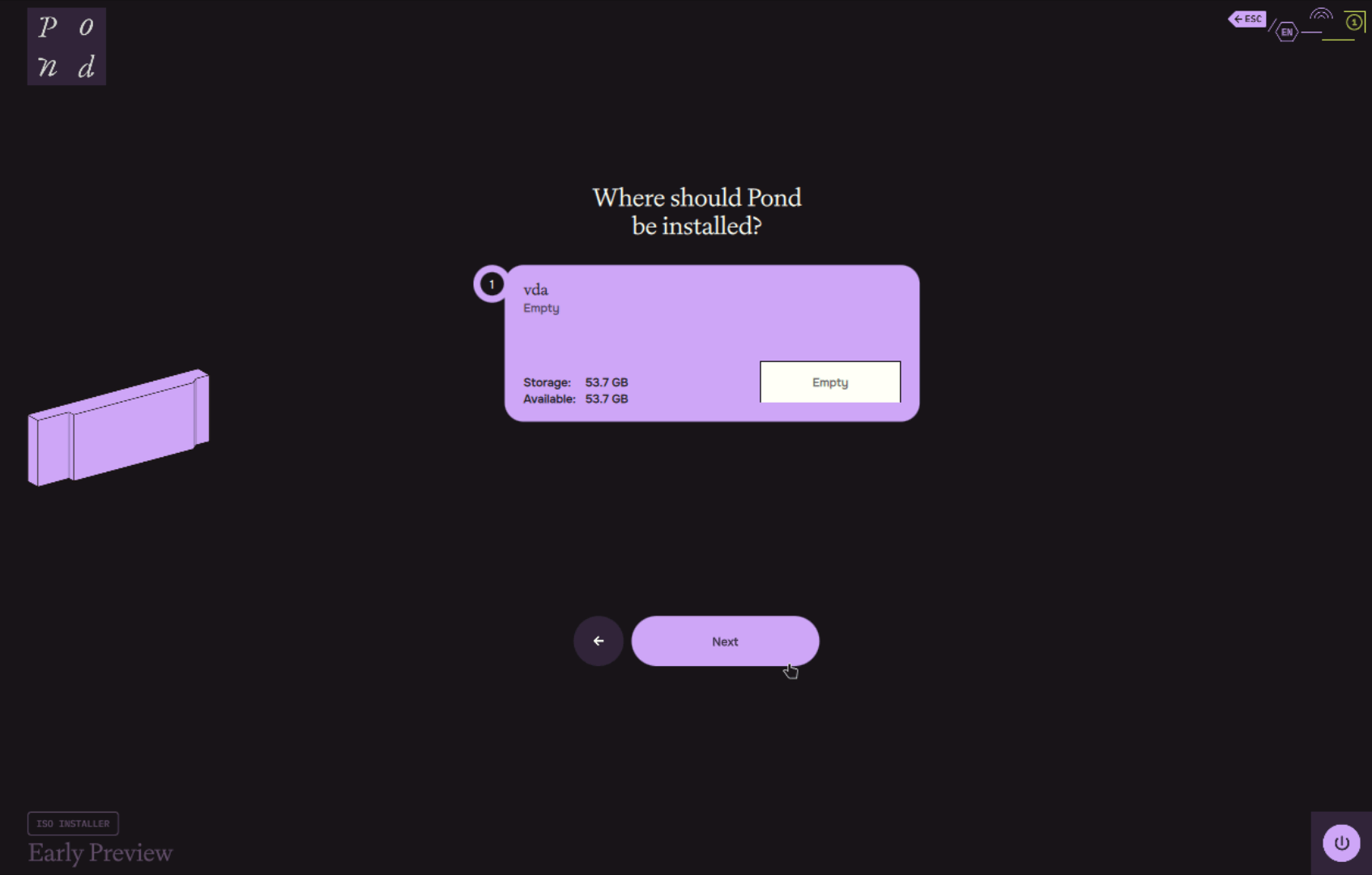
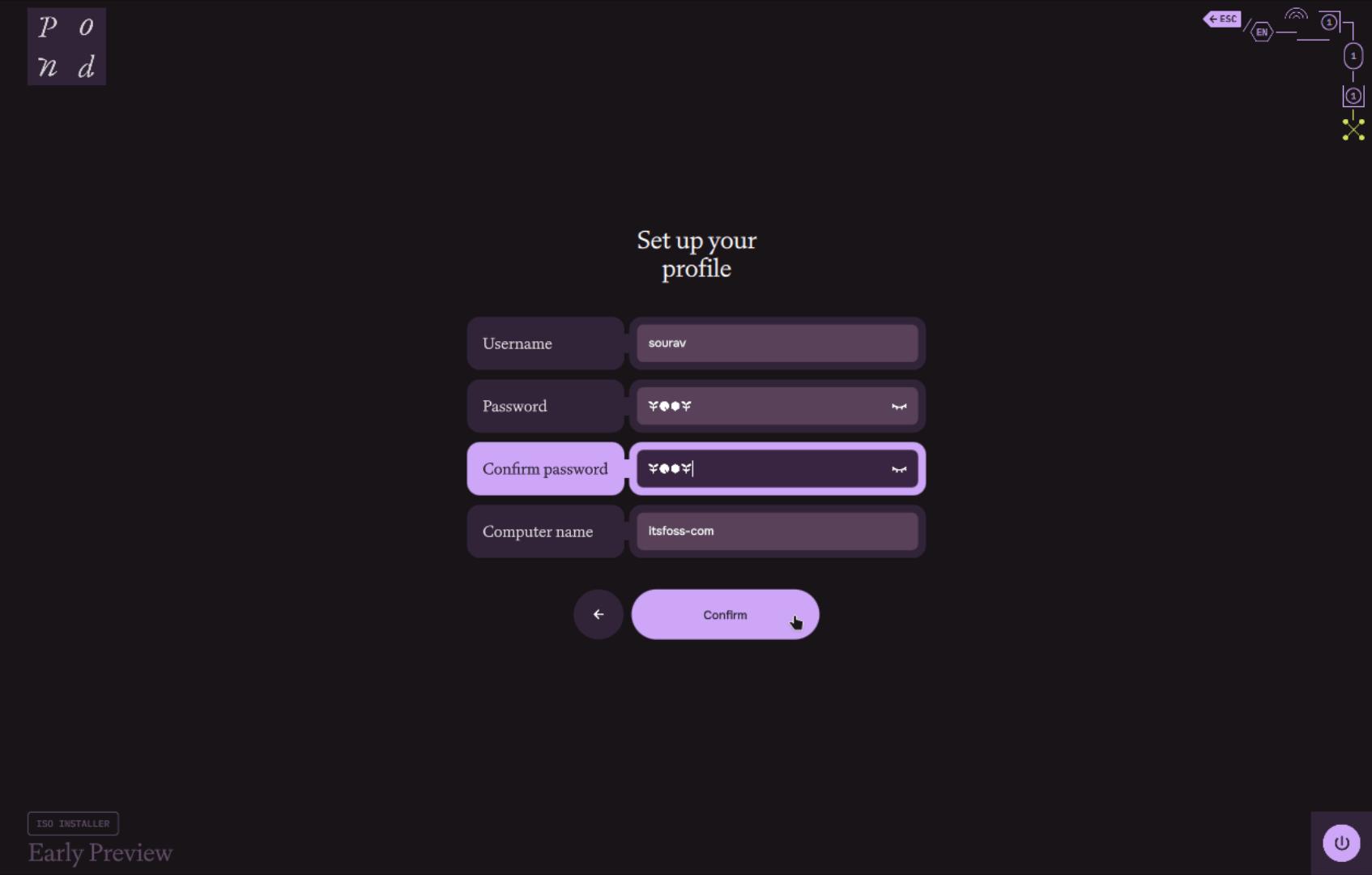
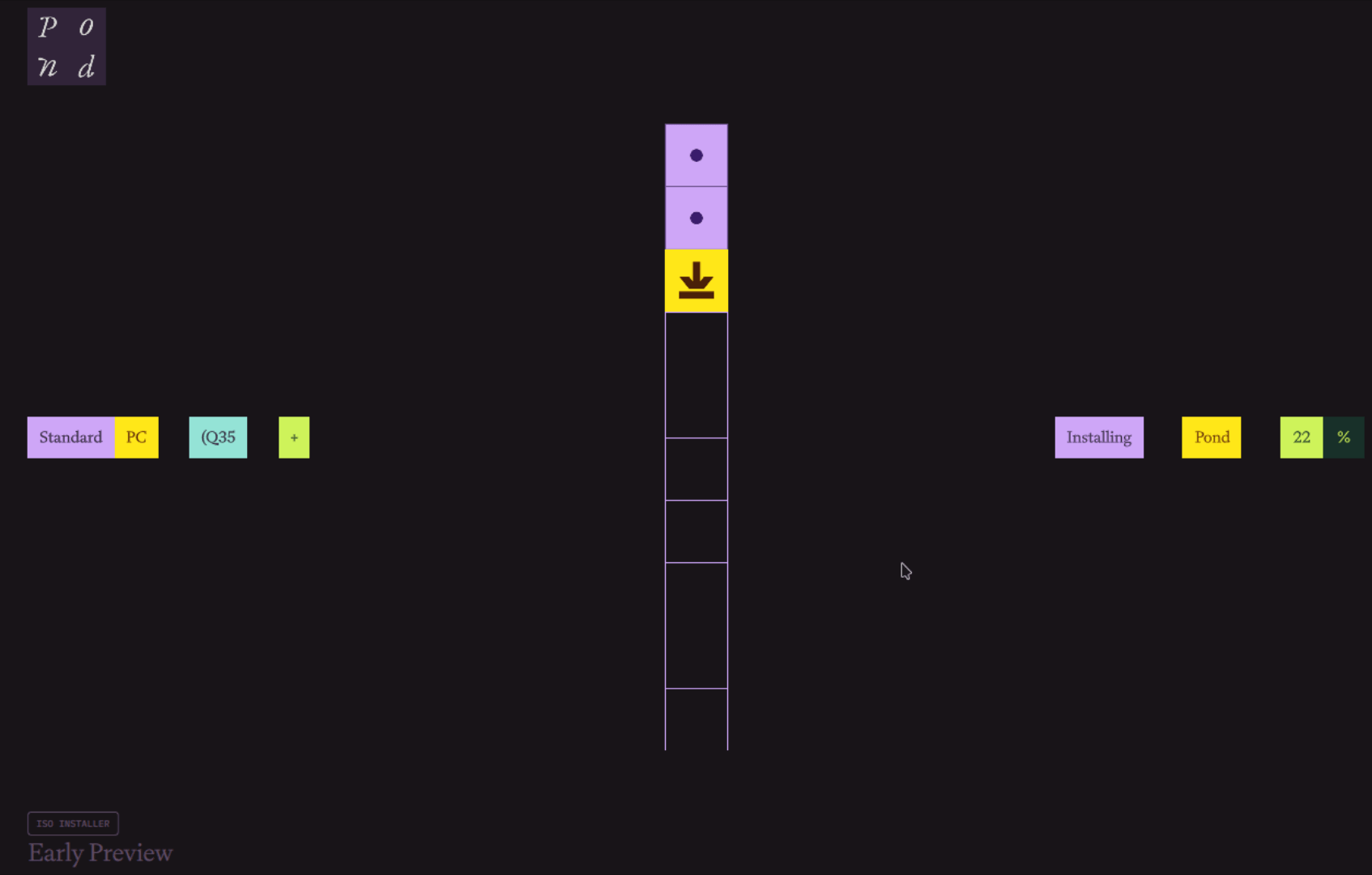
Butterfly Interaction Inc. has taken a non-traditional route in the deployment of Pond, offering two distinct installation pathways designed to appeal to both enthusiasts and those seeking a simplified setup. The first is a standard ISO-based installation, allowing users to flash the distribution onto a USB drive for bare-metal installation or to host it within a virtual machine environment such as QEMU or GNOME Boxes.
The second, and arguably more significant, method is an integrated Windows-based installer. This tool simplifies the complex process of dual-booting by automating the partitioning of hard drives, resolving common issues such as NTFS block-shrinking, and aligning system clocks—a frequent pain point for users toggling between Windows and Linux. This focus on ease of adoption suggests that Butterfly is targeting a broader demographic beyond the traditional Linux power-user base, attempting to mitigate the technical barriers that often deter Windows users from experimenting with Linux.
Technical Infrastructure and Package Management
The technical underpinnings of Pond represent a modern take on dependency management. The system’s package manager acts as an abstraction layer. When a user initiates an installation through the launcher, the system determines the best source. For most GUI applications, the system defaults to Flatpak, ensuring sandboxed, secure execution. For system-level utilities and niche software, it taps into the Pacman and AUR repositories via paru.
This multi-source strategy is supported by a background update mechanism that synchronizes Flatpak, Paru, and system packages, ensuring that the user does not need to manually trigger separate update processes for different package formats. While Nix is present in the underlying architecture, its current role is primarily to facilitate hardware support, specifically for complex GPU drivers, indicating a strategic use of Nix’s reproducibility to solve the perennial issue of Linux hardware compatibility.
Implications for the Linux Ecosystem
The release of Pond occurs during a period of significant growth for Arch-based distributions. Historically, Arch Linux was viewed as an expert-only environment due to its command-line-heavy installation process. However, the rise of "user-friendly" Arch derivatives—such as Bazzite, CachyOS, and Nobara—has shifted this narrative. These projects have demonstrated that the performance benefits and rolling-release nature of Arch can be made accessible to the average user without sacrificing the underlying power of the platform.
Pond’s specific focus on spatial UI design suggests a potential trend toward "opinionated" Linux distributions. Rather than providing a blank canvas for users to customize—which is the hallmark of traditional desktop environments like KDE Plasma or GNOME—Pond enforces a specific visual and functional workflow. While this may alienate users who prefer total control over their interface, it offers a distinct advantage: a cohesive, tested, and high-performance environment that is ready for production work immediately upon installation.
Looking Ahead: The Road to Stability
As an Early Preview, Pond faces the inevitable challenges of any nascent operating system. The reliance on experimental compositor technology like Niri means that hardware compatibility, particularly with older or niche graphics cards, may vary. Furthermore, the distribution’s reliance on specific, custom-built components (like the Vicinae launcher and the custom installer) necessitates a dedicated team to maintain compatibility with the rapid updates inherent to the Arch Linux ecosystem.
The reception from the broader Linux community will likely depend on the stability of the core experience. If the spatial tiling and the hybrid package management system prove reliable over the coming months, Pond could secure a niche as a high-productivity OS. The project’s transparency, evidenced by the availability of its source code on GitHub, invites community auditing and contribution, which is essential for the long-term viability of any new Linux distribution.
Final Assessment
Pond represents a calculated effort to modernize the Linux desktop by prioritizing user behavior over legacy design standards. By blending the bleeding-edge performance of the Arch Linux core with a sophisticated, spatial-tiling interface, Butterfly Interaction Inc. has created a product that feels distinctly modern. The success of the project will hinge on its ability to maintain its unique design philosophy while scaling to meet the needs of a diverse user base.
For those interested in exploring the project, the current iteration provides a robust preview of a future where the desktop is not just a container for applications, but an organized, spatial workspace. As the development of Pond continues, it will be essential to monitor its performance, community growth, and the frequency of its updates to the core compositor. For now, it stands as a compelling case study in how niche window management technologies can be synthesized into a coherent, user-accessible operating system. Prospective users are encouraged to review the documentation and privacy policies provided by Butterfly Interaction Inc. before deployment, as the distribution’s integrated nature requires a degree of trust in the vendor’s upstream infrastructure.