OpenEuler Expands AI Integration and Developer Capabilities with 24.03 LTS SP4 and 26.09 Innovation Releases


The openEuler community has officially expanded its software ecosystem with the release of two significant updates: the 24.03 LTS (Long-Term Support) Service Pack 4, released in July 2026, and the 26.09 innovation release, which debuted on October 1, 2026. These updates represent a strategic pivot for the Linux distribution, emphasizing the integration of artificial intelligence directly into the operating system architecture and streamlining development workflows for enterprise and desktop users alike. By balancing the stability of the LTS track with the rapid experimentation allowed by innovation releases, openEuler is positioning itself as a primary platform for AI-native infrastructure.

A Dual-Track Release Strategy
The openEuler project operates on two distinct development cycles designed to accommodate different user requirements. The LTS track, currently anchored by the 24.03 series, is engineered for mission-critical production environments that demand stability, security, and long-term support. Service packs in this ecosystem, such as the newly released SP4, function as comprehensive feature updates rather than simple maintenance patches. This ensures that enterprise users receive modern capabilities—such as enhanced kernel features and security hardening—without the disruption of a full system migration.
Conversely, the innovation releases, exemplified by version 26.09, serve as a sandbox for emerging technologies. These versions follow a six-month cycle, providing early access to cutting-edge kernel features and developer-centric tools. While support for these versions is shorter—with 26.09 slated for support until March 2027—they are essential for developers looking to integrate the latest advancements in AI-assisted coding and system management before those features are finalized for the more conservative LTS environment.

AI-Assisted System Management and Witty
One of the most notable advancements in the 24.03 LTS SP4 release is the maturation of the Witty framework. While previous iterations of AI-based system management, such as the initial EulerCopilot, were heavily dependent on proprietary cloud-based services, Witty represents a significant shift toward local and flexible deployment.
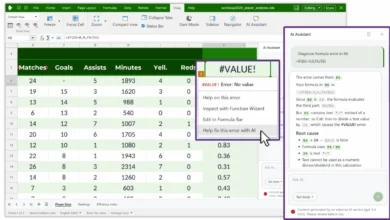
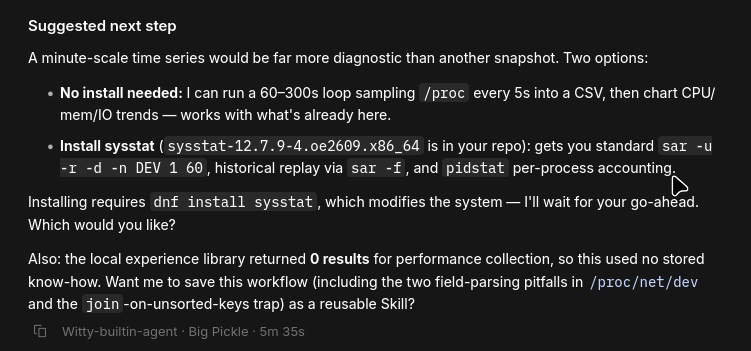
The Intelligent Diagnosis Agent integrated within Witty utilizes natural language processing to assist administrators in troubleshooting complex system issues. By interacting with a "Known Issue Analysis Agent," the system can correlate system logs, error reports, and performance metrics to identify the root cause of failures. This transition from manual log analysis—typically performed via tools like top, perf, or custom scripts—to AI-assisted diagnostic workflows represents a substantial increase in operational efficiency for system administrators. Furthermore, the inclusion of an Agent Sandbox provides a secure, isolated environment for AI agents to execute code or perform system modifications, addressing critical security concerns regarding the autonomous behavior of large language models (LLMs) in a production environment.
Kernel Advancements and Performance Tuning
The underlying kernel architecture of SP4 remains based on Linux 6.6, yet the openEuler team has aggressively backported features from newer upstream kernels to maintain parity with modern hardware and performance standards. A critical addition is the integration of sched_ext, an eBPF-based scheduler framework originally introduced in the Linux 6.12 development cycle. This framework allows developers to implement and load custom CPU scheduling policies at runtime without the need for kernel recompilation, providing an unprecedented level of control over task prioritization and system responsiveness.
For high-performance computing (HPC) and AI model training, the introduction of a programmable page cache is a milestone. By allowing applications to dictate their own caching policies, the system can significantly reduce disk I/O bottlenecks that often plague large-scale AI model loading. Coupled with improvements to FUSE (Filesystem in Userspace) communication via io_uring, which accelerates data transfer rates for network-mounted filesystems like sshfs, these kernel-level optimizations reflect the specific performance demands of modern AI-heavy workloads.
DevStation and the Heolleo Installer
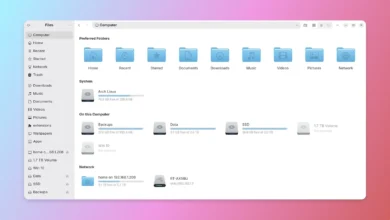
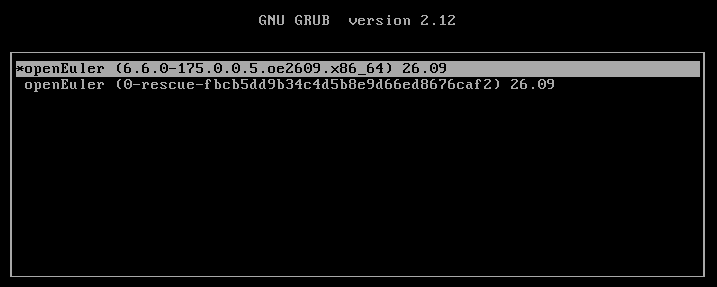
The 26.09 innovation release introduces a specialized developer edition known as DevStation. This edition features the "heolleo" installer, a modern deployment tool that utilizes a SquashFS-based image to facilitate offline, consistent installations. By removing the dependency on external network repositories during the installation phase, the project has improved the reliability of deployments in restricted or air-gapped environments.
Central to the DevStation experience is epkg, a user-space package manager designed to solve dependency conflicts common in complex development environments. By allowing software to be installed within the user’s home directory, epkg offers a workflow reminiscent of Conda or Nix, enabling developers to maintain isolated environments for different projects without interfering with system-wide libraries.

AI Infrastructure: PolyMind and Agent Safety
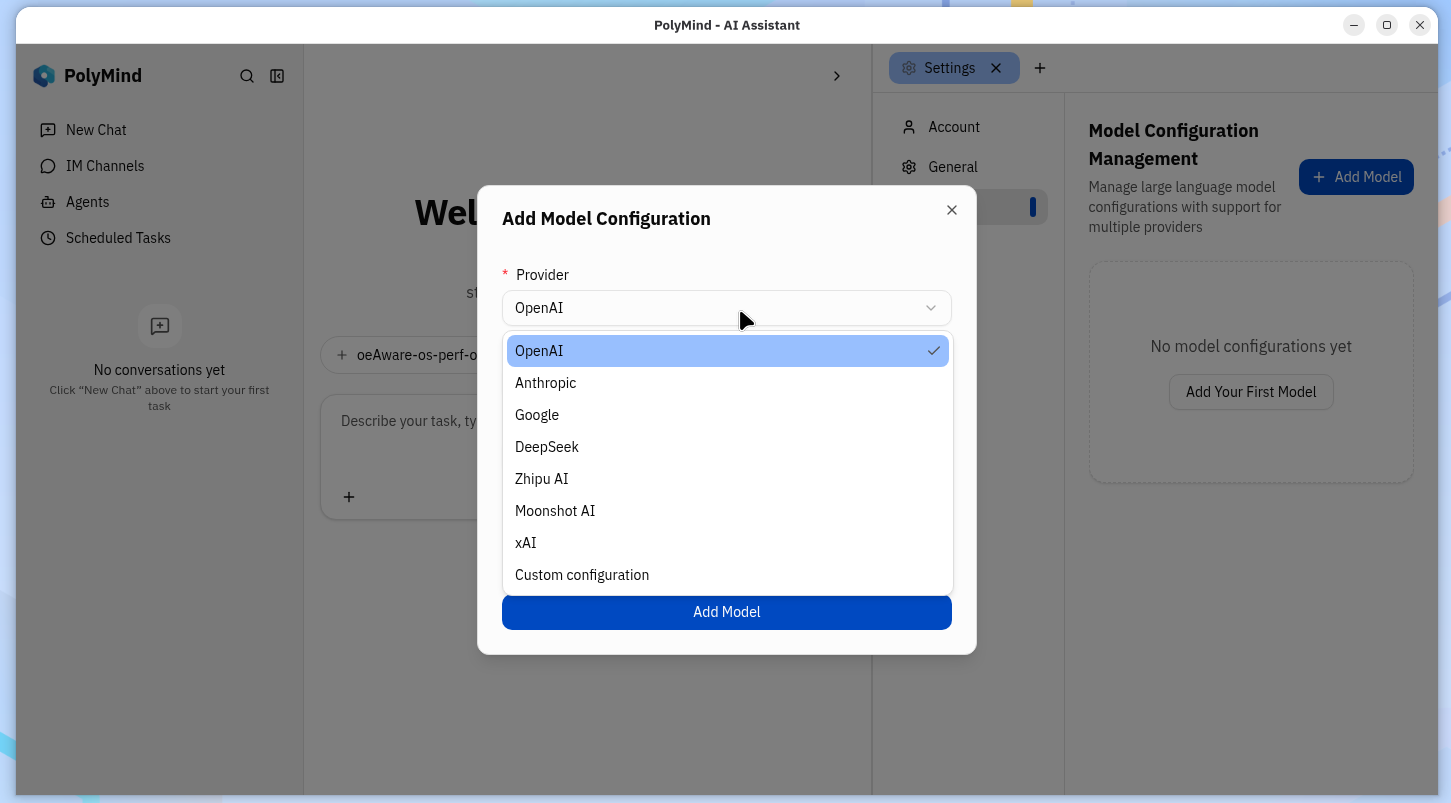
The 26.09 release also debuts PolyMind, a self-hosted platform for AI agent workflows. PolyMind provides a unified interface for model selection, agent orchestration, and interaction with Model Context Protocol (MCP) services. This move toward self-hosted AI is a deliberate response to the industry’s growing focus on data sovereignty and privacy.
To address the inherent risks of deploying AI agents with broad system access, the openEuler team has introduced two critical security components: SkillHub and AgentCensor. SkillHub acts as a curated repository for AI agent "skills," where each contribution undergoes an automated security assessment. While the project transparently notes that these checks do not guarantee absolute safety, it establishes a framework for risk assessment that is currently lacking in many decentralized AI agent ecosystems. AgentCensor serves as an active gatekeeper, logging all tool calls and system modifications made by agents and requiring user authorization before sensitive actions are executed.

Broader Implications for the Linux Ecosystem
The trajectory of the openEuler project reflects a broader trend in the Linux landscape: the transition from "general-purpose" operating systems to "AI-native" platforms. By embedding inference optimization, AI agent security, and intelligent system diagnostics into the core of the OS, openEuler is addressing the primary friction points of modern enterprise development.
The focus on SuperPoD infrastructure, NPU compute slicing, and confidential computing for Arm-based systems further underscores the distribution’s commitment to the evolving needs of data centers. As organizations increasingly rely on specialized hardware for AI inference and large-scale data processing, the ability of an operating system to optimize resource allocation dynamically—through tools like the programmable page cache and advanced scheduler frameworks—will become a key differentiator in the enterprise market.
Conclusion and Future Outlook
With the release of 24.03 LTS SP4 and 26.09, openEuler has solidified its role as a testing ground for the intersection of Linux kernel innovation and AI application. The decision to support both long-term stability and rapid, innovation-led development allows the project to serve a diverse user base, ranging from large-scale cloud providers to individual developers working on local AI models.
As the industry moves toward 2028, the year anticipated for the next major LTS release, the advancements made in these service packs and innovation versions will likely form the technical foundation for the next generation of openEuler. For users and organizations, the immediate availability of these tools provides a robust, security-conscious, and highly performant platform to explore the next frontier of software development. As openEuler continues to integrate natural language interfaces and automated system tuning, it remains a critical project to watch for those invested in the future of Linux-based AI infrastructure.
Related posts: