The widespread implementation of artificial intelligence across global enterprises has reached a critical inflection point, often characterized by organizational dysfunction that mirrors the failed digital transformation initiatives of the early 2010s. While executive leadership teams frequently frame AI adoption as a technological procurement challenge—prioritizing software licenses and infrastructure upgrades—industry analysts and organizational change experts argue that the current approach is fundamentally flawed. By ignoring the human-centric variables that crippled previous digital shifts, corporations risk not only wasted capital expenditure but a systemic breakdown in employee productivity and institutional security.
A Decade of Echoes: The Digital Transformation Precedent
To understand the current AI landscape, one must revisit the period between 2010 and 2015, a time when organizations rushed to modernize their digital footprints. During this era, firms invested heavily in Content Management Systems (CMS), Customer Relationship Management (CRM) platforms, and internal intranets. The primary failure of that period, as documented in seminal works such as Paul Boag’s Digital Adaptation, was the assumption that technology was a plug-and-play solution.
Between 2012 and 2014, industry data suggested that nearly 70% of digital transformation initiatives failed to reach their stated goals. The primary culprit was not the underlying code or software architecture, but the "cultural friction" caused by imposing complex systems on workflows without adequate training or buy-in. Organizations treated these rollouts as IT-led mandates rather than human-centered transitions. Today, the rapid deployment of generative AI platforms—such as Microsoft’s Copilot Studio or enterprise-grade Large Language Models (LLMs)—shows striking parallels to this historical pattern, with many companies once again bypassing essential change management protocols.
The Productivity Paradox and Employee Resistance
The central tension in modern AI adoption lies in the misalignment between executive goals and employee reality. For leadership, the objective is straightforward: maximize output and minimize labor costs. According to a 2023 report by the World Economic Forum, while AI has the potential to boost global labor productivity by significant margins, the immediate impact on the workforce is one of anxiety.
Unlike previous technological shifts, which were largely viewed as tools to augment work, current AI deployments are frequently interpreted by staff as precursors to workforce reduction. This fear creates a "productivity paradox." When employees believe their increased output will lead to job displacement rather than career advancement, the incentive to master new tools evaporates. Data from recent workplace surveys indicates that only a minority of employees feel "supported" by their companies during the AI transition. Without clear communication regarding how AI will alleviate mundane tasks rather than replace human roles, the adoption rate remains artificially low, masked by superficial compliance with corporate mandates.
Chronology of Corporate AI Implementation
- 2022–2023: The Hype Phase. The release of high-profile generative AI models triggers a "Fear Of Missing Out" (FOMO) response among C-suite executives. Corporations scramble to secure enterprise licenses, often without clear use-case definitions.
- Early 2024: The Infrastructure Push. IT departments begin enterprise-wide rollouts. Training is relegated to generic, one-size-fits-all webinars that fail to address departmental nuances.
- Mid 2024: The Rise of Shadow AI. Employees, finding official enterprise tools either too restrictive or poorly integrated into their workflows, begin using unauthorized personal accounts (Shadow AI) to complete daily tasks, creating significant data security vulnerabilities.
- Current Status: The Stagnation Gap. Organizations face a "hard wall" where productivity gains fail to materialize, leading to increased regulation and, ironically, even lower adoption rates.
The Safety-to-Fail Framework and Governance
A primary obstacle to successful integration is the rigid nature of corporate governance. In high-stakes industries—such as finance, healthcare, and legal services—the fear of a public relations or regulatory failure involving AI leads to overly restrictive policies. These policies often manifest as exhaustive manuals detailing what staff cannot do, rather than actionable frameworks for what they can.
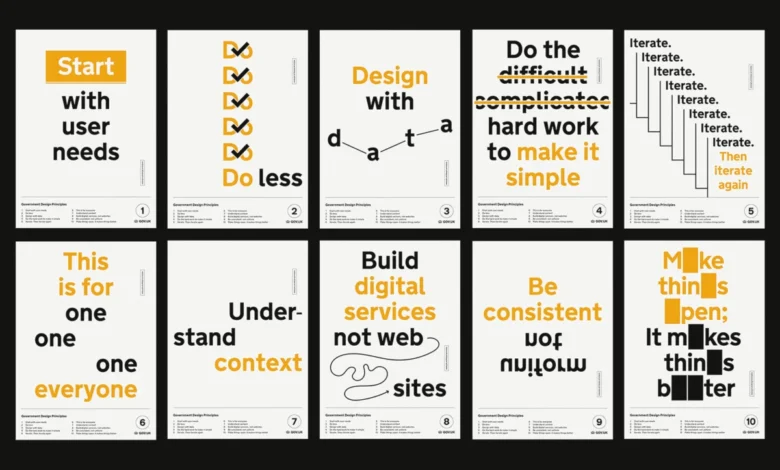
History demonstrates that stifling innovation through over-regulation triggers a "Shadow IT" or "Shadow AI" response. When an employee is blocked from using a tool that could save them hours of work, they will inevitably circumvent corporate protocols. This not only creates data silos but also puts sensitive intellectual property at risk. The solution, according to experts, is the adoption of "Design Principles" similar to the UK government’s approach: simple, clear, and trust-based guidelines that prioritize common sense over exhaustive, reactive rule-making.
Redefining Training: The Role of Peer-to-Peer Learning
Formal training programs—often consisting of off-the-shelf courses—frequently fail because they lack contextual relevance. A UX designer requires a different AI application strategy than a financial analyst. The most effective adoption strategies identified in recent organizational studies involve "internal champions."
By identifying early adopters—employees who are already experimenting with AI in their personal capacity—and providing them with the platform to share their successes, organizations can leverage social proof. When staff see a peer in a similar role successfully automating a tedious task, the perceived barrier to entry drops significantly. This creates a bottom-up adoption model that is far more sustainable than a top-down mandate.

The Economic and Cultural Implications
The cost of failing to manage this transition is substantial. Beyond the sunk costs of software licensing, there is the hidden cost of "organizational atrophy"—the decline in employee engagement and the loss of institutional knowledge as workflows become fragmented.
From an economic perspective, the shift to AI requires a reallocation of resources toward human capital. Organizations that treat AI adoption as a procurement line item will likely see a lower return on investment (ROI) than those that treat it as a multi-year organizational redesign. This requires:
- Adjustment of KPIs: Modifying performance metrics to allow for a "learning period" where efficiency may temporarily dip.
- Incentivized Adoption: Linking the mastery of AI tools to career development, compensation structures, or tangible reductions in workload, rather than simply expecting more output for the same hours.
- Safe Experimentation Zones: Establishing sandbox environments where staff can test AI capabilities without the fear of disciplinary action for minor errors.
Conclusion: Moving Beyond the Technological Mirage
The lessons of the digital transformation era remain as relevant today as they were in 2014. Technology is never the solution in isolation; it is merely the catalyst for an underlying cultural evolution. The current AI crisis is not a crisis of capability, but a crisis of implementation. Organizations that successfully navigate this period will be those that view AI not as a way to replace human labor, but as a mechanism to empower the workforce. By fostering a culture of safety, supporting peer-to-peer knowledge transfer, and replacing restrictive governance with principle-based trust, firms can avoid the pitfalls of the past and secure a competitive advantage in an increasingly automated landscape. The technology is already here; the task ahead is to ensure that the people tasked with using it are willing and able to do so.
Related posts: