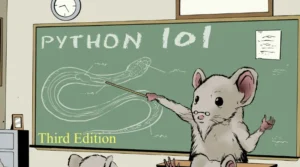
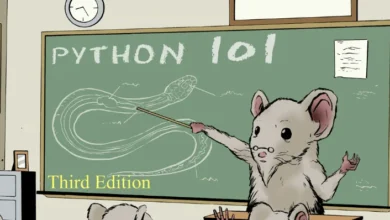
Python 101 Third Edition Kickstarter Campaign Launches to Update Classic Programming Guide for Beginners

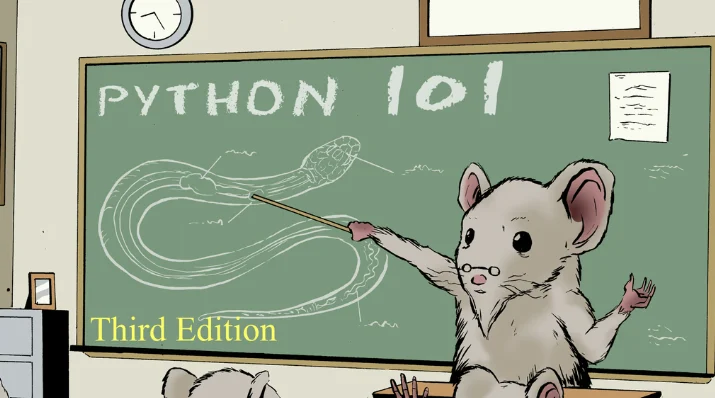
The landscape of software development is in a state of perpetual transformation, with programming languages continuously adapting to meet the demands of modern computing, data science, automation, and artificial intelligence. Among the most prominent languages driving this technological shift is Python, which has consistently ranked at the top of industry indices like the TIOBE index and the PYPL PopularitY of Programming Language index for its readability, versatility, and vast ecosystem. As Python continues to evolve through new releases and updated paradigms, educational resources must keep pace to prevent learners from adopting deprecated practices or missing out on crucial efficiency features. Responding to this industry demand, veteran technical author and software developer Michael Driscoll has officially launched a crowdfunding campaign to produce the third edition of his widely recognized beginner-oriented programming manual, Python 101.
The crowdfunding initiative, hosted on Kickstarter, aims to secure the financial backing necessary to fund the comprehensive writing, professional editing, technical review, formatting, and publication phases of the updated volume. For over a decade, the Python 101 series has served as a foundational stepping stone for aspiring developers, students transitioning into technical fields, and professionals seeking to integrate scripting and automation into their daily workflows. By leveraging community-backed publishing, Driscoll aims to deliver an updated curriculum tailored to the contemporary state of the Python ecosystem, ensuring that absolute beginners have access to accurate, modern, and practical educational material.
Background Context of the Event and the Evolution of Python Education
To understand the significance of a third edition for Python 101, it is necessary to examine the trajectory of the Python programming language itself over recent years. Created by Guido van Rossum and first released in 1991, Python underwent a massive generational shift with the transition from Python 2 to Python 3, a multi-year migration that concluded with the official end-of-life for Python 2 in January 2020. Since that milestone, Python 3 has continued to iterate rapidly, introducing major performance enhancements, structural typing, pattern matching, improved error messages, and advanced asynchronous programming capabilities through successive minor releases such as Python 3.10, 3.11, 3.12, and 3.13.
These language advancements have fundamentally altered how developers write and structure Python code. Features that were once considered advanced or experimental have now become standard best practices. Consequently, introductory programming books published five or ten years ago risk teaching outdated syntactical constructs or inefficient design patterns. Michael Driscoll, an established author in the Python community known for previous works such as Python 101, Python 2.0, and various guides on graphical user interface development with wxPython and Tkinter, recognized that a superficial revision of his earlier work would be insufficient. The third edition of Python 101 is conceived as a ground-up modernization designed to reflect current language standards and pedagogical insights gathered from years of interacting with students and novice developers.
Chronology of the Python 101 Project
The journey of Python 101 mirrors the broader democratization of technical education over the past fifteen years. The original iteration of the book was born out of Driscoll’s extensive experience answering programming questions on forums, writing on his popular educational blog, Python Library, and interacting with readers who found academic textbooks too dense or intimidating.
The first edition established a formula centered on clarity, brevity, and hands-on code examples. It walked readers through fundamental programming concepts—such as variables, data types, conditional logic, loops, functions, and error handling—without assuming any prior exposure to computer science. As Python’s dominance in fields like data science, web development, and system administration surged throughout the mid-2010s, a second edition was introduced to incorporate subsequent language updates and expand upon object-oriented programming concepts.
The announcement of the third edition marks the next phase in this timeline. The Kickstarter campaign serves as the critical launchpad for production. Following the conclusion of the funding period, the project timeline moves into active manuscript finalization, code testing, technical peer review, and copyediting. Backers and prospective readers can expect regular progress updates through the Kickstarter platform, ensuring transparency throughout the publishing lifecycle. Fulfillment of digital and physical rewards is scheduled to take place upon the completion of production, positioning the book for a widespread release into the technical education market.
Supporting Data and Market Demand for Python Learning Resources
The launch of the Python 101 third edition campaign aligns with unprecedented global demand for Python proficiency. According to industry analyses by developer platforms such as GitHub and Stack Overflow, Python consistently commands one of the largest active user bases among software engineers, data analysts, researchers, and hobbyists. The Stack Overflow Developer Survey regularly highlights Python as one of the most desired programming languages for individuals looking to learn to code.
Furthermore, labor market statistics from organizations like the U.S. Bureau of Labor Statistics indicate that employment opportunities in software development, data analysis, and computer science-related fields are projected to grow much faster than the average for all occupations over the decade. This macroeconomic trend drives millions of career switchers and university students toward self-directed learning platforms and introductory texts.
However, market research into technical education reveals a persistent challenge: attrition rates among beginner programmers remain high when learning materials are overly academic, poorly structured, or mismatched with modern language standards. Beginners frequently encounter syntax errors or deprecated methods when consulting outdated forums or legacy tutorials. A meticulously updated, beginner-centric resource like Python 101 addresses this friction point by providing a reliable, linear path from foundational syntax to practical application.
Analysis of the Kickstarter Funding Model in Technical Publishing
The decision to utilize Kickstarter for the production of Python 101 highlights a broader shift in how independent technical authors bring specialized educational content to market. Traditional publishing houses often impose rigid formatting constraints, protracted production timelines, and restrictive royalty structures that may not align with the agile needs of fast-evolving programming languages. Conversely, self-publishing via crowdfunding platforms establishes a direct financial and communicative bridge between the author and the consumer base.
By funding the project through Kickstarter, Driscoll can offset the primary overhead costs associated with professional publishing. These financial allocations typically include:
- Professional copyediting and technical proofreading to ensure code accuracy and grammatical precision.
- Interior layout design, typesetting, and cover illustration to maximize readability and visual engagement.
- ISBN registration, digital distribution setup, and physical printing preparation for paperback and hardcover editions.
- Dedicated time allocation for the author to focus entirely on writing, code verification, and curriculum refinement without external commercial distractions.
This direct-to-reader funding model also serves as an organic market validation tool. Pledges provide immediate data on reader interest and demand, allowing the author to gauge scale and tailor reward tiers effectively. Backer rewards generally span multiple tiers, ranging from digital PDF and ePub editions of the book to physical paperback copies, personalized acknowledgments, bundled access to complementary learning materials, and advanced developer consultations.
Pedagogical Philosophy: Designing for the Absolute Beginner
At the core of the Python 101 third edition project is a pedagogical philosophy centered on accessibility, incremental progression, and practicality. Teaching programming to individuals with zero technical background requires a careful balance between theoretical concepts and actionable code execution. Overloading a novice with advanced computer science theory early in the learning process often leads to cognitive fatigue and discouragement.
The structural design of Python 101 avoids this pitfall by adopting a step-by-step methodology. The curriculum is crafted to answer fundamental questions sequentially: How do you install Python and set up a development environment? What is a variable, and how do computers store information? How can logic be used to make decisions within code? By answering these questions through clean, well-commented code snippets and relatable examples, the book bridges the gap between abstract logic and tangible software creation.
The third edition places particular emphasis on modern Python idioms—often referred to in the community as writing "Pythonic" code. This involves teaching learners not only how to make a program function correctly, but also how to write clean, maintainable, and readable code that adheres to the official Python style guide, PEP 8. By embedding these habits from the very first chapter, the book helps prevent bad coding practices that can be difficult to unlearn later in a developer’s career.
Broader Impact and Implications for the Programming Community
The release of an updated foundational programming text carries implications that extend beyond individual student success. As technology becomes increasingly integrated into every sector of the global economy—from finance and healthcare to agriculture and creative arts—literacy in coding is transitioning from a specialized vocational skill to a core form of modern literacy.
When introductory resources like Python 101 are successfully funded and distributed, they lower the barrier to entry for diverse demographics who might otherwise be excluded from tech careers due to the high cost of formal bootcamps or university degrees. Self-taught programmers frequently rely on affordable books and open-source documentation to build the portfolios required to enter the job market or automate tedious administrative tasks within their current professions.
Furthermore, the collaborative nature of community-backed publishing reinforces the open-source ethos that underpins the Python language itself. Python’s phenomenal growth has always been propelled by its community—volunteers who write libraries, maintain documentation, answer questions on Stack Overflow, and author educational guides. Through this Kickstarter campaign, readers participate directly in the sustenance of this educational ecosystem, ensuring that future generations of developers receive accurate, high-quality guidance from day one.
Conclusion and Outlook for Python 101 Third Edition
As the Kickstarter campaign for Python 101 progresses, attention turns toward the execution of the writing and production phases. With a proven track record in technical authorship, Michael Driscoll enters this project backed by years of community trust and empirical experience in what works best for novice programmers.
For students, educators, professionals seeking a language upgrade, and hobbyists eager to explore software development, the forthcoming third edition promises to deliver a modernized, comprehensive, and approachable entry point into the world of Python. By combining rigorous technical standards with a supportive crowd-funded publishing model, the project exemplifies the enduring viability of independent technical literature in the digital age. Prospective backers and interested learners can review campaign tiers, monitor ongoing development milestones, and secure their copies directly through the official Kickstarter project page.