AWS Elastic Beanstalk Enters a New Era With Fully Managed EKS-Powered Cluster Mode for Modern Application Portfolios

Fifteen years after its initial market introduction in 2011, Amazon Web Services (AWS) has announced a fundamental architectural evolution of its foundational application management service, AWS Elastic Beanstalk. The newly unveiled Cluster Mode transforms the platform from a single-stack deployment tool into a fully managed, Kubernetes-backed orchestration layer designed to handle complex portfolios of modern microservices. This major release represents a critical milestone in the product’s lifecycle, addressing the operational complexities faced by enterprises managing dozens or hundreds of distributed applications simultaneously. By harnessing Amazon Elastic Kubernetes Service (Amazon EKS) beneath a unified operational baseline, AWS aims to significantly lower per-application infrastructure overhead while preserving the core developer-centric promise that made Elastic Beanstalk a household name among software engineers globally.
The Genesis and Evolution of AWS Elastic Beanstalk
When AWS originally launched Elastic Beanstalk in 2011, cloud computing paradigms were vastly different. Developers sought a frictionless method to deploy and scale full-stack applications written in languages such as Java, .NET, Python, Node.js, PHP, Ruby, and Go without needing to manually provision or configure underlying virtual servers, load balancers, and security groups. Elastic Beanstalk provided this abstraction layer, taking full operational responsibility for provisioning and managing underlying infrastructure while allowing teams to concentrate exclusively on writing business logic.
Over the subsequent decade and a half, enterprise adoption scaled exponentially. However, as microservices architectures and containerization superseded monolithic codebases, development teams increasingly demanded tighter integration with cloud-native primitives like Kubernetes. In response, AWS embarked on an extensive, multi-year modernization initiative to rebuild Elastic Beanstalk’s underlying operational engine. This journey included rolling out advanced capabilities such as AI-powered environment analysis for automated health diagnostics and fix recommendations, native GitHub Action support for streamlined CI/CD integrations, OpenTelemetry-based observability, traffic-splitting deployments with automatic rollbacks, event-driven autoscaling, and secure secrets management via AWS Secrets Manager alongside default HTTPS provisioning through AWS Certificate Manager.
The launch of Cluster Mode is the culmination of this systematic engineering overhaul. It bridges the gap between traditional platform-as-a-service (PaaS) simplicity and the robust scalability and resource-sharing efficiencies of container orchestration.
Architectural Design and Mechanics of Cluster Mode
At its core, Cluster Mode is engineered specifically for organizations operating diverse portfolios of applications rather than isolated workloads. In traditional deployment models, each application typically runs on dedicated compute resources, which can lead to resource fragmentation and increased cost as a portfolio expands. Cluster Mode upends this paradigm by allowing multiple applications to safely share a common underlying infrastructure powered by Amazon EKS, all governed by a single, standardized operational baseline.

Whether an organization runs ten distinct microservices or a hundred disparate workloads, all of them can now be managed through a unified user experience. This architecture ensures that identical operational guarantees—including automated patching, continuous monitoring, zero-downtime upgrades, and security updates—are applied uniformly across every software stack.
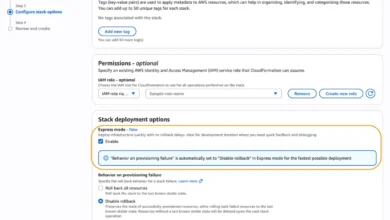
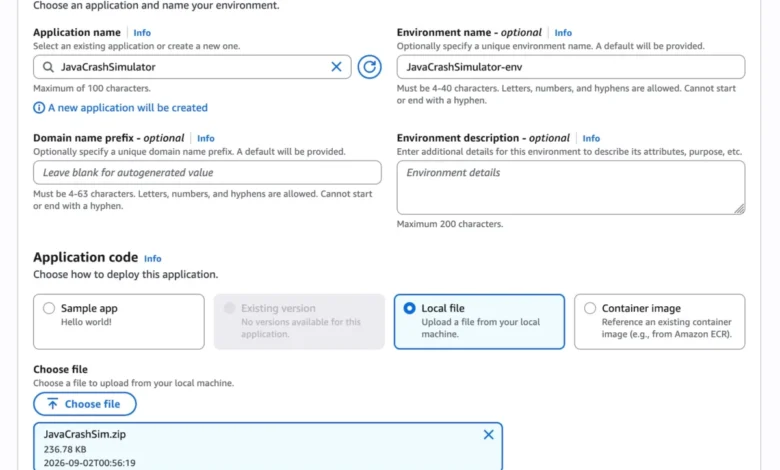
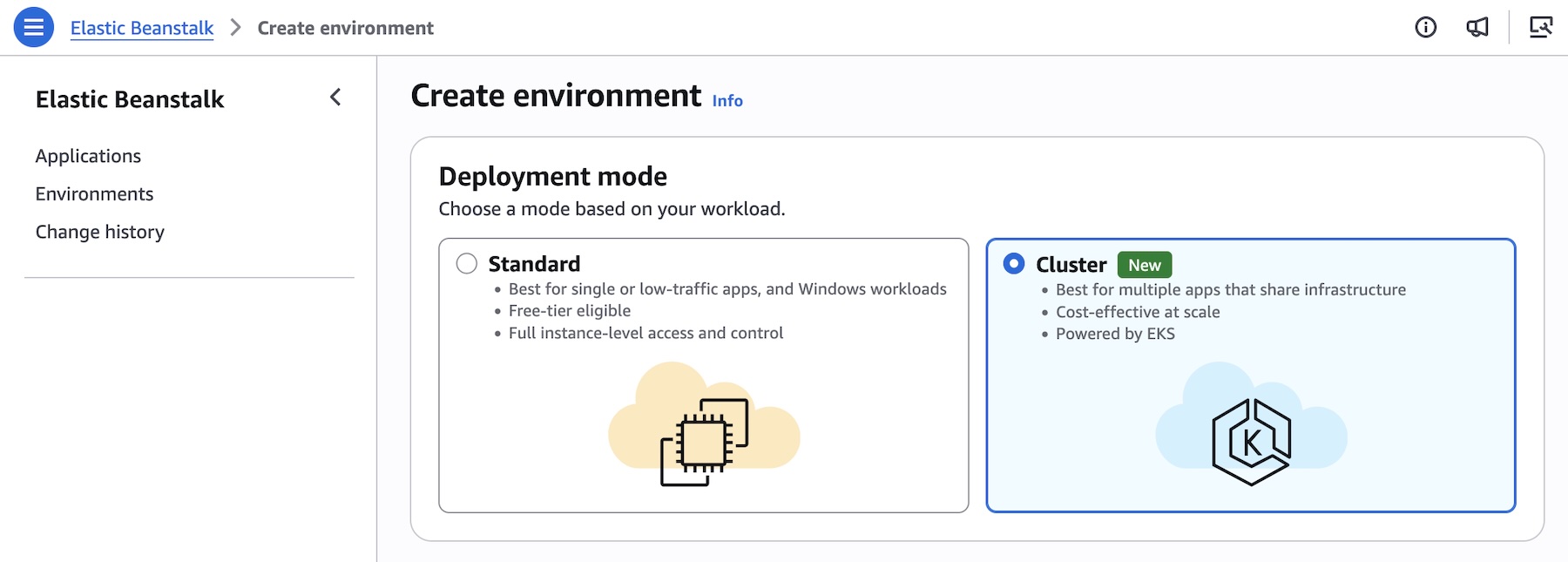
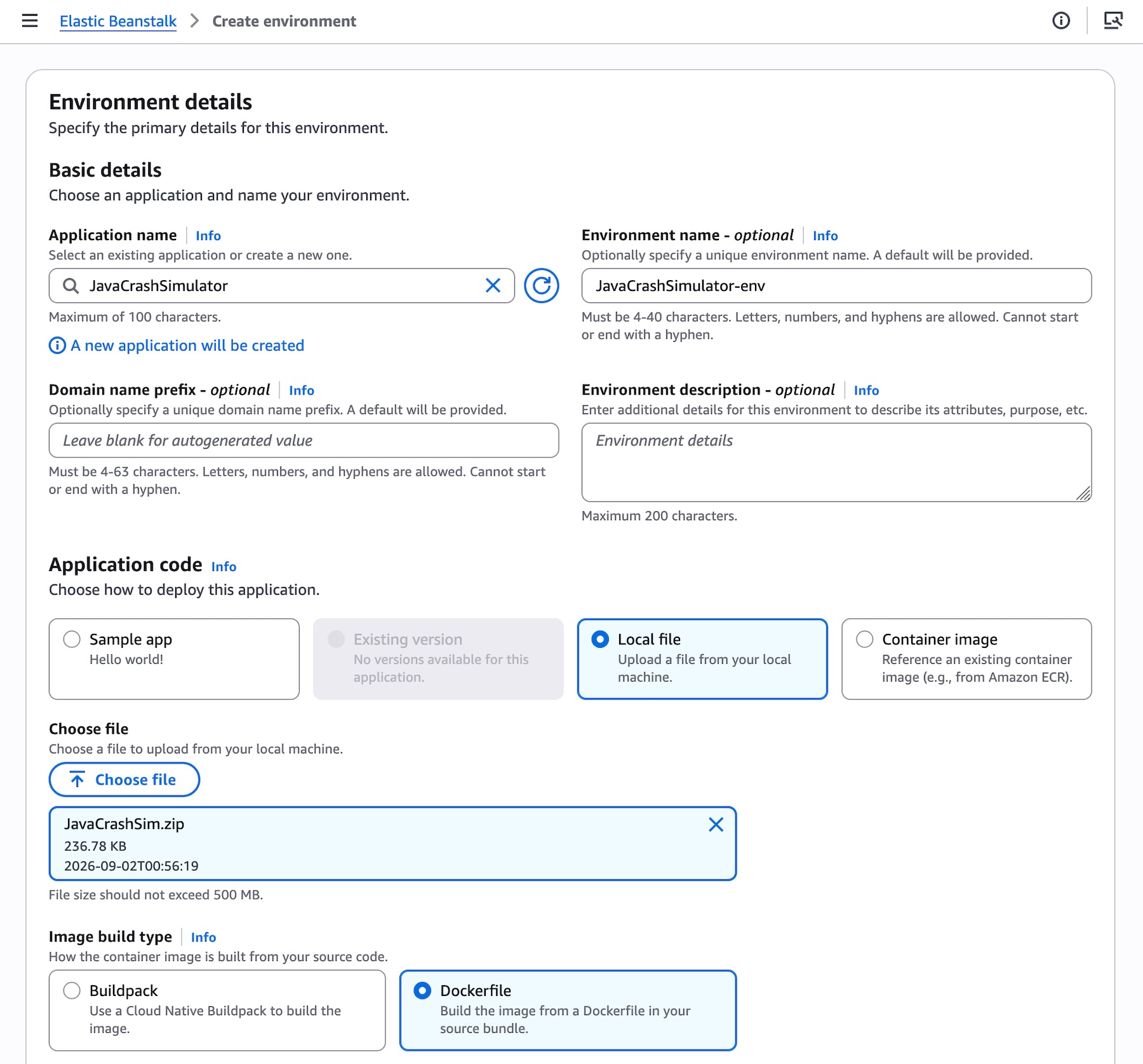
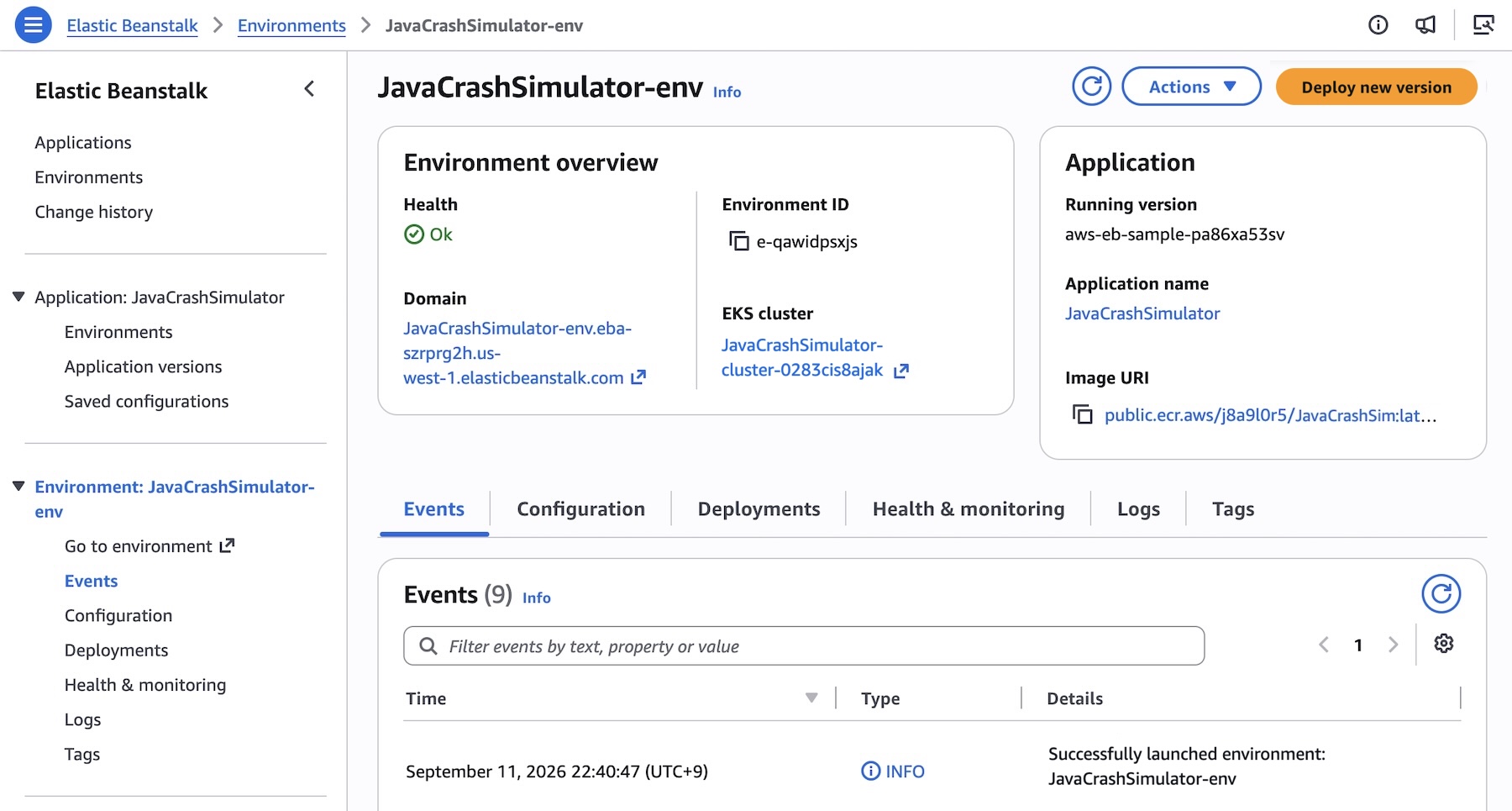
The implementation process within the Elastic Beanstalk console has been streamlined to accommodate this new paradigm. Engineers initiate the process by navigating to the Elastic Beanstalk console, creating a new environment, and designating "Cluster" as the deployment type. The platform accepts multiple application artifact formats, including raw source code, Dockerfiles, or pre-built container images. For containerized workflows, teams can specify local files or point directly to images stored in repositories such as Amazon Elastic Container Registry (Amazon ECR).
Upon initiating the creation process for the first time within a given set of subnets, Elastic Beanstalk automatically orchestrates the provisioning of the underlying EKS cluster—a process that typically concludes in approximately ten minutes. Subsequent application deployments occur significantly faster, as they seamlessly leverage the pre-existing EKS control plane and node infrastructure.
For automation-driven enterprises, Cluster Mode offers comprehensive integration with the AWS Command Line Interface (AWS CLI), the specialized EB CLI, and standard AWS SDKs. Developers can programmatically define applications, register application versions with specific container image URIs in Amazon ECR, and configure fine-grained settings using declarative JSON configuration options. For example, microservices architectures often require disparate configuration rules; a frontend service might necessitate an internet-facing Application Load Balancer (ALB) and dedicated HTTP health check paths, whereas internal database or cart services operate entirely behind the scenes within private cluster boundaries. Cluster Mode allows developers to define these parameters via structured namespace options, mapping CPU shares, memory limits, and replica bounds with precision.
Coexistence of Standard Mode and Strategic Migration Pathways
A critical design consideration for AWS in rolling out Cluster Mode was ensuring business continuity for its massive existing customer base. The original Elastic Beanstalk Standard Mode, powered by Amazon Elastic Compute Cloud (EC2), remains fully supported, actively maintained, and fully integrated into the ecosystem.
Crucially, Standard Mode and the new Cluster Mode environments are designed to run side-by-side within the exact same Elastic Beanstalk application structure. This architectural choice provides engineering teams with the flexibility to migrate individual environments to the new EKS-backed infrastructure at their own pace, rather than being subjected to mandatory, disruptive platform upgrades. Before any migration or modification takes place, automated validation checks run in the background to confirm stack compatibility, ensuring zero unexpected downtime or configuration drift during transitions.
AWS explicitly notes that Standard Mode remains an optimal fit for specific legacy or specialized workloads that rely heavily on persistent EC2 configurations, custom operating system-level modifications, or architectures that do not map neatly onto containerized microservices principles. By supporting both paradigms concurrently, AWS enables a gradual, risk-mitigated modernization trajectory for enterprise IT departments.
Industry Context and Implications for Platform Engineering
The introduction of Elastic Beanstalk Cluster Mode arrives at a time when platform engineering teams across the global technology sector are grappling with mounting cognitive load. While Kubernetes has justifiably established itself as the de facto standard for container orchestration, its steep learning curve and intricate configuration requirements—ranging from Ingress controllers and network policies to complex RBAC configurations—frequently overwhelm development teams whose primary focus should be product delivery rather than infrastructure management.
By abstracting the complexities of Amazon EKS behind the familiar, declarative workflows of Elastic Beanstalk, AWS has effectively delivered a "managed platform engineering" solution. Industry analysts note that this move bridges a vital gap in the AWS product portfolio. It directly competes with internal developer platforms (IDPs) and specialized PaaS offerings by giving organizations the raw power and elasticity of Kubernetes without requiring every developer to become a certified Kubernetes administrator.
Furthermore, the integration of AI-powered diagnostic tools within the broader Elastic Beanstalk ecosystem signals a decisive shift toward autonomous cloud operations. When combined with Cluster Mode, these AI agents can analyze anomalies within shared EKS node groups, isolate misbehaving microservice pods, and suggest or execute remediation steps with minimal human intervention. This significantly reduces Mean Time to Resolution (MTTR) for mission-critical applications and aligns with broader industry trends toward self-healing cloud architectures.
Availability, Pricing Structure, and Getting Started
AWS has confirmed that Elastic Beanstalk Cluster Mode is generally available immediately across all commercial AWS Regions where Elastic Beanstalk is currently supported. Comprehensive regional availability matrices and future capability roadmaps are detailed within the official AWS Capabilities by Region directory. Additionally, developers seeking programmatic assistance, API references, or troubleshooting guides can leverage the AWS MCP Server and specialized plugins integrated with their preferred AI-assisted development tools.
Regarding financial implications, AWS has structured the pricing model for Cluster Mode to maximize cost transparency. There is no additional, separate service fee charged directly by Elastic Beanstalk for utilizing Cluster Mode. Instead, customers pay strictly for the underlying AWS resources consumed by their workloads. This encompasses the standard EKS control plane hourly fee, EKS Auto Mode compute resources, Amazon ECR storage and data transfer, and Amazon CloudWatch monitoring metrics. Prospective users should note that Elastic Beanstalk Cluster Mode environments are not eligible for the AWS Free Tier, given their reliance on robust underlying container orchestration infrastructure.
To begin utilizing the new service, engineering teams can access the AWS Elastic Beanstalk console to spin up their first cluster-backed environment. Feedback, feature requests, and community discussions are actively monitored via the official AWS re:Post channel for Elastic Beanstalk, alongside traditional enterprise AWS Support escalation paths.