Automating Technical Debt Remediation: The Shift Toward Continuous Modernization in Software Engineering


The rapid proliferation of generative AI in software development has fundamentally altered the velocity of code production. While organizations are shipping features at unprecedented rates, this surge in output has introduced a significant secondary challenge: the compounding of technical debt. As noted by researchers Anderson, Parker, and Tan in the MIT Sloan Management Review, layering AI-generated code over legacy systems creates complex, tangled dependencies that can cripple long-term maintainability. In modern brownfield environments—those characterized by outdated frameworks, deprecated libraries, and undocumented services—the pace at which technical debt accrues now frequently outstrips the capacity of manual remediation efforts. To address this, industry leaders are increasingly pivoting toward a practice known as "continuous modernization," where automated transformation is embedded directly into the CI/CD pipeline.
The Growing Burden of Technical Debt
Technical debt is no longer a peripheral concern; it is a critical operational risk. According to recent industry surveys by organizations like the Software Improvement Group (SIG), the average enterprise spends between 20% and 40% of its engineering capacity on remediating technical debt. When generative AI tools are introduced to a codebase, the risk of "shadow debt" increases. Because these models prioritize functional output over structural adherence, they may inadvertently suggest patterns that conflict with established architectural standards, leading to a fragmented, inconsistent codebase.
Historically, organizations relied on "modernization sprints"—periodic, labor-intensive projects intended to overhaul legacy systems. However, in an era of continuous deployment, these sprints are often obsolete before they are completed. By the time a team finishes a six-month migration to a new framework, the upstream dependencies have often changed again, rendering the work incomplete. This cyclical frustration has driven the adoption of automated, commit-based modernization tools, such as AWS Transform, which treat technical debt as an ongoing maintenance task rather than a milestone-based project.
The DIY Framework for Continuous Modernization
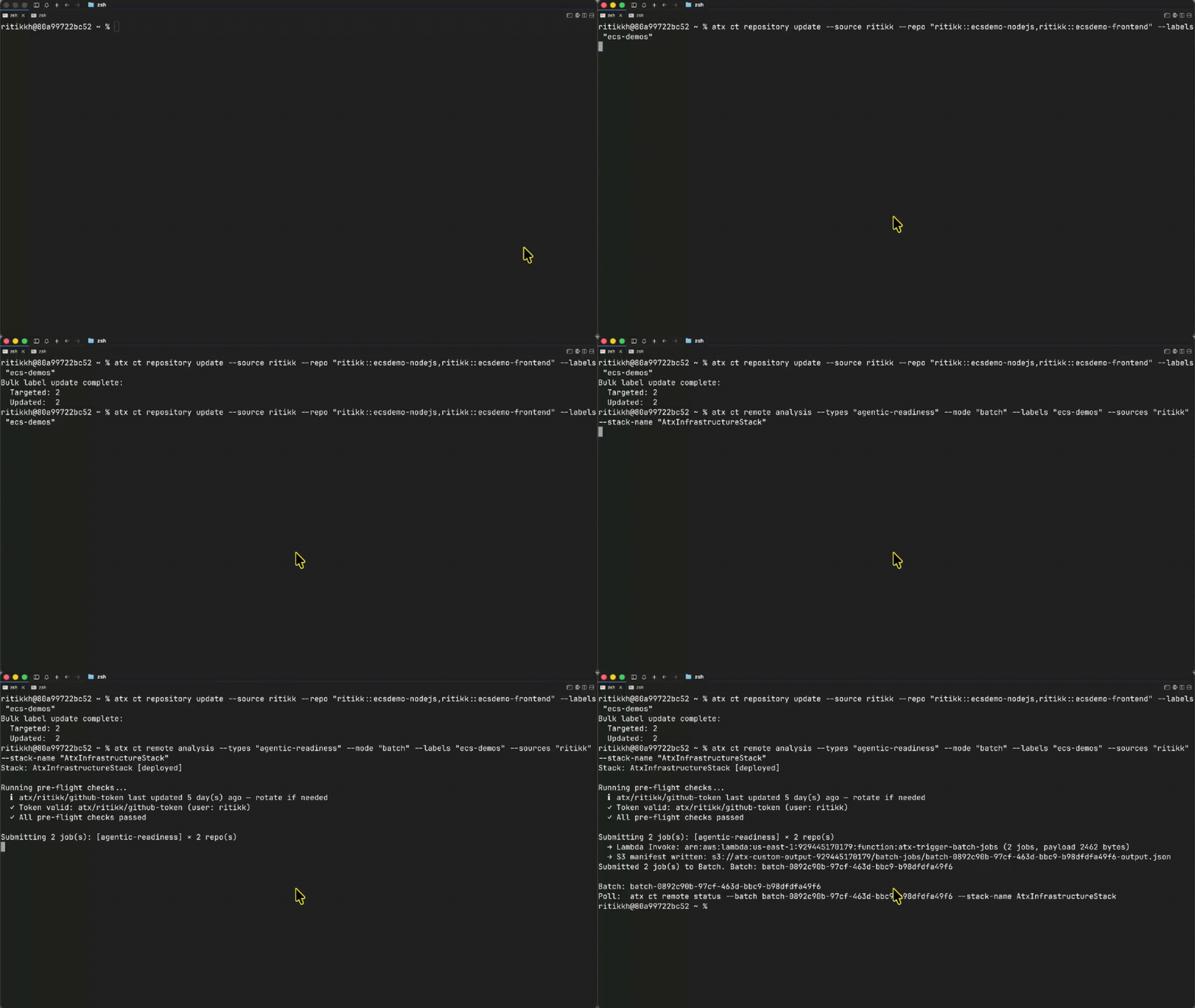
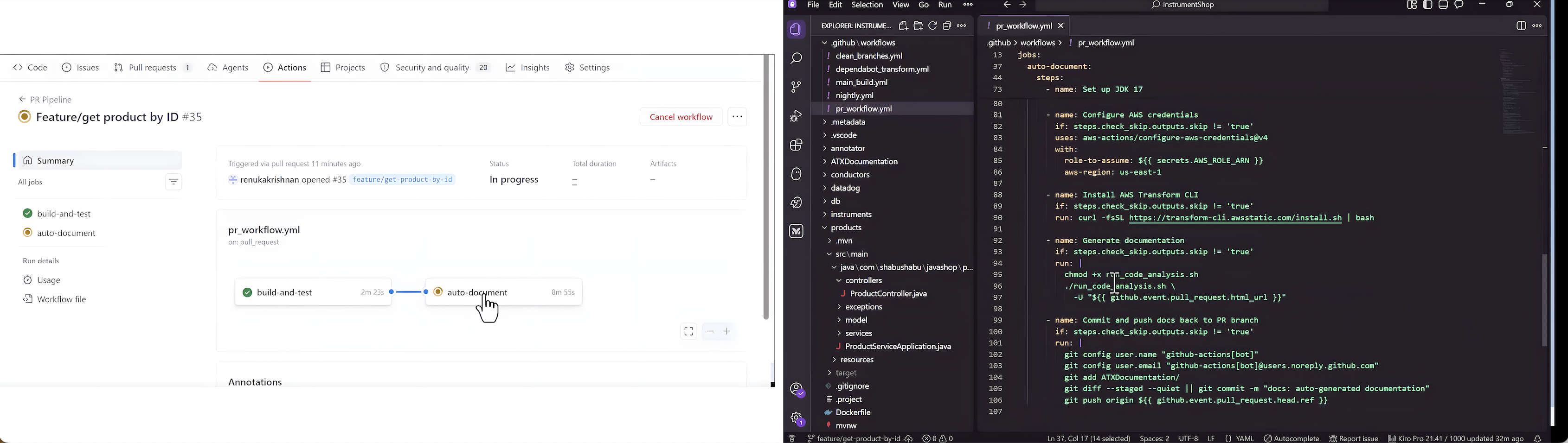
For organizations seeking granular control over their modernization workflows, the "Do-It-Yourself" (DIY) approach to CI/CD integration has become a preferred path. By leveraging CLI-based automation tools within existing pipelines like GitHub Actions, GitLab CI, or Jenkins, engineering teams can bridge the gap between automated vulnerability detection and actual code remediation.
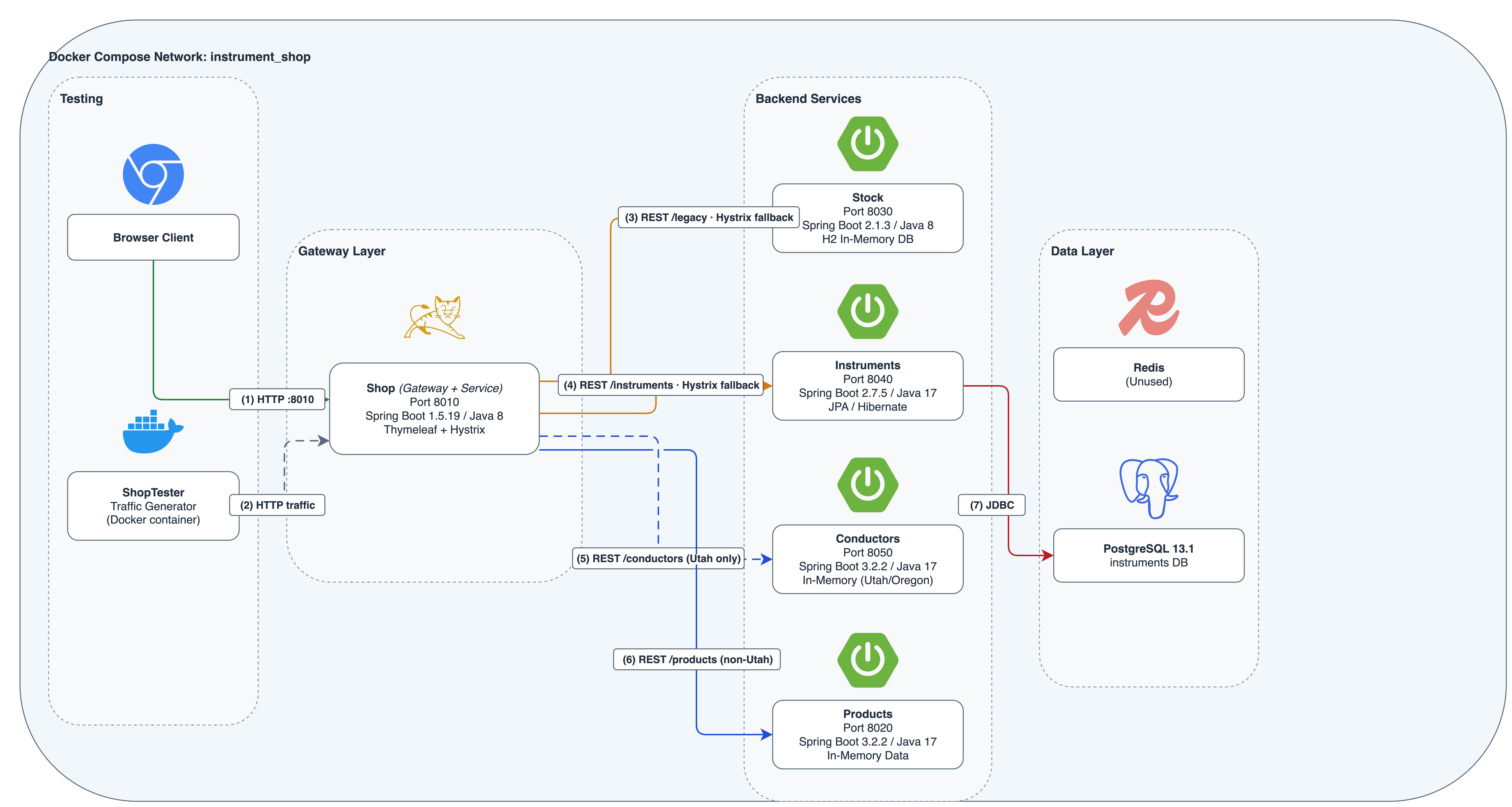
The process typically centers on four key pillars: dependency remediation, automated documentation, cross-repository scaling, and continuous agent learning. To illustrate this, consider the "instrumentShop" sample application—a standard Java-based microservices architecture utilizing Spring Boot 1.5.19, PostgreSQL, and the now-deprecated Hystrix library. This application serves as a microcosm of the challenges facing legacy enterprise systems. Without intervention, such a system remains a liability; with a continuous modernization pipeline, the system effectively "self-heals" as dependencies shift.
Chronology of the Modernization Workflow
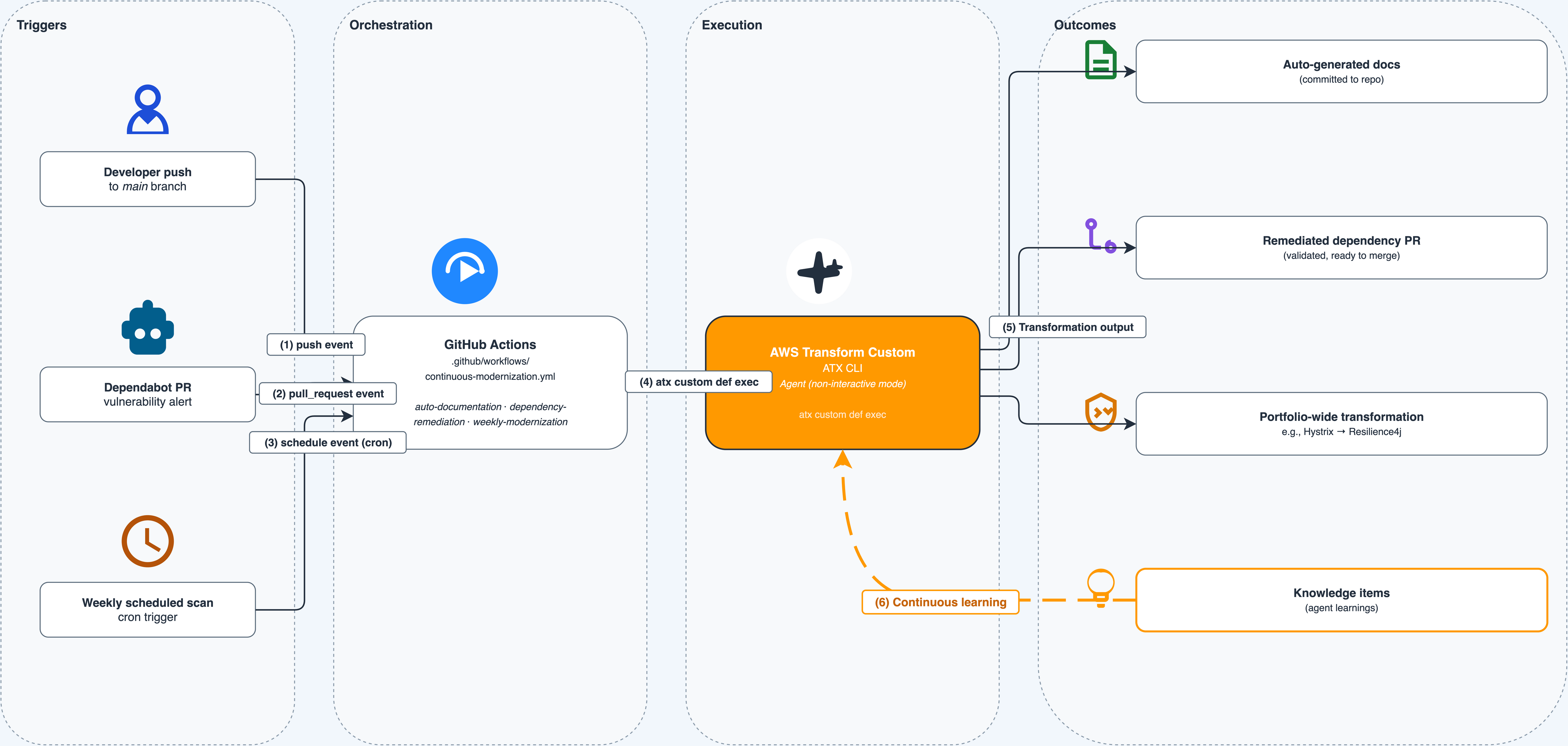
The implementation of a continuous modernization pipeline follows a rigorous, event-driven sequence:
- Detection (Trigger): The cycle begins with a trigger, such as a GitHub Dependabot alert identifying a security vulnerability in a third-party library.
- Analysis and Remediation: Rather than merely flagging the alert, the pipeline executes a transformation script via the AWS Transform CLI. This script does not just update version numbers; it performs a deep scan of the code, identifying breaking changes in APIs and applying necessary patches to the source code to ensure compatibility with the updated dependency.
- Validation: The CI/CD runner executes the build command—such as
mvn clean install—to verify that the transformation did not introduce regressions. - Knowledge Preservation: Post-transformation, the system generates updated architecture documentation and technical debt reports, which are automatically committed to the repository. This ensures that the "source of truth" remains accurate, mitigating the knowledge silos that often plague legacy systems.
Data-Driven Insights and Scaling Challenges
The primary challenge for large-scale enterprises is not the modernization of a single repository, but the orchestration of these efforts across hundreds or thousands of services. Scaling requires a shift from manual execution to matrix-based automation. By using the GitHub Actions matrix strategy, organizations can trigger identical modernization workflows across multiple repositories simultaneously.
Data from early adopters of this model suggests that automated remediation can reduce the mean time to repair (MTTR) for dependency vulnerabilities by up to 70%. Furthermore, the "continual learning" aspect of AI agents is transformative. As an agent processes a transformation, it extracts lessons—patterns of success and failure—that inform its future decisions. For example, if an agent successfully resolves a complex Spring Boot 3 migration in one service, those "lessons" are encoded into the transformation definition, allowing the agent to resolve similar edge cases in other microservices without additional human guidance.
Broader Implications for Engineering Culture
The shift toward continuous modernization has significant implications for engineering culture and accountability. Traditionally, developers have viewed documentation and dependency updates as administrative "chores" that detract from feature development. By automating these tasks, organizations can reallocate human intelligence toward high-value architectural decisions, leaving the "janitorial" work of code maintenance to autonomous agents.
However, this transition requires a robust security posture. Automating code changes necessitates a high degree of trust in the AI agent. The use of flags like --trust-all-tools in CI/CD environments is powerful but demands rigorous oversight. Organizations must ensure that these agents are subject to the same auditing and compliance checks as human developers. Furthermore, there is a clear distinction between "headless" automated modernization and "unsupervised" modernization. While the process is automated, it must remain transparent, with clear logs and "human-in-the-loop" checkpoints for critical infrastructure changes.
The Evolution of the Modern Developer Experience
Looking forward, the integration of CI/CD and AI-driven transformation is expected to become the industry standard. As software complexity continues to grow, the ability to maintain a codebase will become as important as the ability to create one. The "modernization pipeline" is essentially a feedback loop: code is written, vulnerabilities are detected, the system adapts, and the documentation evolves.
By treating the codebase as a living entity rather than a static asset, companies can prevent the accumulation of "legacy rot." The transition from periodic sprints to continuous, pipeline-driven maintenance represents a maturing of the software development lifecycle. It recognizes that in a fast-paced digital economy, the only way to move forward is to ensure that the foundation is being continuously repaired and reinforced. Whether through managed services or bespoke DIY implementations, the movement toward continuous modernization is an essential adaptation for any organization looking to survive the next decade of rapid technological change. As these tools become more sophisticated, the role of the developer will likely shift further toward that of an "architect-overseer," defining the rules and guardrails within which these autonomous systems operate, ensuring that velocity never again comes at the expense of stability.
Related posts: