Automating Continuous Improvement: How AWS DevOps Agent and LaunchDarkly are Revolutionizing Software Experimentation

Continuous improvement is the bedrock of modern software engineering, yet the path from hypothesis to validated production change is often fraught with friction, high operational costs, and manual bottlenecks. For years, development teams have understood that testing changes against real user behavior is the fastest route to better outcomes. However, the overhead of defining feature flags, coordinating complex deployments, and monitoring metrics manually has historically turned simple experiments into slow, expensive, and risk-prone endeavors. A new reference architecture, leveraging the AWS DevOps Agent, Kiro CLI, and LaunchDarkly, is now closing this gap by creating an autonomous, closed-loop experimentation lifecycle.
The Three Pillars of Experimentation Stagnation
The traditional development cycle is often paralyzed by three primary barriers. First, the planning cost is immense; teams must define intricate feature flag strategies, coordinate cross-functional implementation, and wire disparate systems together before a single user encounters a new feature. Second, measurement is frequently disconnected from action. Even when metrics are configured correctly, remediation in the event of a regression often relies on human intervention—such as merging a hotfix or manually rolling back a deployment—which introduces dangerous latency. Finally, stalled iteration is a chronic issue. Without a formal, persistent record of which specific changes led to which outcomes, subsequent hypotheses are often educated guesses rather than data-driven refinements, causing progress to plateau.
This new integration architecture directly addresses these barriers by allowing teams to state a high-level improvement goal—such as increasing an add-to-cart rate by 10%—and letting the system handle the heavy lifting. The system orchestrates the planning, implementation, deployment, measurement, and iterative feedback cycles, all while operating within strict safety boundaries.
Chronology of the Integrated Lifecycle
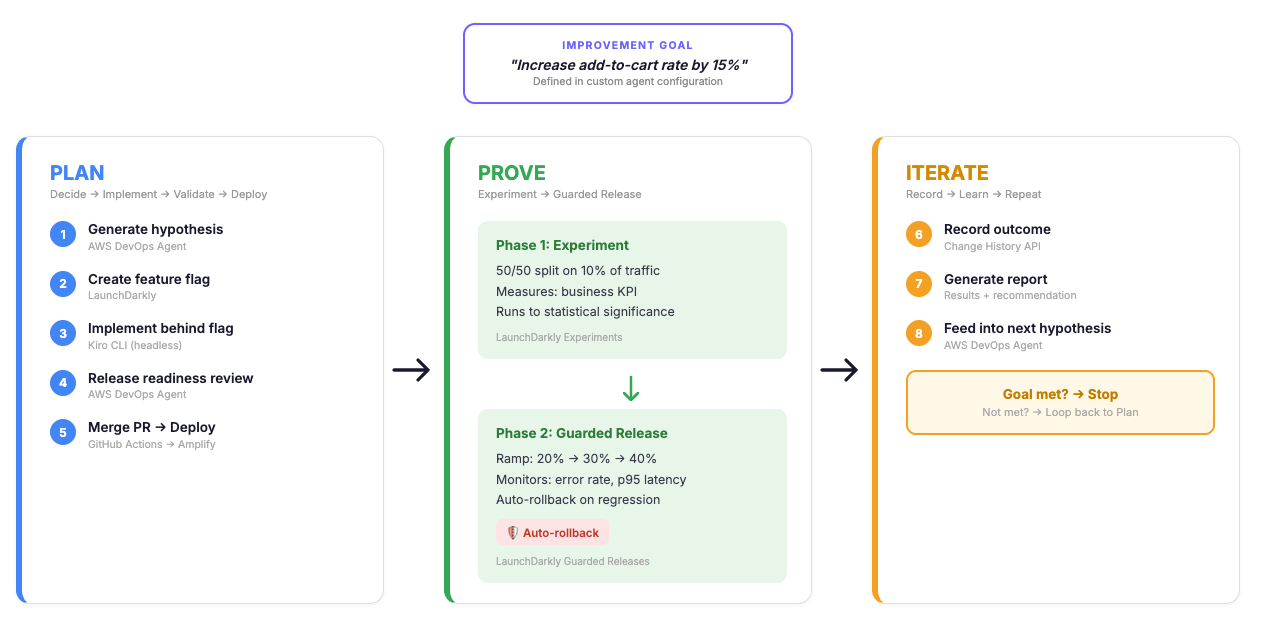
The automated experimentation lifecycle functions as a continuous, three-phase loop: Plan, Prove, and Iterate.
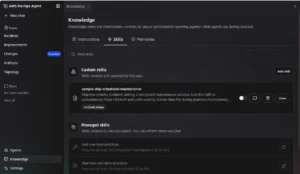
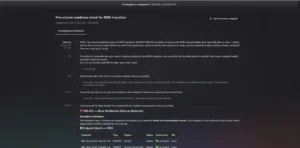
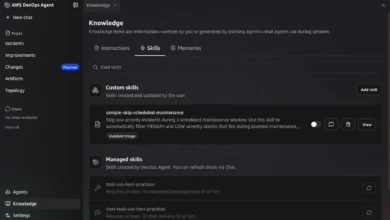
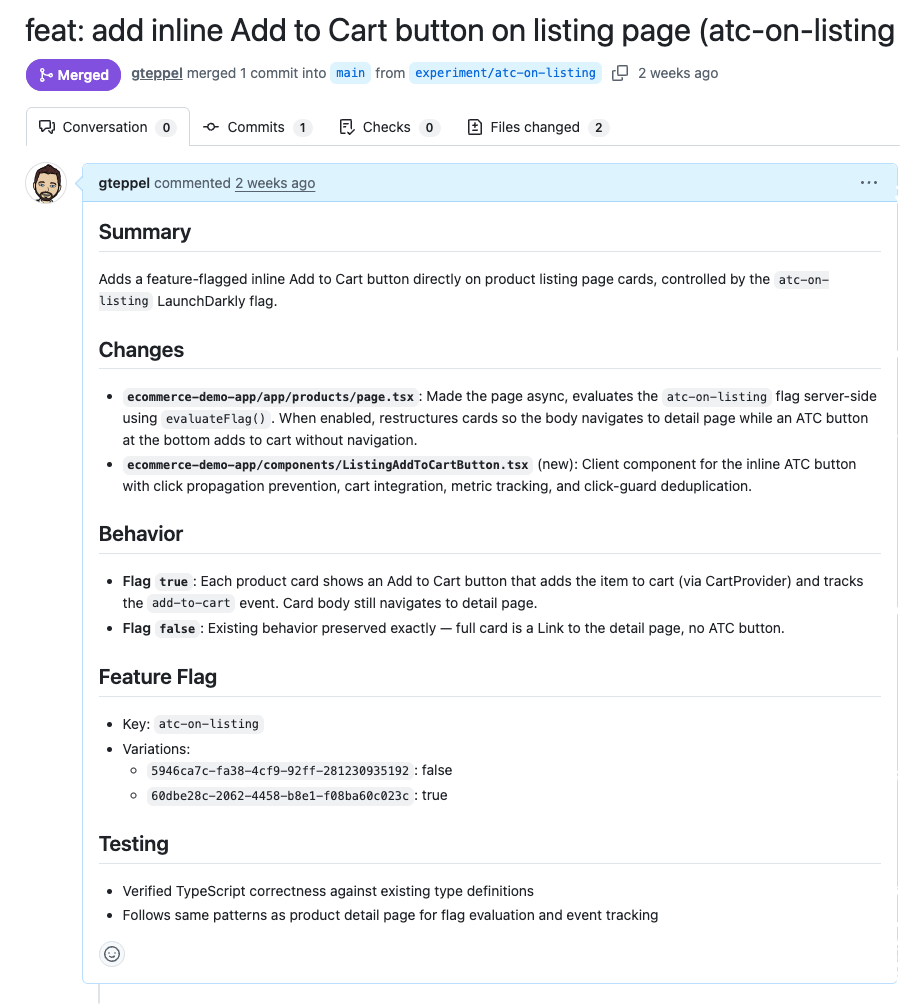
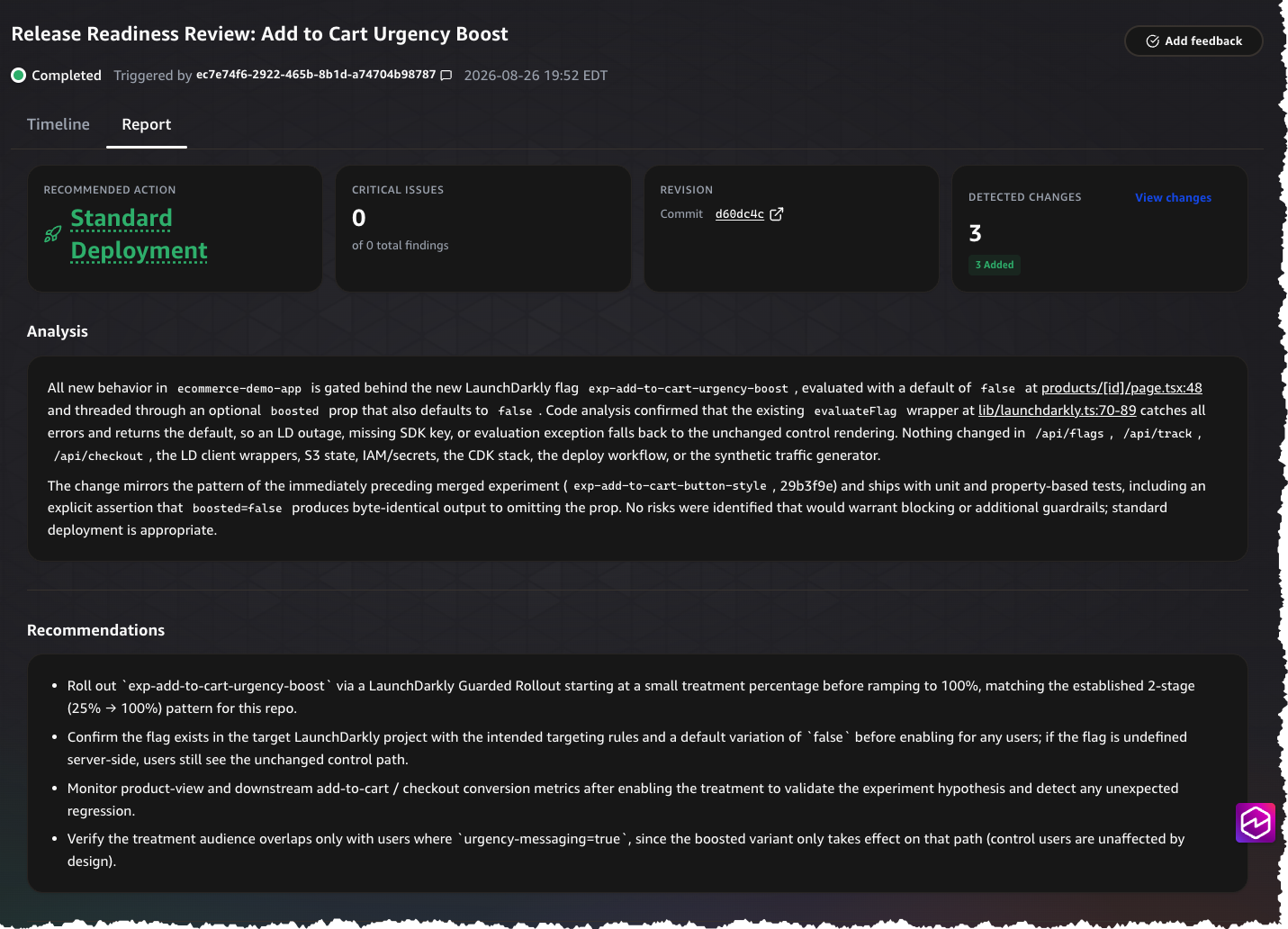
In the "Plan" phase, the AWS DevOps Agent acts as the orchestrator. By operating as a Custom Agent—a user-defined entity with specific instructions and tool access—it evaluates current business goals. It generates hypotheses informed by prior results and creates necessary feature flags in LaunchDarkly. The system then invokes the Kiro CLI in a headless environment to implement the code changes and open pull requests, bypassing the need for a developer to manually manage an integrated development environment (IDE). Before any code reaches production, the AWS DevOps Agent conducts a release readiness review. If the review passes, the pull request is merged, and a GitHub Actions workflow executes the deployment via AWS Amplify.

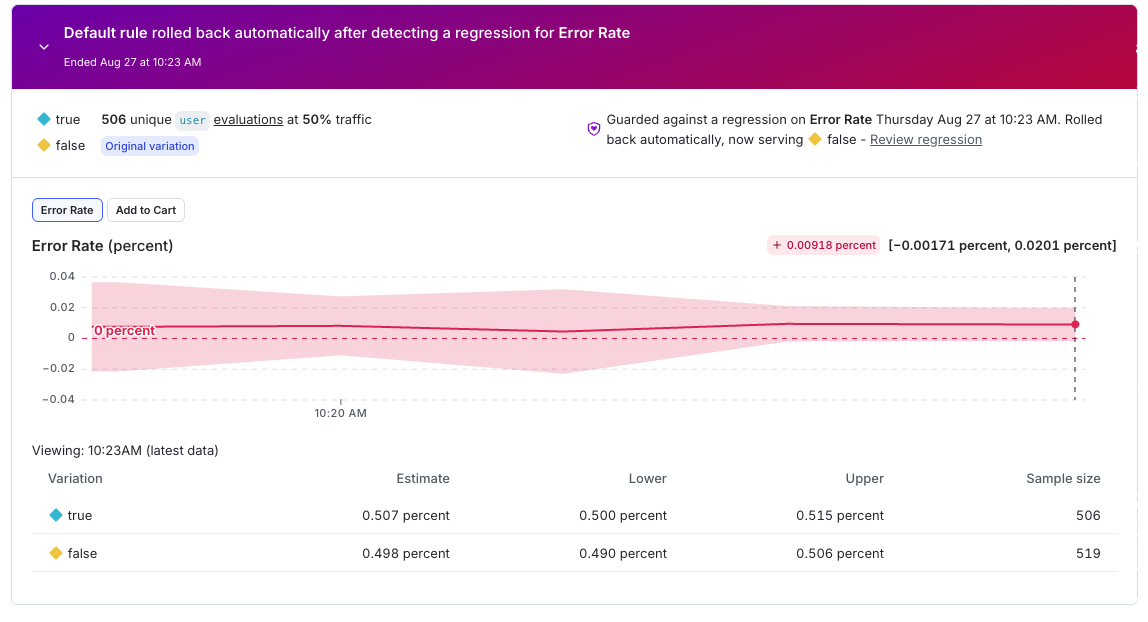
The "Prove" phase is where the technical rigor meets real-world data. Once deployed, the system initiates a 50/50 experiment, typically splitting 10% of traffic to compare a business KPI, such as conversion rates, between the control and treatment groups. Once statistical significance is reached, the system transitions to a Guarded Release. This process ramps the winning variation from 20% to 40% of traffic while LaunchDarkly continuously monitors operational guardrails, including error rates and p95 page-load times. If a regression is detected, the system triggers an automatic rollback of the feature flag state, returning the application to its stable control state in seconds, without requiring a full redeployment.
In the "Iterate" phase, the system queries the LaunchDarkly Change History API to link specific flag modifications to business outcomes. This data is fed back into the agent’s logic, refining the next hypothesis and continuing the cycle until the stated improvement goal is achieved.
Supporting Data and Technical Architecture
The technical foundation of this solution relies on the separation of decision-making from execution. The AWS DevOps Agent serves as the MCP (Model Context Protocol) client. It connects to two distinct servers: the LaunchDarkly hosted MCP server, which manages feature flags and experiments, and the custom Experiment MCP Server. The latter, built on FastMCP and deployed to Amazon Bedrock AgentCore, exposes granular operations such as code implementation, pull request merging, and deployment triggering.
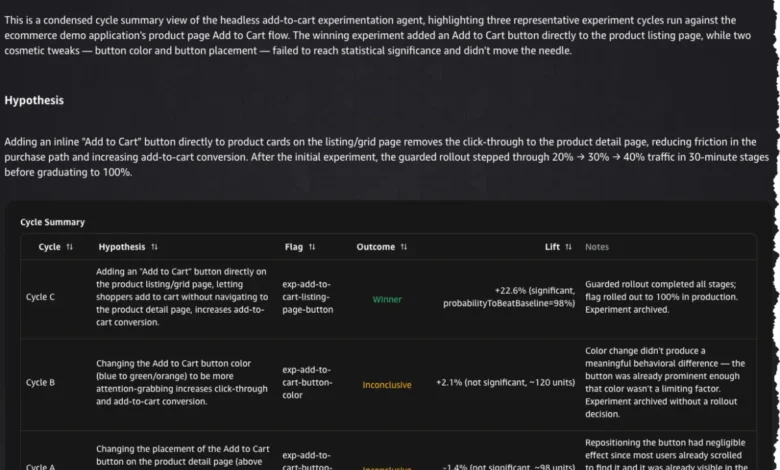
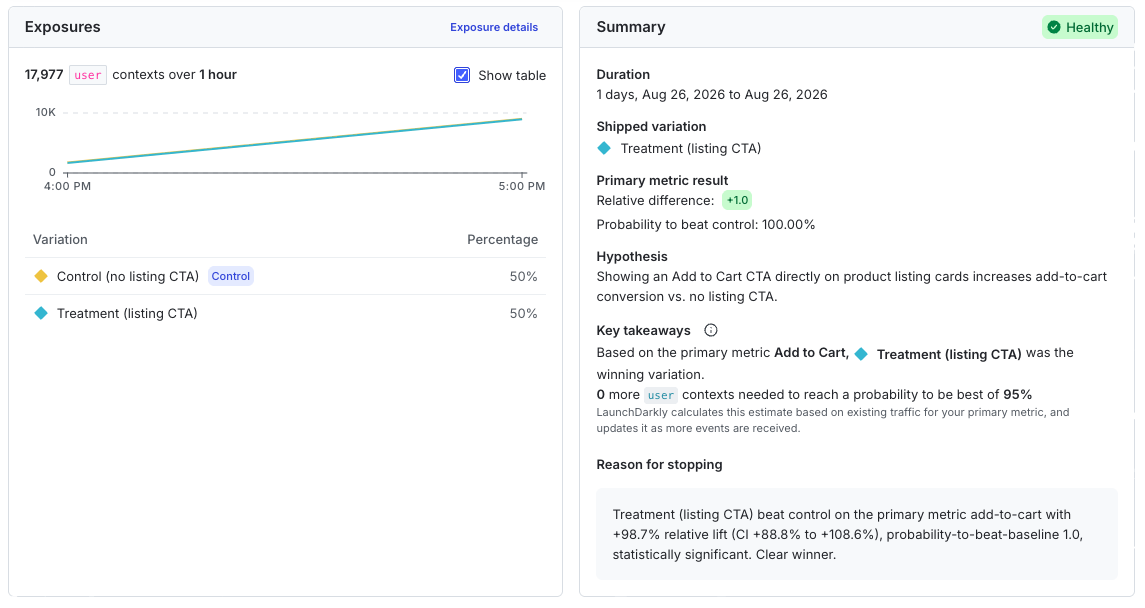
Data from the reference implementation highlights the efficacy of this approach. In a test case involving an "Add to Cart" urgency button, the system cycled through three experiments. The first two were cosmetic variations that yielded inconclusive results. The third iteration, which involved adding an inline button to the product listing page, resulted in a 98.7% probability to beat the control and a 17.7 percentage point lift in conversion. Crucially, the system’s ability to detect an error-rate regression during an initial ramp-up and automatically revert to the baseline ensured that the site remained stable throughout the testing period.
Industry Implications and Strategic Value
The implications for enterprise development are significant. By shifting the burden of mundane coordination to an autonomous agent, organizations can reallocate engineering talent toward high-value creative work. Furthermore, the use of Guarded Releases mitigates the "fear of deployment" that often plagues legacy release cycles. Because the safety net is built into the runtime, teams are empowered to experiment more frequently and aggressively, knowing that the system will self-correct if a feature causes an operational disruption.
Industry analysts suggest that this "Plan-Prove-Iterate" model could become the gold standard for high-velocity software teams. "The ability to link a business objective directly to a series of automated code changes and performance gates removes the ‘human-in-the-loop’ delay that traditionally kills momentum," notes one software architecture consultant familiar with the integration.
Implementation Requirements and Safety Standards
To deploy this workflow, teams require an active AWS DevOps Agent space and a LaunchDarkly account. While the core experimentation features are available on all LaunchDarkly plans, the Guarded Release functionality—essential for automated, risk-free rollouts—is currently part of the enterprise tier.
Safety remains the paramount concern of the architecture. The system relies on several non-negotiable guardrails:
- Hypothesis-First Development: No code is written without a clearly defined hypothesis.
- Flag-First Implementation: Every change is gated behind a feature flag from the moment of inception.
- Automated Validation: The agent enforces a release readiness review for every pull request.
- Independent Guardrails: Operational metrics (error rate, latency) are always separated from success metrics (conversion) to ensure that the system does not "succeed" at the cost of stability.
Future Outlook
While this reference implementation requires a manual setup involving the connection of MCP servers and the configuration of the orchestration skill, the roadmap points toward a more turnkey experience. As autonomous agents become increasingly proficient at navigating complex CI/CD environments, the time-to-value for such systems is expected to shrink.
Ultimately, this architecture represents a shift toward "goal-oriented programming." Instead of managing individual Jira tickets or pull requests, engineers may soon be managing high-level outcomes. By delegating the execution of those outcomes to a secure, closed-loop agentic system, companies can maintain the pace of a startup while adhering to the rigorous safety and performance standards of a global enterprise. As this technology matures, the "human-in-the-loop" will evolve from being the primary actor in the deployment process to being the strategic overseer of the experimentation goals, effectively turning the software development lifecycle into a true engine of continuous, self-optimizing growth.