GeForce NOW Launches Native Linux Client Marking a Strategic Shift for Cloud Gaming Accessibility


The landscape of Linux gaming has undergone a significant transformation this month as NVIDIA officially transitioned its GeForce NOW cloud gaming application from a beta environment to a full-scale, general availability release for the Linux platform. This development provides a major alternative for Linux users who have historically faced challenges regarding hardware compatibility, anti-cheat software restrictions, and the rising costs of dedicated gaming components. While the service is not open-source, its native support for Ubuntu represents a notable expansion of the ecosystem, potentially offsetting the recent loss of platform support for several high-profile titles from major publishers.

Contextualizing the Shift in Linux Gaming Support
The arrival of a native Linux client for GeForce NOW follows a turbulent period for the Linux gaming community. Recently, Ubisoft sparked widespread criticism when it revoked support for the Linux operating system and the Steam Deck for its title For Honor. The publisher cited technical limitations inherent in anti-cheat software as the primary driver for the decision, despite the fact that the underlying security software had been compatible with the Linux kernel for years.
This move highlights the ongoing friction between the open-source community and major game publishers. For many Linux users, the ability to play AAA titles relies heavily on compatibility layers like Valve’s Proton, which translates Windows-based API calls to Linux-compatible instructions. When developers actively restrict these paths, the user experience suffers. Cloud gaming, therefore, has evolved from a niche curiosity into a vital utility. By offloading the rendering workload to remote servers, GeForce NOW bypasses the need for local anti-cheat integration or specialized driver optimization, effectively insulating the user from the "second-class citizen" status often attributed to the platform.
Chronology and Development of the Native Linux Build
NVIDIA’s journey to this point has been iterative. The service began as a browser-based experience, which provided basic functionality but often lacked the low-latency performance and deep system integration required for competitive gaming. The transition to a native Linux binary represents the culmination of a multi-year effort to refine the stream decoding process specifically for Linux-based distributions.
The beta period allowed engineers to stress-test the application against various kernel configurations and display protocols. While the official documentation initially emphasized the use of Xorg display sessions for optimal performance, real-world testing on the latest Ubuntu 26.04 LTS release has demonstrated that the client is now robust enough to function effectively on Wayland, the modern display server protocol that has become the standard for most major Linux distributions. This expansion of compatibility suggests that while Ubuntu is the primary focus, the underlying architecture is sufficiently flexible to support other major distributions, such as Fedora or Arch Linux, with minimal modification.
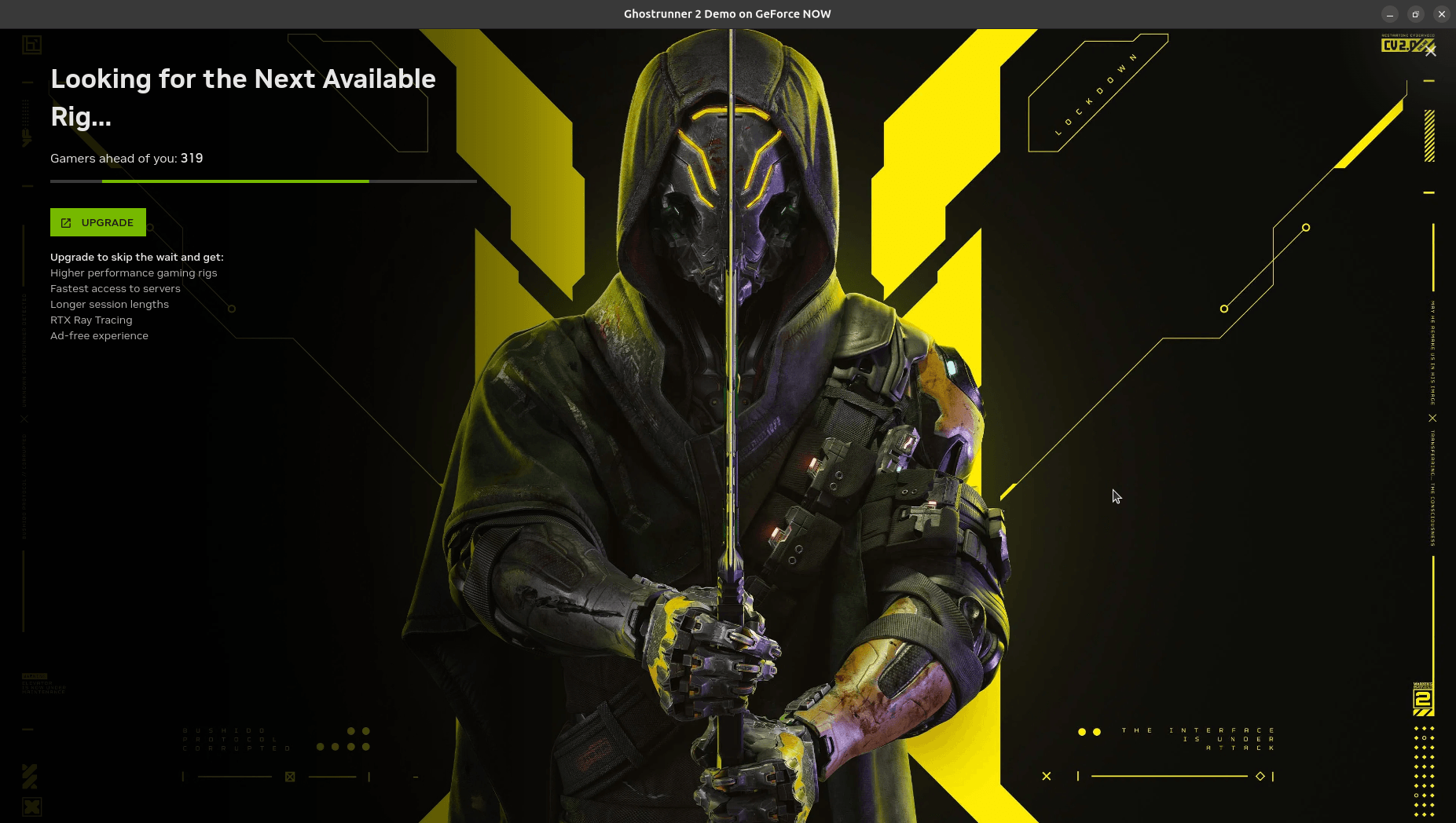
Technical Performance and Infrastructure Analysis
The core value proposition of GeForce NOW lies in its server-side infrastructure. Rather than relying on the user’s local hardware to render frames, the service streams high-fidelity visuals from clusters of NVIDIA RTX-powered GPUs. This is particularly advantageous in the current market, where the cost of high-end RAM and storage continues to fluctuate, making it difficult for many enthusiasts to build or upgrade local gaming rigs.
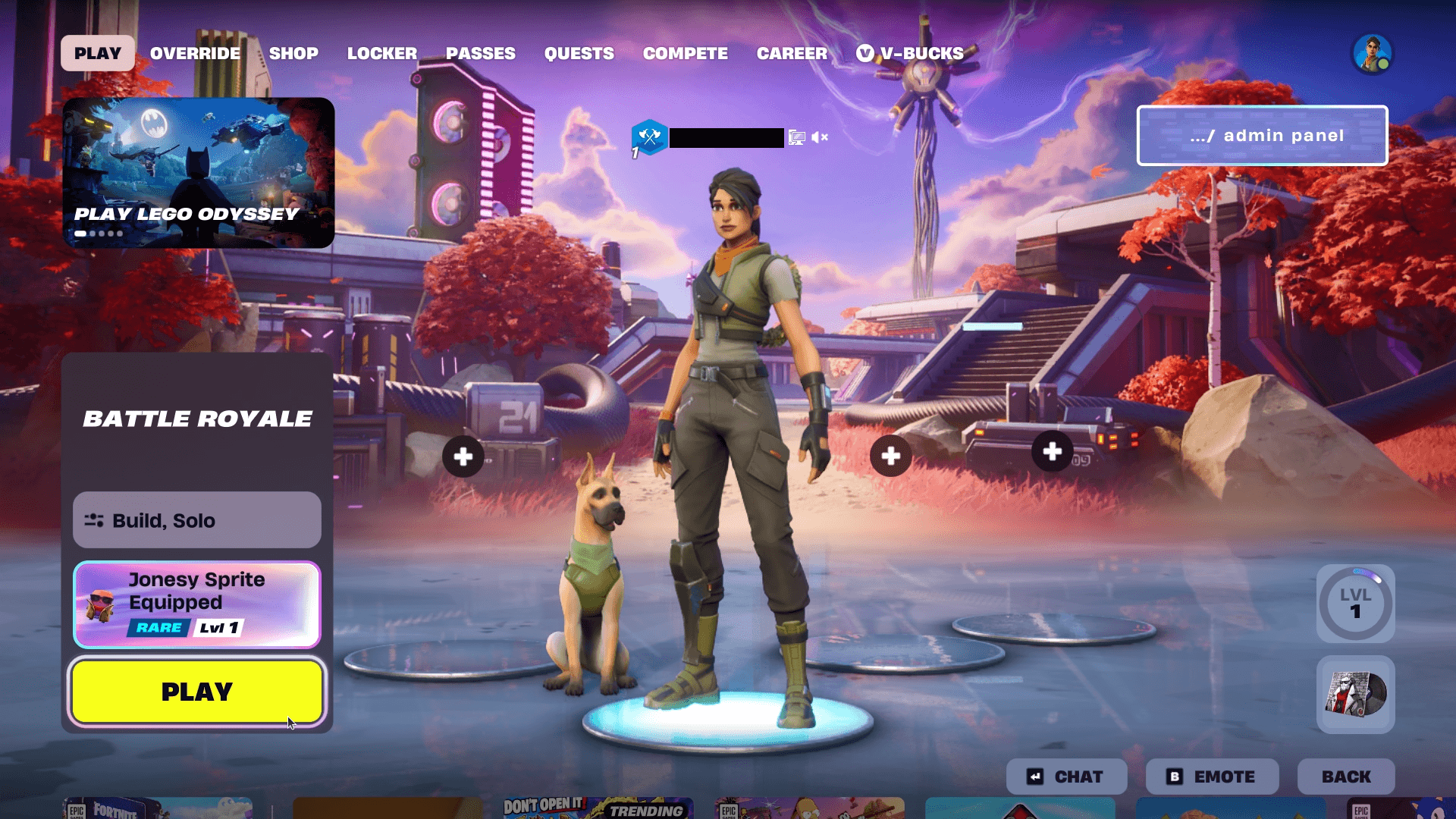
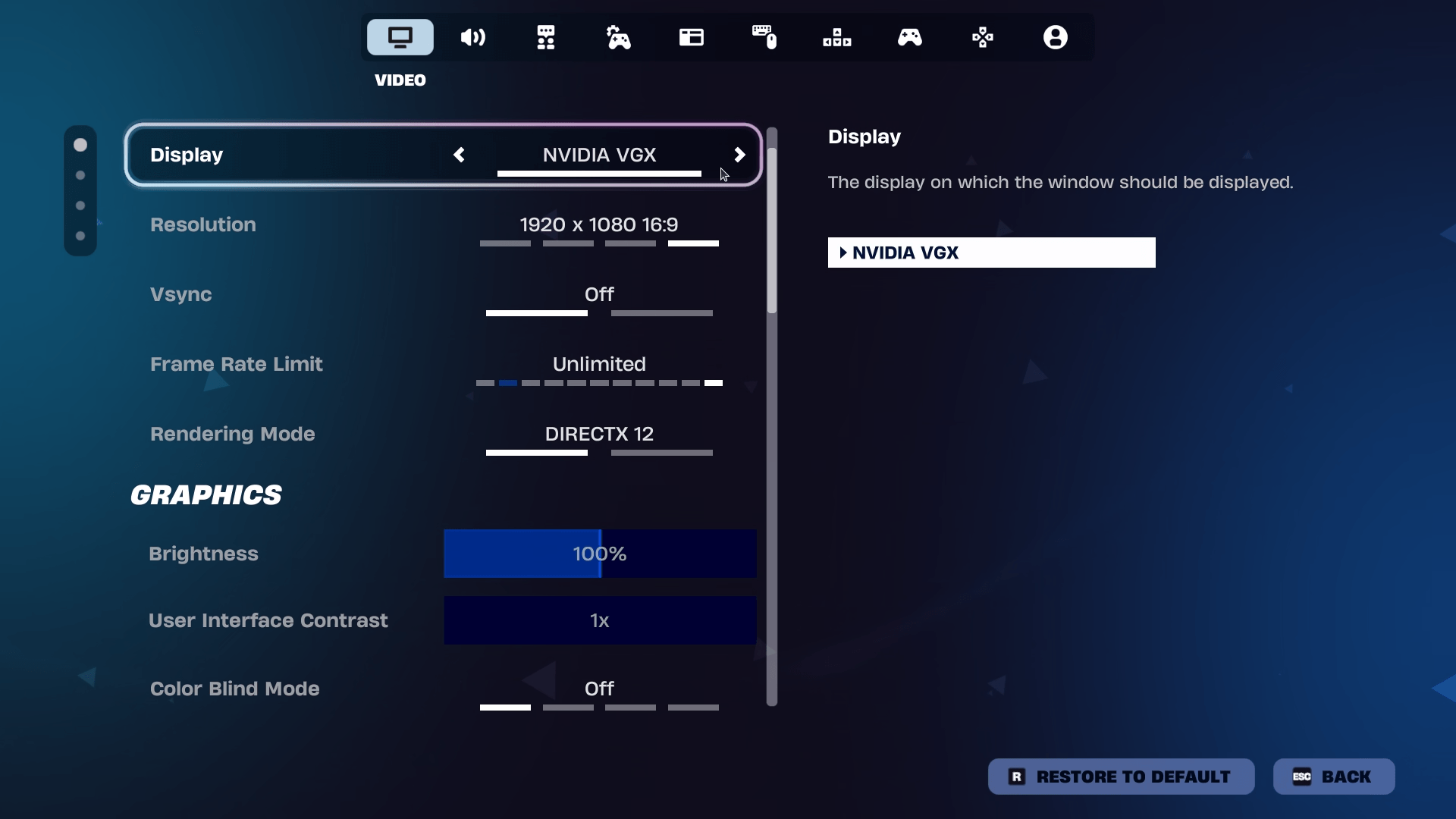
In practical application, the local device—regardless of whether it is a powerful workstation or a budget laptop—only requires sufficient processing power to decode the incoming high-bitrate video stream. During testing, users running the client on hardware equipped with modest GPUs (such as the RTX 3050 with 6GB of VRAM) achieved performance parity with high-end desktop setups, provided their network infrastructure met the requisite bandwidth demands.
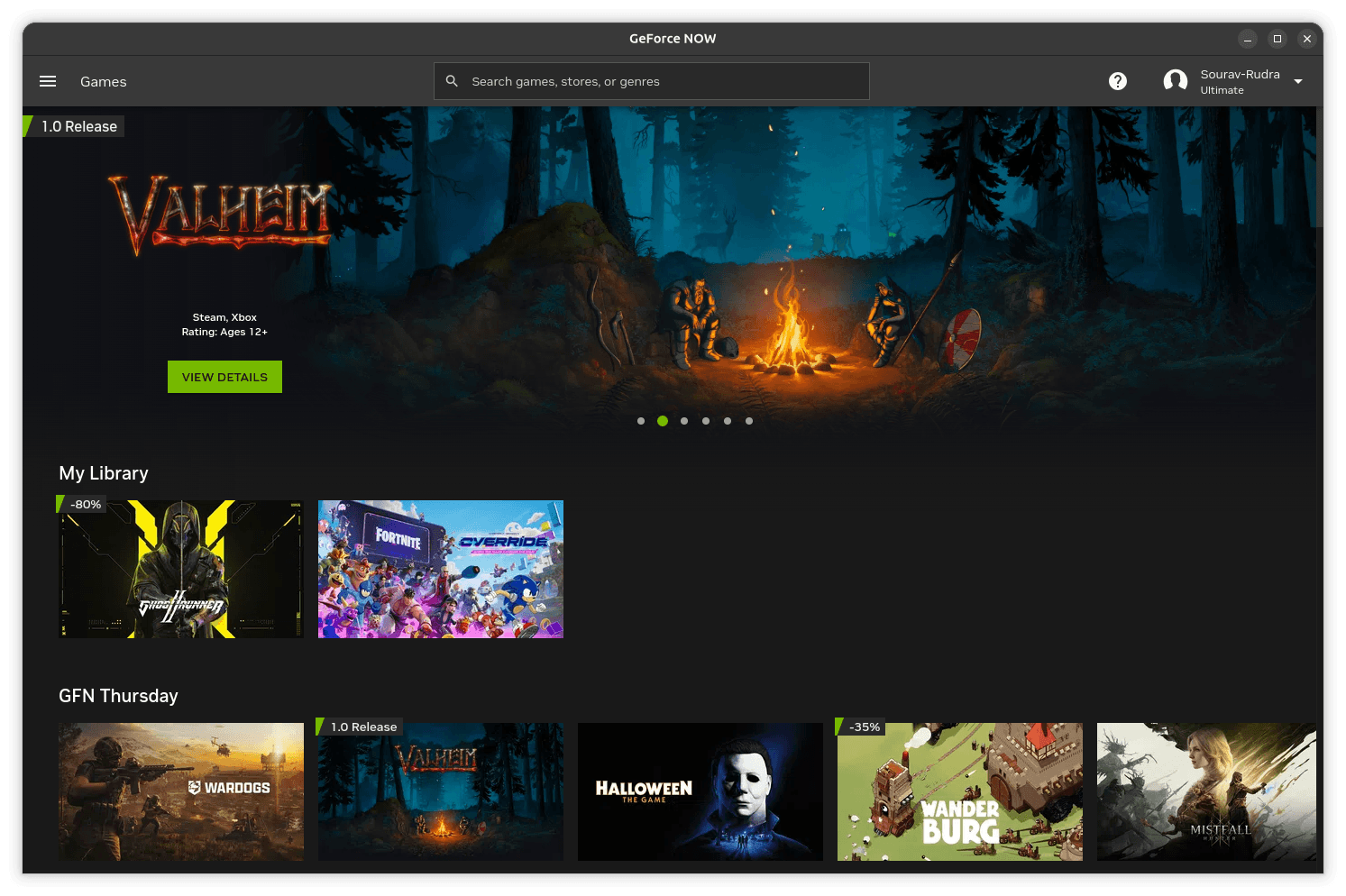
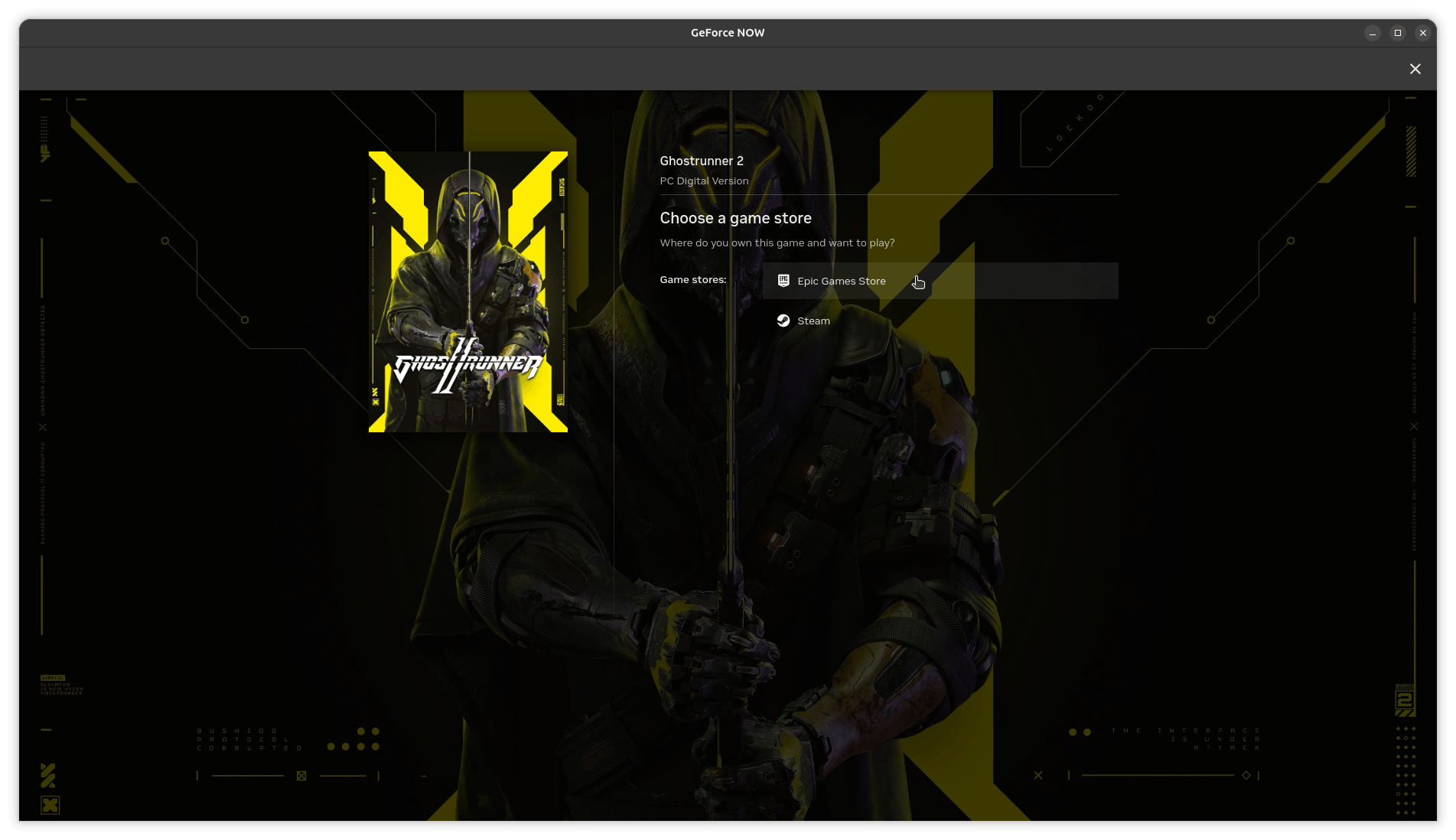
The service relies on an existing library model rather than a closed storefront. By integrating with platforms such as Steam, Epic Games, GOG, and PC Game Pass, users can leverage their existing purchases. This approach is instrumental in securing adoption, as it does not force users to repurchase content. However, the requirement to link individual store accounts remains a point of friction; users have noted that a more streamlined, "one-click" authentication process for all linked storefronts would significantly enhance the user experience.
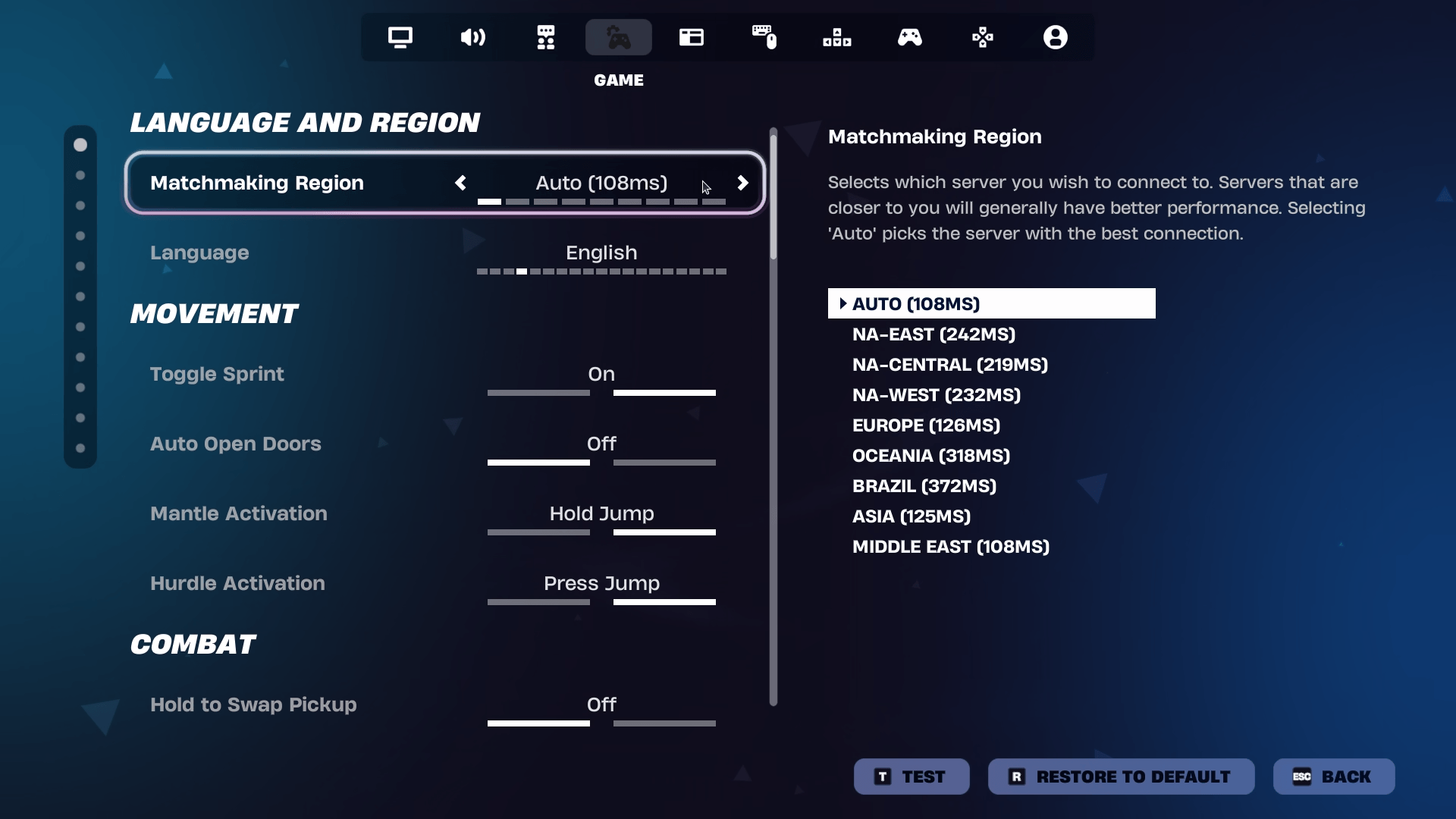
Network Requirements and Latency Implications
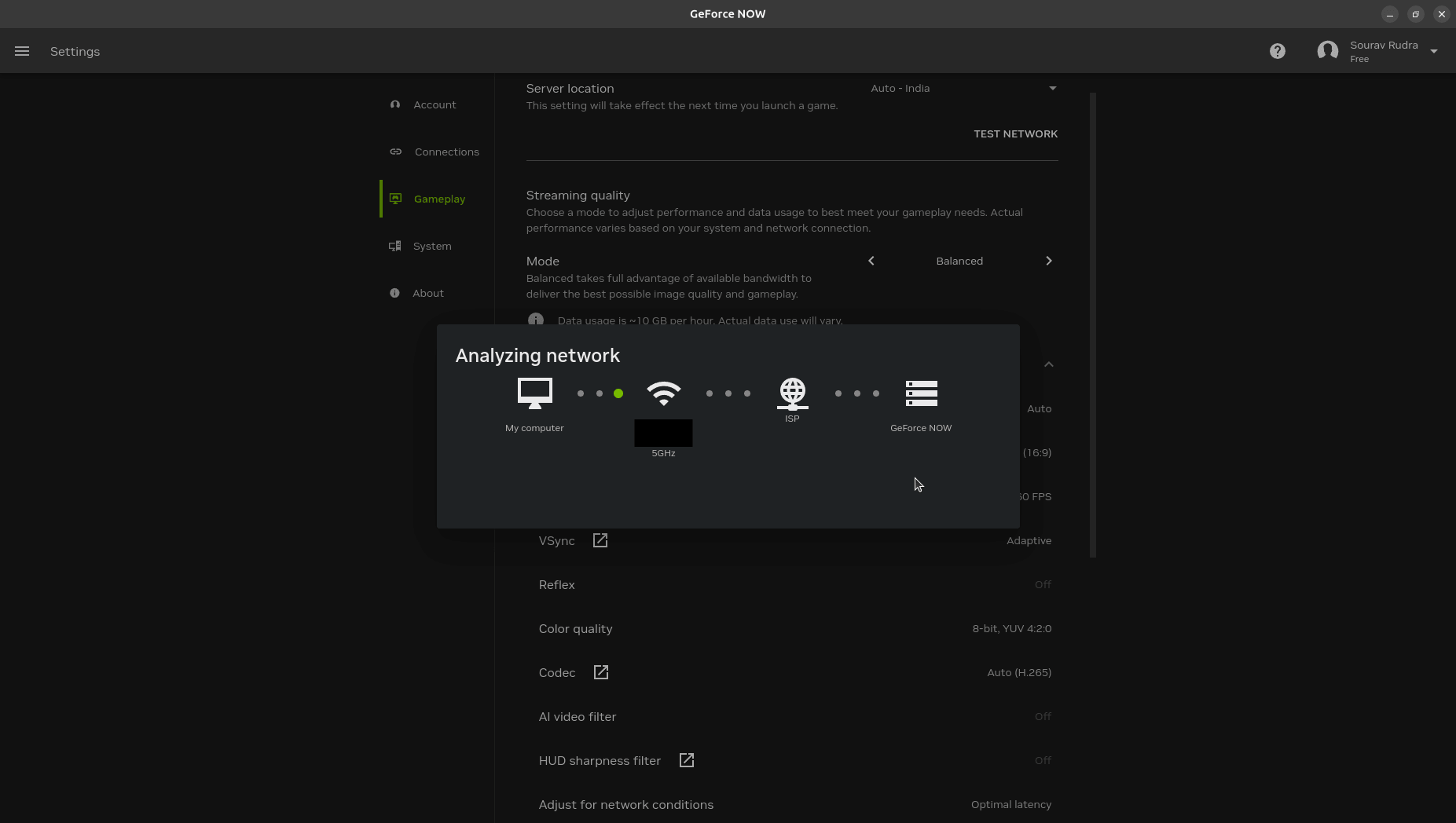
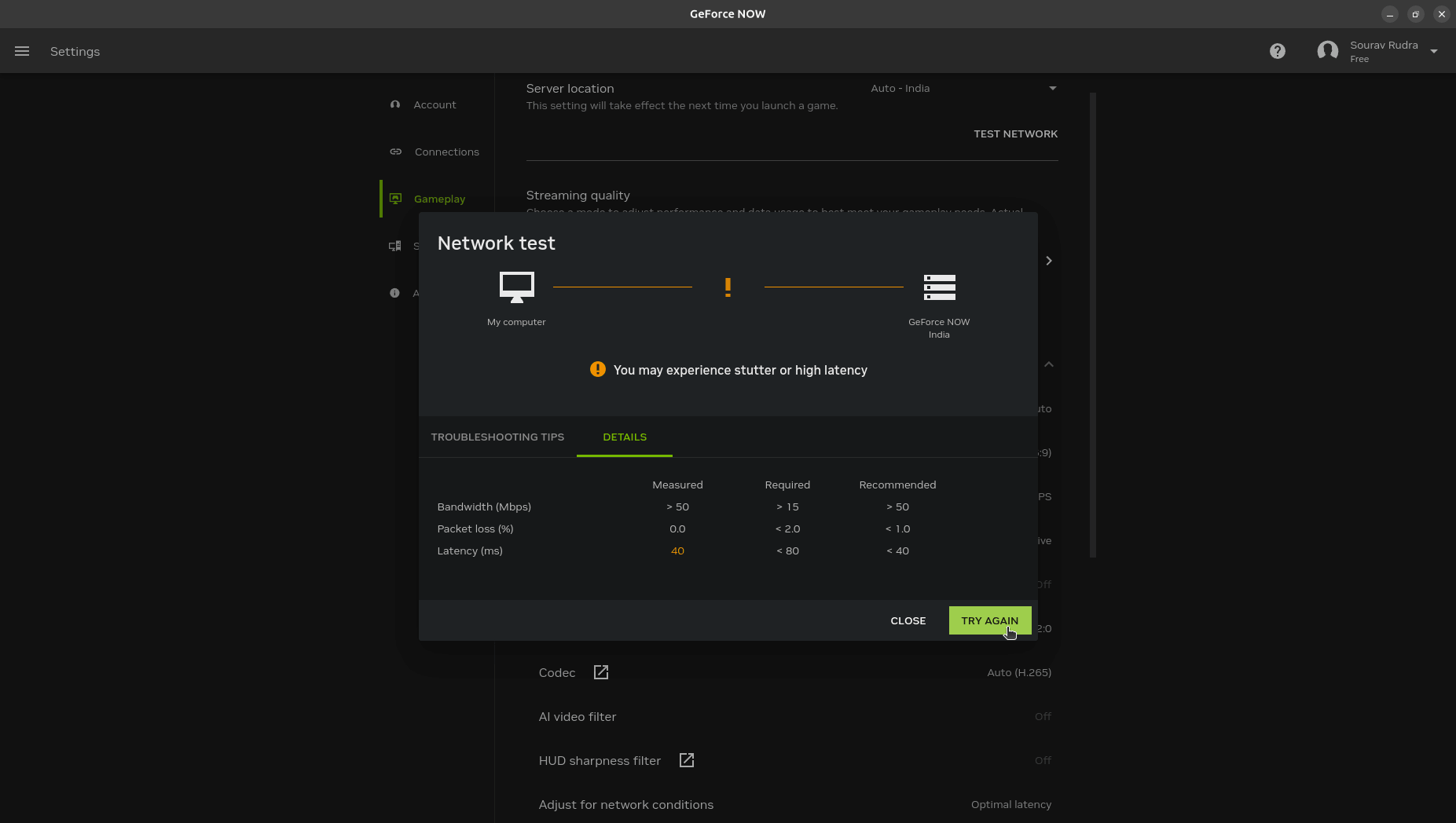
The primary bottleneck for cloud gaming remains network latency. NVIDIA’s internal network diagnostic tools explicitly warn users against relying on standard wireless connections for competitive titles. During testing, packet loss and stuttering were observed on standard Wi-Fi configurations, while a transition to a wired Ethernet connection significantly improved stability and frame delivery.
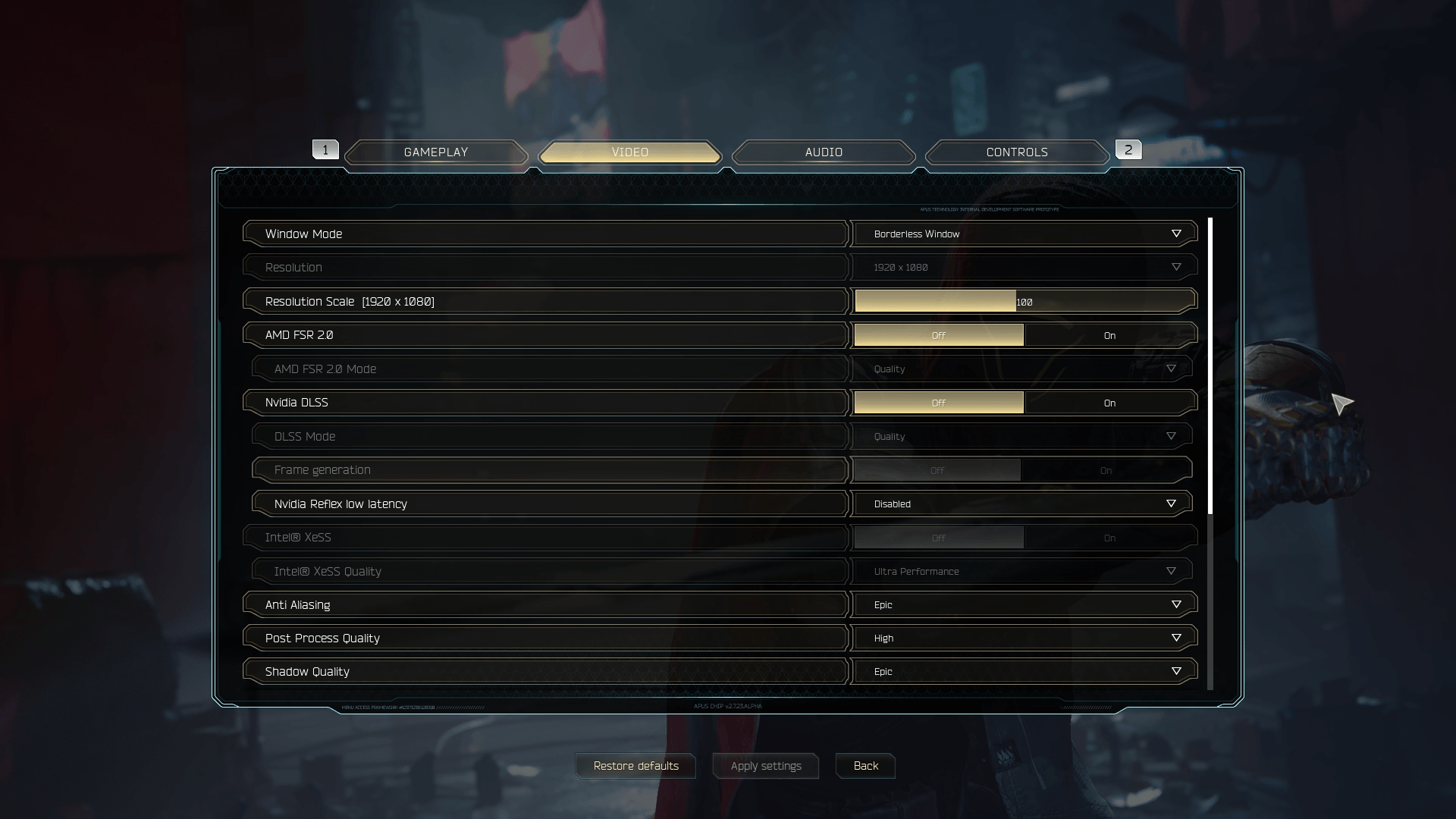
Analysis of the streaming metrics during peak usage—such as in 100-player battle royale scenarios—shows that latency can remain within an acceptable range (45ms to 50ms) for most genres. However, for titles requiring frame-perfect reactions, the inherent overhead of network transit remains a technical hurdle. Users utilizing the "Ultimate" tier of the service, which provides access to RTX 4080-class hardware, can achieve frame rates upwards of 160 FPS, though the actual user-perceived experience is tethered to the quality of the stream.

Official Stance and Market Implications
While NVIDIA has not issued a detailed public statement regarding its long-term roadmap for the Linux ecosystem, the release of this native client serves as a tacit acknowledgment of the platform’s growing importance. The move is strategically sound: by capturing a segment of the market that is otherwise unable to run modern software due to hardware or compatibility barriers, NVIDIA expands its total addressable market without needing to convince publishers to port their games to Linux natively.
Critics of the service point to its proprietary, closed-source nature as a fundamental conflict with the values of the Free and Open Source Software (FOSS) community. Indeed, the application does not adhere to the principles of software freedom. However, from a pragmatic perspective, the existence of a high-performance, native application provides a necessary bridge for users who wish to participate in modern gaming while maintaining a Linux-based operating system.
Future Outlook for Cloud Gaming on Linux
The success of the GeForce NOW Linux client may set a precedent for other cloud service providers. As the industry shifts toward subscription-based, remote-rendering models, the operating system of the client device becomes increasingly irrelevant. For the Linux community, this offers a dual-edged sword: it provides immediate access to top-tier gaming experiences, but it also reduces the immediate pressure on game developers to support the Linux platform natively.
If NVIDIA continues to iterate on this client—optimizing for Wayland, expanding compatibility with more distributions, and simplifying account management—it is likely that the "second-class" label will continue to fade. The next phase for the platform will likely involve deeper integration with Linux desktop environments, including native support for controller mapping, HDR, and variable refresh rate (VRR) technologies, which are currently being refined across the Linux kernel and display server ecosystem.
As it stands, the launch of the native GeForce NOW app on Linux is a milestone. It acknowledges the technical maturity of the Linux desktop and provides a viable, professional-grade solution for gamers who refuse to switch to Windows, regardless of the software restrictions imposed by game developers. For the average user, the choice between local hardware and cloud streaming is no longer a matter of compatibility, but a matter of preference and network reliability. As connectivity infrastructure improves globally, the significance of this move will likely only grow, cementing cloud gaming as a pillar of the modern Linux desktop experience.