Unlocking Frictionless Publishing: How Docsify-This Transforms Markdown and Git into a Dynamic Web Ecosystem

For decades, digital content creators, educators, and software developers have championed Markdown as the ultimate format for writing text. Its clean, human-readable syntax strips away the visual clutter of traditional word processors, allowing authors to focus entirely on their narrative or technical documentation. However, transitioning raw Markdown files from a local repository into a polished, responsive web experience has historically required complex static site generators, hosting configurations, and dedicated build pipelines. Enter Docsify-This, an open-source project designed to bridge the gap between simple text files and dynamic web publishing without the overhead of traditional website infrastructure.
Bridging the Gap Between Raw Text and the Modern Web
Built on top of the popular Docsify.js engine, Docsify-This provides a streamlined mechanism to instantly transform any publicly accessible Markdown file into a responsive, standalone web page. By eliminating the necessity for complex build processes, Node.js environments, or dedicated server deployments, the platform democratizes web publishing for individuals who may lack advanced web development skills.

The core utility of the tool lies in its ability to ingest raw text files hosted on version-control platforms like GitHub or Codeberg and render them dynamically in real time. This architecture bypasses the traditional content management system (CMS) bottlenecks that often frustrate educators and technical writers. Instead of navigating cumbersome administrative dashboards, contributors can update their content simply by editing a text file within their preferred Git environment, with changes reflecting instantly across the rendered web space. Furthermore, because Docsify-This is fully open-source, organizations and individual users can deploy their own independent instances under custom domains, effectively mitigating the risks associated with proprietary platform lock-in and corporate hosting dependencies.
Chronology and Evolution of Lightweight Publishing Tools
The trajectory of web publishing has shifted significantly over the past fifteen years. In the early 2010s, static site generators such as Jekyll and Hugo revolutionized developer workflows by compiling Markdown into static HTML files. While these tools offered superior performance and security compared to heavy database-driven CMS platforms like WordPress or Drupal, they still demanded a foundational understanding of command-line interfaces, Ruby gems, or Go binaries.
As educational institutions and corporate training departments accelerated their adoption of digital learning management systems (LMS) during the mid-to-late 2010s, the demand for embedded, constraint-free content grew exponentially. Instructors frequently struggled to maintain consistent course materials across fragmented platforms such as Canvas, Moodle, and proprietary internal intranets. The original Docsify.js project emerged during this period as a lightweight documentation generator that rendered Markdown pages on the fly directly in the browser via JavaScript.
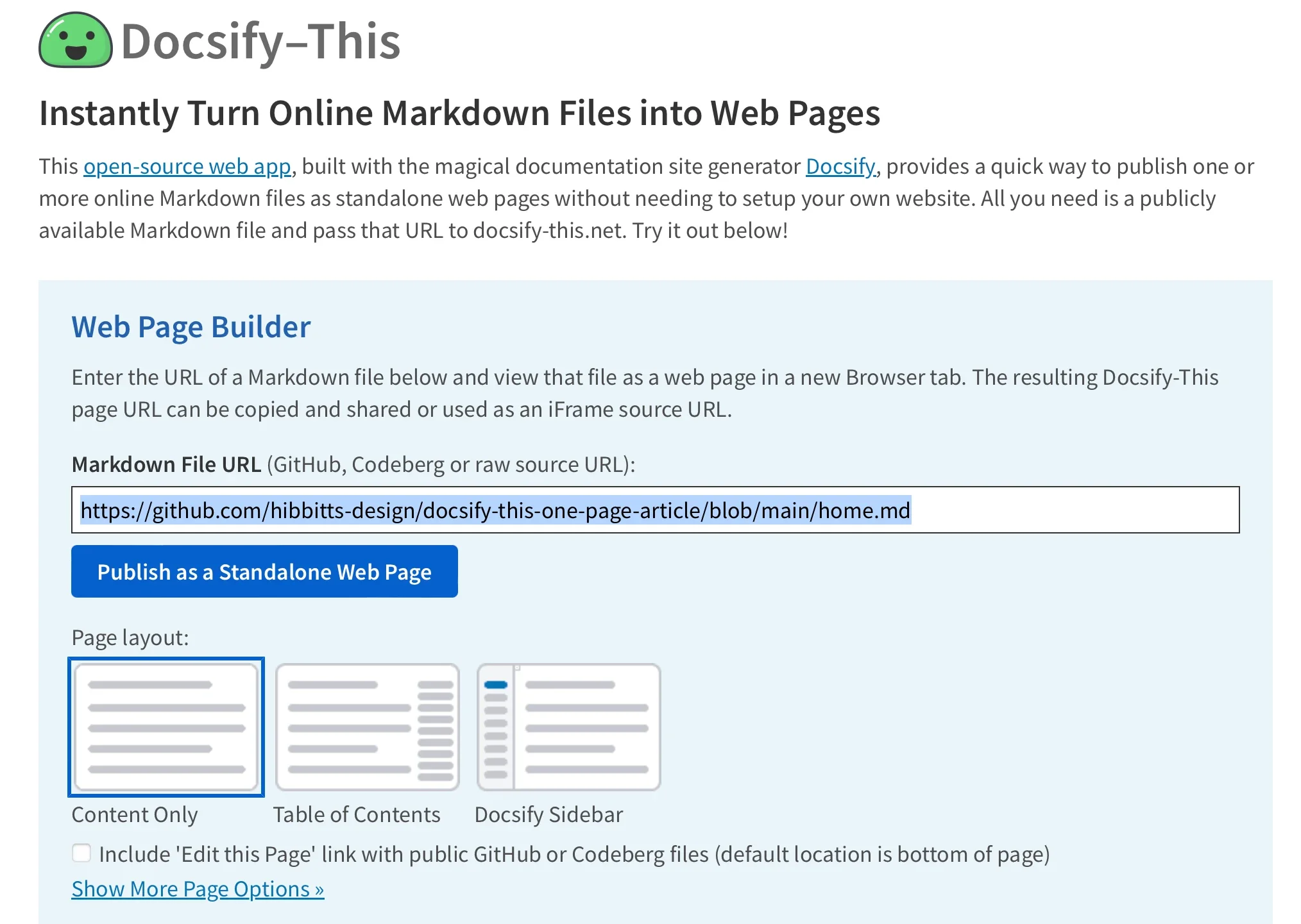
Docsify-This represents the next logical evolution in this chronology. Released to address the friction of configuring Docsify for non-technical users, the platform introduced point-and-click graphical builders and robust URL parameter manipulation. This innovation allowed educators and technical authors to bypass configuration files entirely, transforming a simple link into a fully styled, customizable web application capable of seamless integration into third-party platforms via iFrames and external redirection tools.
Technical Architecture and Customization Capabilities
At a foundational level, Docsify-This operates by parsing URL parameters that point to a designated base repository path and a specific target file, commonly designated as the homepage. When a user navigates to a Docsify-This URL, the application fetches the specified raw Markdown file, processes its syntax, and applies the Docsify rendering engine within the browser viewport.
https://docsify-this.net/?basePath=https://raw.githubusercontent.com/username/repository/main&homepage=home.mdThis URL-driven architecture unlocks a high degree of flexibility. Content creators can modify the visual presentation of their pages on the fly by appending standard cascading style sheet (CSS) attributes directly to the URL query string. Parameters such as font-family, font-size, link-color, and line-height enable authors to tailor the reading experience to match corporate branding or institutional style guides without altering the underlying source files.
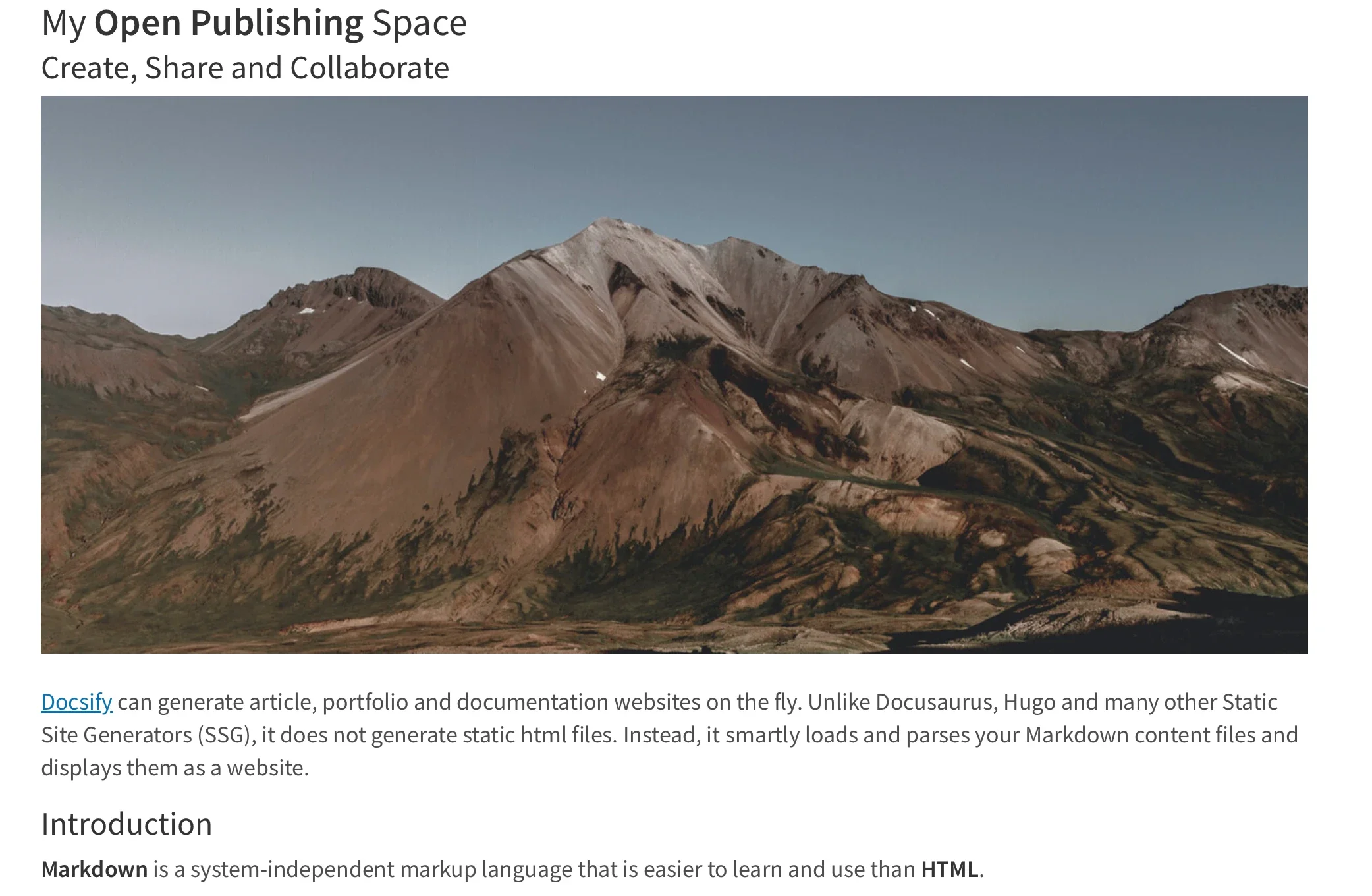
Beyond global styling parameters, Docsify-This supports specialized Markdown CSS classes that extend standard syntax formatting. For instance, appending specific class tags to a conventional Markdown link transforms a standard textual hyperlink into a styled interactive button.
[Required Reading Quiz due Jun 4th](https://canvas.sfu.ca/courses/44038/quizzes/166553 ':class=button')For advanced use cases, authors are not restricted to pre-defined styles. Users can embed custom CSS blocks directly within their Markdown files, defining proprietary classes that govern everything from border radii and padding to complex flexbox layouts and hover states. Standard HTML snippets, including multi-column row layouts and division tags, are also fully supported, allowing for sophisticated page architectures within a fundamentally simple text document.
Integration with Learning Management Systems and Enterprise Workflows
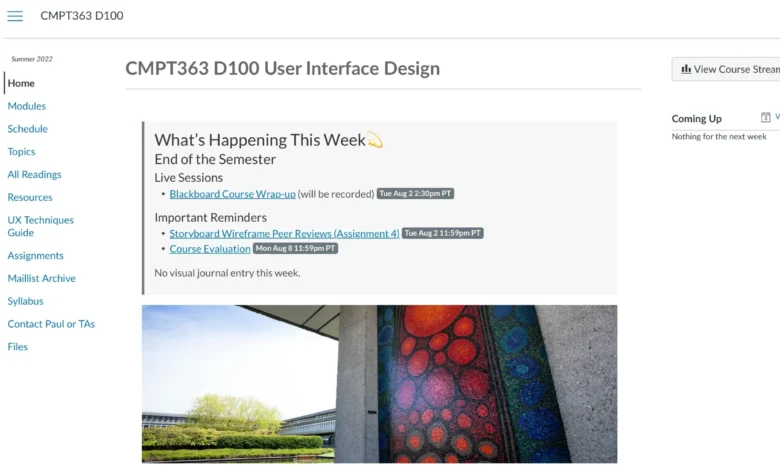
One of the most significant operational challenges in modern education and enterprise training is content fragmentation. Instructors and instructional designers often find themselves duplicating identical course materials across multiple learning management systems due to platform incompatibilities. Docsify-This addresses this challenge through robust iFrame integration and external URL redirection capabilities.

By wrapping a Docsify-This URL inside an iFrame HTML element, creators can embed responsive, dynamically updating web pages directly into platforms like Canvas, Moodle, or corporate intranets.
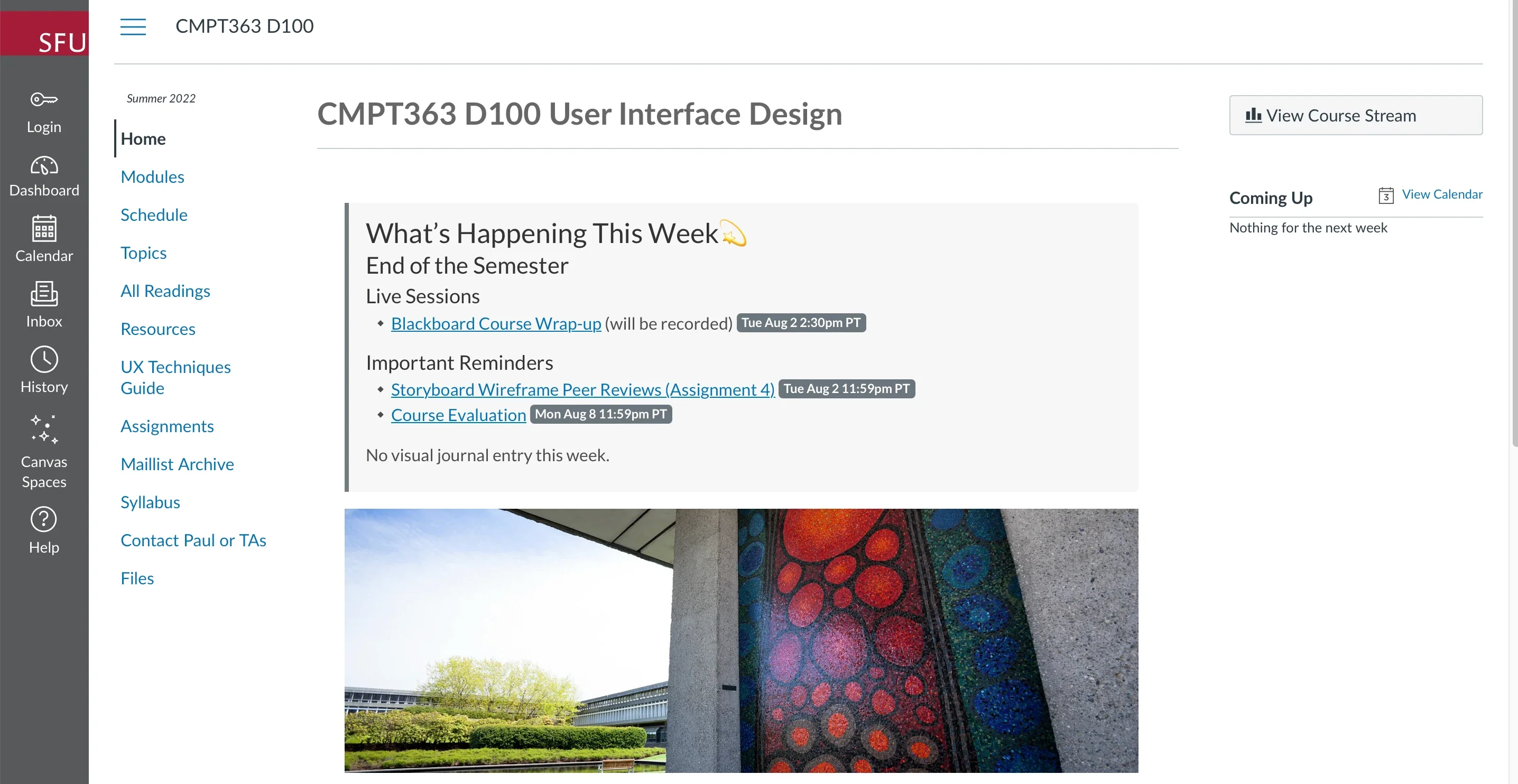
<iframe style="overflow: hidden; border: 0px #ffffff none; margin-top: -26px; background: #ffffff;" src="https://docsify-this.net/?basePath=https://raw.githubusercontent.com/username/repository/main&homepage=home.md&font-family=Lato,sans-serif&font-size=1&hide-credits=true" width="800px" height="950px" allowfullscreen="allowfullscreen"></iframe>In environments where iFrames are restricted or discouraged due to security policies, administrators can leverage external navigation tools. For example, Canvas LMS features a native Redirect Tool that permits external web pages to be surfaced directly within a course’s primary navigation menu. By pointing this tool to a Docsify-This instance, institutions can maintain a single, version-controlled source of truth for syllabi, reading lists, and resource guides, while presenting the content natively inside the student portal.
To support collaborative authoring, Docsify-This integrates seamlessly with Git-based version control workflows hosted on GitHub or Codeberg. When configured correctly, the platform can automatically append an "Edit this Page" link to the footer of every rendered document. This feature transforms passive readers into active contributors, allowing students, colleagues, or open-source community members to propose corrections or additions via standard pull requests. Authors can interact with these repositories using graphical Git clients such as GitHub Desktop, Git-Cola, or SparkleShare, or via modern code editors with robust Git integration like Visual Studio Code and Pulsar Edit.

Fact-Based Analysis of Implications for Digital Publishing
The widespread adoption of tools like Docsify-This signals a broader shift away from monolithic content management systems toward modular, decoupled publishing architectures. By decoupling content creation (handled via plain-text Markdown and Git) from content presentation and hosting (handled dynamically via browser-based rendering engines), organizations can achieve unprecedented levels of operational efficiency.
From an economic perspective, reducing the infrastructure overhead associated with maintaining traditional web servers and database-backed CMS platforms lowers the barrier to entry for small educational projects, community groups, and independent technical writers. Furthermore, the emphasis on open-source standards ensures that digital archives remain portable and future-proof; plain-text Markdown files stored in Git repositories can easily be migrated to alternative publishing systems should technological standards evolve.
However, security and governance analysts note that relying on external rendering services introduces unique considerations regarding data privacy and content availability. If a public Git repository experiences downtime or a rendering instance becomes unavailable, dependent embeds across learning management systems may fail to load. To mitigate these risks, critical infrastructure deployments often rely on self-hosted instances of Docsify-This, ensuring complete administrative control over uptime, data governance, and network security compliance.
Conclusion and Future Outlook
Docsify-This demonstrates how open-source innovation can harmonize disparate technologies—Markdown, Git, and dynamic web rendering—into a cohesive, user-friendly publishing workflow. By eliminating the friction traditionally associated with website deployment, the project empowers a diverse array of users, from university professors and corporate trainers to open-source developers and technical writers, to publish and share information efficiently. As digital workspaces increasingly demand modularity, interoperability, and frictionless collaboration, lightweight publishing paradigms are poised to play an increasingly vital role in the future of digital communication.