The definitive guide to AI-integrated Linux distributions and the evolution of the modern desktop operating system

The rapid integration of Artificial Intelligence into the Linux ecosystem has transitioned from experimental curiosity to a fundamental architectural shift. As of late 2026, the definition of an "AI-focused" Linux distribution remains fluid, reflecting a broader industry-wide debate over privacy, utility, and the boundaries of autonomous computing. While traditional operating systems treat AI as a cloud-based add-on, a new class of Linux distributions is attempting to bake intelligence directly into the kernel and desktop environment, fundamentally altering how users interact with their hardware.
The Architectural Shift: A New Era for Linux
The rise of AI-native Linux distributions is not merely a trend; it is a direct response to the increasing complexity of software management and system administration. Historically, Linux has prioritized user control and transparency. The modern challenge for developers is to maintain these core tenets while leveraging Large Language Models (LLMs) to automate routine tasks, such as troubleshooting, configuration, and natural language system navigation.

Current projects approach this paradigm through three distinct philosophies: agent-centric automation, privacy-first offline processing, and system-wide feature integration. This divergence in approach highlights the ongoing tension between cloud-based efficiency and the privacy requirements of the open-source community.
Chronology of the AI-Desktop Integration
The timeline for this transformation accelerated sharply between 2025 and 2026. Early adoption was limited to browser-based AI or simple shell command suggestions. However, the release of deepin’s "Grand Search" and the subsequent development of dedicated AI-layer distributions marked a turning point.
- Early 2025: Mainstream Linux distributions begin exploring AI-assisted package management and system documentation retrieval.
- Late 2025: Development begins on specialized kernels capable of managing local AI model resource allocation alongside standard background processes.
- Q1 2026: Projects like Omarchy secure significant venture funding, signaling institutional confidence in the "AI-agent-first" operating system model.
- Q3 2026: Canonical announces the integration of the "Myna" speech-to-text tool into the Ubuntu development branch, marking the first major distribution to move beyond third-party AI implementations toward native, hardware-accelerated local AI tools.
Leading AI-Native Distributions: A Comparative Analysis
The current landscape features several distinct approaches to the problem of AI integration. Each project prioritizes different facets of the user experience, from high-level automation to strict, air-gapped security.

1. Omarchy: The Agent-First Approach
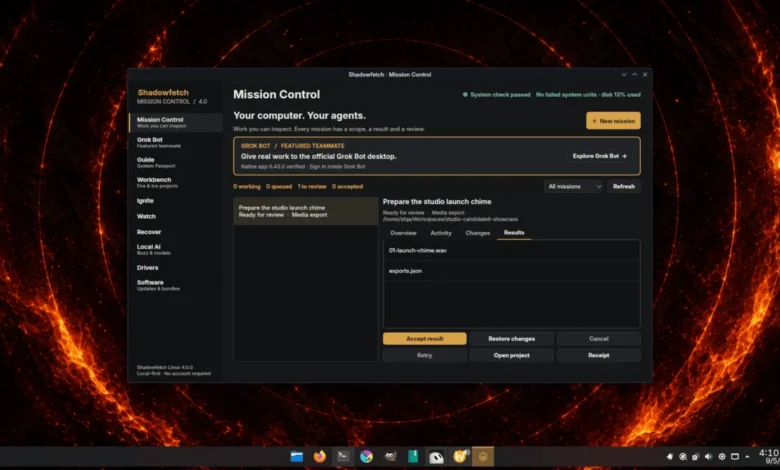
Omarchy represents the most aggressive integration of AI to date. By treating the OS as a "malleable" environment for AI agents, it allows users to delegate system-level administrative tasks to LLMs. Upon initial setup, the user selects a preferred agent—such as Claude Code or the Copilot CLI—which then gains permissions to execute commands, debug application crashes, and generate system configurations. The reliance on the Arch Linux base ensures a high degree of stability for power users, while the eight-figure funding backing the project suggests a long-term roadmap that prioritizes commercial and enterprise scalability.
2. Shadowfetch Linux: Controlled Autonomy
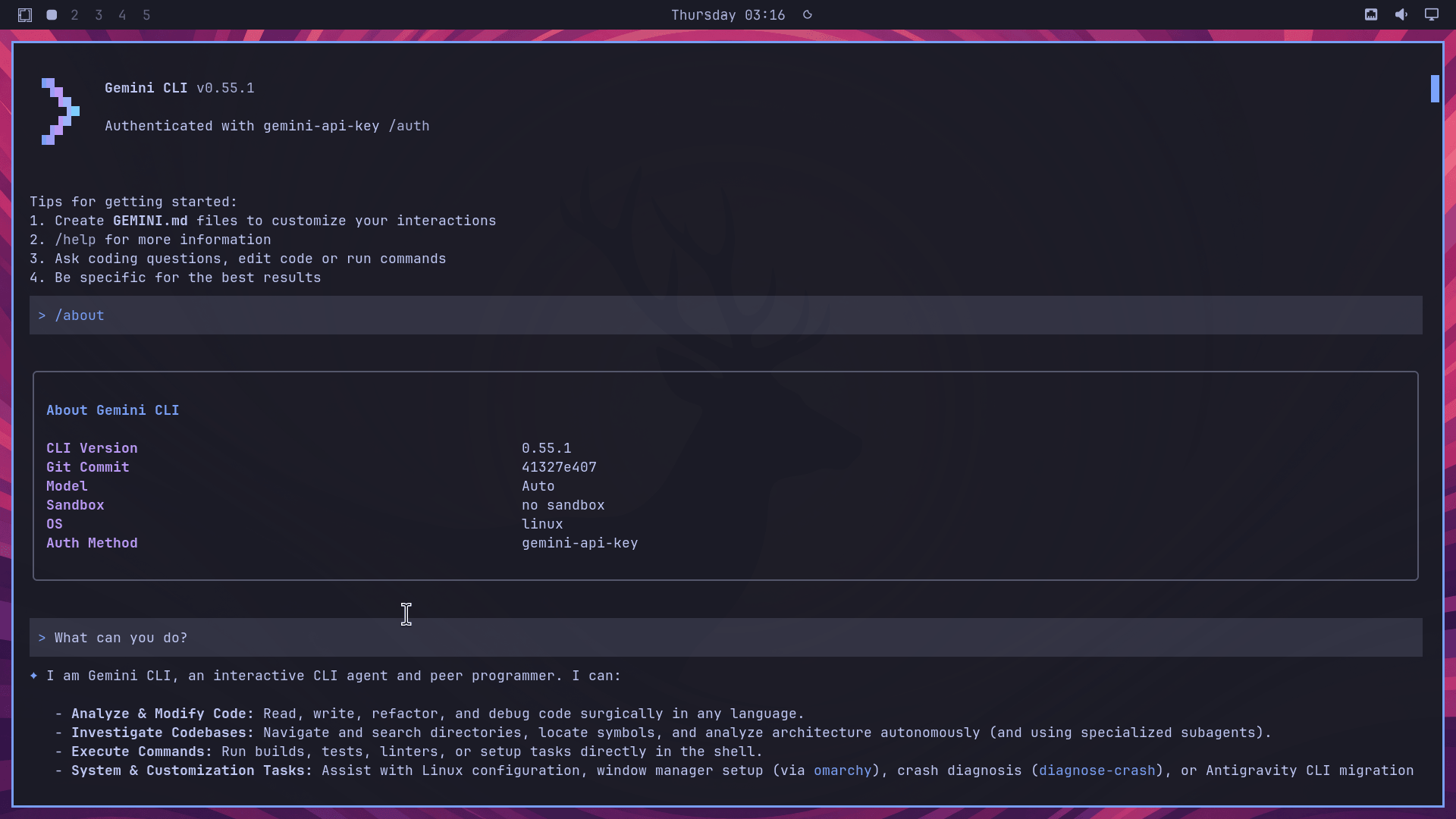
Shadowfetch Linux prioritizes safety through its "Mission Control" system. Unlike more permissive distributions, Shadowfetch requires explicit user verification for every action taken by an AI agent. The "Firebreak" security mechanism is particularly notable, as it sandboxes AI agents to prevent them from accessing unauthorized files or system directories. By offering both "Fire" (cloud-enabled) and "Ice" (offline) modes, the distribution provides a bridge for users who need the power of modern models but demand the security of an air-gapped environment.
3. Gnoppix AI Linux: The Privacy-Centric Standard
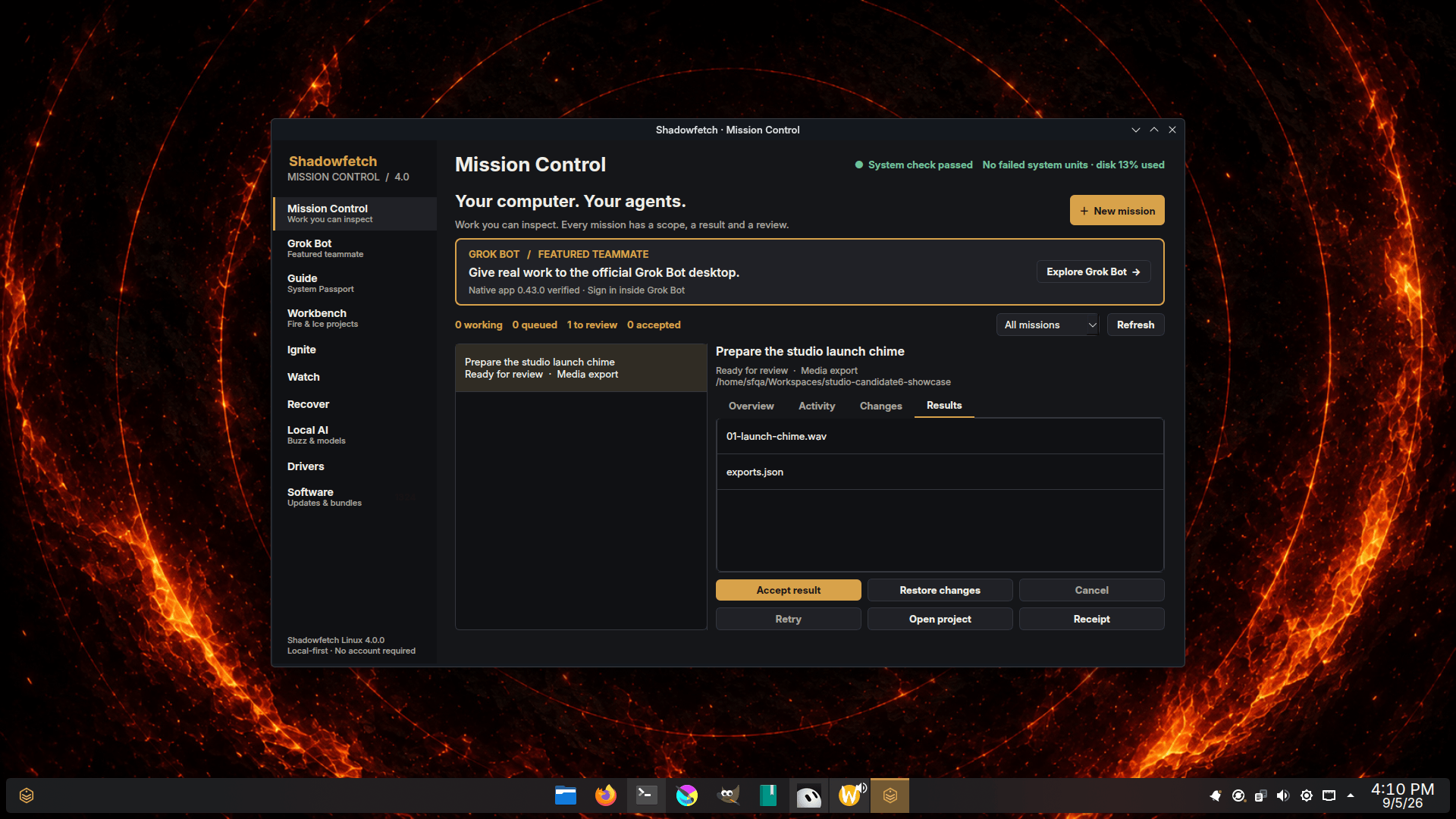
Gnoppix, a descendant of the historical Debian-based Gnoppix distribution, has rebranded itself to emphasize local, privacy-preserving AI. By running models like Mistral 7B entirely offline, the distribution eliminates the primary concern of telemetry-based data harvesting. The development team, operating out of Panama with technical support from Japan, has positioned the project as an alternative for users who require enterprise-grade AI capabilities without sacrificing the "air-gapped" security model that defined early Linux distributions.
4. MakuluLinux: Unified User Experience
MakuluLinux focuses on accessibility through its "Electra" assistant. Rather than forcing the user to navigate complex CLI interactions, Electra provides a floating interface for natural language queries. A significant differentiator for MakuluLinux is its self-hosted backend. By avoiding dependence on third-party APIs, the developers ensure a level of consistency that is often absent in distributions that rely on external, paid AI services. However, the project’s documentation regarding model count remains inconsistent, reflecting the rapid and often chaotic pace of its development cycles.
5. Deepin: Deep System Integration
Deepin serves as a prime example of "invisible" AI integration. Rather than forcing the user to interact with a dedicated "AI app," deepin embeds its UOS AI layer into core components like the file manager, mail client, and system search. The "Intelligent Search" feature exemplifies this by translating vague user requests—such as searching for "large financial spreadsheets"—into precise, complex file system queries. This approach minimizes the learning curve and demonstrates how AI can augment existing workflows rather than disrupting them.
Data-Driven Implications and Industry Reactions
The integration of AI into Linux distributions brings with it significant resource overhead. Industry analysis indicates that running even optimized local models (such as those featured in Gnoppix or Ubuntu’s Myna tool) requires specific hardware considerations, particularly in the domain of GPU memory and NPU (Neural Processing Unit) efficiency.
Canonical’s decision to implement Myna as a removable snap package is a strategic reaction to these hardware constraints. By separating the speech-to-text model from the base OS, Ubuntu avoids bloat while providing users with the flexibility to choose between CPU-based processing or high-performance NVIDIA GPU acceleration. This modularity is expected to become the industry standard as hardware-specific optimizations become more prevalent.
The Debate Over AI-Free Alternatives
Despite the momentum behind AI-integrated systems, a significant portion of the Linux community remains wary of the potential for privacy erosion and system instability. Distributions such as Debian, Slackware, and Void Linux continue to maintain a strictly AI-free stance. These projects argue that the introduction of AI agents, which are inherently "black-box" in nature, undermines the fundamental requirement of auditability in open-source software.
For the professional user, the choice between these two camps is increasingly binary: those who prioritize the productivity gains offered by automated agents and those who prioritize the "zero-trust" environment offered by traditional distributions.
Future Outlook and Conclusion
The next twelve months will likely define the long-term viability of the AI-native Linux desktop. As Ubuntu moves toward integrating more sophisticated AI features in its 26.10 release and beyond, the gap between "experimental" distributions like Omarchy and "mainstream" distributions like Ubuntu will likely narrow.
The core challenge for all developers remains the same: how to provide the convenience of AI without sacrificing the transparency, security, and modularity that have defined Linux for over three decades. As of late 2026, the industry is still in the "exploration" phase. Whether these AI-integrated distributions will become the standard for the next generation of computing or remain niche tools for developers and enthusiasts remains to be seen. However, one fact is clear: the Linux desktop is no longer a static environment—it is becoming an evolving, intelligent interface capable of adapting to the specific needs of the individual user in real-time.
Related posts: