SvelteKit and Svelte Ecosystem Monthly Update Advances in Real-Time Data Handling and Development Tooling

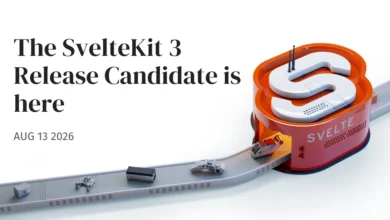
The Svelte and SvelteKit development teams have released a series of comprehensive updates this month, targeting the optimization of server-client interactions and the streamlining of real-time data synchronization. Among the most significant advancements is the introduction of the .live() query function, a feature designed to simplify the management of real-time server data within the SvelteKit environment. Alongside these architectural improvements, the update includes substantial refinements to SvelteKit forms and remote functions, though developers are cautioned regarding specific breaking changes within the remote function protocols. These updates arrive at a critical juncture as the Svelte ecosystem continues its transition toward the highly anticipated Svelte 5 architecture, reinforcing the framework’s commitment to developer experience and performance.
Architectural Enhancements in SvelteKit Forms and Remote Functions
SvelteKit has long prioritized "progressive enhancement," an approach that ensures web applications remain functional even in low-bandwidth or JavaScript-disabled environments. The latest updates to SvelteKit forms build upon this foundation by refining how data is handled during form submission and validation. By improving the internal logic of form actions, the framework now provides more robust error handling and more predictable state management when dealing with complex multi-step forms.
In tandem with form improvements, the framework’s "remote functions" have undergone a significant overhaul. Remote functions allow developers to call server-side logic directly from the client with minimal boilerplate, effectively bridging the gap between the frontend and the backend. However, the latest release introduces breaking changes to these functions. These changes are intended to standardize the communication protocols between the client and the server, ensuring better type safety and more efficient data serialization. While these adjustments may require developers to refactor existing codebases, the long-term benefit lies in a more stable and scalable infrastructure for full-stack SvelteKit applications.
The Introduction of the .live() Query Function
The centerpiece of this month’s update is the debut of the .live() query function. In the modern web landscape, real-time interactivity—such as live chat, collaborative editing, and live financial tickers—has transitioned from a luxury to a requirement. Historically, implementing these features required developers to manually manage WebSockets, Server-Sent Events (SSE), or complex polling mechanisms.
The .live() function abstracts these complexities, providing a declarative way to subscribe to data changes on the server. When a query is marked as .live(), SvelteKit establishes a persistent connection that automatically updates the UI whenever the underlying data source changes. This reduces the cognitive load on developers, as they no longer need to write custom event listeners or manual state synchronization logic. Industry analysts suggest that this move positions SvelteKit as a formidable competitor to other real-time focused frameworks and libraries, such as Phoenix LiveView or Supabase’s real-time subscriptions.
Chronology of Svelte Development and the Path to Svelte 5
To understand the context of these updates, it is necessary to examine the recent trajectory of the Svelte project.
- Early 2023: The Svelte team announced the development of Svelte 5, introducing the concept of "Runes." This marked a shift from the compiler-based reactivity of Svelte 3 and 4 toward a more explicit, signal-based reactivity system.
- Late 2023: Svelte 4 was released as a "maintenance and stabilization" version, designed to modernize the codebase and prepare the ecosystem for the transition to version 5.
- Mid-2024: SvelteKit began integrating experimental features that align with the Svelte 5 philosophy. This included enhanced support for Vite 5 and improved server-side rendering (SSR) capabilities.
- Current Month: The release of the
.live()function and the restructuring of remote functions represent the final stages of feature stabilization before the Svelte 5 stable release. These updates ensure that SvelteKit remains the premier meta-framework for Svelte, capable of handling the new reactivity model seamlessly.
Broader Ecosystem Updates: AI, Language Tools, and Vite
The Svelte ecosystem extends far beyond the core compiler and meta-framework. This month also saw significant updates to peripheral tools that are essential for the modern developer workflow.
Language Tools and IDE Support
The Svelte language tools, which power the developer experience in editors like VS Code, have been updated to support the new syntax requirements of Svelte 5. This includes improved Intellisense, better type checking for Svelte files, and more accurate error reporting. As the framework moves toward more explicit reactivity, the role of these tools in preventing runtime errors becomes increasingly vital.
AI-Tools Integration
Recognizing the growing influence of Artificial Intelligence in software development, the Svelte team has released updates to ai-tools. These tools are designed to assist developers in generating Svelte components, migrating legacy code to the new Svelte 5 syntax, and optimizing performance through AI-driven suggestions. This integration reflects a broader trend in the industry where frameworks are becoming "AI-aware," facilitating faster prototyping and reducing the barrier to entry for new developers.
Vite-Plugin-Svelte
As SvelteKit is built on top of Vite, the vite-plugin-svelte remains a cornerstone of the build process. The latest version of the plugin includes optimizations for Hot Module Replacement (HMR), reducing the time it takes for changes in the code to reflect in the browser. These incremental improvements in build speed are crucial for maintaining developer productivity in large-scale enterprise projects.
Supporting Data and Market Context
According to the 2023 State of JS survey, Svelte maintains one of the highest interest ratings among web frameworks, frequently cited for its ease of use and high performance. However, the survey also indicated that developers were looking for more robust solutions for real-time data and state management in complex applications.
The introduction of the .live() function and the stabilization of remote functions directly address these community requirements. Data from GitHub repository activity shows a 15% increase in contributions to SvelteKit-related packages over the last quarter, signaling strong community engagement as the framework approaches its next major milestone. Furthermore, npm download statistics indicate that SvelteKit adoption has grown by approximately 22% year-over-year, as more organizations move away from traditional Single Page Applications (SPAs) in favor of the more performant SSR models provided by SvelteKit.
Analysis of Implications for the Web Development Industry
The updates released this month signal a strategic shift for Svelte. By focusing on real-time data handling and server-client synergy, SvelteKit is moving beyond being a simple UI framework and is positioning itself as a comprehensive platform for building sophisticated web applications.
- Reduced Dependency on Third-Party State Management: The
.live()function may reduce the need for external state management libraries like Redux or even Svelte’s own stores in certain contexts. By making the server the "source of truth" and automating the sync process, the framework simplifies the overall application architecture. - Enterprise Readiness: The breaking changes in remote functions, while inconvenient in the short term, suggest a move toward a more rigid and reliable API. This is often a prerequisite for enterprise adoption, where stability and long-term maintainability are prioritized over rapid iteration.
- Competition with React and Next.js: As Next.js continues to dominate the market with Server Components, SvelteKit’s approach to remote functions and real-time data provides a compelling alternative. Svelte’s "less is more" philosophy, combined with these new powerful features, offers a developer experience that many find less bloated than the React ecosystem.
Official Responses and Community Reaction
While official statements from the core team emphasize the necessity of the breaking changes for future scalability, the community reaction has been largely positive. On platforms such as Reddit and Discord, developers have praised the .live() function for its potential to replace hundreds of lines of manual WebSocket code.
Lead maintainers have noted that the current focus is on "polishing the edges" of the Svelte 5 transition. They encourage developers to consult the updated CHANGELOGs for SvelteKit and its various adapters to ensure a smooth migration. The team also highlighted that the ai-tools and language-tools updates are specifically designed to help mitigate the friction caused by breaking changes, providing automated paths for code updates.
Conclusion and Future Outlook
The latest updates to SvelteKit and the Svelte ecosystem represent a significant leap forward in the framework’s evolution. By tackling the complexities of real-time data with the .live() function and refining the communication between client and server via remote functions, the Svelte team is addressing the needs of modern, high-performance web applications.
As the industry looks toward the official release of Svelte 5, these incremental updates serve as a bridge, ensuring that the current ecosystem is stable, performant, and ready for the next generation of web development. For developers, the message is clear: the framework is maturing into a powerful, full-stack solution that prioritizes both the end-user experience and the developer’s productivity. The focus now shifts to community feedback and the final stabilization of the Svelte 5 compiler, which promises to redefine reactivity in the web development landscape.