The acquisition of new computing hardware, particularly a device as eagerly anticipated as a new MacBook, typically ushers in a period of heightened productivity and digital convenience. Users often envision a pristine operating environment, free from the accumulated digital detritus of older machines, promising superior performance and a refreshed user experience. However, this initial bliss can sometimes be interrupted by unforeseen compatibility challenges, stemming from the intricate interplay between cutting-edge hardware, operating systems, and widely used streaming services. One such recently reported issue involves users encountering a "This video format is not supported" error message when attempting to access content on YouTube TV via a newly configured MacBook. This seemingly minor technical glitch underscores a broader narrative concerning digital rights management (DRM), browser integration, and the evolving landscape of online content consumption.
The User Experience: From Unboxing to Unexpected Error
The typical journey for a new MacBook owner begins with the meticulous unboxing, followed by a swift setup process. Apple’s ecosystem is renowned for its intuitive user interface and seamless integration, often leading users to expect an immediate, plug-and-play experience across all applications. After migrating essential data, installing preferred browsers, and logging into various online services, many users naturally turn to entertainment platforms. YouTube TV, a popular live television streaming service, represents a significant component of modern digital media consumption, offering a vast array of channels and on-demand content. It is at this juncture that the "This video format is not supported" error can manifest, transforming a moment of anticipated leisure into a perplexing technical roadblock.
This specific error message is particularly frustrating because it implies a fundamental incompatibility, leading users to question the capabilities of their brand-new, often high-spec, device. The expectation is that a modern MacBook, designed for demanding multimedia tasks, would inherently support standard video formats used by a major streaming platform like YouTube TV. The immediate impact is the inability to access desired live broadcasts or recorded shows, disrupting daily routines and diminishing the perceived value of both the new hardware and the subscription service.
Understanding the Technical Underpinnings: The Role of Widevine DRM
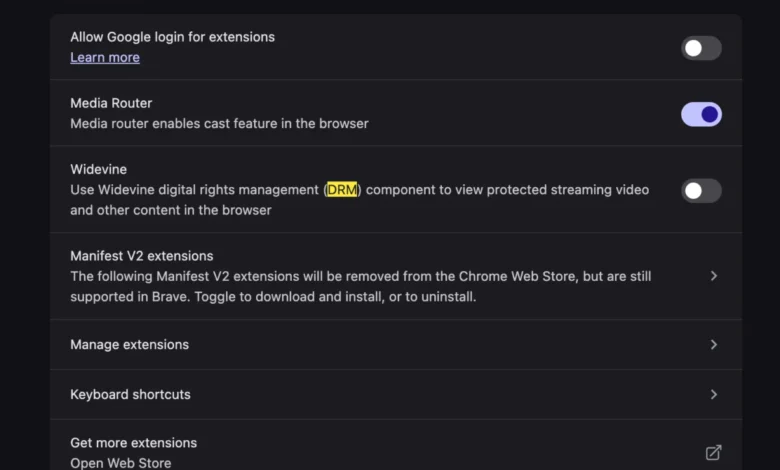
The root cause of this "video format not supported" error, as identified by users and subsequently confirmed by technical communities, lies not in a lack of support for a common video codec, but rather in the configuration of a crucial digital rights management (DRM) component known as Widevine. Developed by Google, Widevine is a proprietary DRM scheme widely utilized by numerous streaming services, including YouTube TV, Netflix, Amazon Prime Video, Hulu, Disney+, and others, to protect copyrighted content from unauthorized copying and distribution. It works by encrypting video streams and ensuring that they can only be decrypted and played back on authorized devices and software environments.
Widevine operates through a Content Decryption Module (CDM), which is typically integrated directly into web browsers. When a user accesses a streaming service that employs Widevine, the browser’s CDM interacts with the service to verify the user’s authorization and decrypt the video stream in real-time. This process is designed to be largely invisible to the end-user, providing a seamless viewing experience while upholding the content provider’s intellectual property rights. The challenge arises when this CDM is either not present, is outdated, or, critically, is disabled within the browser settings.
The Solution: Enabling Widevine in the Browser
For users encountering the "This video format is not supported" error on YouTube TV with a new MacBook, the solution typically involves manually enabling or ensuring the proper functioning of the Widevine CDM within their web browser. While the exact steps can vary slightly depending on the browser being used (e.g., Google Chrome, Mozilla Firefox, Microsoft Edge, or even Safari through specific extensions), the core principle remains consistent: allowing the browser to utilize the Widevine plugin for content decryption.

In browsers like Google Chrome, which has Widevine integrated by default, the issue often stems from privacy settings or a fresh installation that might inadvertently restrict certain functionalities. Users might need to navigate to their browser’s settings, specifically looking for options related to "Privacy and Security," "Site Settings," or "Content Settings." Within these sections, there is usually an option to manage "Protected content" or "Widevine Content Decryption Module," which needs to be explicitly enabled. For other browsers, verifying the presence and activation of the Widevine plugin or extension might be necessary. This manual intervention, though straightforward once identified, is often not immediately intuitive for the average user, who expects such fundamental capabilities to be enabled by default.
Historical Context and Evolution of Digital Rights Management
The emergence of DRM technologies like Widevine is a direct consequence of the digital revolution and the proliferation of internet-based content distribution. In the early days of digital media, content piracy was rampant, posing significant financial threats to movie studios, music labels, and software developers. The shift from physical media (CDs, DVDs) to digital downloads and, subsequently, streaming, necessitated robust mechanisms to control access and usage of copyrighted material.
Early DRM systems were often criticized for being overly restrictive, impacting legitimate users, and sometimes proving ineffective against determined pirates. Technologies such as Macrovision for VHS tapes, Content Scramble System (CSS) for DVDs, and various proprietary schemes for digital music (e.g., Apple’s FairPlay for iTunes downloads) represented initial attempts to secure content. However, these often led to compatibility headaches, poor user experiences, and a perception of inconvenience for paying customers.
Widevine, alongside other modern DRM solutions like Microsoft PlayReady and Apple FairPlay Streaming, represents a more advanced and widely adopted approach. These systems are designed to be more flexible, supporting a variety of devices and operating systems, and are integrated at a deeper level within browsers and operating systems. Their pervasive use underscores the entertainment industry’s unwavering demand for content protection as the primary enabler of their digital distribution models. Without effective DRM, content providers would be hesitant to make high-value content available on streaming platforms, fearing massive revenue losses.
The Broader Streaming Landscape and YouTube TV’s Position
YouTube TV, launched in 2017, has rapidly grown to become a significant player in the live TV streaming market. It offers a compelling alternative to traditional cable and satellite television, providing a comprehensive channel lineup, cloud DVR capabilities, and the flexibility of internet-based access. As of early 2024, YouTube TV boasts millions of subscribers, making it one of the largest live TV streaming services in the United States. Its success is predicated on delivering a reliable and high-quality streaming experience across a diverse range of devices, from smart TVs and gaming consoles to mobile phones and personal computers.
The reliance on DRM technologies like Widevine is non-negotiable for services like YouTube TV. Content licensing agreements with major broadcasters and media companies invariably stipulate stringent DRM requirements. These agreements ensure that the content is protected at every stage of its delivery, from the server to the end-user’s screen. Any failure in the DRM chain, even a seemingly minor browser setting, can lead to a breach of these agreements, potentially resulting in content providers withdrawing their offerings. Therefore, while user convenience is paramount, content security remains a foundational requirement for the operation of any legitimate streaming service.
Implications for Hardware Manufacturers, Software Developers, and Users
The "This video format is not supported" error on a new MacBook, though easily remedied, highlights several critical implications for various stakeholders in the technology ecosystem:

-
For Hardware Manufacturers (e.g., Apple): While Apple designs its hardware for optimal performance and user experience, the integration of third-party software components, especially those related to content protection, can introduce complexities. New hardware iterations or operating system updates can sometimes lead to unforeseen interactions with established software standards. Apple’s commitment to user privacy, for instance, sometimes leads to stricter default permissions, which might inadvertently disable features like Widevine’s CDM if not explicitly configured during the initial setup or by the user. This incident serves as a reminder of the continuous need for robust testing and collaboration with major software and content providers to ensure seamless compatibility out-of-the-box.
-
For Browser Developers (e.g., Google Chrome, Mozilla Firefox, Microsoft Edge, Apple Safari): Browser developers are caught in a delicate balancing act. They must provide users with powerful, secure, and privacy-respecting tools while also supporting the functionalities demanded by the modern web, including protected content playback. The integration of DRM components like Widevine into browsers is a complex engineering task, requiring careful attention to security vulnerabilities, performance implications, and user control. Default settings often aim for a balance, but sometimes err on the side of caution or privacy, necessitating user intervention. The prevalence of such errors underscores the need for clearer user messaging and potentially more intuitive setup wizards for critical components that enable widespread web functionality.
-
For Content Providers (e.g., Google/YouTube TV): Streaming services strive for universal accessibility. An error like this, even if browser-specific, can lead to user frustration and increased support queries. Google, as both the developer of Widevine and the operator of YouTube TV, has a vested interest in ensuring that the DRM works flawlessly across all supported devices and browsers. Such incidents highlight the importance of proactive troubleshooting guides, clear error messages that point to specific solutions (rather than generic "format not supported"), and potentially even in-app diagnostics to help users resolve common issues.
-
For End-Users: The primary implication for users is the unexpected friction in what should be a straightforward experience. While tech-savvy individuals might quickly diagnose and resolve the issue, many users may lack the technical knowledge to understand "Widevine" or how to enable a "Content Decryption Module." This can lead to significant frustration, wasted time, and a diminished perception of their new device’s capabilities or the streaming service’s reliability. It underscores the ongoing digital literacy gap and the need for user-friendly interfaces and support resources that demystify underlying technical processes.
Moving Forward: Enhancing User Experience and Collaboration
The incident of the "video format not supported" error on new MacBooks accessing YouTube TV, resolved by enabling Widevine, is a micro-example of macro challenges in the digital ecosystem. It highlights the constant tension between security and convenience, privacy and functionality, and the complex interdependencies between hardware, operating systems, browsers, and streaming platforms.
To mitigate such issues in the future, several approaches could be considered:
- Improved Default Configurations: Browser developers could explore more intelligent default configurations for new installations, perhaps prompting users about protected content playback during the initial setup phase.
- Enhanced Error Messaging: Streaming services and browsers could collaborate to provide more specific and actionable error messages. Instead of a generic "format not supported," a message like "Protected content module (Widevine) disabled. Please enable in browser settings for playback" would be far more helpful.
- Proactive User Education: More widespread education campaigns, perhaps integrated into new device setup guides or streaming service onboarding processes, could inform users about the necessity of DRM components and how to manage them.
- Cross-Industry Collaboration: Continuous and robust collaboration between hardware manufacturers, operating system developers, browser creators, and content providers is crucial. Regular testing cycles for new hardware and software releases can help identify and address compatibility issues before they reach a broad user base.
In conclusion, while the initial joy of a new MacBook is often a highlight for tech enthusiasts and casual users alike, the digital landscape remains a complex web of interconnected technologies. The "This video format is not supported" error, quickly remedied by a simple browser setting, serves as a poignant reminder that even the most advanced hardware requires a harmonious ecosystem of software components to deliver the seamless experience users have come to expect and demand. The ongoing evolution of digital rights management and streaming technologies will undoubtedly present new challenges, but also new opportunities for innovation in user experience and content delivery.