RubyMine 2026.2: Agentic Debugging, Native GitHub Copilot Integration, Default Symbol-Based Code Insight, and More

JetBrains has officially released RubyMine 2026.2, a significant update that introduces a suite of advanced features poised to redefine the development experience for Ruby and Rails professionals. Headlining the release are groundbreaking innovations in AI-powered debugging, seamless integration with GitHub Copilot, expanded support for third-party AI completion providers, and a foundational shift to symbol-based code insight enabled by default. These enhancements aim to boost developer productivity, streamline complex workflows, and foster a more intelligent and efficient coding environment.
The Evolution of Ruby Development and IDEs

Ruby, particularly with its powerful Rails framework, continues to hold a vital position in the web development landscape, cherished for its elegance, developer-friendliness, and robust ecosystem. For years, Integrated Development Environments (IDEs) like RubyMine have been indispensable tools, transforming raw code into structured, navigable, and debuggable projects. They offer more than just text editing; they provide intelligent assistance, code analysis, debugging tools, and seamless integration with version control and testing frameworks. As software projects grow in complexity and development cycles shorten, the demand for more sophisticated and intuitive IDE features intensifies. This latest release from JetBrains underscores a broader industry trend towards leveraging artificial intelligence to augment human capabilities, addressing long-standing challenges in software creation and maintenance.
Unlocking New Frontiers with AI-Powered Development
The 2026.2 release marks a pivotal moment in RubyMine’s journey, heavily emphasizing artificial intelligence to elevate core development tasks. The integration of AI is not merely superficial; it delves into the very fabric of how developers interact with their code, offering intelligent assistance that ranges from predictive completion to autonomous problem investigation.

Agentic Debugging: A Paradigm Shift in Problem Solving
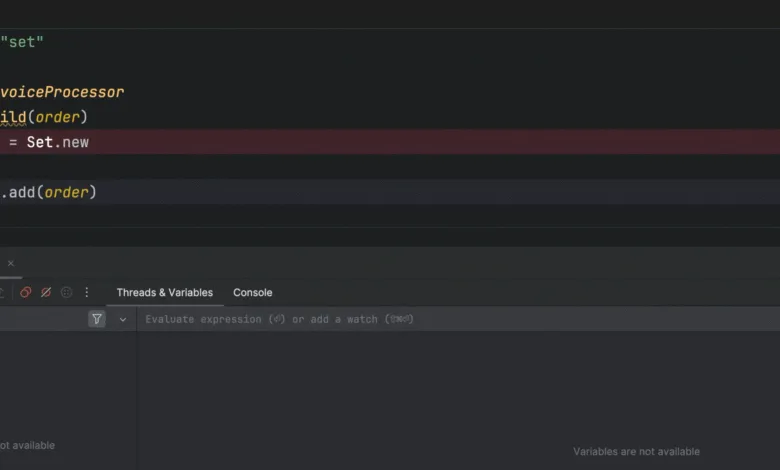
Perhaps the most revolutionary feature introduced in RubyMine 2026.2 is Agentic Debugging. Traditionally, debugging has been a meticulous, time-consuming process involving manual step-throughs, breakpoint management, and careful inspection of runtime states. This often requires developers to possess deep domain knowledge and considerable patience to trace the root cause of an issue. Agentic debugging fundamentally alters this paradigm by empowering an AI agent to autonomously investigate problems within the RubyMine debugger.
This innovative capability is powered by what JetBrains terms "bundled skills"—predefined workflows that grant compatible AI agents access to specific IDE functionalities. RubyMine 2026.2 notably includes the new rubymine-debugger skill. This skill allows the AI agent to independently launch debug sessions, scrutinize runtime states, and analyze application behavior. The profound implication here is the AI’s ability to identify subtle issues that might be obscure or difficult to discern from source code or logs alone. This not only significantly reduces the manual effort involved in debugging but also potentially uncovers complex interactions and edge cases that human eyes might miss. Industry analysts suggest that this form of AI-driven problem-solving could cut debugging time by up to 30% for certain classes of bugs, freeing developers to focus on feature development and architectural improvements rather than tedious fault isolation.
Native GitHub Copilot Integration: Seamless AI Assistance
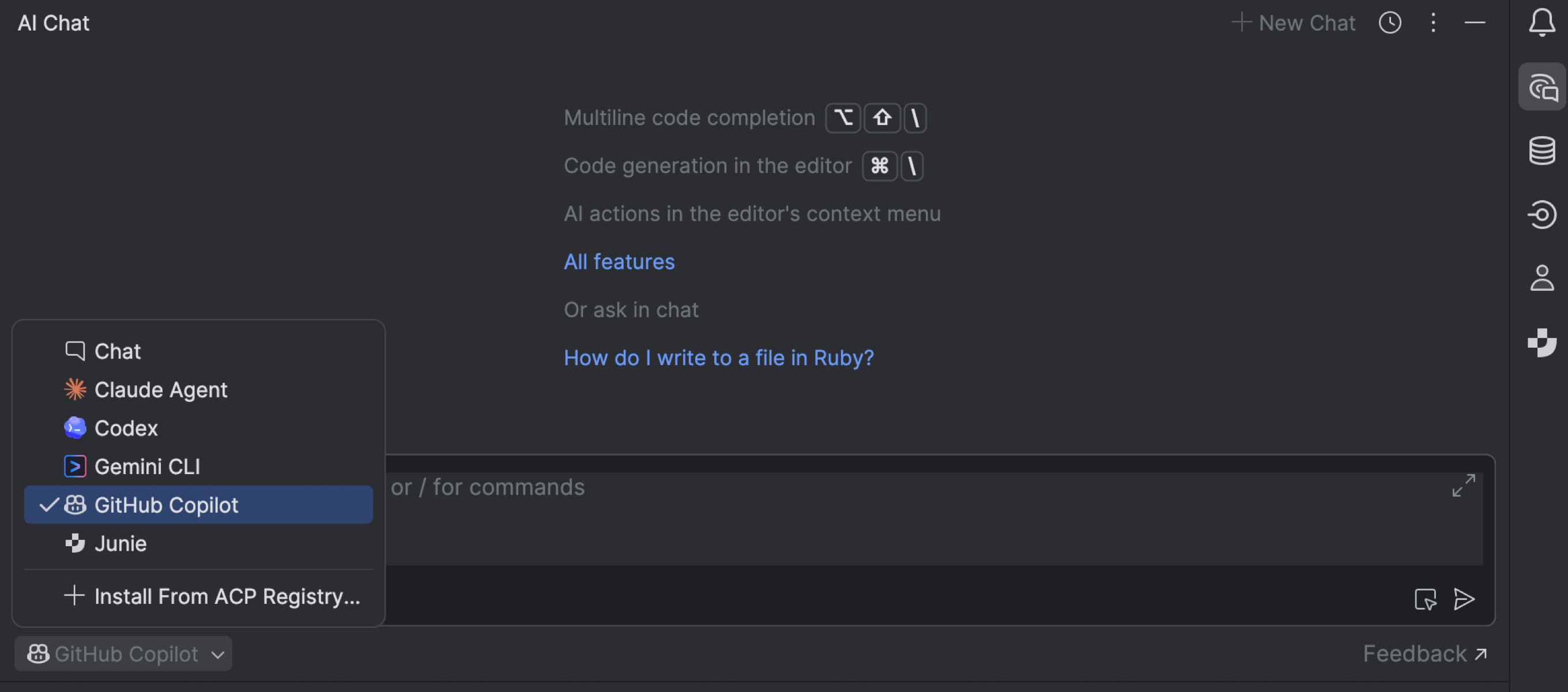
Building on its commitment to integrate cutting-edge AI tools, RubyMine 2026.2 now features native GitHub Copilot integration. GitHub Copilot, since its initial release, has rapidly become a ubiquitous AI pair programmer, assisting millions of developers worldwide with code suggestions, function generation, and boilerplate reduction. The "native" aspect of this integration means Copilot is now built directly into RubyMine, accessible from the IDE’s AI chat interface.
This partnership with Microsoft signifies a strategic alignment to provide developers with a unified and optimized AI experience. Users can simply select "GitHub Copilot" from the agent selector within the AI chat, authenticate with their GitHub account, and immediately leverage its capabilities without needing external plugins or workarounds. This seamless integration ensures a smoother workflow, enhanced performance, and a more cohesive AI-assisted coding environment, allowing developers to switch effortlessly between RubyMine’s built-in intelligent features and Copilot’s generative AI suggestions.
Expanding AI Horizons with Third-Party Providers
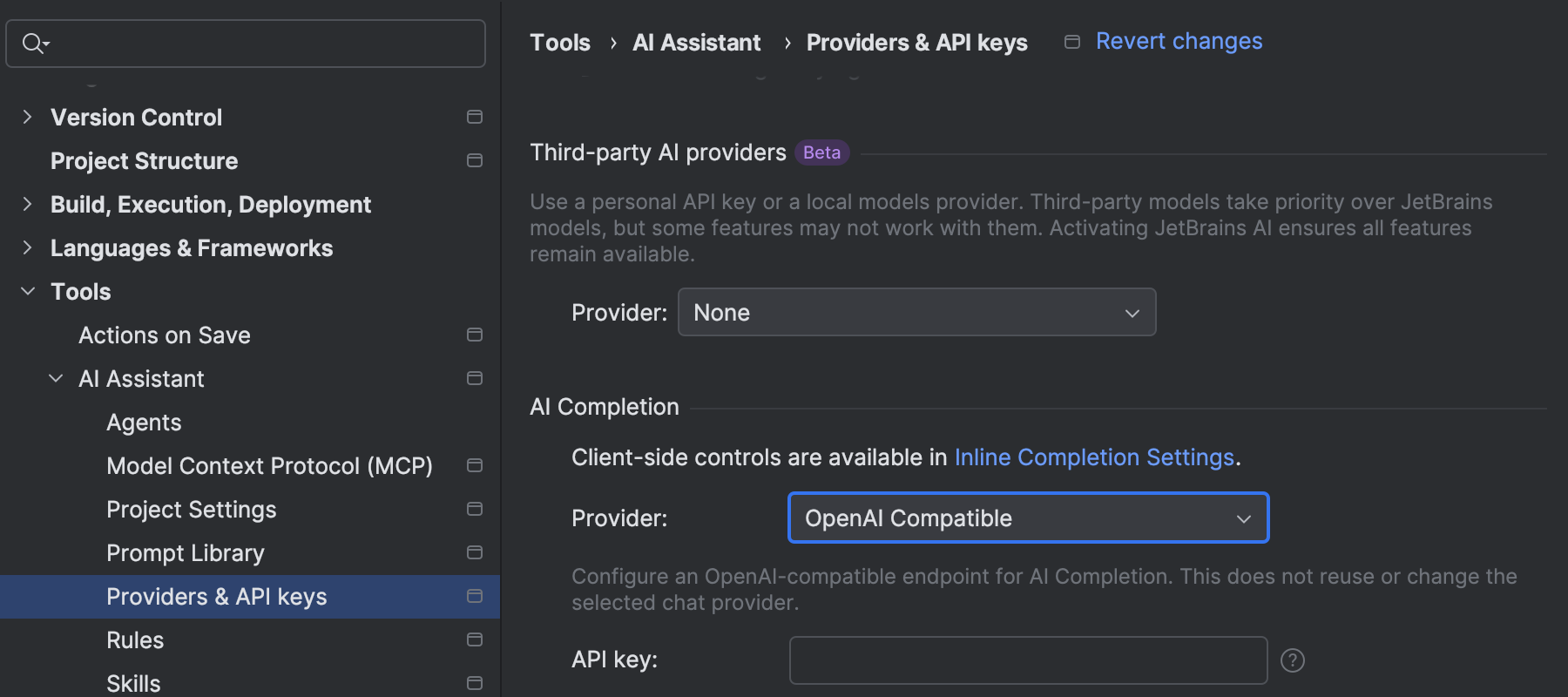
Beyond its native integrations, RubyMine 2026.2 also extends its AI capabilities by enabling AI completion with third-party providers. While AI-based code completion has been a staple for JetBrains AI users, offering inline suggestions and next-edit predictions without consuming AI credits, this update grants developers unprecedented flexibility. Users can now integrate their own OpenAI-compatible model providers for AI completion. This is particularly significant for enterprises with specific data privacy requirements, internal AI models, or preferences for specialized language models. The ability to "bring your own AI model" allows organizations to tailor their development workflow to their unique needs, ensuring that their preferred AI models are seamlessly integrated into the RubyMine environment. This move reflects a broader industry trend towards open and customizable AI ecosystems, empowering users with greater control over their AI tooling.
Smarter Code Insight: The Foundation of Intelligent Development
A fundamental aspect of any powerful IDE is its ability to "understand" code. RubyMine 2026.2 makes a significant leap in this area by enabling its new symbol-based code insight engine by default. First introduced as an experimental feature in RubyMine 2026.1, this engine represents a paradigm shift in how the IDE parses and interprets Ruby code.
Enhanced Accuracy and Future-Proofing
The previous engine relied more on syntactic analysis; the new symbol-based engine delves deeper, understanding the semantic relationships between classes, modules, constants, methods, and variables. This allows RubyMine to build a more accurate and comprehensive model of the codebase, which translates directly into superior navigation, more precise documentation, and more reliable refactoring capabilities. This foundational improvement is not just about immediate gains; it also serves as a robust platform for future enhancements, enabling JetBrains to develop even more sophisticated intelligent features down the line.
The immediate benefits are palpable across several core IDE functions:
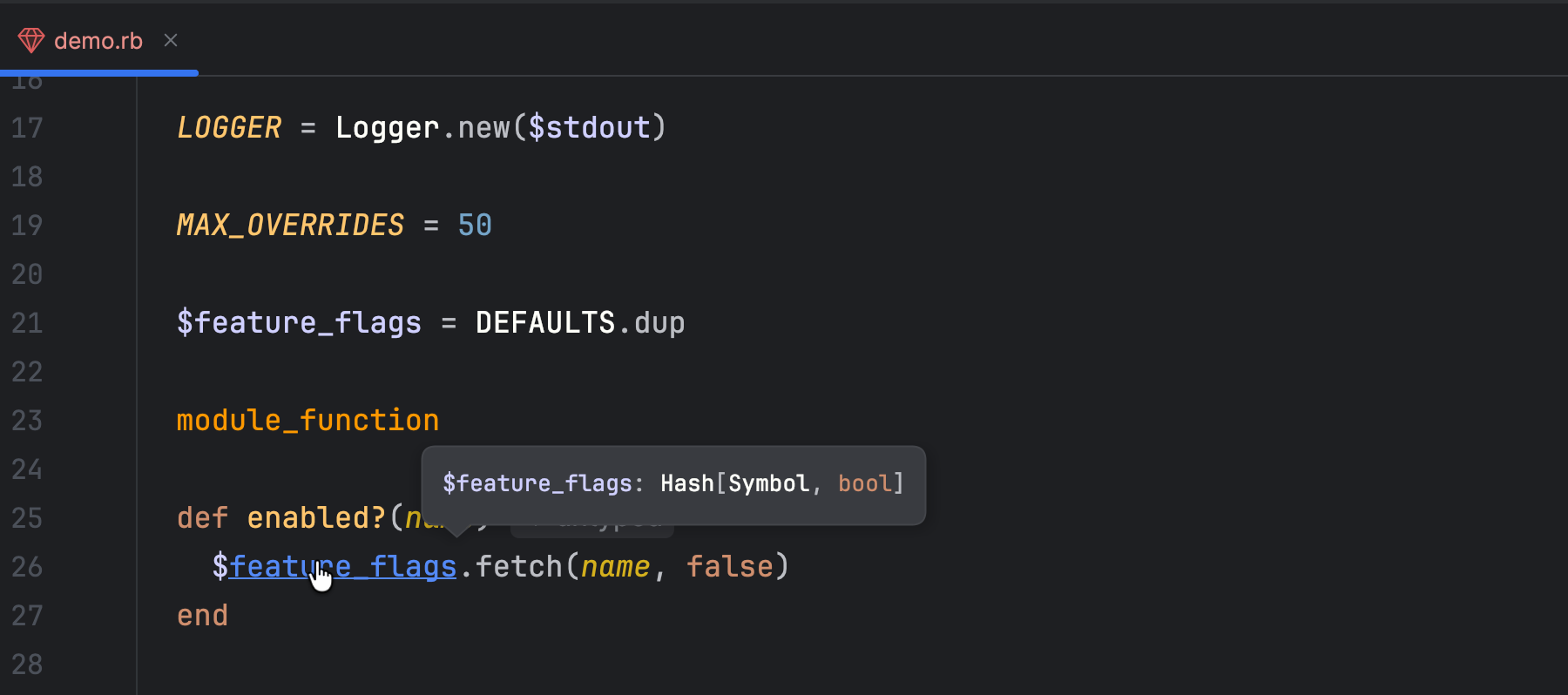
- Richer Quick Documentation: The
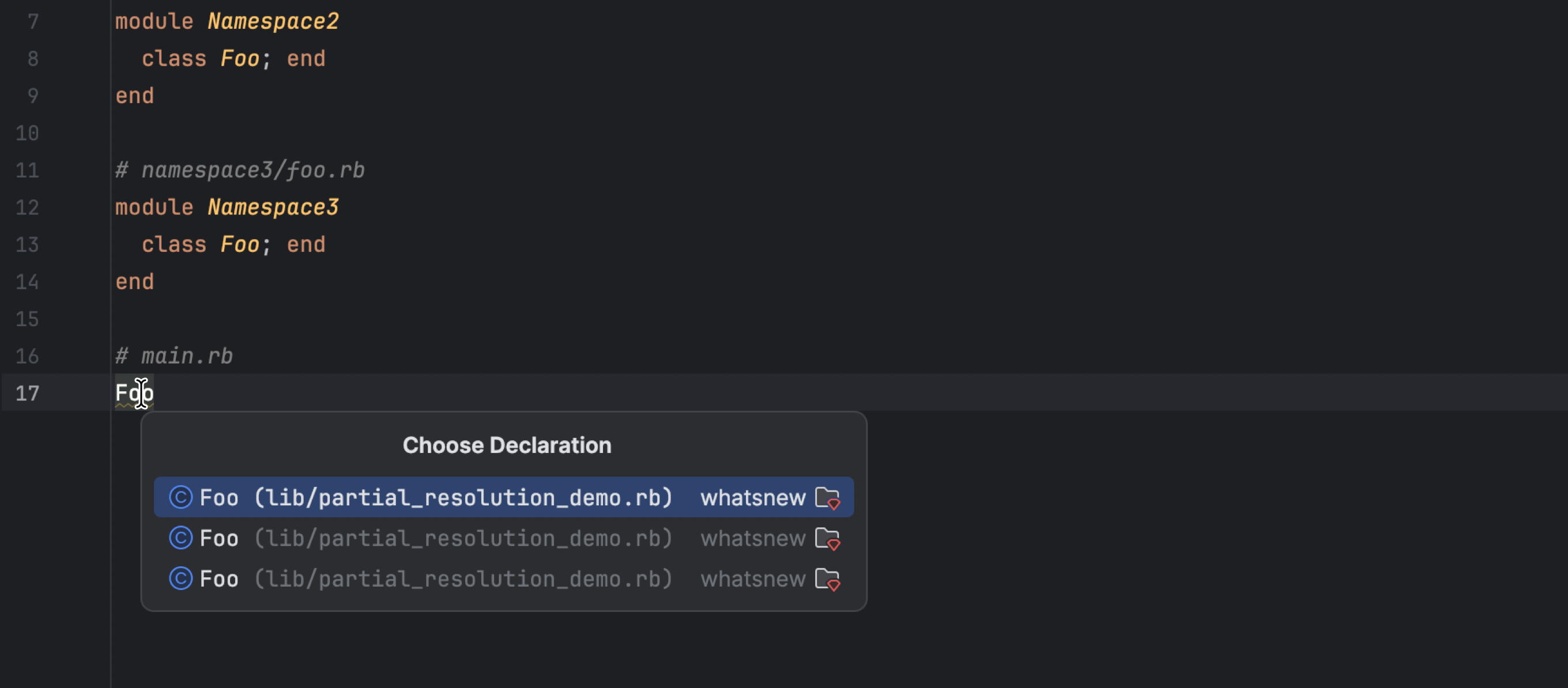
Quick Documentationfeature now presents definitions with greater clarity and, crucially, displays additional type information whenever available. This is particularly valuable in Ruby’s dynamic typing environment, helping developers quickly grasp the expected data types and method signatures without resorting to extensive code exploration. Furthermore,Ctrl/Cmd+Hoverhas been made more informative, now showing type information for a wider range of Ruby symbols, including constants and global variables, significantly reducing cognitive load. - Better Support for Partially Resolved Code: One of the perennial challenges in large, evolving codebases is dealing with partially resolved or incomplete code. RubyMine 2026.2 addresses this by ensuring that even if a class, module, or constant cannot be fully resolved (e.g., due to missing dependencies or incomplete declarations), critical features like
Go to Declaration,Find Usages,Rename, andQuick Documentationcontinue to function effectively, leveraging any meaningful information available. This resilience enhances productivity even in complex or transitional development phases. - Accurate Parameter Definitions: The symbol-based modeling has been extended to parameter definitions, yielding both performance improvements and increased accuracy. Developers will notice more reliable
Renamerefactoring for parameters, better fuzzy completion suggestions, and smarter handling of complex names embedded within string literals. For those who prefer the previous implementation, the option to revert remains available inSettings | Languages & Frameworks | Ruby | Code Insight.
Robust Support for the Ruby Ecosystem
Beyond core IDE functionalities, RubyMine 2026.2 solidifies its commitment to the broader Ruby ecosystem with targeted improvements that address common developer pain points and facilitate smoother workflows.
Enhanced RBS Experience
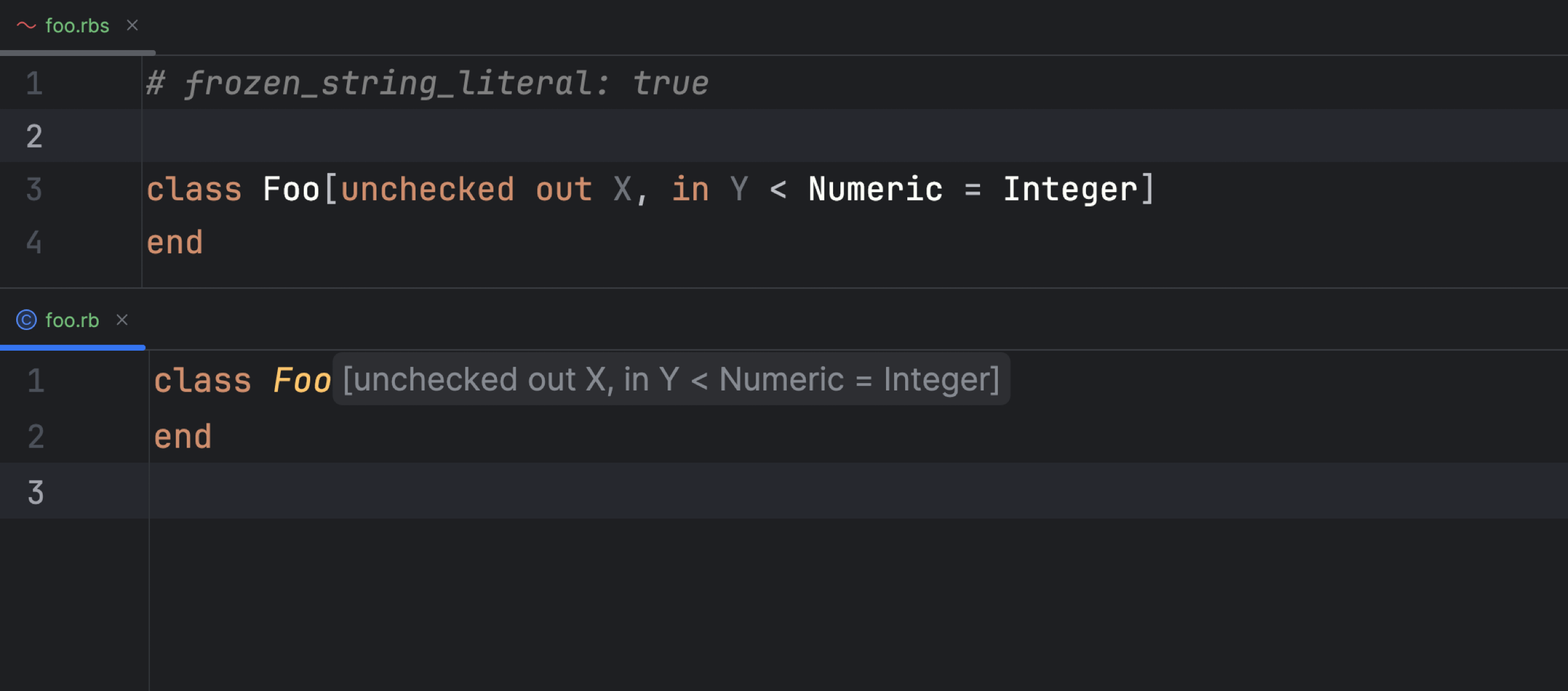
RBS (Ruby Type Signature) is an increasingly vital component for type checking and static analysis in Ruby, especially for larger, more complex applications where type safety can prevent subtle bugs and improve maintainability. RubyMine 2026.2 brings several improvements to the RBS experience. While specific details in the original announcement were limited, these enhancements typically involve better parsing and understanding of RBS files, more accurate type inference, improved navigation between Ruby code and its corresponding RBS signatures, and more intelligent code completion based on type definitions. Such improvements enable developers to leverage the full power of static analysis, leading to more robust and error-free Ruby applications.
Expanded RSpec 4 Support
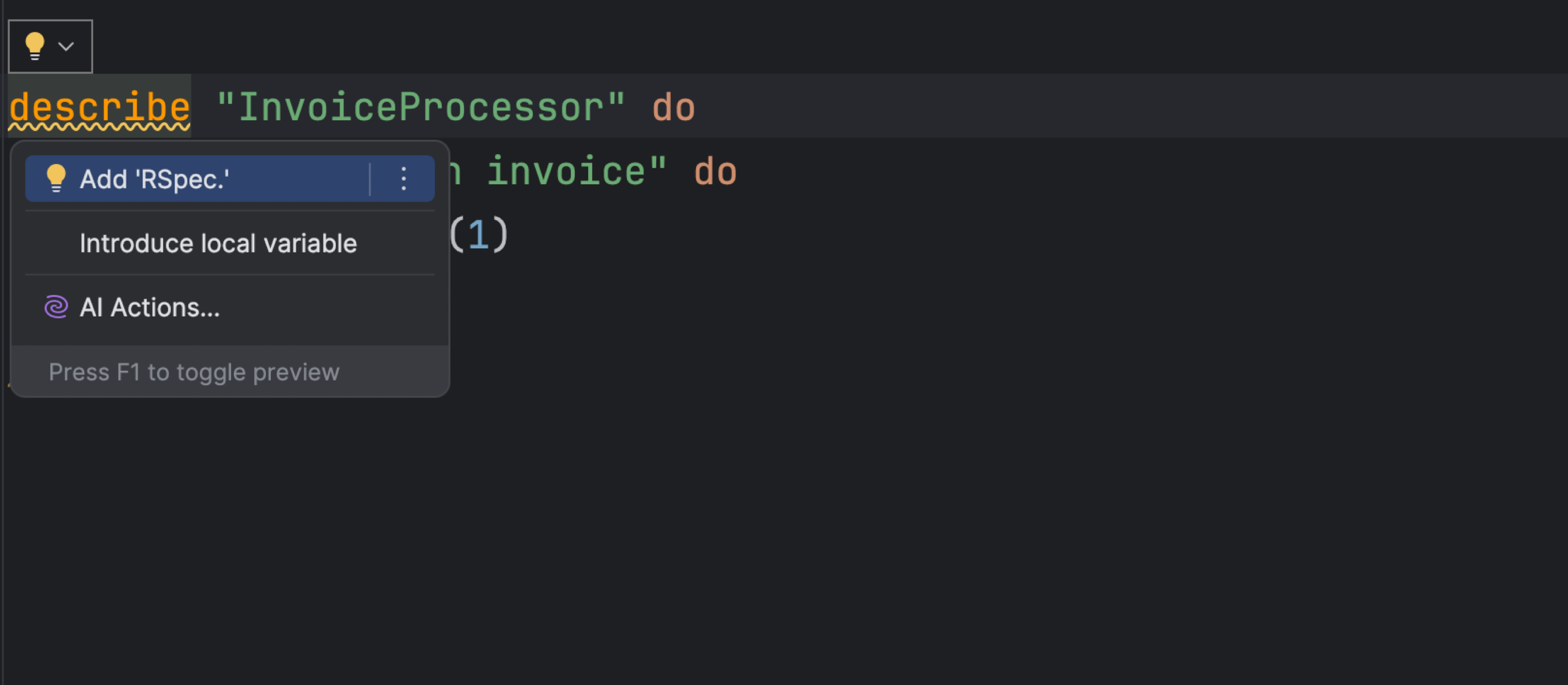
RSpec remains the dominant testing framework within the Ruby community, crucial for ensuring code quality and reliability. Migrating large, established test suites to newer versions can be a daunting task. RubyMine 2026.2 significantly simplifies this by offering broader support for RSpec 4. The IDE now intelligently detects deprecated syntax, highlights compatibility issues, and provides quick-fixes for common upgrade scenarios. Inspections have been expanded to cover top-level DSL declarations, deprecated should expectations, and other breaking changes introduced in RSpec 4. This proactive assistance empowers developers to modernize their test suites with greater ease and confidence, preventing compatibility problems from escalating into major roadblocks.
Streamlined Debugging with Non-Project Code Skipping
Debugging often involves stepping through vast amounts of code, much of which belongs to framework internals, standard libraries, or third-party gems rather than the developer’s own application logic. This can lead to inefficient and frustrating debugging sessions. RubyMine 2026.2 addresses this with a significantly improved "Ignore non-project sources" option during debugging. This feature now works much more reliably, automatically skipping Ruby standard library code, framework internals (like Rails), third-party gems, and explicitly excluded directories. The result is a much cleaner debugging experience, allowing developers to stay focused exclusively on their own application code, leading to less manual stepping and faster problem identification.
User Experience Enhancements: Polish and Performance
Beyond the headline features, RubyMine 2026.2 includes several refinements aimed at improving the overall user experience, focusing on performance, responsiveness, and ease of use.
- Faster Gem Environment Updates: Maintaining a responsive IDE is paramount for developer flow. Gem environment refreshes, which can sometimes be resource-intensive, now occur in the background. This crucial optimization reduces UI freezes and keeps RubyMine responsive, allowing developers to continue working without interruption while SDK and dependency information is updated.
- Simpler Project Opening: The initial setup process for new or existing projects can often be a source of friction. RubyMine 2026.2 simplifies this by automatically detecting the appropriate Ruby interpreter from project configuration files. This intelligent auto-detection minimizes unnecessary setup notifications and helps developers get started faster, reducing the initial hurdle for new projects or when onboarding new team members.
- More Efficient RuboCop Processing: RuboCop, the popular Ruby static code analyzer and formatter, is an integral part of maintaining code quality. RubyMine’s background RuboCop analysis has been optimized to reduce unnecessary CPU usage. This improvement enhances overall IDE responsiveness during everyday development, ensuring that code analysis runs efficiently without impacting performance.
Broader Impact and Implications
The release of RubyMine 2026.2 represents more than just a collection of new features; it signifies a strategic direction for JetBrains and the broader software development industry. The heavy emphasis on AI, particularly agentic debugging and native Copilot integration, suggests a future where intelligent agents become indispensable partners in the development process, not just passive tools. This shift could lead to:
- Increased Developer Productivity: By automating tedious tasks like debugging and code generation, developers can allocate more time to creative problem-solving, architectural design, and strategic thinking.
- Lowered Barrier to Entry: Advanced debugging and code analysis techniques, often requiring years of experience, become more accessible through AI assistance.
- Enhanced Code Quality and Reliability: More accurate code insight and proactive detection of issues (like RSpec 4 incompatibilities) contribute to higher quality, more maintainable software.
- Competitive Edge: RubyMine maintains its leadership position by integrating cutting-edge technologies, ensuring Ruby developers have access to the most advanced tools available.
- Evolution of the Developer Role: As AI handles more routine coding and debugging, the developer’s role may evolve towards higher-level design, integration, and oversight of AI-assisted processes.
A spokesperson for JetBrains, commenting on the release, emphasized the company’s dedication to evolving developer tools to meet the demands of modern software engineering. "Our goal with RubyMine 2026.2 was to empower Ruby developers with intelligent agents that can act as true partners, handling complex tasks like debugging while maintaining the familiar, intuitive experience our users expect," the spokesperson stated. "The native integration of GitHub Copilot and the foundational improvements to our code insight engine are testaments to our commitment to innovation and collaboration within the developer community."
Looking Ahead
RubyMine 2026.2 is available for download from the official JetBrains website and can also be updated via the JetBrains Toolbox App. Developers are encouraged to explore these new capabilities, share their feedback, and contribute to the ongoing evolution of the IDE through the issue tracker. This release solidifies RubyMine’s position as a leading IDE for Ruby and Rails development, offering a glimpse into a future where AI and human ingenuity combine to create software with unprecedented efficiency and intelligence.