Headlamp Unveils Transformative Cluster API Plugin, Streamlining Kubernetes Lifecycle Management with Enhanced Visual Control

London, UK – June 25, 2026 – The Headlamp project, a leading open-source Kubernetes SIG UI, has announced the release of a significant new plugin designed to simplify the intricate process of managing Kubernetes clusters provisioned via Cluster API (CAPI). Developed by Chayan Das as part of the prestigious CNCF LFX Mentorship program, this new Cluster API plugin for Headlamp promises to revolutionize how platform teams interact with their declarative cluster infrastructure, moving beyond the traditionally complex kubectl command-line interface to a intuitive, visual environment.
The introduction of this plugin marks a pivotal moment for operations teams grappling with the increasing scale and complexity of modern Kubernetes deployments. By integrating a comprehensive suite of visual tools directly into the Headlamp dashboard, the plugin aims to enhance visibility, accelerate debugging, and streamline the day-to-day management of Kubernetes clusters, making advanced cluster lifecycle management more accessible and efficient.
The Evolving Landscape of Kubernetes Management and the Rise of Cluster API
Kubernetes has firmly established itself as the de facto standard for container orchestration, underpinning critical applications and services across industries. Its declarative nature, scalability, and robust ecosystem have driven its widespread adoption, but with this power comes inherent complexity, particularly at scale. Managing a single Kubernetes cluster can be challenging, but managing dozens or even hundreds of clusters across diverse environments—hybrid cloud, multi-cloud, edge—presents a monumental operational hurdle.
This is where Cluster API (CAPI) emerged as a critical innovation. As a Kubernetes sub-project, CAPI extends the declarative principles of Kubernetes to the very creation and lifecycle management of the clusters themselves. It allows platform teams to define Kubernetes clusters using standard Kubernetes objects (like Cluster, MachineDeployment, Machine, KubeadmControlPlane), which are then reconciled by CAPI controllers running in a "management cluster." This approach brings consistency, automation, and GitOps methodologies to cluster provisioning, upgrading, and scaling, moving away from bespoke scripts and manual interventions.
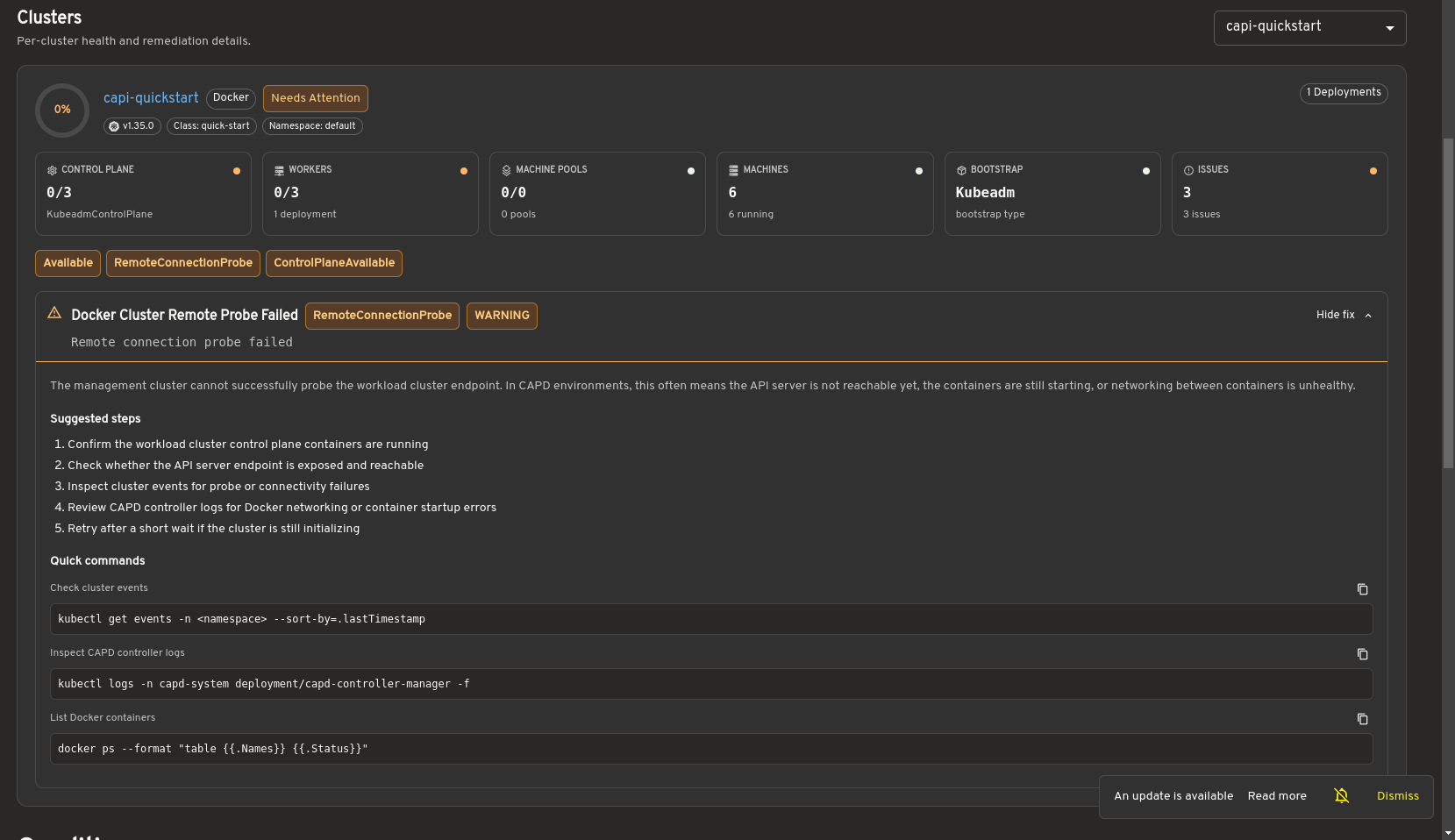
However, while CAPI elegantly solves the problem of declarative cluster lifecycle management, its operational interface has historically remained rooted in the command line. Operators and platform engineers have had to rely heavily on raw kubectl commands, often combined with extensive YAML manifest inspection, to understand the state, health, and relationships between various CAPI resources. This command-line-centric approach, while powerful for experts, introduces a steep learning curve, increases the potential for human error, and can significantly slow down debugging and operational tasks, especially when dealing with complex ownership hierarchies and distributed resources.
Headlamp: A Vision for Simplified Kubernetes Interaction
Headlamp was conceived to address this very challenge of Kubernetes operational complexity. As an open-source, extensible Kubernetes SIG UI project, Headlamp provides a web-based interface that allows users to explore, manage, and debug cluster resources directly from a browser. Its design philosophy centers on user experience, offering visual representations of Kubernetes objects, their relationships, and their real-time status, thereby democratizing access to Kubernetes for a broader audience, from seasoned SREs to developers.

The extensible nature of Headlamp, through its plugin architecture, has been a cornerstone of its strategy, allowing the community and individual contributors to build specialized tools that cater to specific use cases within the Kubernetes ecosystem. The new Cluster API plugin is a prime example of this extensibility in action, filling a crucial gap in the management of CAPI-provisioned clusters.
The Cluster API Plugin: A Deep Dive into Enhanced Visual Control
The Headlamp Cluster API plugin is not merely a superficial overlay; it provides deep integration and a comprehensive set of features designed to bring unparalleled visual clarity and operational efficiency to CAPI management. Upon installation, the plugin introduces a dedicated Cluster API section within Headlamp, offering full visibility into core CAPI resources through consistent list and detail views.
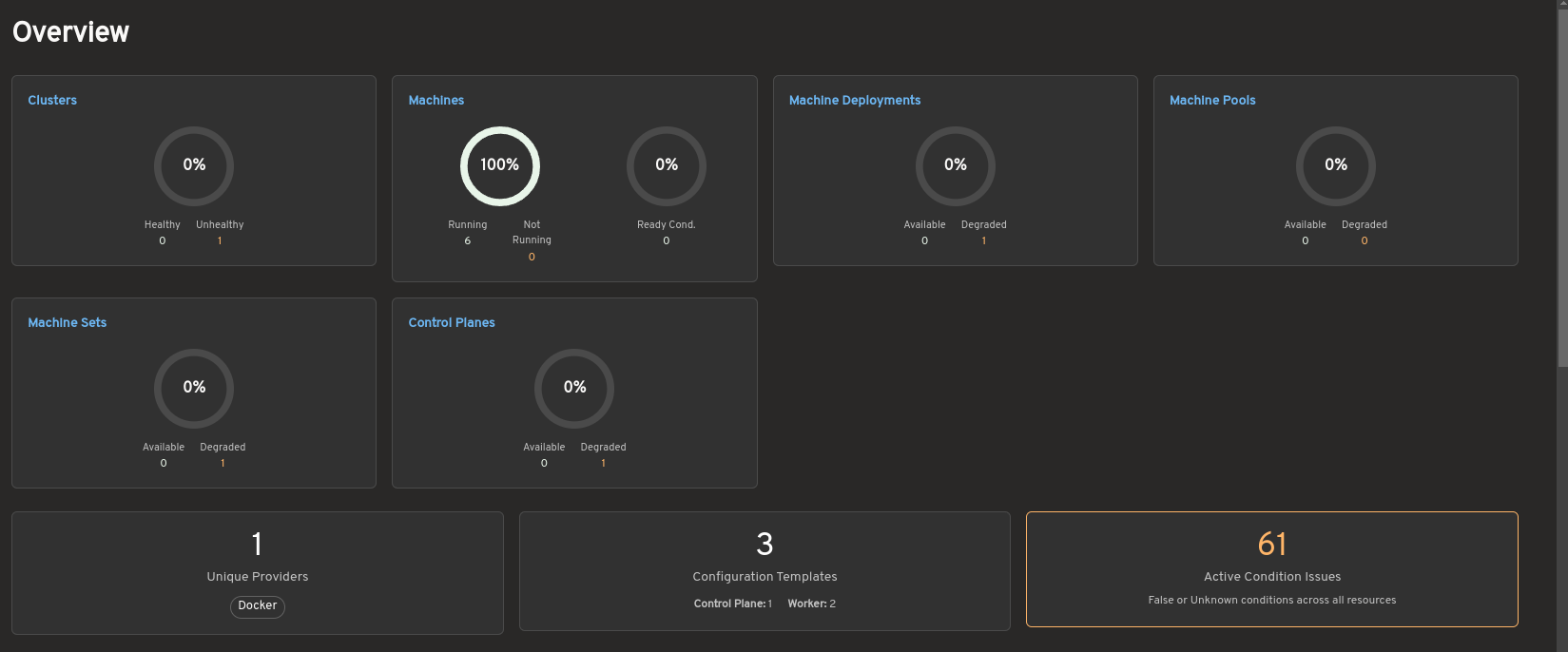
Among its most impactful features, the plugin introduces a Cluster API Dashboard, serving as a centralized hub for monitoring the health and status of all CAPI resources across the management cluster. This dashboard provides immediate insights into the status of clusters, Machines, MachineDeployments, MachinePools, MachineSets, and control planes. Crucially, it highlights active condition issues, provider information, and configuration template counts, enabling operators to quickly identify degraded or unhealthy resources and prioritize remediation efforts. When issues are detected, the dashboard goes a step further, offering contextual remediation guidance and diagnostic commands directly within the UI, significantly shortening the mean time to resolution (MTTR).
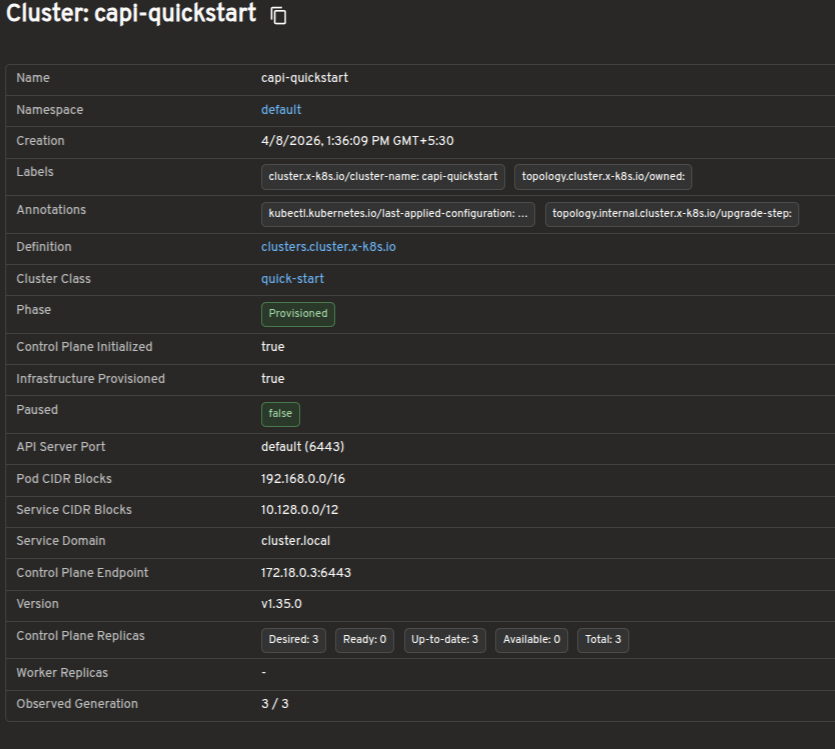
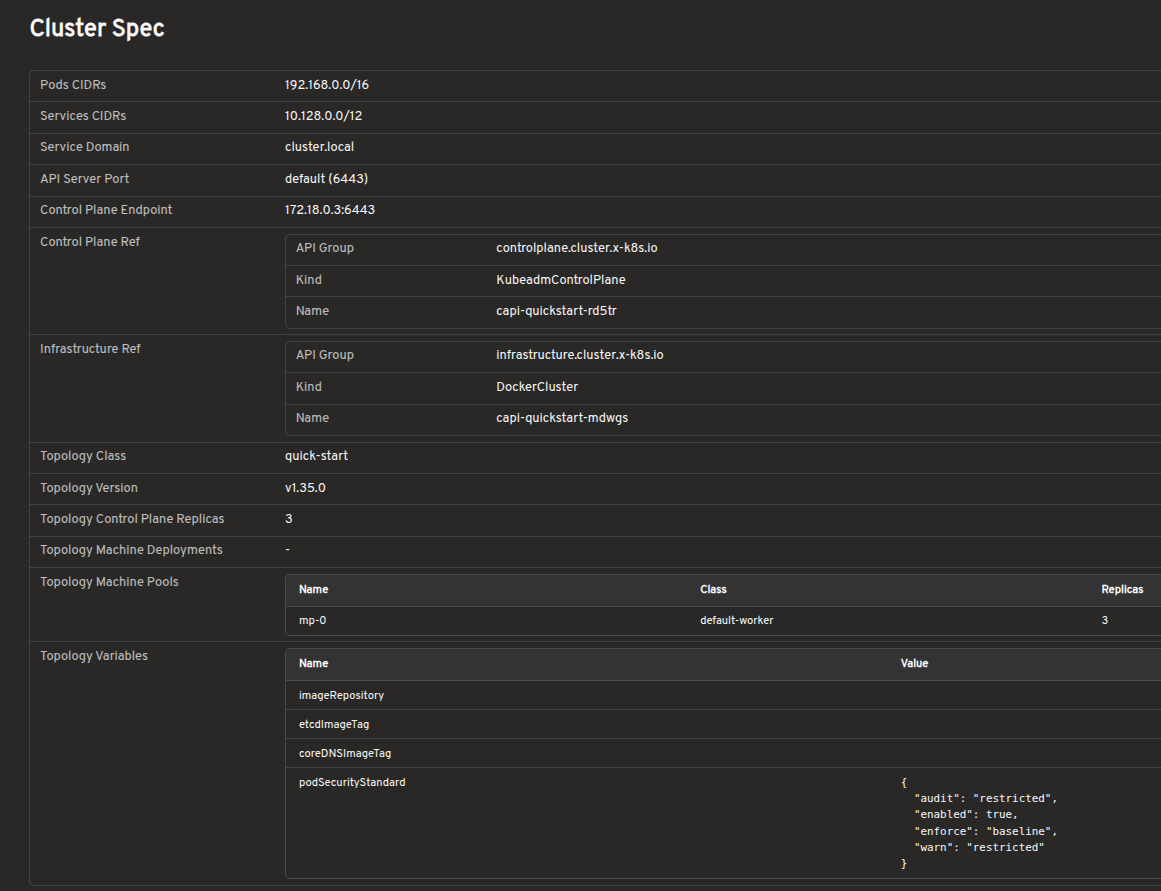
For granular insights, the Cluster List View provides an at-a-glance understanding of overall cluster health, including live control plane and worker replica status. Drilling down, the Cluster Detail View aggregates resource status, conditions, infrastructure references, control plane references, and related Machines onto a single page, eliminating the need to cross-reference multiple kubectl outputs or delve into raw YAML.
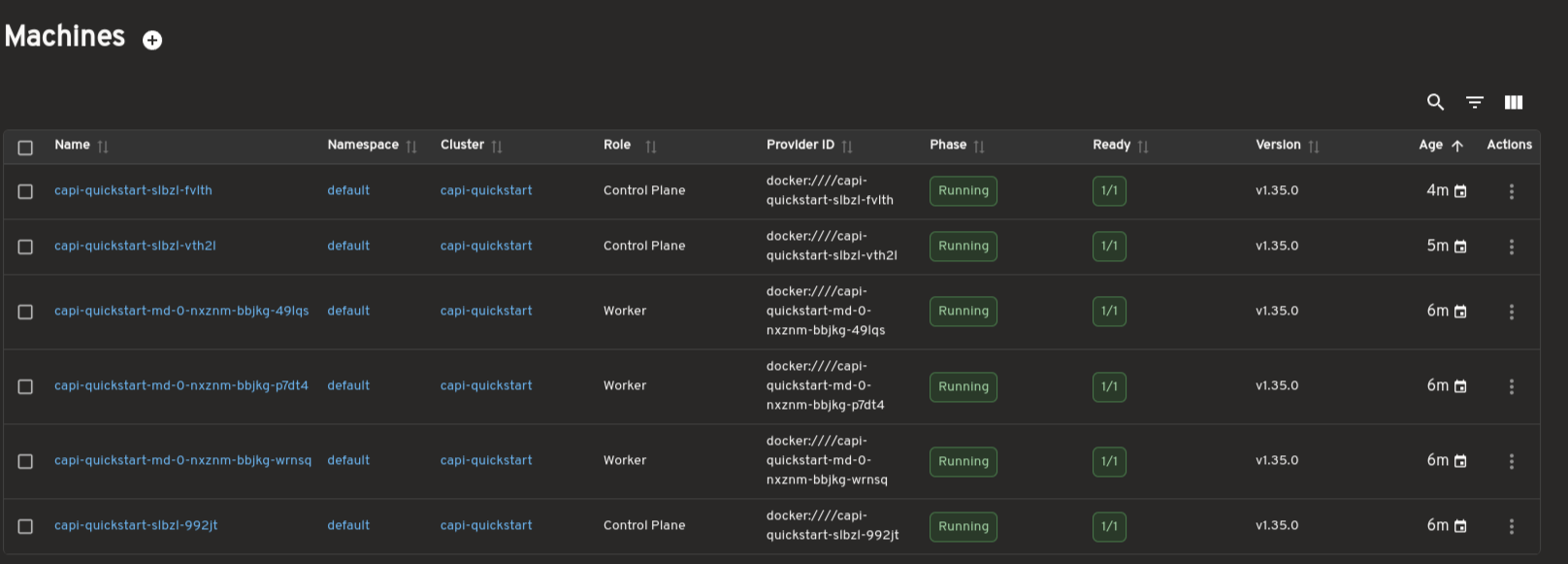
Beyond high-level overviews, the plugin offers dedicated views for individual CAPI components such as MachineDeployments, MachineSets, Machines, and MachinePools. These pages surface critical operational data like replica counts, ownership relationships, provider IDs, versions, and conditions, essential for day-to-day operations and intricate debugging scenarios.
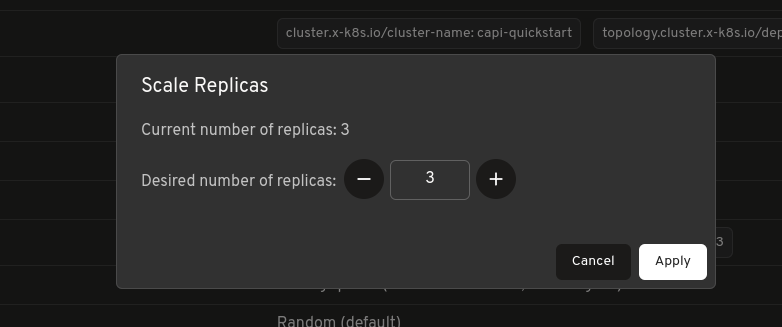
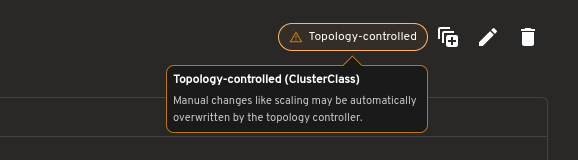
One of the most requested operational capabilities for CAPI has been simplified scaling. The Headlamp plugin addresses this directly with a built-in Scale action for MachineDeployments and MachineSets, allowing operators to adjust replica counts directly from Headlamp without resorting to terminal commands. For clusters managed by ClusterClass topologies, the plugin intelligently provides guidance on when scaling should be performed at the higher Cluster level, preventing misconfigurations.
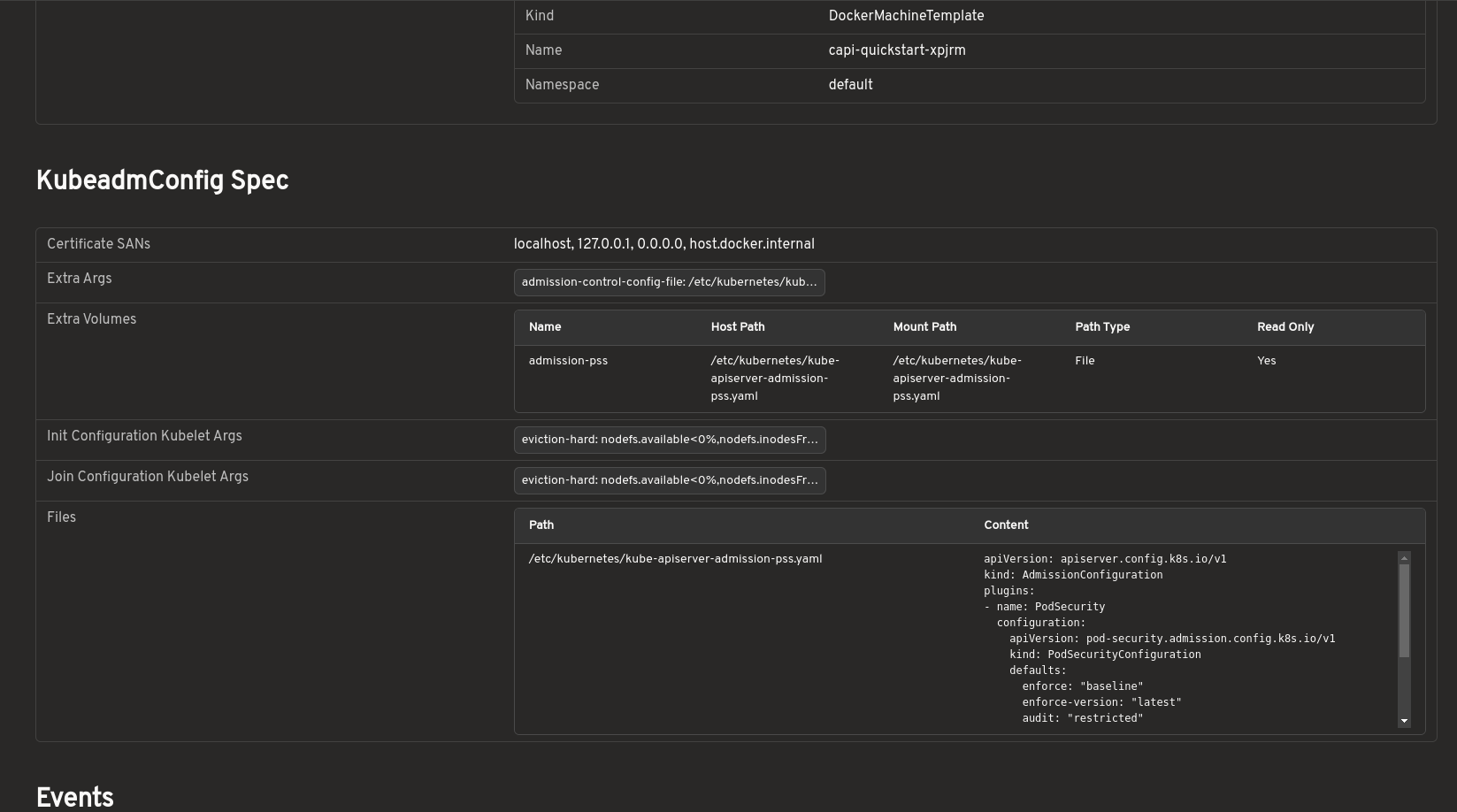
Another significant quality-of-life improvement is the ability to inspect bootstrap configurations without raw YAML. The plugin presents KubeadmConfig details in a structured, human-readable format, displaying inline files, kubelet arguments, extra volumes, and join or init settings. This feature dramatically reduces the cognitive load associated with configuring new clusters or troubleshooting boot-time issues.
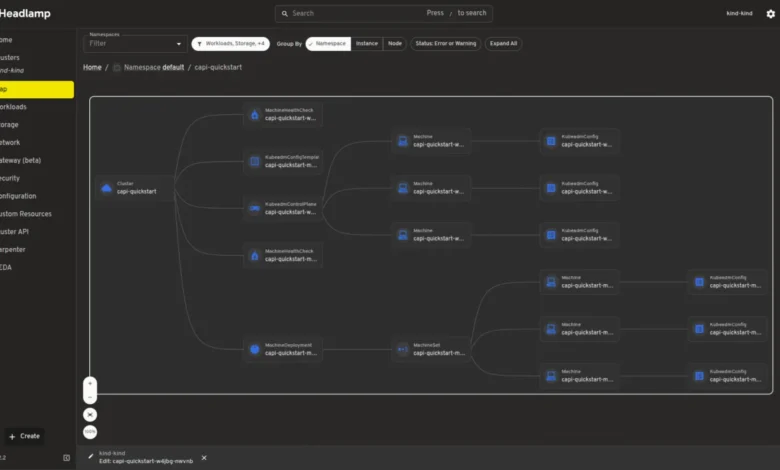
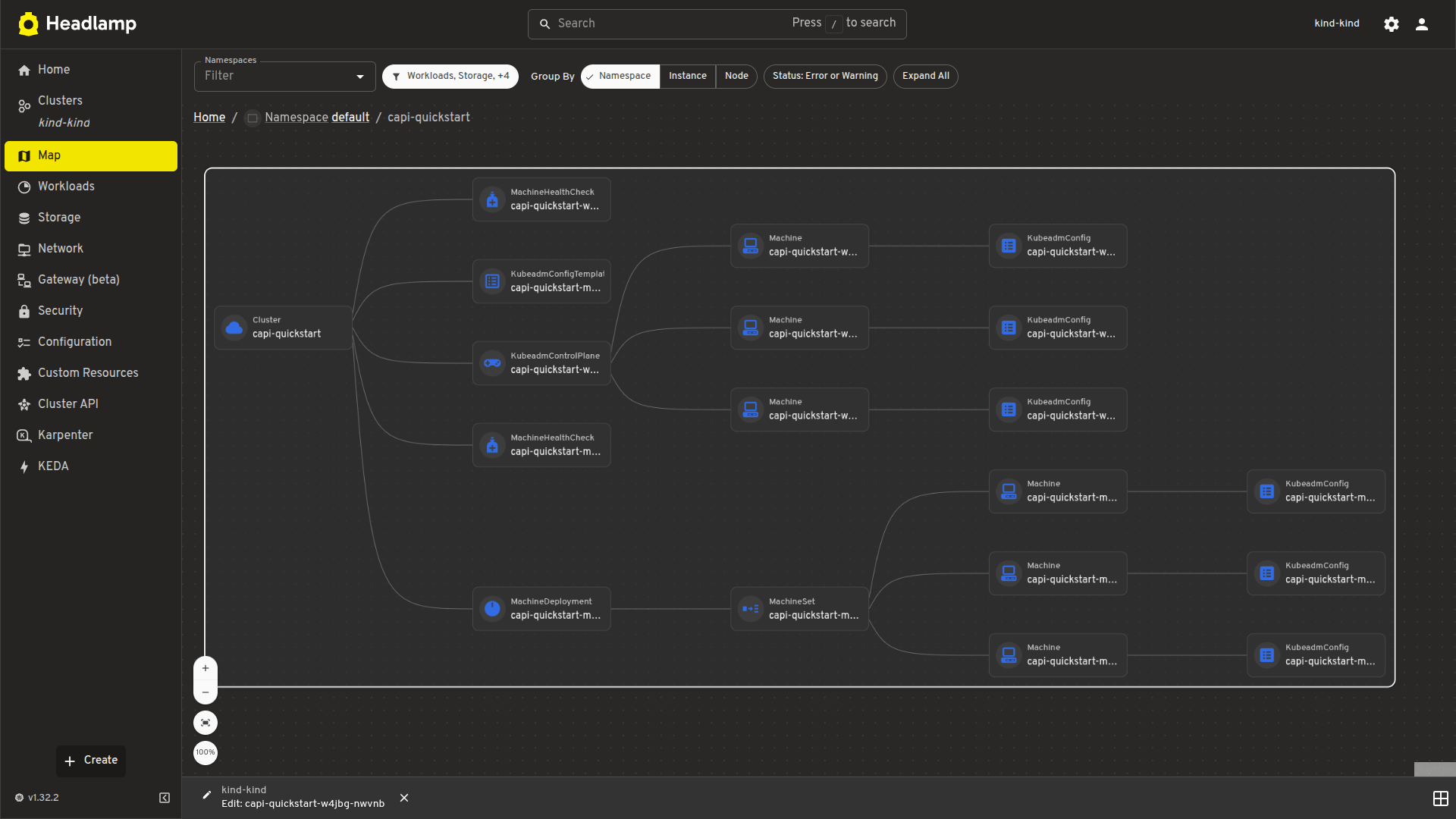
To truly understand the intricate relationships within CAPI deployments, the plugin includes a visual Map View. This innovative feature displays the relationships between Cluster, control plane, and worker resources, offering a much faster and intuitive way to comprehend ownership hierarchies and the overall structure of a Kubernetes cluster.
Finally, recognizing the critical role of observability, the Cluster API plugin integrates seamlessly with the Headlamp Prometheus plugin. When both are installed, live Prometheus metrics are embedded directly inline on the detail pages for Clusters, MachineDeployments, MachineSets, and Machines. This unified view allows operators to correlate infrastructure state with real-time performance data and status conditions, all within Headlamp, eliminating the need to switch between disparate monitoring dashboards during debugging or routine checks.
A Testament to Open Source: The LFX Mentorship Journey
The development of this powerful plugin is a success story for open-source collaboration, having been primarily developed by Chayan Das as part of the Cloud Native Computing Foundation (CNCF) LFX Mentorship program. This program provides invaluable opportunities for aspiring contributors to work closely with established open-source projects and their communities.
During the mentorship, Chayan Das collaborated extensively with Headlamp maintainers and community members, focusing not only on technical implementation but also on understanding the real-world usability challenges faced by platform teams managing Cluster API. This iterative process, driven by community feedback and design discussions, ensured that the plugin’s features and user experience were meticulously crafted to address the most pressing operational pain points. The experience also provided a crucial learning ground for navigating large open-source projects, from contributing code and participating in design discussions to handling release feedback and iterating on features based on community input.
Statements and Community Reception
Chayan Das, the independent developer behind the plugin, expressed enthusiasm about its release: "My goal with this plugin was to demystify Cluster API operations. Having worked with CAPI, I understood the steep learning curve associated with raw kubectl commands. This plugin brings a visual, intuitive interface to manage and debug clusters, significantly reducing operational overhead. The LFX Mentorship was instrumental in shaping this vision, allowing me to build a tool that I believe will genuinely empower platform teams."
Headlamp project maintainers echoed this sentiment. "The Cluster API plugin is a phenomenal addition to the Headlamp ecosystem," stated a project spokesperson. "It exemplifies the power of open-source extensibility and directly addresses a critical need in the cloud-native community. This plugin aligns perfectly with Headlamp’s mission to simplify Kubernetes management, making advanced features like CAPI more accessible to a wider audience. We are incredibly proud of Chayan’s work and the collaboration fostered through the LFX program."
Initial reactions from the Kubernetes community, particularly platform engineers and SREs, have been overwhelmingly positive. Many have highlighted the potential for the plugin to drastically cut down on debugging time and reduce the expertise required to manage complex CAPI deployments. The integration of Prometheus metrics and the visual map view are seen as particularly impactful features that provide a unified operational dashboard previously unavailable.
Broader Implications for Cloud-Native Operations
The release of the Headlamp Cluster API plugin carries significant implications for the broader cloud-native ecosystem:
- Democratization of Cluster API: By abstracting away the complexities of
kubectlcommands and YAML inspection, the plugin makes CAPI more approachable for a wider range of users, including developers and junior operators, thereby accelerating the adoption of declarative cluster management. - Reduced Operational Burden: Platform teams and SREs can expect a substantial reduction in the time and effort required for day-to-day cluster operations, debugging, and troubleshooting. The visual feedback, guided remediation, and integrated metrics contribute to a more efficient workflow.
- Enhanced Reliability and Consistency: With clearer visibility into cluster health and relationships, operators are better equipped to proactively identify and address issues, leading to more stable and reliable Kubernetes infrastructure. The ability to visually trace ownership hierarchies also reduces the risk of misconfigurations.
- Strengthening the Headlamp Ecosystem: This plugin positions Headlamp as an even more indispensable tool for Kubernetes management, demonstrating its capability to integrate deeply with critical upstream projects like Cluster API. It reinforces Headlamp’s role as a versatile and extensible UI platform.
- Accelerated Innovation: By simplifying the operational aspects of CAPI, platform teams can focus more on delivering business value through applications, rather than spending excessive time on infrastructure plumbing.
Future Outlook and Call for Feedback
This initial release of the Headlamp Cluster API plugin is designated as an Alpha version, signaling that while robust and feature-rich, it is still under active development. The Headlamp project and Chayan Das are actively soliciting feedback from the community to shape its future direction, prioritize enhancements, and identify additional features that would further improve the Cluster API management experience. Ongoing work is planned, with additional improvements and features expected to be integrated in subsequent releases. This iterative approach, deeply embedded in the open-source philosophy, ensures that the plugin will continue to evolve in response to real-world user needs.
How to Access
Platform teams and Kubernetes enthusiasts eager to experience the enhanced management capabilities of the Headlamp Cluster API plugin can find detailed installation and usage instructions in the plugins/cluster-api/README.md within the Headlamp plugins repository on GitHub. The Headlamp project encourages all users to experiment with the plugin and contribute their valuable insights to its ongoing development.