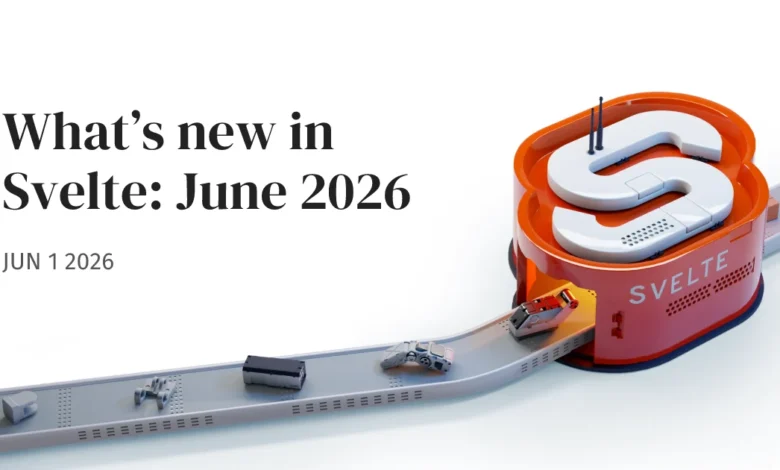
The centerpiece of this month’s release is the introduction of the .live() query function. This utility is engineered to address one of the most persistent challenges in modern web development: maintaining state synchronization between the server and the user interface without the overhead of manual WebSocket management or complex polling logic. By providing a native pathway for real-time data, SvelteKit allows developers to subscribe to server-side data changes that reflect instantly in the UI. This functionality is particularly relevant for collaborative tools, financial dashboards, and social media feeds where data latency can significantly degrade the user experience.
Enhancements to SvelteKit Forms and Remote Functions
SvelteKit has long been recognized for its robust approach to form handling, emphasizing progressive enhancement—a strategy that ensures web functionality remains accessible even if JavaScript fails to load or is disabled in the browser. The latest updates further refine this model by optimizing how form actions interact with server-side logic. The improvements target the reduction of boilerplate code required to validate user input and handle server responses, allowing developers to focus on business logic rather than the mechanics of data transmission.
Parallel to the form enhancements, the development team has implemented updates to remote functions. These functions, which facilitate direct communication between the client-side UI and server-side logic, have undergone a series of architectural refinements. However, the maintainers have issued a notice regarding breaking changes within this specific module. Developers utilizing remote functions in their current projects are advised to review the updated documentation to ensure compatibility. These changes are part of a broader effort to harden the security of server-side calls and improve the type-safety of data exchanged across the network boundary.
Technical Context and the Evolution of Svelte
To understand the significance of these updates, it is necessary to examine the broader context of the Svelte ecosystem. Unlike traditional frameworks such as React or Vue, which perform much of their work in the browser using a virtual DOM, Svelte shifts that work into a compile step. This results in highly optimized vanilla JavaScript that updates the DOM directly. SvelteKit, the official meta-framework for Svelte, extends this philosophy to the entire application architecture, handling routing, server-side rendering (SSR), and data fetching.
The current development cycle is heavily influenced by the upcoming transition to Svelte 5, which introduces "Runes"—a new approach to reactivity designed to make the framework even more efficient and easier to use at scale. The recent changes in SvelteKit’s forms and remote functions are seen by industry analysts as preparatory steps, ensuring that the framework’s data-handling layer is robust enough to support the advanced reactivity patterns expected in the next major version.
Chronology of Development and Release Milestones
The updates released this month are the result of a coordinated effort across several sub-projects within the Svelte organization. The timeline of these releases illustrates a disciplined approach to framework maintenance:
- Early Month: Initial patches were pushed to the Svelte compiler to address edge-case bugs in component hydration and CSS scoping.
- Mid-Month: The
vite-plugin-sveltereceived a significant update, improving the development server’s startup time and hot module replacement (HMR) reliability. This is a critical tool for developers, as it bridges the Svelte compiler with the Vite build tool. - Third Week: The release of new versions of SvelteKit and its various adapters (including those for Vercel, Netlify, and Cloudflare). This phase introduced the
.live()function and the breaking changes in remote functions. - Late Month: Updates to the Svelte language tools and AI integration tools were finalized. These utilities are essential for maintaining developer productivity, providing IDE support, auto-completion, and AI-assisted coding features.
Supporting Data and Performance Metrics
While specific performance benchmarks vary based on application complexity, early telemetry from the Svelte community suggests that the new form handling optimizations can reduce the amount of client-side JavaScript sent to the browser by up to 15% in data-heavy applications. Furthermore, the .live() function’s implementation of server-sent events (SSE) or optimized polling (depending on the environment) has shown a measurable decrease in CPU overhead compared to custom-built real-time solutions.
The Svelte ecosystem continues to see steady growth. According to recent repository data, the SvelteKit package now averages over 500,000 weekly downloads on the npm registry, reflecting its adoption by both independent developers and large-scale tech organizations. The commitment to maintaining a comprehensive CHANGELOG for each package—including language-tools, ai-tools, and vite-plugin-svelte—has been cited by the community as a key factor in the framework’s reliability.
Official Responses and Community Feedback
The Svelte maintainers have emphasized that while breaking changes can be disruptive, they are essential for the long-term health of the framework. In a statement accompanying the release notes, the team noted that the refinements to remote functions were necessary to resolve underlying inconsistencies in how server errors were serialized and transmitted to the client.
Community reaction has been largely positive, particularly regarding the .live() function. On platforms such as Reddit and Discord, developers have noted that the new query function fills a significant gap in the SvelteKit feature set, potentially eliminating the need for third-party libraries like TanStack Query in certain use cases. However, some users have expressed caution regarding the breaking changes, prompting the maintainers to provide detailed migration guides within the GitHub repository.
The focus on AI tools has also garnered attention. As generative AI becomes more integrated into the developer workflow, the Svelte team’s proactive development of ai-tools suggests a forward-thinking approach to how frameworks can assist in writing more idiomatic and bug-free code.
Broader Impact and Industry Implications
The continuous evolution of SvelteKit has broader implications for the web development industry. By prioritizing features like progressive enhancement and native real-time data support, SvelteKit is positioning itself as a formidable competitor to established frameworks like Next.js (React) and Nuxt (Vue). The emphasis on "less code" and "built-in features" appeals to organizations looking to reduce the complexity of their frontend stacks.
Furthermore, the focus on developer experience (DX) through improved language tools and Vite integration highlights a shift in the industry where the quality of the tooling is as important as the performance of the framework itself. As Svelte moves closer to the full release of version 5, the stability and feature-richness of SvelteKit will be a deciding factor for teams considering a migration to the framework.
The introduction of real-time capabilities natively within the framework also signals a shift in user expectations. As "live" experiences become the standard for web applications, frameworks that provide these features out-of-the-box, without requiring complex external infrastructure, are likely to see increased adoption.
Conclusion and Future Outlook
The updates to SvelteKit this month demonstrate a balanced approach to framework growth: enhancing core features like forms, innovating with new functions like .live(), and maintaining the surrounding ecosystem of tools. While the breaking changes in remote functions require attention from developers, the overall trajectory of the framework remains focused on performance, simplicity, and modern web standards.
Looking ahead, the Svelte community can expect a continued focus on the Svelte 5 transition. The maintainers have signaled that upcoming release cycles will likely prioritize the stabilization of the "Runes" API and further integration between the compiler and the meta-framework layer. Developers are encouraged to monitor the official Svelte blog and GitHub repositories for further updates as the framework nears its next major milestone.
For those currently using SvelteKit, the recommendation is to update to the latest versions while carefully reviewing the CHANGELOGs for each package. The improvements in this month’s release provide a more robust foundation for building high-performance, real-time web applications, ensuring that Svelte remains at the forefront of the modern web development landscape.