What’s new in Android developer tools and performance at Android Dev Summit | Android Developers’ Blog

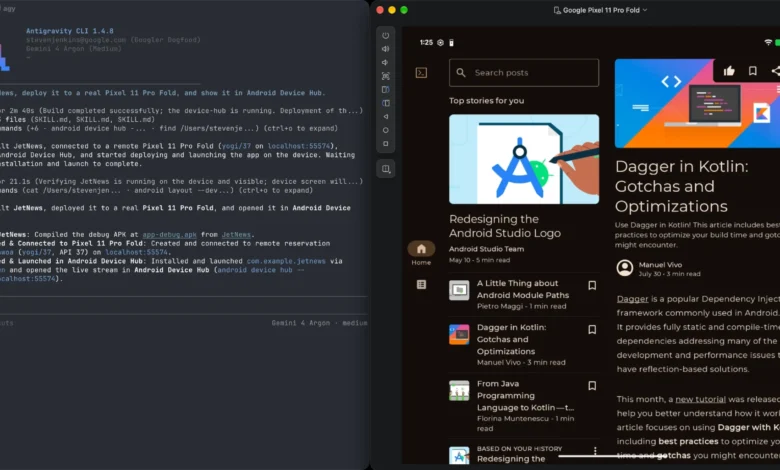
The Evolution of the Android Development Workflow
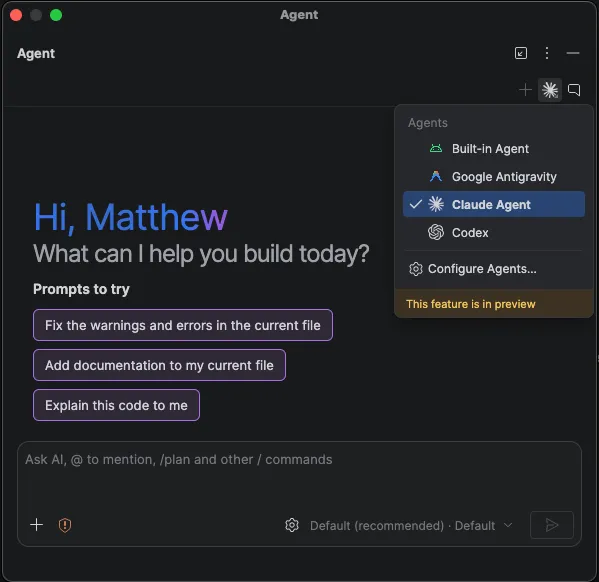
For years, Android Studio has served as the industry-standard Integrated Development Environment (IDE) for building high-quality mobile applications. However, the rapid emergence of AI-driven coding assistants has necessitated a change in how developers interact with their projects. Recognizing that different teams rely on different AI models—from OpenAI’s Codex to Anthropic’s Claude—Google has introduced "Bring Your Own Agent" (BYOA) functionality.
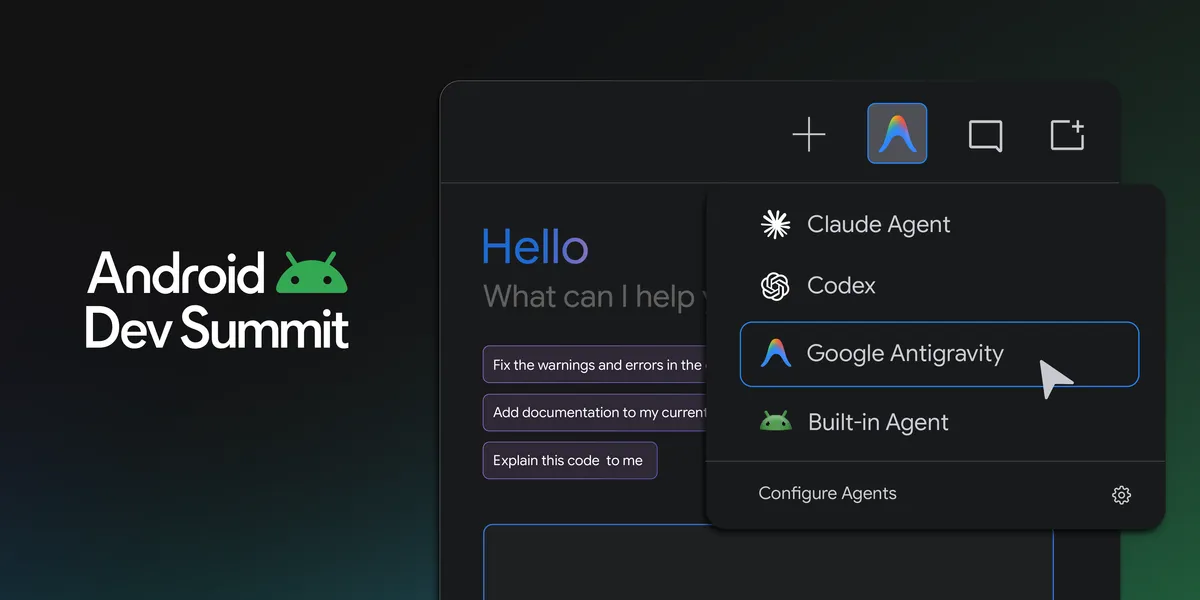
This integration, now stable in the release of Android Studio Rabbit 2, supports over 40 Agent Client Protocol (ACP)-compatible coding agents. By utilizing the open-source ACP standard, these agents can now operate directly within the IDE, maintaining deep context of the project structure, symbol resolution, and Compose Preview rendering. This architectural decision represents a significant departure from closed-ecosystem development, opting instead for a modular approach that allows developers to swap agents based on the specific requirements of a task, such as refactoring legacy code or writing unit tests.
Enhancing AI Reliability Through Android Bench 2.0
As the proliferation of coding agents grows, developers are faced with the challenge of selecting the right tool for the job. To provide objective transparency, Google has launched Android Bench 2.0, a sophisticated leaderboard designed to evaluate how different LLMs perform on complex, multi-day Android engineering tasks.
Unlike generic coding benchmarks that measure simple snippet generation, Android Bench 2.0 tests models on real-world, high-stakes scenarios, including full-scale UI migration and complex feature implementation. Each model is graded not merely on whether the generated code compiles, but on its functional accuracy, computational efficiency, and overall cost-effectiveness. This data-driven approach is expected to influence how engineering leads select AI partners for enterprise-scale projects, favoring models that demonstrate deep, contextual understanding of the Android framework.
Bridging the Gap: From XML to Jetpack Compose
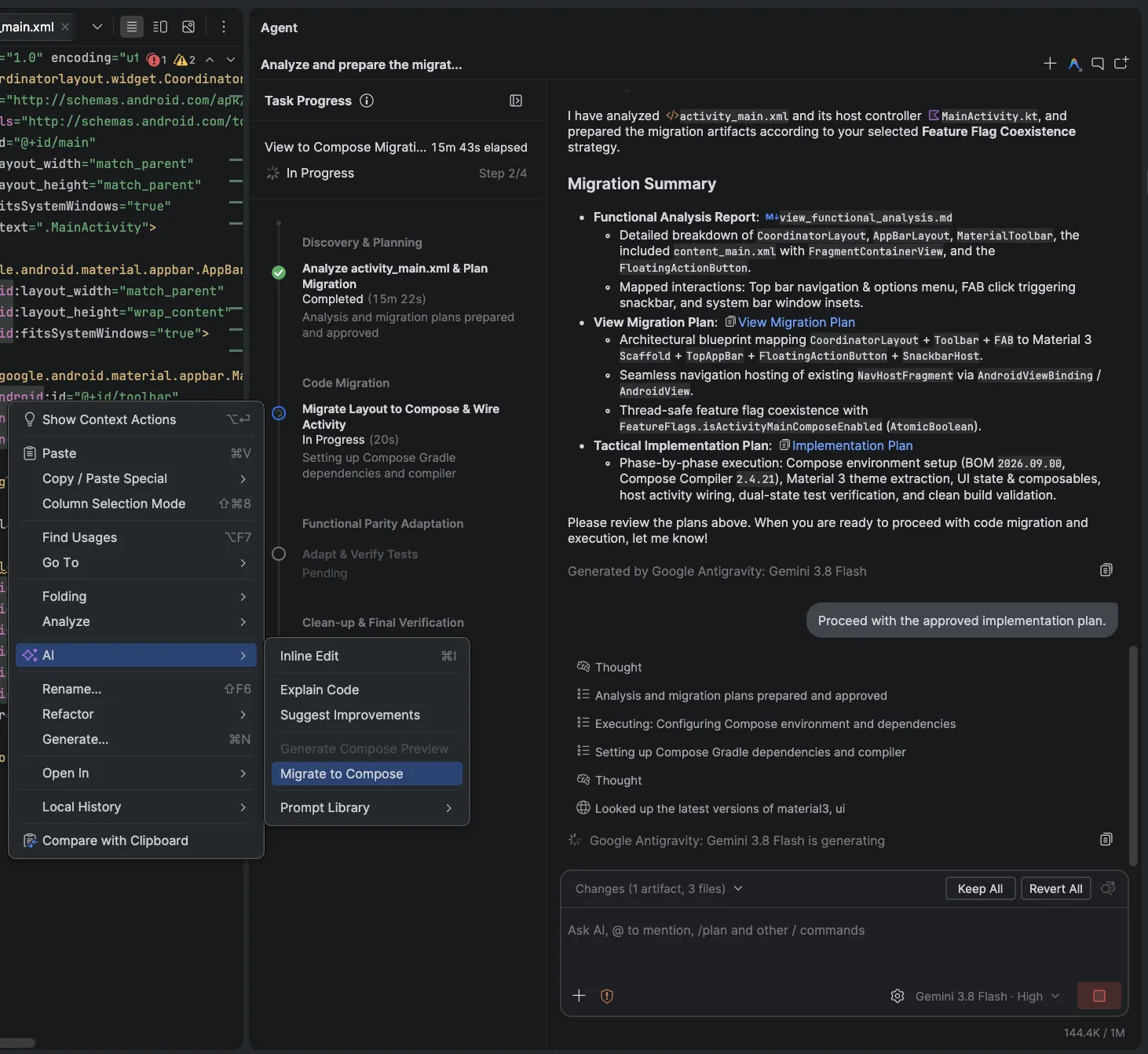
One of the most persistent technical hurdles for long-standing Android teams is the migration from legacy XML-based layouts to the modern declarative paradigm of Jetpack Compose. Historically, this transition has been an arduous, manual process. To address this, Google introduced an AI-powered Migration Assistant within Android Studio.
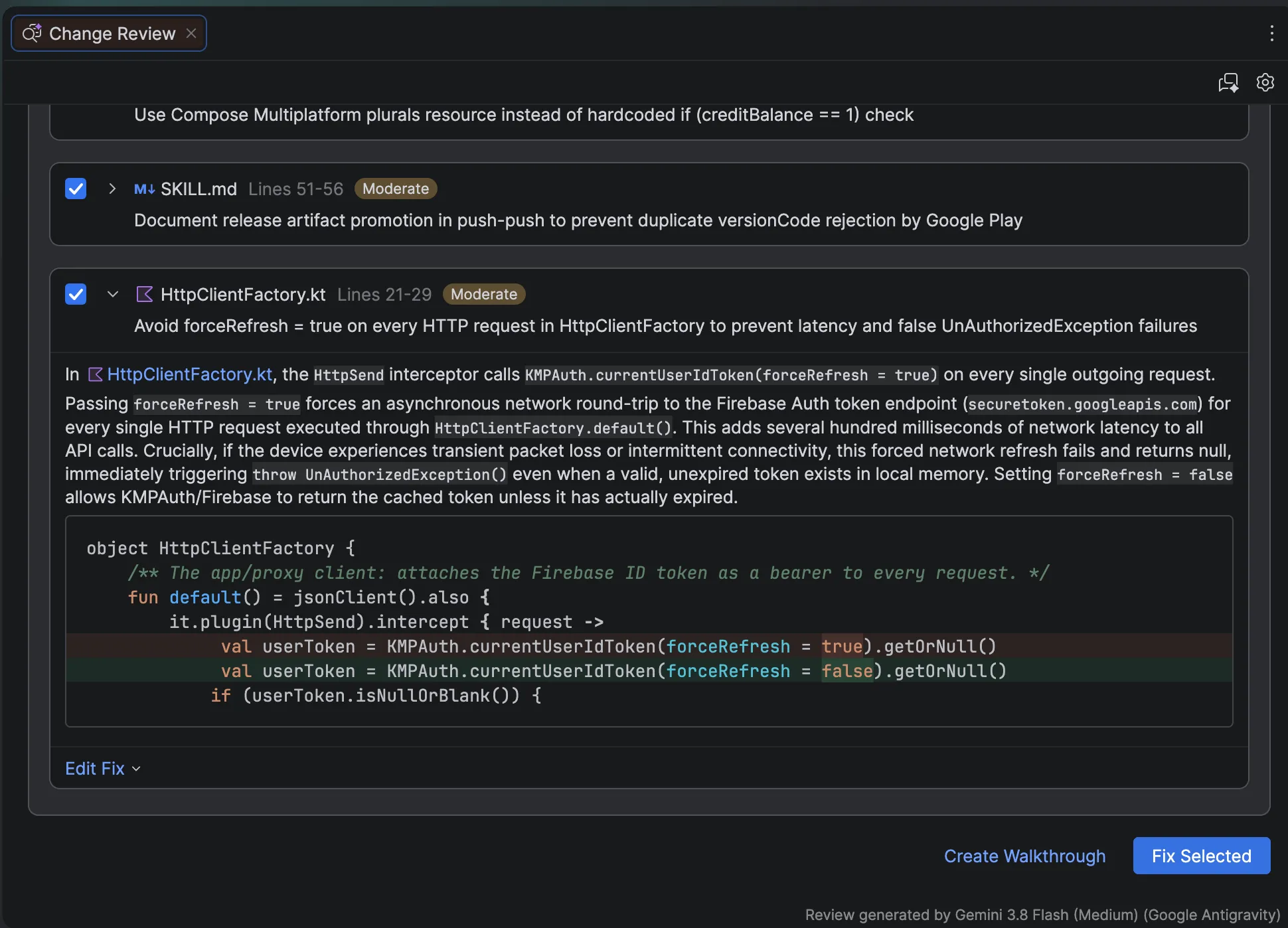
By leveraging an agentic approach, the assistant can analyze existing XML layouts, view-binding code, and business logic to generate a comprehensive conversion plan. The tool provides a progress-tracking timeline, allowing developers to oversee the agent’s work in real-time, step away, and resume the conversion without losing context. This feature is currently available in the Android Studio Canary build, signaling a commitment to reducing the "technical debt" associated with older codebases.
Android CLI: Building and Deploying from Any Environment
While Android Studio remains the primary GUI-based workspace, many advanced developers and DevOps engineers prefer terminal-centric workflows. The expansion of the Android CLI serves as a critical bridge for these users, enabling agents to build, run, and debug applications autonomously in CI/CD pipelines.
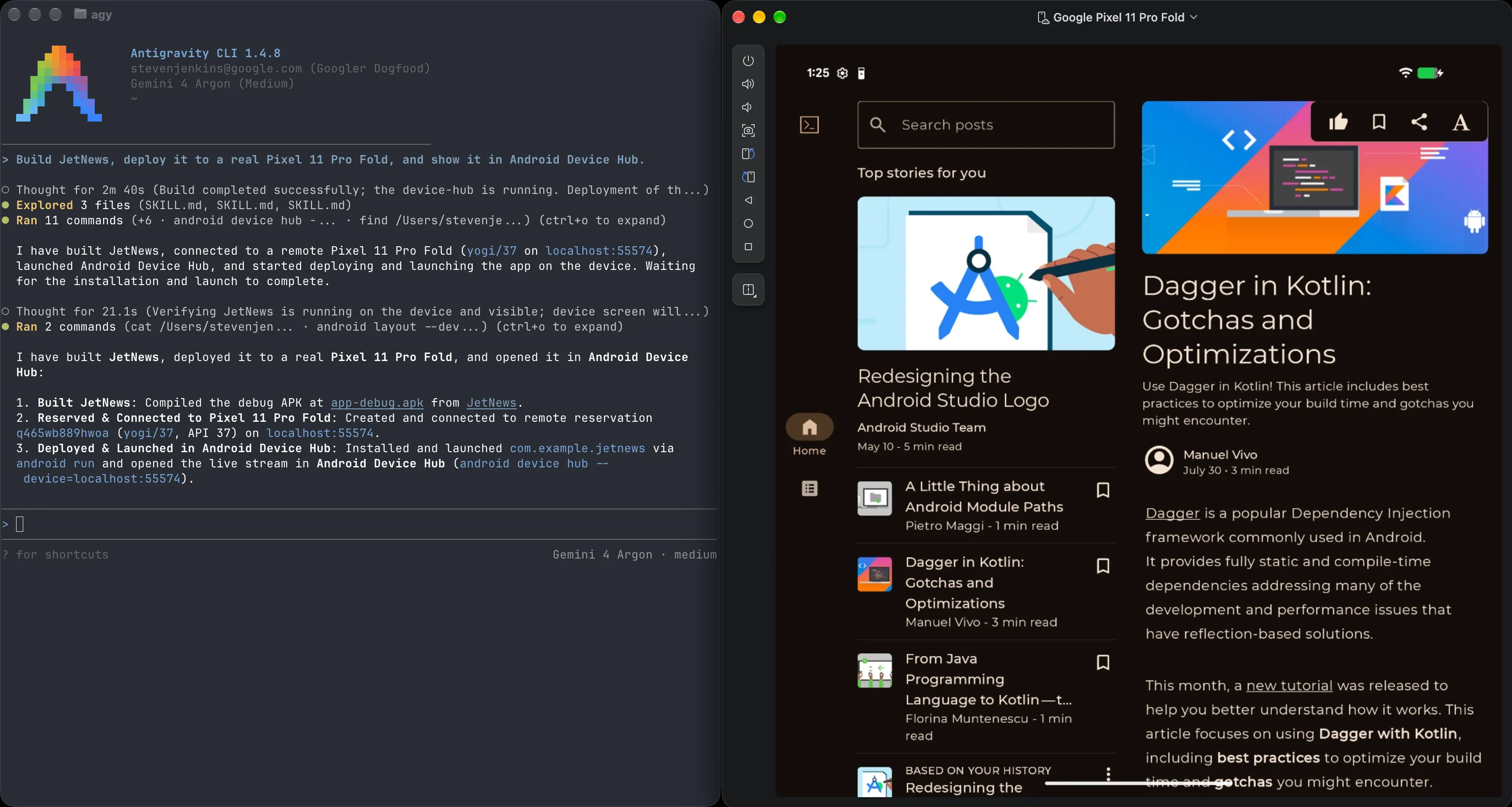
The latest version of the Android CLI introduces robust support for physical device streaming. Developers can now use the android device remote command to provision real hardware from secure Google device labs. This capability is particularly vital for testing device-specific bugs that emulators might fail to capture, such as hardware-level performance degradation or camera sensor issues. Furthermore, the introduction of the "Device Hub" provides a centralized interface for managing both local and remote testing environments, effectively decentralizing the development process.
Performance Optimization and Autonomous Debugging
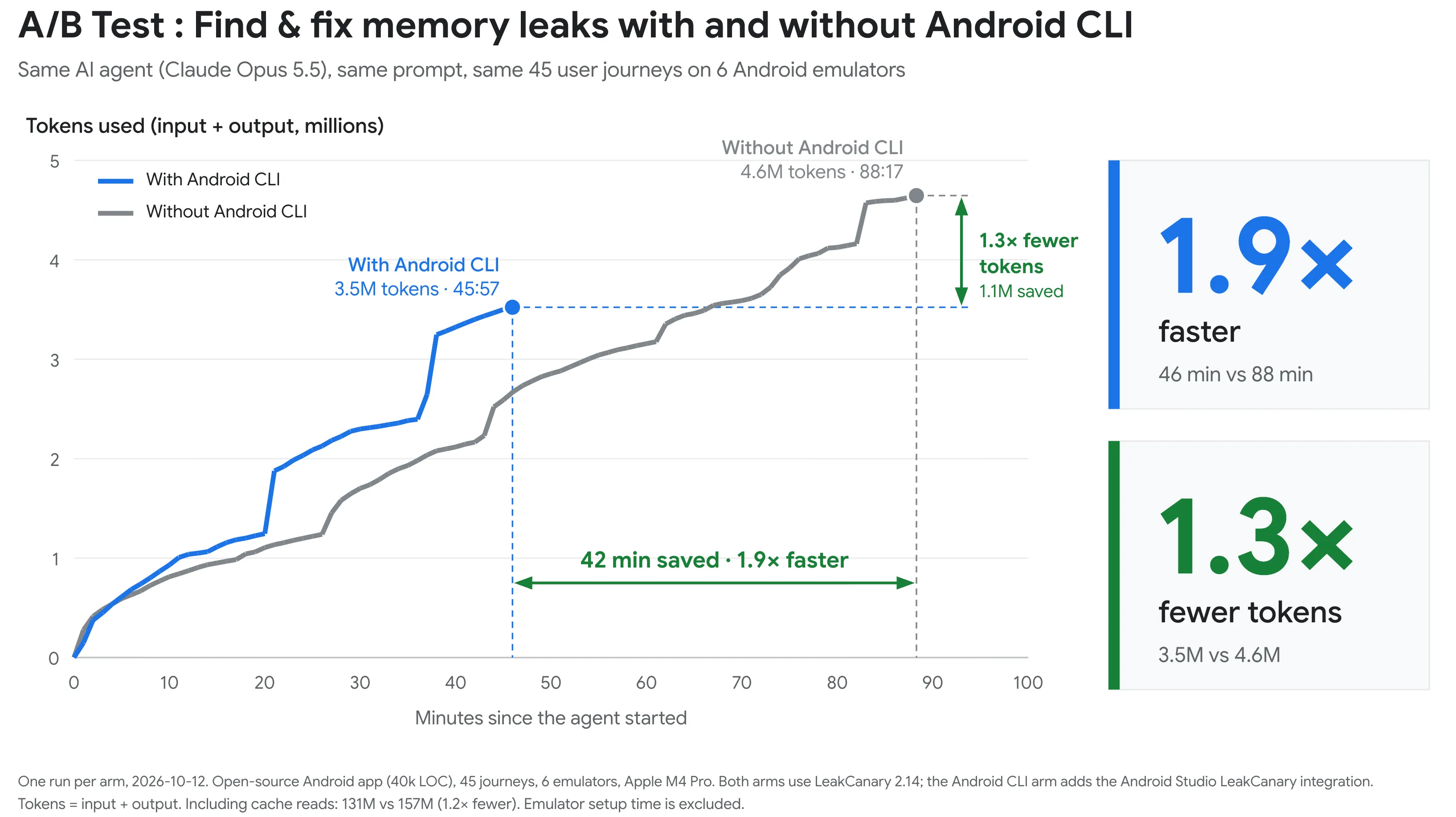
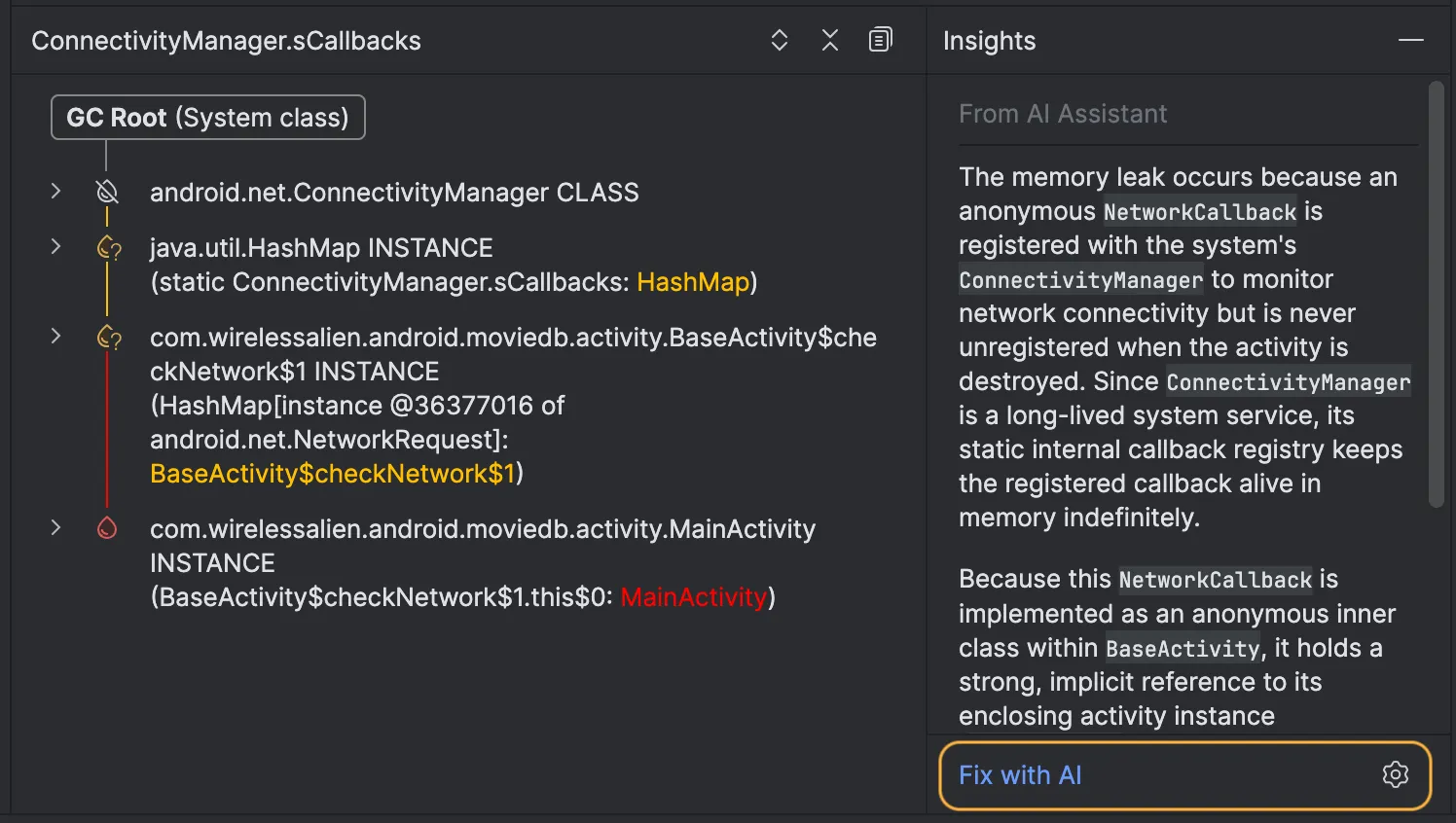
A core theme of the 2024 summit was the move toward "self-healing" code. The integration of LeakCanary into the Android CLI, via the android profiler leakcanary command, represents a major milestone in autonomous performance monitoring. By analyzing heap dumps on the host machine rather than the target device, the system achieves a 2x increase in speed and a 25% reduction in token usage for the connected AI agents.
During a live demonstration at the event, engineers showcased an agent capable of identifying critical memory leaks, tracing the object references, applying a fix, and re-running the test suite to confirm resolution—all without human intervention. This shift toward agentic performance analysis is further supported by the new Android Performance Analyzer, which now powers the android profiler command in the CLI. By utilizing androidx.tracing 2.0, developers can now link slow performance directly to specific source files and line numbers, enabling agents to make precise, evidence-based optimizations.
Security and Policy Compliance
Google has also prioritized the "shift-left" security model, where vulnerabilities and policy violations are caught during the development phase rather than at the app submission stage. The new play-policy-insights skill, combined with specialized security skills like android-intent-security and android-permissions-security, allows agents to conduct project-aware audits.
These tools cross-reference the application’s manifest and SDK usage against the latest Google Play policies, providing developers with actionable remediation steps. By surfacing these insights as lint checks within Android Studio, the platform aims to reduce the frequency of app rejections, which currently serve as a primary bottleneck for many developers.
The Rise of Declarative Builds with Lightbuild
Perhaps the most experimental announcement of the summit was the preview of "Lightbuild." This initiative seeks to modernize the Android build system by moving toward a strictly declarative, YAML-based configuration. By treating build metadata as data rather than executable code, Lightbuild aims to increase the transparency and predictability of the build process.
This system is designed specifically with AI agents in mind. Because the configuration is a strict schema, an agent can "query" the project structure with high confidence, reducing the likelihood of misconfigurations. While currently recommended only for experimental projects, Lightbuild represents a potential future where the complexities of the Gradle build system are abstracted away, allowing developers to focus on feature delivery rather than build configuration management.
Industry Implications and Future Outlook
The strategic direction shared at the Android Dev Summit suggests that Google is not merely adding AI as a feature, but re-architecting the Android platform to be "AI-native." The move toward standardized interfaces like ACP and the release of official Android skills for third-party agents like Claude and Codex indicates an open-platform philosophy.

Industry analysts observe that this approach is calculated to retain developer loyalty in a competitive landscape where cross-platform frameworks are gaining traction. By providing superior tooling that makes the Android development process faster, more stable, and more "agent-ready," Google is creating a moat of productivity that is difficult for other platforms to replicate.
The integration of these tools into existing workflows is expected to unfold over the next 12 to 18 months as enterprises adopt the new CLI and IDE capabilities. As these autonomous agents become more sophisticated, the role of the human developer is likely to evolve from that of a manual coder to that of a system architect—overseeing, validating, and guiding the work performed by their AI counterparts.
For the individual developer, the call to action is clear: adopting these new tools is no longer a matter of preference but a necessary step to maintain competitive velocity. With the Android Dev Summit providing a roadmap for this transition, the community is now equipped with the technical foundation to move from building apps to orchestrating complex, autonomous development ecosystems. As the industry watches these technologies mature, the ultimate success of the initiative will depend on the continued reliability of these agents and the willingness of the developer community to embrace a more automated, terminal-first, and model-agnostic future.
Related posts: