The Evolution of Stateless Computing in AI
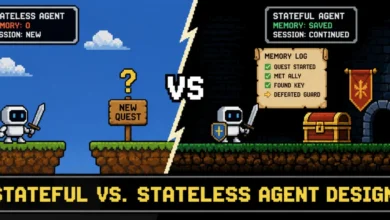
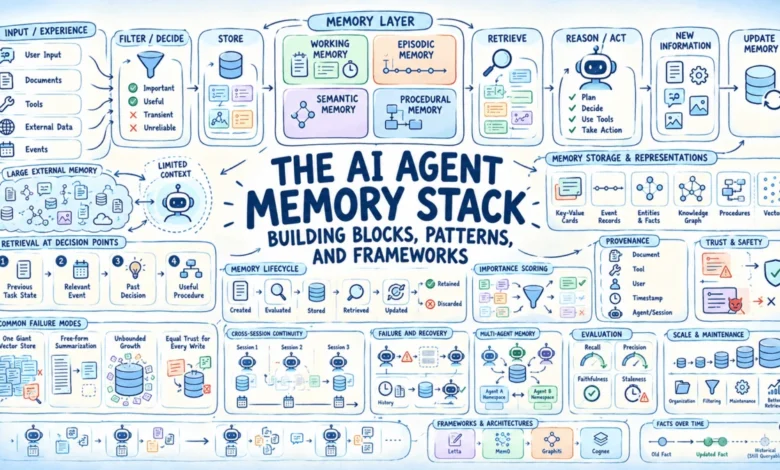
Since the inception of Transformer-based models, the "context window" has served as the primary, albeit temporary, repository for information. When a user queries a model, the system processes the input and generates a response based on its pre-trained weights and the current conversation window. Once the session ends or the window reaches capacity, the information is effectively purged. While this architecture is sufficient for one-off tasks like drafting emails or summarizing short documents, it fails in environments requiring continuity.
The industry has reached a consensus that for AI to move from simple "chatbot" functionality to "agentic" workflows—where software can autonomously plan, execute, and iterate—it must incorporate an externalized memory stack. This stack functions as a bridge between the model’s reasoning capabilities and a persistent database, allowing for the retrieval of historical context, facts, and procedural knowledge that would otherwise be lost.
Chronology of Agent Memory Development
The transition toward persistent agent memory has followed a distinct technological progression over the past twenty-four months:
- 2023: The Prompt Engineering Phase: Early attempts at memory focused on "in-context learning," where developers stuffed historical data into the prompt itself. This quickly hit the wall of context window limitations and rising costs.
- Early 2024: The RAG Integration: Retrieval-Augmented Generation (RAG) emerged as the standard, allowing models to query vector databases for relevant documents. This enabled agents to "know" external facts but lacked the ability to track the evolution of a task.
- Late 2024–2025: The Rise of Specialized Frameworks: Developers began building specialized layers like Letta and Mem0 to manage stateful memory. These systems introduced the concept of "self-editing" memory, where the agent decides what to commit to long-term storage.
- 2026: The Era of Knowledge Graphs and Multi-Agent Orchestration: Current industry efforts are focused on integrating knowledge graphs with vector stores to create "relational memory," allowing agents to understand not just facts, but the complex, multi-dimensional links between them.
Taxonomy of Memory: Defining the Building Blocks
To implement effective memory, researchers categorize data into four distinct buckets, each requiring a different storage and retrieval logic:
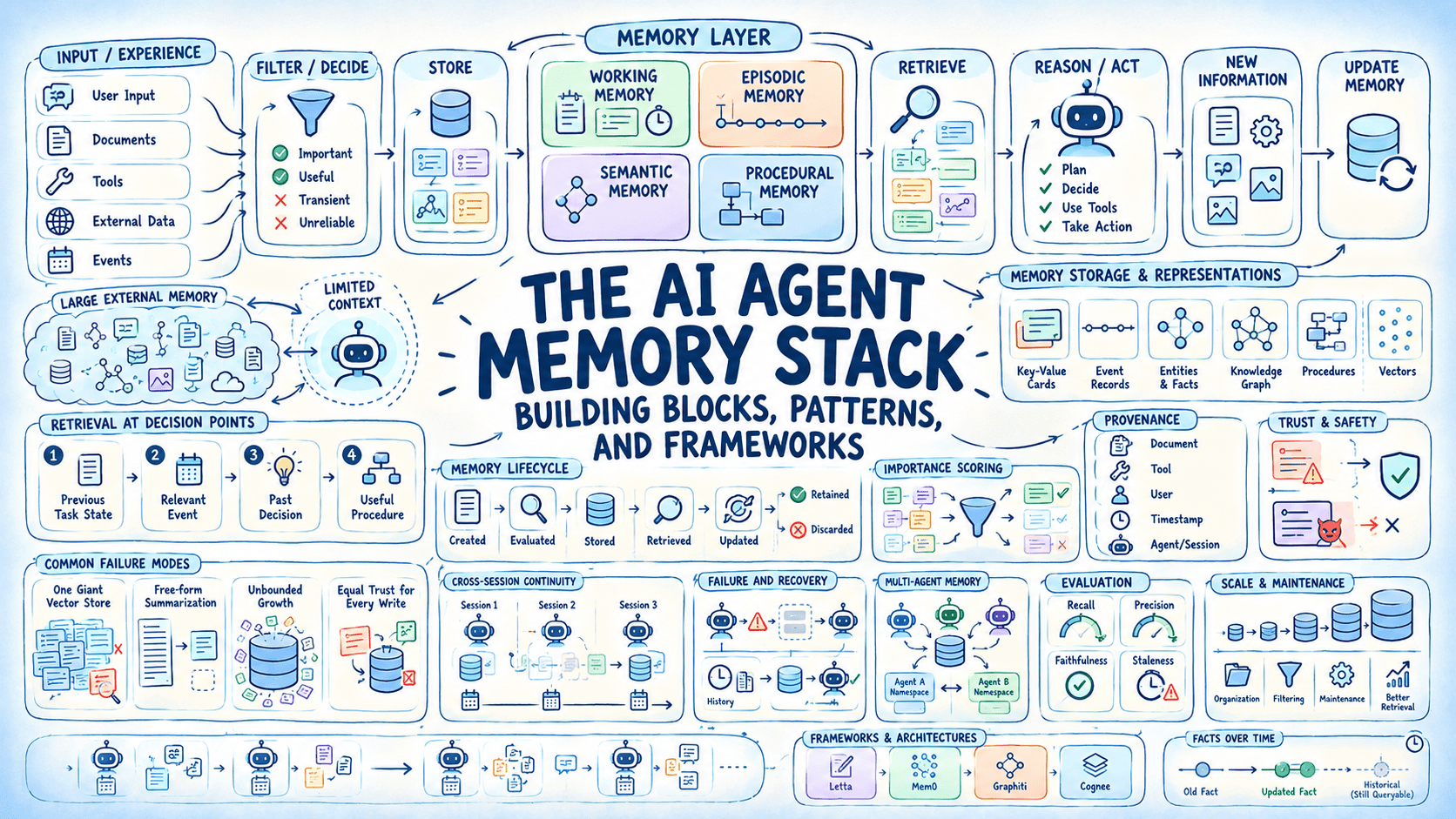
- Working Memory: This represents the "scratchpad" of the agent. It is high-velocity, short-lived, and usually resides in volatile cache memory. It holds intermediate calculations or sub-task states.
- Episodic Memory: Similar to human experience, this is a chronological record of what the agent did. It is vital for debugging and task recovery. If a research agent fails at step four, it uses its episodic record to backtrack and resume from step three.
- Semantic Memory: This is the store of "ground truth." It includes user preferences, verified facts, and entity descriptions. Unlike episodic data, semantic memory is updated frequently to reflect the current state of the world.
- Procedural Memory: This encompasses the "how-to" knowledge. It contains successful action patterns or "playbooks" that the agent can trigger when it encounters recurring problems.
Quantitative Analysis: The Cost of Improper Memory Management
The primary challenge facing enterprises today is the "memory bloat" phenomenon. Data suggests that without a structured maintenance protocol, an agent’s memory store can grow by 30% to 50% weekly in high-utilization environments. This leads to three specific technical hurdles:
- Retrieval Latency: As the vector store expands, the time required to perform semantic similarity searches increases logarithmically.
- Relevance Decay: When the store is cluttered with outdated, redundant, or contradictory information, the agent’s reasoning capability drops. Performance metrics show that agents with unmaintained memories suffer a 15–20% decline in task accuracy over long-running projects.
- Memory Poisoning: This is a critical security concern. If an agent blindly writes to its memory without validation, malicious or incorrect inputs can be ingested as "fact," potentially compromising future decision-making processes.
Industry Perspectives and Framework Comparison
Major players in the AI middleware space have introduced divergent architectural philosophies. Letta (formerly MemGPT) has gained traction by allowing the agent to "write" to its own memory, effectively simulating a computer’s operating system memory management. Conversely, platforms like Mem0 focus on entity-aware retrieval, ensuring that when a user mentions a specific person or project, the agent retrieves all related attributes regardless of when they were first stored.
"The shift is moving away from flat text storage toward graph-based architectures," notes one lead systems engineer at a major AI research lab. "By using a knowledge graph, we allow the agent to traverse relationships—for example, understanding that if ‘Project A’ is linked to ‘User B,’ then all preferences for ‘User B’ should be prioritized during the execution of ‘Project A’."
Broader Implications for Enterprise AI
The maturation of these memory stacks has profound implications for the future of work. We are moving toward a future where "persistent agents" act as digital coworkers. These agents will possess a memory of every interaction with a user, every document they have ever summarized, and every mistake they have corrected.
However, this level of persistence necessitates a new layer of AI governance. Organizations must now implement "memory lifecycle policies"—a set of rules defining how long data should be kept, how it should be summarized for efficiency, and how to purge sensitive information to comply with privacy regulations like GDPR.
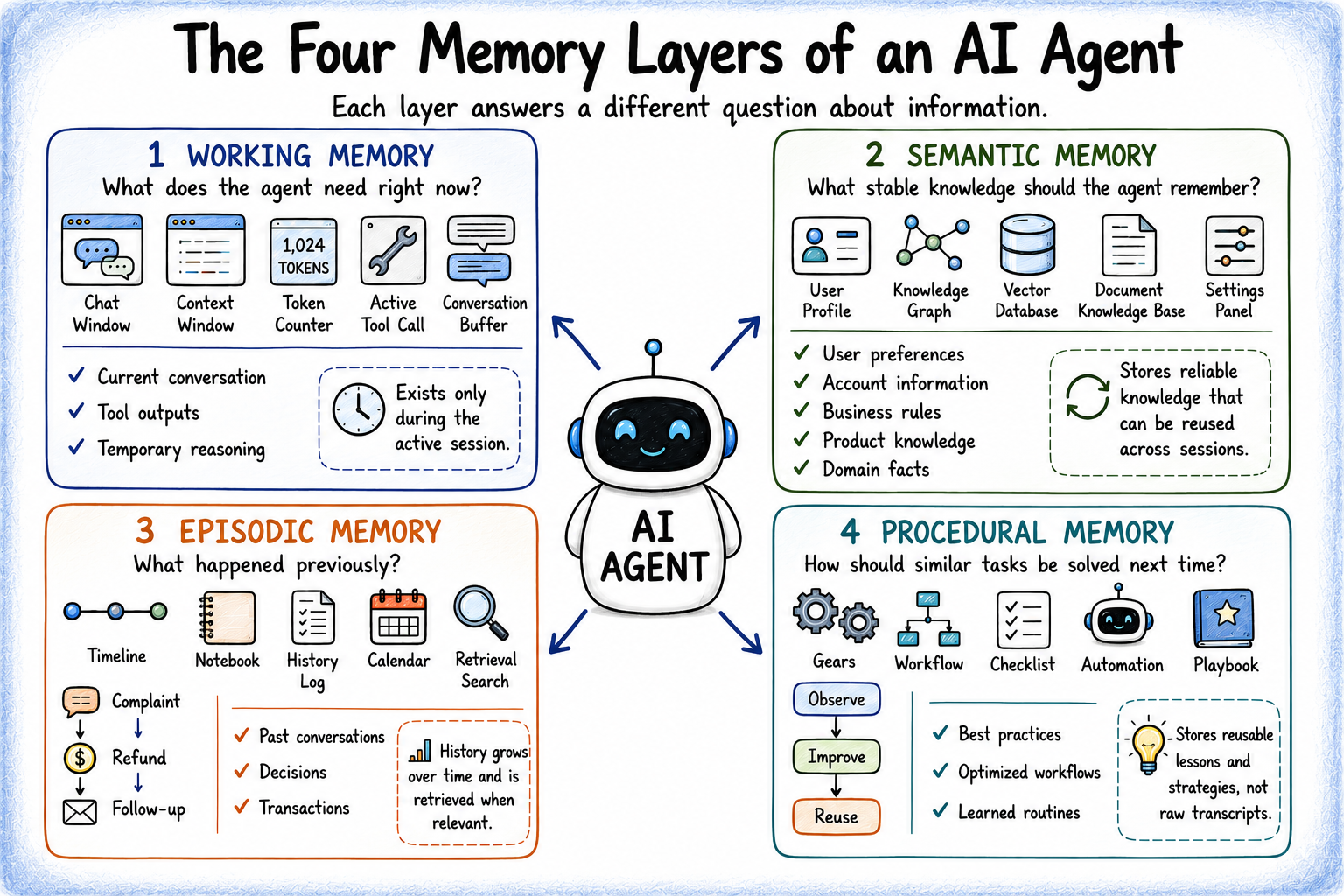
Furthermore, the introduction of multi-agent systems—where several specialized agents share a common memory store—poses a challenge for data consistency. If one agent updates a "fact" while another is reading it, the risk of logic errors becomes significant. This has led to the development of "memory engineering," a new discipline dedicated to building robust, thread-safe, and consistent storage layers for synthetic intelligence.
Conclusion: The Future of Autonomous Continuity
The transition from stateless AI to memory-aware agents marks the most significant architectural evolution since the release of the Transformer model. As these systems become more autonomous, the bottleneck is no longer the raw reasoning power of the model, but the quality and accessibility of its memory.
Moving forward, the industry will likely standardize on hybrid models that combine the high-speed retrieval of vector stores with the logical structure of knowledge graphs. For businesses looking to deploy agents, the lesson is clear: success is not found in the model alone, but in the sophisticated architecture of the memory stack that surrounds it. Investing in memory management is no longer an optional feature for AI development—it is the foundational requirement for any system intended to operate reliably in the real world.