The Definitive Guide to Naming UI Components and Design Systems: A Strategic Approach to Technical Taxonomy

The challenge of nomenclature in software development and digital design is far more than a semantic nuisance; it is a fundamental pillar of operational efficiency and cross-functional collaboration. In the current landscape of large-scale design systems and complex product architectures, the language chosen to describe UI components, variables, and design tokens shapes the mental models of engineers, designers, and product managers alike. When naming conventions remain inconsistent, organizations frequently suffer from "dialect fragmentation," where different departments describe identical elements using disparate terminology, leading to prolonged development cycles, technical debt, and poor user adoption.

The Anatomy of Naming Challenges
Naming is often categorized as one of the most difficult tasks in computer science, a sentiment echoed by industry leaders who manage enterprise-grade design systems. The primary tension in naming UI components lies between two extremes: generic naming, which lacks sufficient descriptive power to distinguish between variations of a component, and hyper-specific naming, which restricts reusability and scalability.
According to recent industry benchmarking, companies that lack a standardized taxonomy for design tokens report a 30% increase in the time required to onboard new developers to existing codebases. The lack of a "single source of truth" for component naming forces teams to engage in constant discovery, as developers search for the correct CSS class or JavaScript variable to match a specific design requirement.

Chronology of Naming Standardization
The shift toward structured naming began in earnest with the maturation of Atomic Design principles and the widespread adoption of design systems in the mid-2010s. Prior to this, naming was often ad-hoc, dictated by the immediate stylistic needs of a project.
The timeline of professionalizing this practice can be broken down into three phases:

- The Prototyping Era (2010–2015): Naming was largely driven by CSS frameworks like Bootstrap, where naming conventions were closely tied to visual output (e.g.,
.btn-blue). - The Systems Era (2016–2020): Organizations began separating styles from content, introducing the concept of design tokens—variables that store design decisions such as colors, spacing, and typography, abstracted from specific implementations.
- The Semantic Era (2021–Present): The current focus has shifted to "intent-based" naming, where components and tokens are named based on their function or the user problem they solve, rather than their appearance.
Tools for Developing a Robust Taxonomy
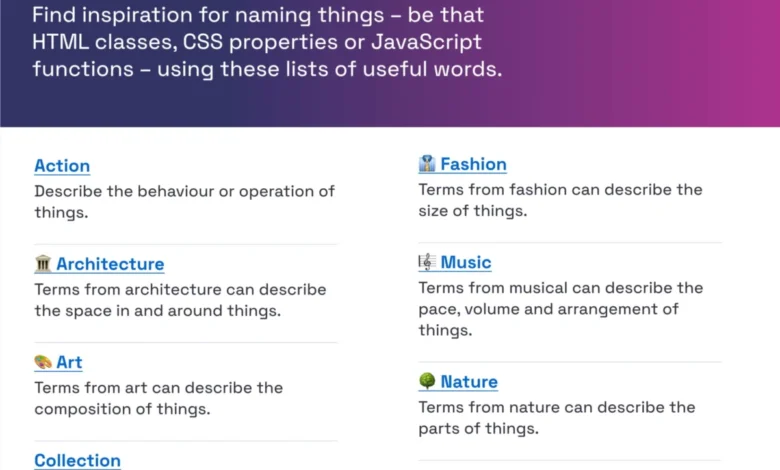
To combat the ambiguity inherent in naming, several digital resources have emerged to standardize communication. For teams looking to break out of stagnant naming patterns, the tool Classnames serves as a vital repository. By categorizing terms into thematic groups—ranging from behavioral descriptions to nature-inspired abstract concepts—it assists teams in establishing a vocabulary that is both distinct and memorable.
Furthermore, color management has been revolutionized by the color-names project maintained by David Aerne. With over 30,000 unique color entries, this repository provides a standardized naming scheme for hex values, preventing the common conflict where different designers assign different names (e.g., "Deep Sky" vs. "Ocean Blue") to the same color palette. Such standardization is critical for automated design-to-code pipelines, where naming consistency prevents runtime errors during build processes.

Strategic Frameworks: The Case of Intuit
Large organizations, such as Intuit, have pioneered the development of flexible design token taxonomies that serve multiple products—including QuickBooks, TurboTax, and Mailchimp. The challenge for these entities is balancing the brand requirements of disparate products with a unified engineering foundation.
Research into their approach reveals a multi-layered taxonomy that separates primitive tokens (raw values) from semantic tokens (the "why" behind the value). By implementing a hierarchy that accounts for brand-specific themes while maintaining a core underlying structure, these organizations have successfully reduced the friction between design and engineering. This model is now considered a best practice for any company managing a multi-brand ecosystem.

The Impact of Naming on Feature Adoption
The implications of poor naming extend beyond the development team and directly impact the end-user. Research conducted by UX professionals, such as the work of Erin Gannon, indicates that feature discovery is heavily influenced by the terminology used within the UI. If a feature is named using internal corporate jargon rather than the language of the user, adoption rates significantly drop.
The "Job-to-be-Done" (JTBD) framework is the current industry standard for naming new features. This methodology suggests that features should be named based on the outcome the user intends to achieve. If a user refers to a function as "Exporting," but the interface labels it as "Data Synchronization," the cognitive load required for the user to understand the feature increases, often resulting in lower engagement metrics.
Technical Implementation: The Vodafone Taxonomy Map
The Vodafone UK Design System team has provided a definitive template for navigating complex, multi-themed systems through their Variables Taxonomy Map. By mapping tokens from global primitives down to page-specific semantic overrides, the team created a visual guide that allows stakeholders to trace the lineage of any design decision.
This level of documentation is not merely administrative; it is a defensive strategy against technical debt. When a system is transparently named and mapped, future updates to the design system—such as a dark-mode implementation or a complete brand refresh—can be executed across thousands of components without requiring manual overrides or code rewrites.

Expert Guidelines and Best Practices
Industry analysts and design system architects consistently highlight the following principles for effective naming:
- Logical Structure: Names should follow a predictable, hierarchical pattern (e.g., Category > Component > Variant > State).
- Meaningful, Not Visual: Avoid names based on physical appearance (e.g.,
text-red-large) in favor of functional names (e.g.,text-alert-header). - Universal Understanding: The naming convention must be documented and understood by both design and engineering teams to eliminate "dialect" confusion.
- Scalability: Design names with the future in mind; ensure the taxonomy can accommodate new tokens without invalidating existing ones.
The Broader Implications for Digital Infrastructure
As the web continues to evolve toward more modular and component-based architectures, the importance of linguistic precision cannot be overstated. The friction caused by misnamed components is a hidden cost that compounds over time. When a team fails to reach a consensus on naming, they are essentially forced to pay a "coordination tax" every time a new feature is developed or a bug is addressed.

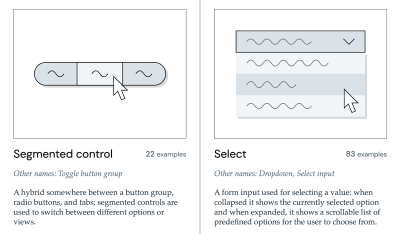
The current trend toward open-source resources—such as the Component Gallery, which aggregates naming conventions from top-tier design systems—is a response to this systemic issue. By learning from the patterns established by industry leaders, smaller teams can bypass the trial-and-error phase of building a design language.
Conclusion: A Unified Language
The ultimate goal of any naming strategy is to reduce the "translation time" between the conceptual design and the final code. When designers, developers, and product managers use the same language, the risk of misinterpretation is minimized, and the team can focus on solving user problems rather than deciphering the intent behind a variable name.

As we look toward the future of web design and development, the focus will likely remain on automation—using these robust, standardized taxonomies to power AI-driven design tools and automated style-guide generation. In this future, a clear and logical naming convention will be the prerequisite for any digital project that aims for longevity and scalability. Organizations that prioritize the development of their internal linguistic standards today are effectively building the infrastructure for the efficient, high-velocity development cycles of tomorrow.