SvelteKit Streamlines Development Workflow with Integrated Configuration and Enhanced Environment Variable Handling

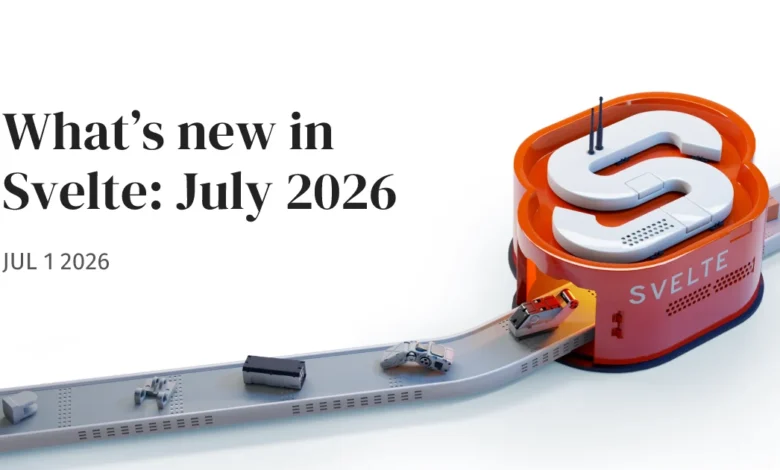
The Svelte development ecosystem has undergone a significant architectural refinement this month, marked by the consolidation of configuration files and a strategic shift in how environment variables are managed within the framework. These updates, which primarily target the SvelteKit meta-framework, represent a broader effort by the core maintenance team to reduce developer friction and align the toolchain with modern web development standards. By allowing developers to define SvelteKit configurations directly within the Vite configuration file and introducing a preview for explicit environment variables, the framework is positioning itself for a more streamlined transition toward its next major iteration, SvelteKit 3.
Unified Configuration and the Departure from Configuration Fragmentation
For several years, SvelteKit projects have relied on a dual-configuration approach. Developers were required to maintain a svelte.config.js file for framework-specific settings—such as preprocessors, adapters, and alias definitions—alongside a vite.config.js file for the underlying build tool. While this separation of concerns was functional, it often led to confusion regarding which settings belonged in which file, particularly for newcomers to the ecosystem.
The latest update introduces the ability to define SvelteKit configurations directly within vite.config.js. This change effectively allows for the removal of svelte.config.js in many standard project setups. From a technical standpoint, this integration is facilitated by the SvelteKit Vite plugin, which now accepts the configuration object previously reserved for the standalone Svelte config file.
This consolidation addresses a common critique of modern JavaScript frameworks: "configuration fatigue." By centralizing project settings into a single entry point, the Svelte team is simplifying the project structure. This move also aligns SvelteKit more closely with the Vite ecosystem, which has become the de facto standard for frontend tooling. Industry analysts note that reducing the number of boilerplate files not only improves the "Developer Experience" (DX) but also minimizes the cognitive load required to maintain large-scale enterprise applications.
The Evolution of Environment Variable Management
One of the most consequential previews released this month involves the handling of environment variables. Currently, SvelteKit utilizes $env/static/public, $env/dynamic/public, and their private counterparts to manage sensitive data and configuration settings. While this system is robust, it relies on a specific module-based approach that can occasionally lead to complexities in TypeScript environments or during complex build processes.
The framework has now introduced a preview of "explicit environment variables." This new system is slated to become the standard in SvelteKit 3, eventually replacing the current $env/* modules. The shift toward explicit declarations is designed to provide better type safety and more predictable behavior across different deployment environments, such as Vercel, Netlify, or self-hosted Docker containers.
The move toward explicit environment variables is reflective of a larger trend in the JavaScript community toward "Type-Safe Environment Variables." By requiring more explicit definitions, the framework reduces the risk of runtime errors caused by missing or incorrectly typed variables. This is particularly critical for security-conscious applications where accidental exposure of private keys or database credentials must be strictly prevented. The new system is expected to offer a more granular control mechanism, allowing developers to define exactly which variables are available to the client-side versus the server-side, thereby reducing the final bundle size and improving the security posture of the application.
Synchronizing the Toolchain: Language Tools and CLI Updates
In addition to the core framework changes, the Svelte ecosystem has seen a synchronized update across its secondary tooling. The Svelte language tools and the sv Command Line Interface (CLI) have both been updated to support the new const ... declaration tags.
The const ... tag is a relatively recent addition to the Svelte template syntax, designed to allow developers to define local constants directly within the markup. This feature is particularly useful for destructuring data or performing calculations within a loop without needing to move that logic into the <script> block. Previously, using this tag could result in linting errors or lack of syntax highlighting in certain Integrated Development Environments (IDEs).
With the latest updates to the language tools, developers can now utilize const ... with full IntelliSense support and error checking. Furthermore, the sv CLI, which is increasingly becoming the preferred tool for project scaffolding and migrations, now correctly handles these tags during automated code transformations. This synchronization ensures that the entire developer workflow—from project initialization to code authoring and linting—is consistent and supports the latest language features.
Chronology of SvelteKit Development and Strategic Milestones
To understand the significance of these updates, it is essential to view them within the context of SvelteKit’s development timeline. SvelteKit reached version 1.0 in late 2022, marking its stability for production use. Since then, the focus has shifted from establishing core features to refining the developer experience and preparing for the next generation of web performance.
- Early 2023: Introduction of SvelteKit 1.x stability and the expansion of the adapter ecosystem (Node, Static, Vercel, Cloudflare).
- Mid 2023: Enhancements to the
loadfunction and server-side rendering (SSR) capabilities. - Late 2023: The announcement of Svelte 5 and "Runes," a new reactivity system. This necessitated a re-evaluation of how SvelteKit interacts with the underlying Svelte compiler.
- Current Month: Integration of Vite and Svelte configurations and the preview of SvelteKit 3’s environment variable system.
This progression demonstrates a clear path toward SvelteKit 3, which is expected to be a major overhaul designed to take full advantage of Svelte 5’s performance gains. The decision to introduce these changes as previews or optional configurations allows the community to adapt gradually rather than facing a sudden, breaking transition.
Supporting Data and Community Adoption
The Svelte framework continues to see high levels of satisfaction and growing adoption within the web development community. According to the most recent "State of JavaScript" survey data, Svelte consistently ranks as one of the most "loved" frameworks, with developers citing its simplicity and lack of "virtual DOM" overhead as primary benefits.
GitHub metrics for the sveltejs/kit repository show a steady increase in contributors and a rapid response time for bug fixes. This month alone, dozens of minor bug fixes and performance optimizations were merged into the main branch alongside the major configuration changes. The framework’s ability to maintain a high velocity of updates while ensuring stability is a key factor in its adoption by major organizations, including The New York Times, Bloomberg, and Square.
The shift to Vite-based configuration is also supported by broader industry trends. Vite has seen an explosion in usage, with downloads on NPM growing by over 300% in the last 18 months. By aligning more closely with Vite, SvelteKit leverages a massive ecosystem of plugins and community support, effectively future-proofing its build pipeline.
Inferred Industry Reactions and Technical Analysis
While official statements from corporate partners are rare for incremental framework updates, the reaction within developer forums such as Reddit and Discord has been largely positive. Senior software architects have noted that the consolidation of configuration files reduces the "boilerplate overhead" that often plagues large-scale projects.
From a technical analysis perspective, the move to explicit environment variables is perhaps the most significant change for enterprise users. In complex CI/CD (Continuous Integration/Continuous Deployment) pipelines, environment variables are often the source of "silent failures." By moving toward an explicit model, SvelteKit 3 will likely offer better integration with secret management tools like HashiCorp Vault or AWS Secrets Manager.
Furthermore, the integration of the const tag into the toolchain suggests that the Svelte team is doubling down on making the template syntax as expressive as possible. This reduces the need for "helper components" that exist solely to transform data for display, leading to cleaner and more maintainable codebases.
Broader Impact and Future Implications
The updates released this month signal that SvelteKit is entering a phase of "architectural maturation." By cleaning up its configuration requirements and refining its core modules, the framework is preparing for the highly anticipated release of Svelte 5.
The implications for the broader web development landscape are notable. SvelteKit’s move to simplify configuration may put pressure on other frameworks, such as Next.js or Nuxt, to further streamline their own project structures. As the industry moves toward "zero-config" or "unified-config" models, the barriers to entry for new developers continue to lower, while the productivity of experienced developers increases.
Moreover, the transition to SvelteKit 3 represents a pivotal moment for the framework. By providing early previews of breaking changes—such as the environment variable shift—the maintainers are fostering a transparent development process. This approach minimizes the "upgrade fatigue" that has historically hampered other frameworks during major version jumps.
In conclusion, the refinements to SvelteKit this month are not merely incremental improvements but are strategic steps toward a more cohesive and powerful development environment. The unification of configuration files, the modernization of environment variable handling, and the synchronization of the toolchain collectively reinforce SvelteKit’s position as a leading choice for modern web application development. As the ecosystem moves toward Svelte 5 and SvelteKit 3, these changes provide the foundation for a faster, more secure, and more intuitive developer experience.