SvelteKit 3 Launch Marks a New Era for Full-Stack Development and Svelte’s 10th Anniversary

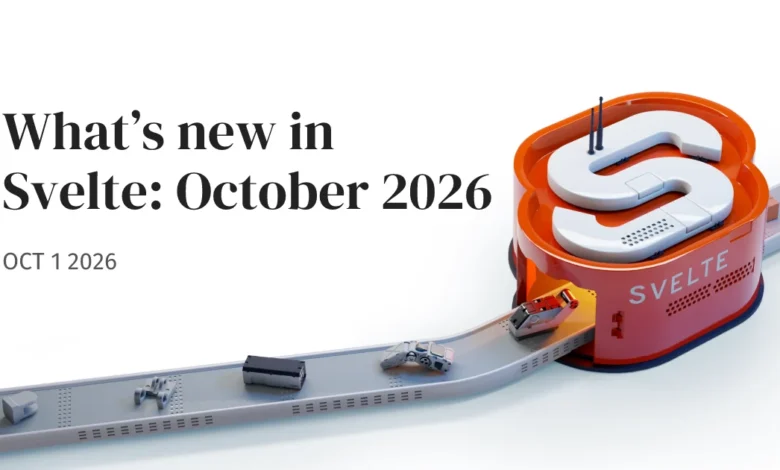
SvelteKit 3 has officially arrived, representing the most significant leap forward for the Svelte ecosystem since the release of Svelte 5. This milestone release arrives alongside the 1.0 stabilization of the sv command-line interface, signaling a move toward a more unified and developer-friendly infrastructure. With the framework maturing, the community is simultaneously preparing for Svelte Summit, a two-day event in Ljubljana, Slovenia, scheduled for November 19-20, which will commemorate the project’s 10th anniversary.
The Evolution of SvelteKit: From 2.0 to 3.0
The transition to SvelteKit 3 is designed to streamline the developer experience while providing more robust primitives for modern web architecture. At the heart of this transition is the sv migrate tool, an automated utility designed to handle the heavy lifting of the upgrade process. By abstracting away the manual complexities of dependency updates and configuration changes, the core team intends to reduce the friction typically associated with major version migrations in JavaScript frameworks.
The release of SvelteKit 3 introduces several critical architectural refinements. Key among these are updates to the adapter API, which governs how the framework interfaces with various hosting environments. By standardizing these interfaces, the framework now allows for more consistent performance across different serverless and traditional deployment targets. Furthermore, the introduction of zero-config deployment support for the Render platform underscores a broader strategic shift toward reducing configuration overhead, enabling developers to focus on application logic rather than infrastructure boilerplate.
The Rise of the sv CLI
The stabilization of the sv command-line interface to version 1.0 is perhaps the most understated yet impactful change in this release cycle. The sv tool is intended to serve as the central hub for the Svelte ecosystem. By formalizing the community add-on API, the core team has established a standardized protocol for third-party developers to extend the framework’s functionality. This move is expected to foster a more stable plugin ecosystem, as developers can now rely on a consistent set of hooks and utilities provided by the CLI.
Historically, Svelte’s ecosystem relied on disparate scripts and configuration files. The consolidation into a single, official CLI tool mirrors the industry trend toward "all-in-one" development environments, similar to the CLI suites provided by competitors like Next.js or Nuxt. By formalizing this tool, the Svelte core team is signaling to enterprise users that the framework is ready for large-scale, long-term maintenance and modular integration.
Svelte 5.57.1 and Compiler Performance
While the headlines are dominated by SvelteKit 3, the underlying Svelte engine continues to receive consistent iterative updates. Version 5.57.1, released concurrently with the Kit update, focuses primarily on stability and performance. The maintenance release includes targeted bug fixes within the parser and optimizations that reduce the overhead of the compiler during development builds.
Data from the project’s repository suggests that the Svelte 5.x series has prioritized the stabilization of the "Runes" reactivity system. By keeping the compiler updates frequent but small, the team has successfully managed to iron out edge cases in the reactivity graph, ensuring that as users migrate to SvelteKit 3, they are supported by a high-performance rendering engine that is less prone to the "state thrashing" that can occur in complex web applications.
A Decade of Innovation: Svelte Summit 2024
The release of SvelteKit 3 coincides with the 10th anniversary of Svelte’s inception. Originally created by Rich Harris in 2014, Svelte began as a radical departure from the virtual DOM approach popularized by React. By shifting the work of framework logic from the browser to the build step, Svelte effectively changed the conversation around performance in frontend development.
The upcoming Svelte Summit in Ljubljana is expected to serve as a retrospective on this journey, while also outlining the roadmap for the next decade. The speaker lineup features notable contributors such as Rich Harris, Elliott Johnson, Paolo Ricciuti, Stanislav Khromov, and pngwn. The event, which offers both in-person and virtual attendance, acts as a barometer for the community’s health. Industry analysts note that community-led summits of this nature are vital for maintaining the momentum of open-source frameworks, as they provide a venue for core maintainers to solicit direct feedback from power users and corporate sponsors.
Migration Pathways and Breaking Changes
For developers managing large-scale production applications, the transition to SvelteKit 3 requires careful planning. The official migration guide provides a comprehensive breakdown of the breaking changes introduced in this release, particularly regarding the deprecated adapter patterns and the tightened security configurations in the new API.
The decision to implement these breaking changes was driven by a need to prune legacy technical debt that had accumulated since the 2.0 release. By cleaning up the internal API, the framework is now better positioned to leverage future advancements in Web Standards, such as improved support for native browser streams and enhanced hydration patterns. Developers are encouraged to utilize the sv migrate tool as a starting point, followed by a manual review of the specific adapter configurations outlined in the project’s documentation.
Strategic Implications for the Ecosystem
The arrival of SvelteKit 3 is not merely an incremental update; it represents a maturation of the framework into a professional-grade tool capable of powering complex, high-traffic enterprise applications. By prioritizing zero-config deployments and a unified CLI, the framework is positioning itself to capture a larger share of the enterprise market, where development velocity and infrastructure simplicity are paramount.
The shift toward a more modular ecosystem via the sv CLI also has significant implications for third-party library authors. Previously, library authors had to contend with a fragmented landscape of configuration files. Now, with a standardized API, library authors can create plugins that are guaranteed to function consistently across all SvelteKit projects. This is expected to lead to a surge in high-quality third-party tools, from UI component libraries to specialized data-fetching utilities.
Conclusion and Looking Forward
The release of SvelteKit 3, the stabilization of the sv CLI, and the upcoming 10th-anniversary summit demonstrate a project that has successfully transitioned from an experimental research effort into a standard-bearer for the next generation of web development. The focus on developer experience, combined with the performance gains of the Svelte 5 engine, creates a compelling value proposition for teams looking to modernize their web stack.
As the community gathers in Ljubljana this November, the focus will likely shift from the current release to the long-term sustainability of the project. With the foundational elements of the ecosystem now solidified, the next phase for Svelte will likely involve deeper integration with emerging web technologies, such as edge computing and advanced server-side rendering (SSR) patterns. For those looking to participate in the conversation, the project continues to maintain active communication channels on platforms like Reddit and Discord, where developers are currently sharing their migration success stories and contributing to the growing body of Svelte-based documentation.
For further details regarding the breaking changes or to access the full changelog, developers are directed to the official SvelteKit documentation and the project’s GitHub repository, where ongoing discussions regarding the post-3.0 roadmap are currently taking place. The transition, while requiring diligence, offers a clear path toward a more efficient and powerful development environment.