Massive Data Breach Exposes Personal Information of Over 2.5 Million Student Loan Borrowers

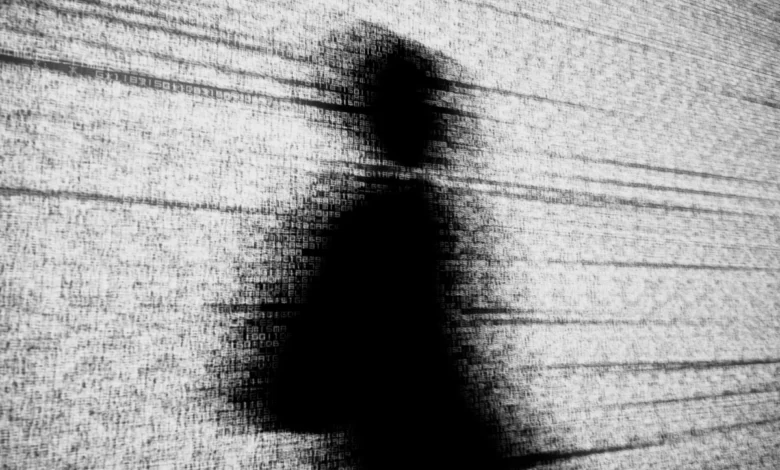
A significant data breach has impacted over 2.5 million individuals who hold student loans, with their personal information being accessed by an unauthorized party. EdFinancial and the Oklahoma Student Loan Authority (OSLA) are in the process of notifying affected loanees that their sensitive data, including names, home addresses, email addresses, phone numbers, and Social Security numbers, was compromised. The breach, which targeted Nelnet Servicing, a major student loan servicing system and web portal provider for both EdFinancial and OSLA, raises concerns about potential future misuse of this data, particularly in light of recent student loan forgiveness initiatives.
The incident came to light when Nelnet Servicing disclosed the breach to its partners and subsequently to affected loan recipients. The notification process began on July 21, 2022, with letters sent to those whose data was exposed. While the full extent of the breach was determined later, the initial discovery and subsequent investigation have revealed a substantial compromise of personal identifying information.
Chronology of the Data Breach
The timeline of events surrounding this data breach provides a clearer picture of its unfolding:
- June 1, 2022: The breach is believed to have begun, with unauthorized access to certain student loan account registration information commencing around this time.
- July 21, 2022: Nelnet Servicing, LLC, identified a vulnerability within its systems, which they believe led to the incident. On this date, Nelnet notified EdFinancial and OSLA of the discovered vulnerability.
- July 21, 2022 (continued): Nelnet also began notifying affected loan recipients about the breach.
- July 22, 2022: The period of unauthorized access to student loan account registration information is understood to have concluded by this date, according to Nelnet’s filings.
- August 17, 2022: Following an in-depth investigation, Nelnet’s cybersecurity team confirmed that personal user information had indeed been accessed by an unauthorized party. This confirmation led to the broader notification to the affected 2,501,324 student loan account holders.
- August 17, 2022 (continued): Nelnet’s general counsel, Bill Munn, submitted a breach disclosure to the state of Maine, detailing the incident.
The discrepancy in dates—the initial notification on July 21st versus the confirmation of data access on August 17th, with the breach period extending from June to July—highlights the challenges in rapidly assessing the full impact of such cybersecurity incidents.
Scope of the Compromise and Exposed Data
The breach specifically targeted Nelnet Servicing, the Lincoln, Nebraska-based entity responsible for managing student loan accounts and providing online portals for borrowers. The compromised information includes:
- Names: Full legal names of loan holders.
- Home Addresses: Residential mailing addresses.
- Email Addresses: Personal and professional email accounts.
- Phone Numbers: Contact telephone numbers.
- Social Security Numbers (SSNs): The most sensitive piece of personal information exposed.
Crucially, Nelnet has stated that the breach did not expose users’ financial information. This means that direct financial data such as bank account details, credit card numbers, or loan payment histories were not accessed. This distinction is significant, as it potentially mitigates the immediate risk of direct financial fraud. However, the exposure of SSNs and other personally identifying information presents a substantial risk for identity theft and future fraudulent activities.
Official Responses and Remediation Efforts
Upon discovering the vulnerability, Nelnet Servicing’s cybersecurity team reportedly took swift action. According to their statements, the team:
- Secured the information system: Implemented measures to lock down the affected systems and prevent further unauthorized access.
- Blocked suspicious activity: Identified and halted any ongoing malicious operations.
- Fixed the issue: Addressed the underlying vulnerability that allowed the breach to occur.
- Launched an investigation: Engaged third-party forensic experts to conduct a thorough analysis to determine the full nature and scope of the incident.
In addition to these immediate response measures, Nelnet is offering remediation services to affected individuals. These include:
- Two years of free credit monitoring: This service helps individuals track their credit reports for suspicious activity.
- Access to credit reports: Allowing borrowers to review their credit history for any unauthorized inquiries or accounts.
- Up to $1 million in identity theft insurance: Providing financial protection in the event of identity theft resulting from the breach.
EdFinancial and OSLA, as the loan authorities working with Nelnet, are responsible for relaying these notifications and remediation offers to their respective borrowers.
Broader Implications and Future Risks
The exposure of personal data, particularly Social Security numbers, carries significant implications beyond immediate financial concerns. Melissa Bischoping, an endpoint security research specialist at Tanium, commented on the potential for this data to be leveraged in future malicious activities.
"With recent news of student loan forgiveness, it’s reasonable to expect the occasion to be used by scammers as a gateway for criminal activity," Bischoping stated. She highlighted that the compromised information "has the potential to be leveraged in future social engineering and phishing campaigns."
The Biden administration’s announcement of a plan to cancel up to $10,000 of student loan debt for low- and middle-income borrowers creates a fertile ground for scams. Cybercriminals can exploit the public’s interest and hope surrounding this relief program to lure individuals into divulging further sensitive information. Phishing campaigns, which often impersonate trusted organizations, could become more sophisticated and deceptive by using the breached data to appear legitimate.
Bischoping warned that the compromised data will likely be used to impersonate affected brands in widespread phishing campaigns targeting students and recent college graduates. "Because they can leverage the trust from existing business relationships, they can be particularly deceptive," she added. This means borrowers might receive emails or calls that appear to be from EdFinancial, OSLA, or even Nelnet itself, urging them to click on malicious links or provide personal details under the guise of verifying their eligibility for loan forgiveness or resolving issues related to their accounts.
Background of Student Loan Servicing
Student loan servicing is a critical component of the federal student loan program. Servicers like Nelnet are responsible for managing loan accounts, collecting payments, and providing customer service to borrowers. They handle billions of dollars in loans and interact with millions of borrowers annually. The scale of their operations means that any security lapse can have widespread repercussions.
Nelnet is one of the largest student loan servicers in the United States, managing a significant portion of federal student loans. The company’s role as a service provider for multiple state authorities and financial institutions underscores the interconnectedness of the student loan ecosystem and the potential for a single breach to affect a vast number of individuals across different platforms.
The nature of the vulnerability that led to this breach remains unclear, as the initial reports only mention a "vulnerability" without specifying its technical details. This lack of transparency can sometimes fuel further anxiety among affected individuals.
Protecting Yourself in the Wake of the Breach
For the 2.5 million individuals affected by this breach, proactive steps are crucial to mitigate potential harm:
- Monitor Credit Reports: Regularly review credit reports from the three major credit bureaus (Equifax, Experian, and TransUnion) for any unusual activity. The free credit monitoring offered by Nelnet is a valuable resource for this.
- Be Wary of Phishing Attempts: Exercise extreme caution with unsolicited emails, text messages, or phone calls that ask for personal information or urge immediate action. Always verify the legitimacy of communications by contacting the organization directly through official channels.
- Enable Two-Factor Authentication: Where possible, enable two-factor authentication on all online accounts, especially those related to financial institutions and personal services.
- Consider a Fraud Alert or Security Freeze: For individuals highly concerned about identity theft, placing a fraud alert or a security freeze on their credit reports can provide an additional layer of protection.
- Report Suspicious Activity: If any suspicious activity is detected, report it immediately to the relevant credit bureaus, financial institutions, and law enforcement agencies.
The Nelnet data breach serves as a stark reminder of the persistent threats to personal data in the digital age. While financial information was not directly compromised in this instance, the exposure of personally identifying details like Social Security numbers creates long-term vulnerabilities that require ongoing vigilance from affected borrowers and robust security measures from the organizations entrusted with their data. The potential for this information to be weaponized, especially in conjunction with government programs like student loan forgiveness, necessitates a heightened awareness and a commitment to cybersecurity best practices from all parties involved.