LG Electronics USA to Suspend Smart TV Apps Enabling Residential Proxy Functionality Following Security Concerns

LG Electronics USA announced this week its intention to suspend any applications built for its smart televisions that enable users’ devices to function as always-on residential proxy nodes. This decisive action comes less than a month after independent researchers revealed a significant vulnerability within LG’s webOS smart TV app ecosystem, where over 42 percent of available applications were found to allow unknown third parties to route their internet traffic through users’ televisions.
The revelation, first brought to light by the cybersecurity firm Spur, has sent ripples through the smart home technology sector, raising critical questions about user privacy, data security, and the ethical implications of app monetization strategies. Spur’s comprehensive investigation, published on July 2nd, meticulously examined the prevalence of residential proxy software development kits (SDKs) embedded within smart TV applications across major manufacturers. Their findings indicated that not only did a substantial portion of LG’s webOS apps facilitate this proxy functionality, but a similarly concerning quarter of applications designed for Samsung’s Tizen operating system also contained these components.
The Genesis of the Concern: Spur’s Investigative Findings
The security firm Spur’s research, which was highlighted in a previous report by KrebsOnSecurity on July 2nd detailing the FBI’s seizure of the NetNut proxy platform and the Popa botnet, delved deep into the technical architecture of smart TV applications. The core of the issue lies in the integration of specific SDKs that, once activated, transform a user’s smart television into a proxy server. This effectively allows external parties to leverage the user’s internet connection and IP address for their own online activities, often without the user’s full comprehension or explicit, ongoing consent.
Spur’s analysis revealed that a staggering 42.2% of apps available on LG’s webOS store incorporated these residential proxy SDKs. This means that for every two apps downloaded from LG’s platform, one could potentially be turning the user’s television into a conduit for unknown internet traffic. The implications of such a widespread practice are profound, ranging from potential misuse of bandwidth and IP addresses to more serious security risks, including the possibility of malicious actors using these compromised devices to mask their online activities, engage in illegal downloads, or even launch cyberattacks.
The study further indicated that Samsung’s Tizen OS, another dominant platform in the smart TV market, was not immune to this issue. More than 25% of the apps available for Samsung smart TVs were found to contain similar residential proxy components, suggesting a broader trend within the industry of leveraging user devices for proxy services.
LG Electronics USA Responds: A Policy Shift
In direct response to the findings presented by Spur, LG Electronics USA has moved swiftly to address the security and privacy concerns. John Taylor, Senior Vice President at LG, communicated the company’s commitment to rectifying the situation. In a statement provided to KrebsOnSecurity, Taylor articulated LG’s stance: "A residential proxy network is not an intended use for LG smart TVs, and LG Electronics is working with developers to remove the residential proxy option from their apps on the webOS platform. If this option is not removed, these apps will be suspended."
This declaration signifies a significant policy reversal for the home appliance giant, acknowledging that the current integration of proxy SDKs goes against the intended functionality and user expectations for their smart televisions. Taylor further elaborated on LG’s proactive approach, stating that the company is committed to preventing residential proxy networks from being integrated into its smart TV applications moving forward. The review process for existing applications is reportedly "well underway now."
LG’s commitment extends to reinforcing its platform quality and user experience through a strengthened evaluation process for all developer-submitted apps. Taylor emphasized, "As part of our ongoing efforts to enhance platform quality and the user experience, LG will continue to strengthen our evaluation process for developer-submitted apps, including those that incorporate residential proxy SDKs." This suggests a more rigorous vetting mechanism for future app submissions to prevent similar issues from arising.
The Monetization Engine: How Residential Proxy SDKs Work
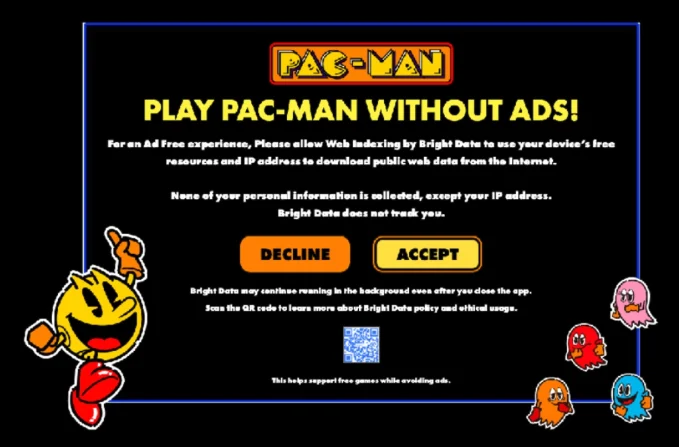
The practice of embedding residential proxy SDKs in applications is primarily driven by a desire for app developers to monetize their creations. These SDKs are provided by specialized companies that operate residential proxy networks. Developers are compensated by these proxy providers for integrating the SDKs into their applications. Once integrated and activated, often through a user consent prompt, the user’s device becomes a node within the proxy network. Paying customers of these proxy services can then route their internet traffic through these user devices.
Spur’s research uncovered that these residential proxy SDKs were not confined to niche applications but were found bundled with a wide array of software, including seemingly innocuous options such as simple games like Pac-Man, decorative screensavers, and utility applications. This broad integration means that a vast number of users could have unknowingly opted into contributing their internet bandwidth and IP address to these networks.
Bright Data: A Major Player in the Residential Proxy Market
The Spur report identified Bright Data as a dominant provider of proxy SDKs across both LG and Samsung smart TV platforms. In a statement issued to KrebsOnSecurity, Bright Data defended its operational model, asserting that its network is built on principles of consent and responsibility, and that its practices are designed to align with the terms of service set by manufacturers like LG and Samsung.
"Every peer opts in through a dedicated screen and receives value in return; every customer is vetted, and our practices have now undergone a second independent audit by PwC," Bright Data stated. The company further emphasized its commitment to fostering "an open, transparent internet where legitimate businesses, researchers, and institutions can responsibly access data that lives in the public domain."

Bright Data and other proxy providers named in Spur’s report maintain that they implement stringent "know-your-customer" (KYC) processes to verify the legitimacy of their service users. These users are often engaged in activities such as content scraping, which involves collecting publicly available data from websites. The proxy companies also claim to employ technological safeguards to prevent their customers from accessing or controlling other devices on the user’s local network, a critical concern for home network security.
The Core of the Debate: Transparency and Meaningful Consent
While proxy providers like Bright Data assert their adherence to consent-based models and robust vetting processes, the core of Spur’s argument lies not in the existence of residential proxy networks themselves, but in their pervasive and often opaque integration into devices that consumers do not typically associate with complex computing tasks or security auditing.
Trevor Sutter, a representative from Spur, articulated this concern: "A one-time consent prompt buried in a TV app is not a substitute for meaningful transparency, ongoing control, and platform oversight." He highlighted the amplified risk when consent is obtained from individuals within a household who may not fully understand the implications, such as minors who might interact with the smart TV but are not equipped to provide informed consent for such a service.
The argument is that the sheer ubiquity of these SDKs in everyday consumer electronics, combined with potentially ambiguous consent mechanisms, creates an environment where users are inadvertently exposed to significant privacy and security risks. The lack of continuous transparency and user control over whether their device is actively participating in a proxy network is a key point of contention.
Broader Implications for the Smart Home Ecosystem
LG’s decision to suspend apps with residential proxy functionality is a crucial step towards safeguarding user privacy and security within the smart TV domain. However, it also underscores a growing challenge for the entire smart home industry: how to balance app innovation and developer monetization with robust user protection.
The incident serves as a stark reminder that smart home devices, increasingly connected and feature-rich, are essentially computers operating within our personal networks. This necessitates a higher degree of scrutiny regarding the software they run and the permissions granted. As more devices become "smart," the potential attack surface and the avenues for privacy breaches expand significantly.
The implications extend beyond smart TVs. Consumers are increasingly downloading apps onto a diverse range of connected devices, from smart speakers and refrigerators to security cameras and gaming consoles. Each of these devices represents a potential entry point for unauthorized access or data exploitation if the applications they host are not rigorously vetted for security and privacy compliance.
A Pattern of Scrutiny: LG’s Recent Partnership with McAfee
This recent controversy surrounding residential proxy SDKs is not the only instance where LG has faced scrutiny over its software partnerships. Earlier this week, the company also drew criticism for its collaboration with McAfee, which involved the pre-installation of security product drivers on certain high-end LG LCD monitors.
YouTube channel Gamers Nexus reported that some LG LCD monitors automatically install an application that promotes paid McAfee antivirus subscriptions. Alarmingly, this installation reportedly occurs through Windows Update without requiring explicit user approval. This practice has raised concerns about unsolicited software installations and potential privacy implications associated with bundled security software, even when intended for user protection. The lack of a clear opt-in prompt for such installations can erode user trust and create apprehension about the control they have over their own devices.
The Road Ahead: Enhanced Vigilance and Consumer Awareness
LG’s proactive stance in addressing the residential proxy issue is a positive development, signaling a commitment to user trust and platform integrity. However, the incident highlights a broader need for increased vigilance from both manufacturers and consumers.
For manufacturers, it underscores the imperative to implement stringent app review processes, prioritize user privacy and security over quick monetization strategies, and ensure transparent communication with users about the functionalities and potential risks associated with their devices and applications.
For consumers, this serves as a crucial educational moment. It emphasizes the importance of critically evaluating app permissions, understanding the terms of service, and being aware that seemingly simple applications can have complex underlying functionalities. In an increasingly interconnected world, a proactive approach to digital security and privacy is no longer optional but essential. The ongoing efforts by companies like LG to clean up their app ecosystems, coupled with increased consumer awareness, will be critical in navigating the evolving landscape of smart home technology and ensuring a secure and private digital experience.