Google Play introduces new adaptive app quality requirements to standardize foldable and large-screen experiences by April 2027.

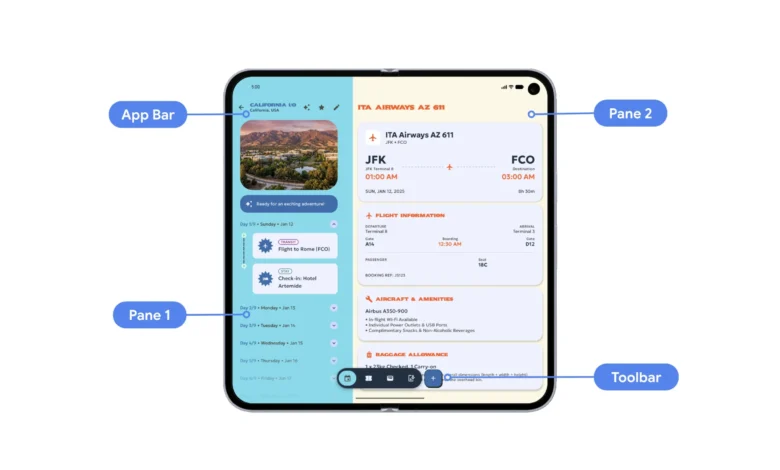
The rapid evolution of the foldable smartphone market has transformed what was once a niche category of experimental hardware into a dominant segment of the premium Android ecosystem. As consumer adoption accelerates, the expectation for software consistency has shifted alongside hardware capabilities. To address this, Google has announced a significant update to its quality framework for the Google Play Store, mandating that developers optimize their applications for adaptive layouts, specifically targeting the diverse range of foldable and large-screen devices.
The Evolution of the Foldable Ecosystem
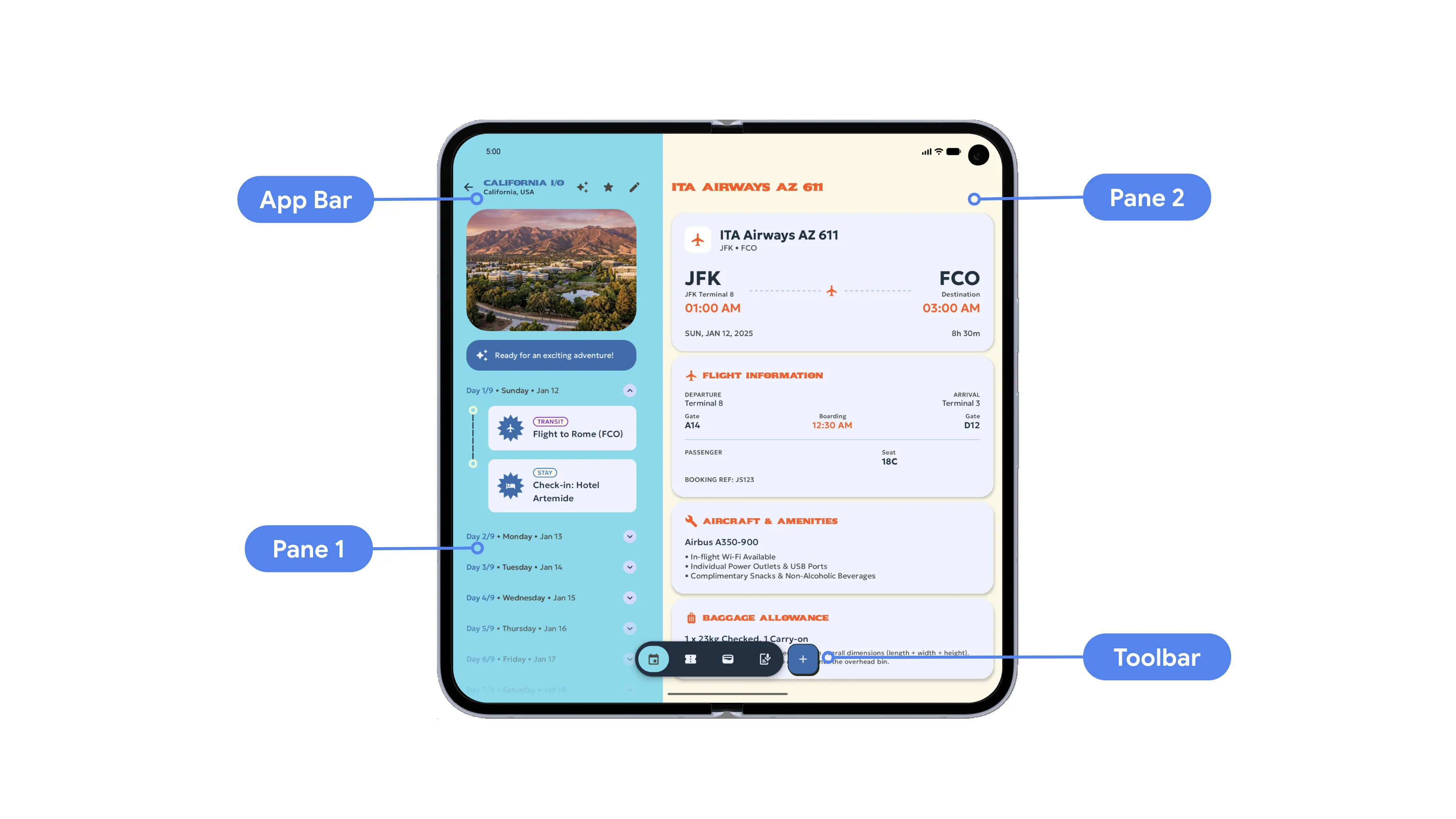
Since the inception of foldable technology within the Android platform, the industry has seen a move away from early-stage design limitations toward a more robust, mature ecosystem. Today, these devices encompass a variety of form factors, including "book-style" foldables that transition from a traditional smartphone screen to a tablet-like display, and "clamshell" devices that prioritize portability.
Market data underscores the necessity of this shift. With over 580 million large-screen devices currently in active use—a category spanning traditional tablets, Chromebooks, and emerging Android XR (Extended Reality) hardware—the fragmentation of screen sizes has become a primary challenge for developers. Users who invest in premium, high-cost foldable devices anticipate a seamless transition between folded and unfolded states, expecting apps to leverage the increased screen real estate without encountering letterboxing, stretching, or UI distortion.

New Quality Mandates: The April 2027 Benchmark
Starting in April 2027, Google Play will implement strict enforcement of its adaptive app quality guidelines. Under the new policy, all applications must meet, at a minimum, "Tier 3" of the Android adaptive app quality standards.
The consequences for non-compliance are significant: applications that fail to meet these baseline requirements will be prohibited from publishing new updates or appearing in the Play Store, and their overall visibility within the platform’s discovery algorithms will be reduced. This move effectively ends the era of "one-size-fits-all" development for Android, forcing developers to build with responsiveness as a core architectural principle.
The quality framework is structured into three tiers:
- Tier 3: The mandatory baseline, ensuring basic responsiveness, proper orientation handling, and the absence of catastrophic UI failures on large screens.
- Tier 2: An intermediate level focusing on multi-pane layouts and improved space utilization.
- Tier 1: The gold standard, which includes advanced features such as foldable posture awareness (e.g., tabletop mode) and highly optimized adaptive UI components.
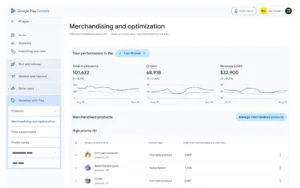
While Tier 3 serves as the initial enforcement threshold, industry analysts suggest that Google intends to transition Tier 2 and Tier 1 into the mandatory requirements over the coming years. By adopting higher-tier standards early, developers can secure preferential treatment in the form of editorial spotlights, premium badging, and increased merchandising opportunities within the store.
Updated Submission Requirements
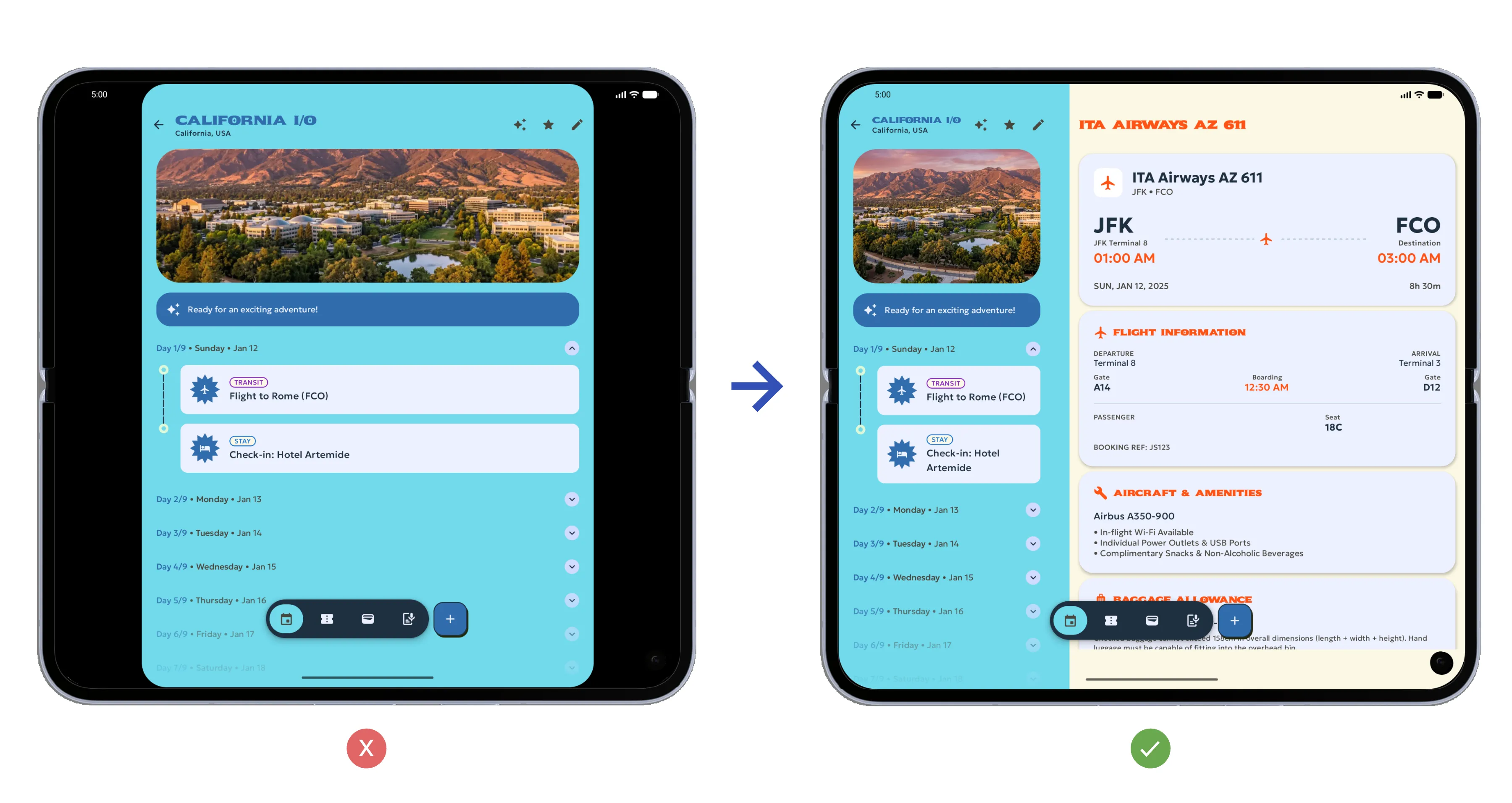
Beginning in April 2027, the Google Play Console will introduce a revised submission process for all app updates and new releases. Developers will be required to provide a minimum of three screenshots specifically captured on foldable devices, in addition to the standard two phone-sized screenshots.
This requirement is designed to provide users with visual confirmation that an app is genuinely optimized for their hardware before they commit to a download. To facilitate this, Google has updated its tooling within the Android Emulator and CLI, allowing developers to capture high-fidelity images of their apps in both folded and unfolded states, as well as various aspect ratios, including 1:1 and 4:3 inner displays.
The Technical Roadmap and API Integration
The push for standardization is supported by the requirement to target API level 37 (Android 17). This specific update aims to eliminate developer workarounds that previously allowed apps to opt-out of resizability or restrict screen orientation. By removing these "escape hatches," Google ensures that applications behave predictably regardless of the device’s physical state.
The transition timeline is structured as follows:
- Immediate Term: Developers are encouraged to begin testing apps against the Android adaptive app quality guidelines, utilizing Jetpack Compose to streamline the creation of responsive layouts.
- Mid-Term: Integration of foldable-specific screenshots into the Play Console submission flow.
- April 2027: Mandatory enforcement of Tier 3 quality standards and updated screenshot submission requirements.
Impact on the Development Community
For developers, the transition represents a paradigm shift from "mobile-first" to "adaptive-first." Tools such as Jetpack Compose have been highlighted as the primary solution for this transition, offering a declarative UI toolkit that simplifies the process of creating components that scale gracefully across disparate screen sizes.
The requirement also impacts game developers, who have historically faced the greatest difficulty in scaling 3D environments across varied aspect ratios. Google has provided a separate set of guidelines for the gaming sector, emphasizing that the "large-screen experience" is just as critical for interactive entertainment as it is for productivity software.
Broader Implications for the Android Ecosystem
The decision to enforce these standards reflects Google’s broader strategy to compete with other premium mobile ecosystems. By mandating quality, Google aims to minimize the "cheap" feeling that can arise when a high-end foldable device is paired with poorly optimized, stretched, or pixelated software.
Furthermore, this move acts as a forcing function for the wider hardware industry. By creating a standardized, high-quality software environment, Google reduces the friction for manufacturers (OEMs) who are currently struggling to justify the price of foldable devices to the average consumer. If the software is consistently excellent, the value proposition of the hardware increases.
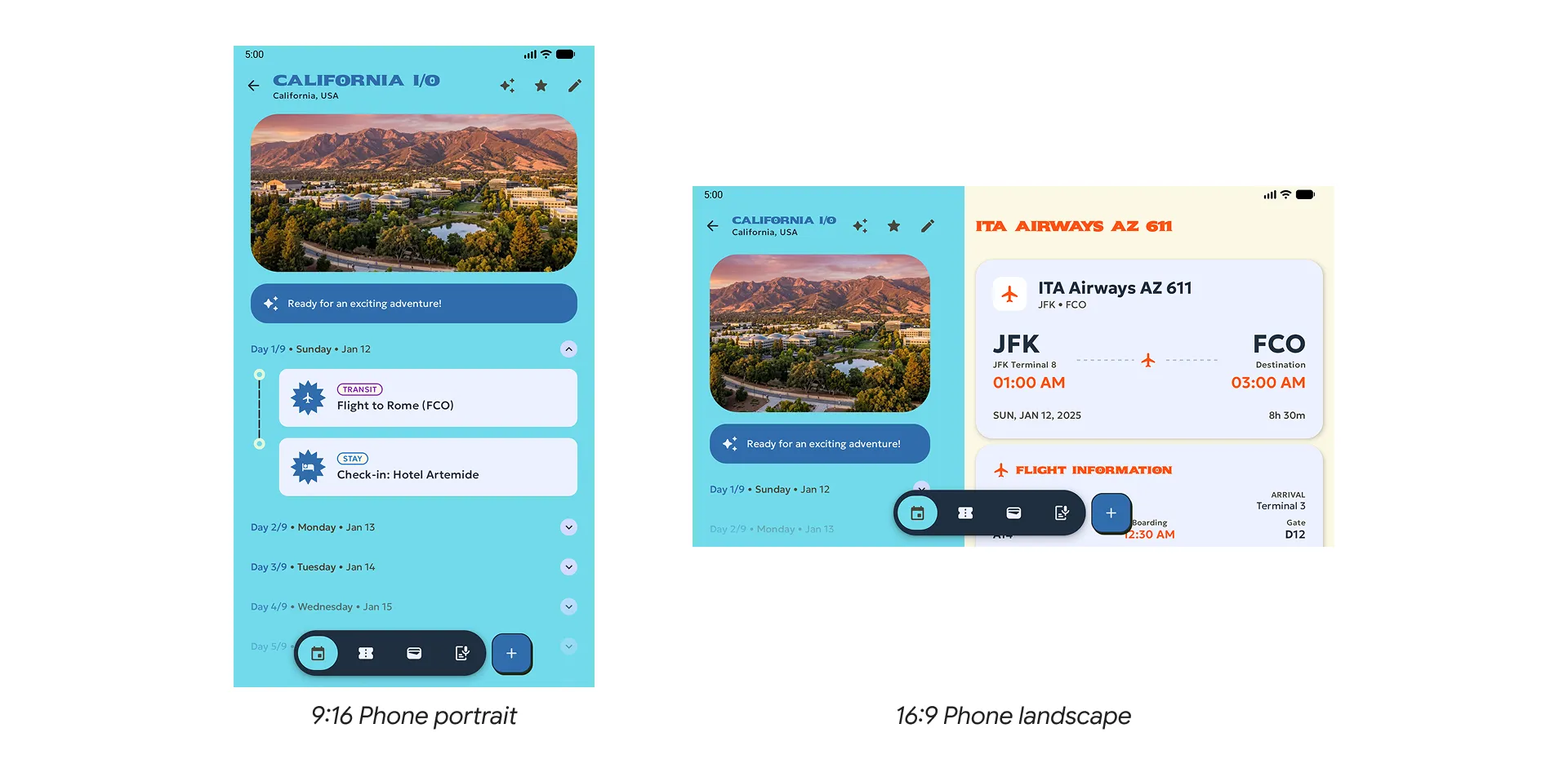
For enterprise and consumer apps alike, the implications are clear: the "large screen" is no longer an edge case—it is a central pillar of the Android experience. Developers who fail to adapt will likely see their user retention drop as consumers migrate toward applications that provide a superior, native experience on their chosen hardware.
Conclusion and Best Practices
As the April 2027 deadline approaches, the burden of proof lies with the developer. To maintain compliance and market relevance, teams are advised to perform comprehensive audits of their existing UI structures. Utilizing the Android Emulator’s foldable simulation features, teams can identify layout bottlenecks and implement adaptive design patterns before the new policy takes effect.
Google has emphasized that these requirements are not merely bureaucratic, but are designed to elevate the overall quality of the Android ecosystem. By moving toward a universal standard for responsiveness, the platform aims to provide a more cohesive experience that benefits both the user—who enjoys a consistent interface—and the developer, who gains access to a more versatile and engaged user base across an ever-expanding array of form factors. As the industry moves toward a future defined by diverse hardware, the ability to adapt remains the single most important metric for long-term success on the Android platform.