Bridging the Digital Divide: How Grassroots Initiatives and Corporate Empowerment are Connecting Generations in Nauheim

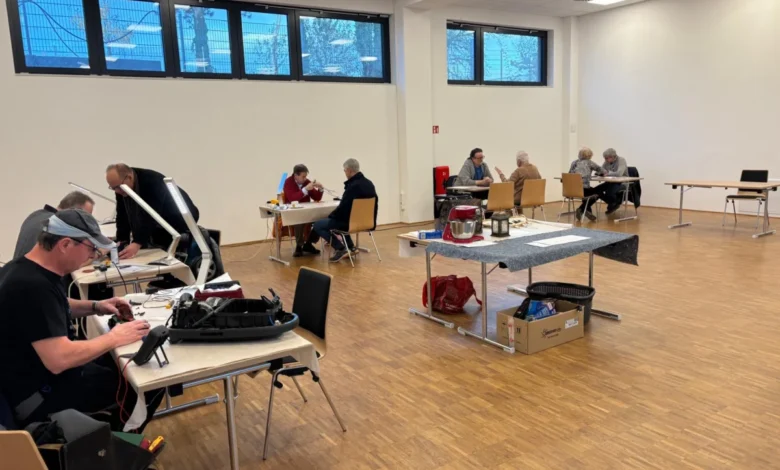
The rapid pace of technological advancement has left a significant portion of the elderly population struggling to keep up, creating a silent crisis of isolation in an increasingly digitized society. In the town of Nauheim, Germany, a grassroots initiative known as the Digital Café has emerged as a critical response to this challenge. By combining technical support with a social atmosphere, the project has evolved from a simple observation of local needs into a structured community pillar, bolstered by the progressive corporate social responsibility policies of companies like Sophos.
The Genesis of a Digital Solution
The impetus for the Digital Café began roughly two years ago, following the publication of a local news report detailing the difficulties seniors in the region faced when attempting to navigate essential modern services. For many, the transition from analog to digital interfaces—such as accessing online banking, utilizing government portals, or maintaining social bonds through video conferencing—has become a source of significant anxiety and social withdrawal.
The realization that technical illiteracy acts as a tangible barrier to independence prompted a swift response. The initiative was launched in partnership with the local volunteer office in Nauheim, with a primary mission to demystify technology. On the first Wednesday of every month, the community center opens its doors to residents seeking assistance. The format is intentionally low-pressure: visitors bring their own devices—smartphones, tablets, and laptops—and are paired with volunteers who provide one-on-one troubleshooting and guidance.
Bridging the Gap: The Human Impact
The impact of such initiatives extends far beyond the technical resolution of a software error or a connectivity issue. Data from the World Health Organization (WHO) and various social gerontology studies suggest that digital inclusion is a primary determinant of mental health for those over the age of 65. The ability to engage in video calls with family members, for instance, significantly reduces feelings of loneliness and depression.
In one documented case, a local resident who had been unable to operate her tablet for months was reconnected with her family through the intervention of a Digital Café volunteer. This event highlights the core philosophy of the project: technology is merely the conduit; the ultimate goal is human connection and the preservation of autonomy. By ensuring that elderly individuals can manage their own affairs—be it scheduling medical appointments or communicating with grandchildren—the project actively mitigates the risk of social exclusion.
Corporate Social Responsibility as a Catalyst
The scalability and success of the Digital Café are largely attributed to the support provided by the Sophos Employee Volunteering program. Sophos, a global leader in cybersecurity, has implemented a policy that provides its permanent employees worldwide with up to 40 hours of paid volunteer time annually. This corporate structure allows for the flexibility necessary to sustain long-term community projects, enabling employees to contribute to their local neighborhoods without compromising their professional obligations.
This model of "empowered volunteering" creates a symbiotic relationship between the private sector and public needs. For an employee, the ability to utilize work hours for community service fosters a sense of purpose and alignment with company values, which include authenticity, innovation, and empowerment. By allowing time to be taken in increments, the policy accommodates the irregular nature of community volunteerism, ensuring that the Digital Café remains a consistent fixture rather than an occasional event.
Chronology of Growth and Community Integration
Since its inception, the project has seen a steady trajectory of growth and institutional validation:
- Phase 1: Identification (2022): The founder identifies the digital divide as a key issue following local media coverage.
- Phase 2: Launch (Late 2022): Initial collaboration with the Nauheim volunteer office leads to the first drop-in session at the local community center.
- Phase 3: Expansion (2023): The project formalizes a team of five dedicated volunteers. The "Repair Café" is introduced as an adjacent service, focusing on the sustainability of household items.
- Phase 4: Institutional Recognition (2024): The Mayor of Nauheim initiates formal discussions with organizers to explore the scaling of digital literacy programs across the municipality.
- Phase 5: Educational Outreach (Mid-2024): The introduction of specialized seminars, including "Cybercrime in Everyday Life," conducted in partnership with the State Criminal Police Office (LKA) in Wiesbaden.
The Repair Café and Holistic Sustainability
The synergy between the Digital Café and the Repair Café represents a broader trend in community development: the intersection of social welfare and ecological sustainability. By providing a space where broken household appliances, bicycles, and children’s toys are repaired by skilled volunteers, the initiative addresses the "throwaway culture" that characterizes modern consumption.
This dual approach—repairing physical goods and resolving digital challenges—creates a comprehensive service hub. The atmosphere is deliberately curated to be welcoming, with volunteers providing refreshments to alleviate the stress often associated with technical failure. This hospitality-driven approach reduces the stigma of asking for help, making the center a trusted resource for a demographic that might otherwise be intimidated by tech-support environments.
Strategic Analysis: The Future of Digital Inclusion
The implications of the Digital Café model are significant for municipal planning. As government services continue to shift toward "digital-first" platforms, the demand for intermediary support systems will only increase. A brief analysis of the current landscape reveals that:
- Public-Private Partnerships are Essential: No single entity has the resources to bridge the digital divide alone. The marriage of corporate time-banking and local government infrastructure provides a sustainable roadmap.
- Education is the Best Defense: The collaboration with the LKA in Wiesbaden to address cybercrime is a critical development. As the elderly population becomes more digitally active, they become prime targets for phishing and online fraud. Educating this demographic is not just a social service; it is a matter of public safety.
- Scalability Concerns: While the current model works well in a community of Nauheim’s size, scaling it requires a decentralized approach. Replicating the "Café" model in larger urban centers would necessitate a network of neighborhood hubs rather than a single central location.
Official Responses and Future Directions
Local leadership in Nauheim has expressed high regard for the initiative, noting that the Digital Café has successfully filled a gap that local government programs were struggling to address. The potential for future collaboration includes city-sponsored grants for equipment, potential partnerships with local schools for a "youth-to-senior" digital mentorship program, and the integration of the Digital Café into the town’s broader social infrastructure plans.
For the volunteers, the work remains deeply rooted in the concept of empowerment. The transition from a lone idea to a recognized community force demonstrates that small-scale, consistent efforts can yield substantial systemic change. The founder notes that the project is no longer about the devices themselves, but about the confidence instilled in the participants.
Conclusion
The Digital Café in Nauheim serves as a compelling case study on the efficacy of community-driven solutions to modern societal challenges. By fostering an environment of patience, support, and human connection, the initiative has successfully navigated the complexities of the digital age for those who might otherwise be left behind. With the continued backing of corporate entities like Sophos and the growing interest of municipal authorities, the project stands as a testament to the power of individual initiative in creating a more inclusive, connected, and resilient society. As the digital transformation continues to reshape the landscape of daily life, the lessons learned in Nauheim offer a clear path forward for other communities worldwide.